
The tech world is no stranger to disruption, particularly when the name Elon Musk is involved. From electric vehicles that redefined the automotive industry to reusable rockets that have made space travel a commercial reality, the “Tesla effect” is a powerful force. Naturally, when rumors began circulating about a “Tesla Pi Phone” (often referred to as the Model π), the global tech community went into a frenzy. The prospect of a smartphone that integrates Starlink satellite connectivity, Neuralink compatibility, and solar charging capabilities sounds like a leap into the 21st-century’s most ambitious hardware dreams.
However, for those searching for a “Buy Now” button, the reality is more nuanced. To understand where you can buy the Tesla Pi Phone, we must first dissect the technology behind the rumors, the current state of Tesla’s hardware roadmap, and what this potential device means for the future of mobile gadgets.
The Reality Check: Is the Tesla Pi Phone Currently for Sale?
The short answer to the question of where you can buy a Tesla Pi Phone is: nowhere. As of mid-2024, Tesla has not officially released a smartphone, nor has it opened a pre-order portal or a waiting list on its official website.
The Origin of the Rumors
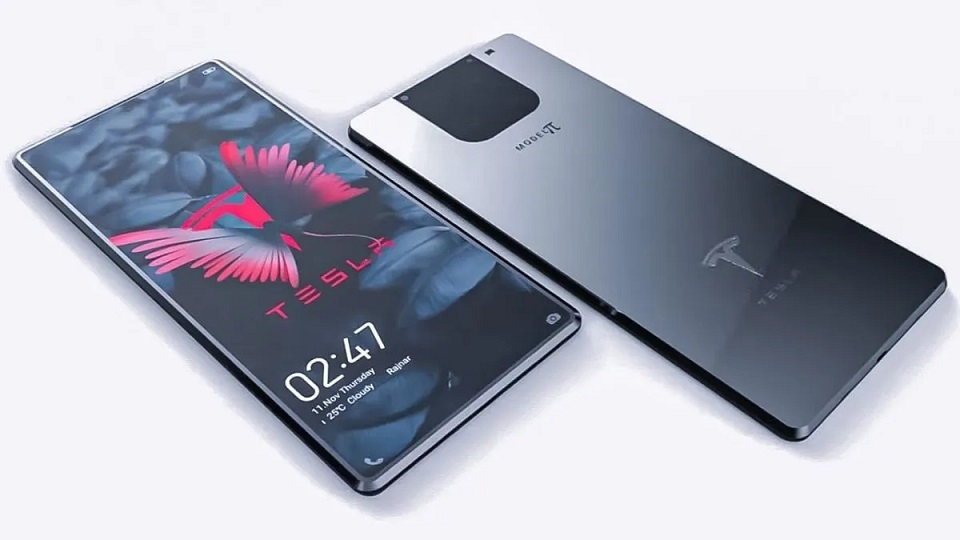
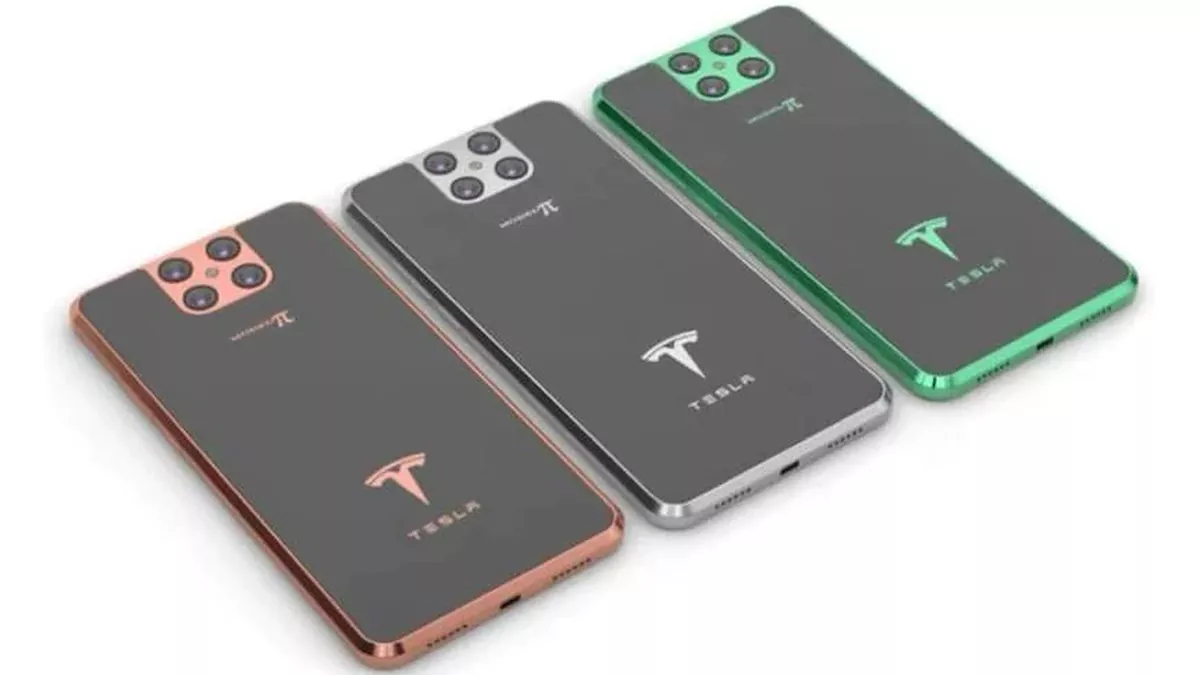
Most of the high-quality renders and “leaked” promotional videos seen on social media platforms like X (formerly Twitter) and YouTube originate from independent designers and concept artists. These creators often envision what a Tesla-branded phone could look like, incorporating sleek Martian-red aesthetics and futuristic interfaces. While these designs are visually stunning, they are not official marketing materials from Tesla Inc.
Elon Musk’s Official Stance
Elon Musk has sent mixed signals regarding a Tesla smartphone. In various interviews and posts, he has expressed a distaste for the current “walled garden” ecosystems of Apple’s iOS and Google’s Android. He once famously suggested that if Apple or Google began censoring apps or acting as an unfair gatekeeper, he would “make an alternative phone.” While this confirms that the idea is on the table as a contingency plan, it also confirms that a consumer-ready device is not currently in mass production.
Identifying Scams and Fake Listings
Because the hype is so high, many third-party websites and “shady” resellers have popped up claiming to take deposits for the Tesla Pi Phone. It is vital for tech enthusiasts to realize that any site asking for a deposit or “early access fee” for a Tesla phone is likely a scam. Tesla historically manages all its product launches—be it the Cybertruck or the Tesla Tequila—through its official domain (Tesla.com).
Anticipated Tech Specifications: What Sets the Pi Phone Apart?
If and when Tesla decides to move from concept to assembly line, the “Pi Phone” is expected to be more than just a device for scrolling social media. The rumored specifications suggest a hardware-software integration that would leave current flagship devices like the iPhone 15 Pro or the Samsung S24 Ultra looking like legacy technology.
Integrated Starlink Connectivity
The most significant tech rumor involves the integration of Starlink, SpaceX’s satellite internet constellation. Currently, satellite SOS features on smartphones are limited to emergency texting with high latency. A Tesla Pi Phone could theoretically offer high-speed satellite internet access directly to the handset, bypassing traditional terrestrial carriers. This would be a game-changer for users in remote areas or during natural disasters where cell towers are down.
Solar Charging Capabilities
Tesla is a leader in battery technology and solar energy. Speculation suggests the Pi Phone could feature a transparent solar-charging layer integrated into the back panel or even the screen. While small-scale solar charging is currently inefficient for high-drain devices, Tesla’s proprietary advancements in photovoltaic efficiency could allow the phone to gain a meaningful “trickle charge” while sitting in the sun, extending battery life significantly beyond the industry standard.
Neuralink Compatibility
Elon Musk’s brain-computer interface company, Neuralink, is another pillar of the Tesla ecosystem. Tech theorists suggest that the Pi Phone would serve as the primary interface for Neuralink users. Instead of using fingers to type or swipe, a user with a Neuralink implant could potentially control their phone through thought, making the device an extension of the human mind. While this sounds like science fiction, the technology for basic neural-controlled interfaces is already in human trials.
The Disruption of the Mobile Hardware Ecosystem
The entry of a Tesla-branded phone would do more than just add a new player to the market; it would likely force a paradigm shift in how mobile devices are designed and utilized.
Moving Beyond the App Store Model
Currently, the mobile world is dominated by the duopoly of Apple and Google. A Tesla phone would likely run on a proprietary “TeslaOS,” possibly based on a heavily modified version of Linux (similar to the software in Tesla vehicles). By creating its own ecosystem, Tesla could offer a “free-speech” environment or an integrated marketplace for decentralized apps (dApps), leveraging the company’s interest in cryptocurrency and blockchain technology.
Synergy with Tesla Vehicles
For current Tesla owners, the Pi Phone would act as the ultimate key and control hub. While the Tesla app already allows for significant control over the cars, a dedicated hardware device could offer ultra-wideband (UWB) precision, allowing the car to recognize the owner’s approach with millimetric accuracy. It could also mirror the car’s infotainment system or allow for seamless “handoff” of navigation and media from the phone to the vehicle’s dashboard.
Astrophotography and Advanced Imaging
Given SpaceX’s involvement, rumors suggest the Pi Phone might feature specialized optics for astrophotography. While modern phones use AI to “fake” moon shots, the Pi Phone could use advanced sensors and software algorithms developed for SpaceX rocket cameras to capture high-definition images of the night sky without the noise and artifacts found in current smartphone cameras.
Why the Tech World is Waiting: The Challenges of Production
Building a smartphone is notoriously difficult. Even for a company that builds rockets, the mobile market presents unique hurdles that explain why we cannot buy the Pi Phone today.
The Chipset and Component Shortages
To compete with the likes of Apple’s A-series chips or Qualcomm’s Snapdragon processors, Tesla would need to design its own silicon. While Tesla already designs high-performance AI chips for its Full Self-Driving (FSD) computer, miniaturizing that power into a thermally constrained smartphone chassis is a monumental engineering task.
Regulatory and Carrier Hurdles
A phone that uses satellite internet as its primary data source would face massive regulatory scrutiny from the FCC and international telecommunications bodies. Traditional carriers (Verizon, AT&T, T-Mobile) would also view such a device as an existential threat, potentially leading to legal battles over spectrum usage and licensing.
Manufacturing Scale
Tesla’s current manufacturing prowess is centered on large-scale automotive assembly. Smartphone manufacturing requires entirely different “clean room” environments and supply chains for micro-components like haptic engines, OLED panels, and tiny camera modules. Establishing these supply chains would take years of development.
The Future Roadmap: When Could We See a Launch?
While you cannot buy a Tesla Pi Phone right now, the trajectory of the tech industry suggests that a release is not a matter of “if,” but “when.”
Key Indicators to Watch
For those eager to be the first in line, watch for three key signals:
- Official Trademark Filings: Keep an eye on the USPTO for any filings related to “Tesla Phone,” “Model Pi,” or “Pi OS.”
- X (Twitter) Product Integration: If Musk begins integrating more hardware-specific features into the X platform that require specialized secure enclaves, it may be a precursor to a proprietary device.
- Starlink Direct-to-Cell Expansion: SpaceX is already launching “Direct-to-Cell” satellites. Once this network is robust enough to support data (not just SMS), the infrastructure for a Tesla phone will officially be in place.

Conclusion: A Concept Worth Monitoring
The Tesla Pi Phone remains one of the most anticipated pieces of “vaporware” in the tech world. While it currently exists only in the realm of theory and concept art, the underlying technologies—Starlink, solar energy, and neural interfaces—are very real and are being perfected by Musk’s various companies every day.
For now, if you see an advertisement claiming you can buy a Tesla phone, exercise extreme caution. The true Tesla Pi Phone will likely arrive with a massive keynote event, a dedicated section on Tesla.com, and a price tag reflecting its position as a high-end, disruptive piece of hardware. Until then, the tech world remains in a state of high-expectancy, waiting for the moment when the “computer on wheels” finally fits into the palm of our hand.
aViewFromTheCave is a participant in the Amazon Services LLC Associates Program, an affiliate advertising program designed to provide a means for sites to earn advertising fees by advertising and linking to Amazon.com. Amazon, the Amazon logo, AmazonSupply, and the AmazonSupply logo are trademarks of Amazon.com, Inc. or its affiliates. As an Amazon Associate we earn affiliate commissions from qualifying purchases.