
Candy corn. The mere mention conjures images of autumnal hues, Halloween costumes, and a distinct, divisive sweetness. For many, it’s an undeniable symbol of the fall season. But beyond its sugary taste and vibrant appearance, candy corn possesses a fascinating history, one deeply rooted in the evolution of confectionery branding and marketing. Understanding its original moniker isn’t just a trivia pursuit; it offers a window into how brands were conceived, named, and introduced to the public in a bygone era, revealing the foundational principles of product identity that continue to shape the market today.
The Dawn of Candy Corn: A Brand Born from Innovation and Imitation
The story of candy corn’s origins is inextricably linked to the burgeoning confectionery industry of the late 19th century. This was a time of significant innovation in food production, with new machinery and mass-production techniques allowing for a wider variety of sweets to reach American consumers. Against this backdrop, a particular type of confection emerged, one that would eventually become the familiar candy corn we know. The key to understanding its original name lies in recognizing the initial inspiration and the strategic branding decisions made to capitalize on it.
The “Chicken Feed” Connection: A Practical and Evocative Name
The most widely accepted origin story credits George Renninger of the Wunderle Candy Company in Philadelphia with developing candy corn in the 1880s. However, before it was affectionately or infamously known as candy corn, this tri-colored confection was marketed under a very different, and perhaps more utilitarian, name: “Chicken Feed.”
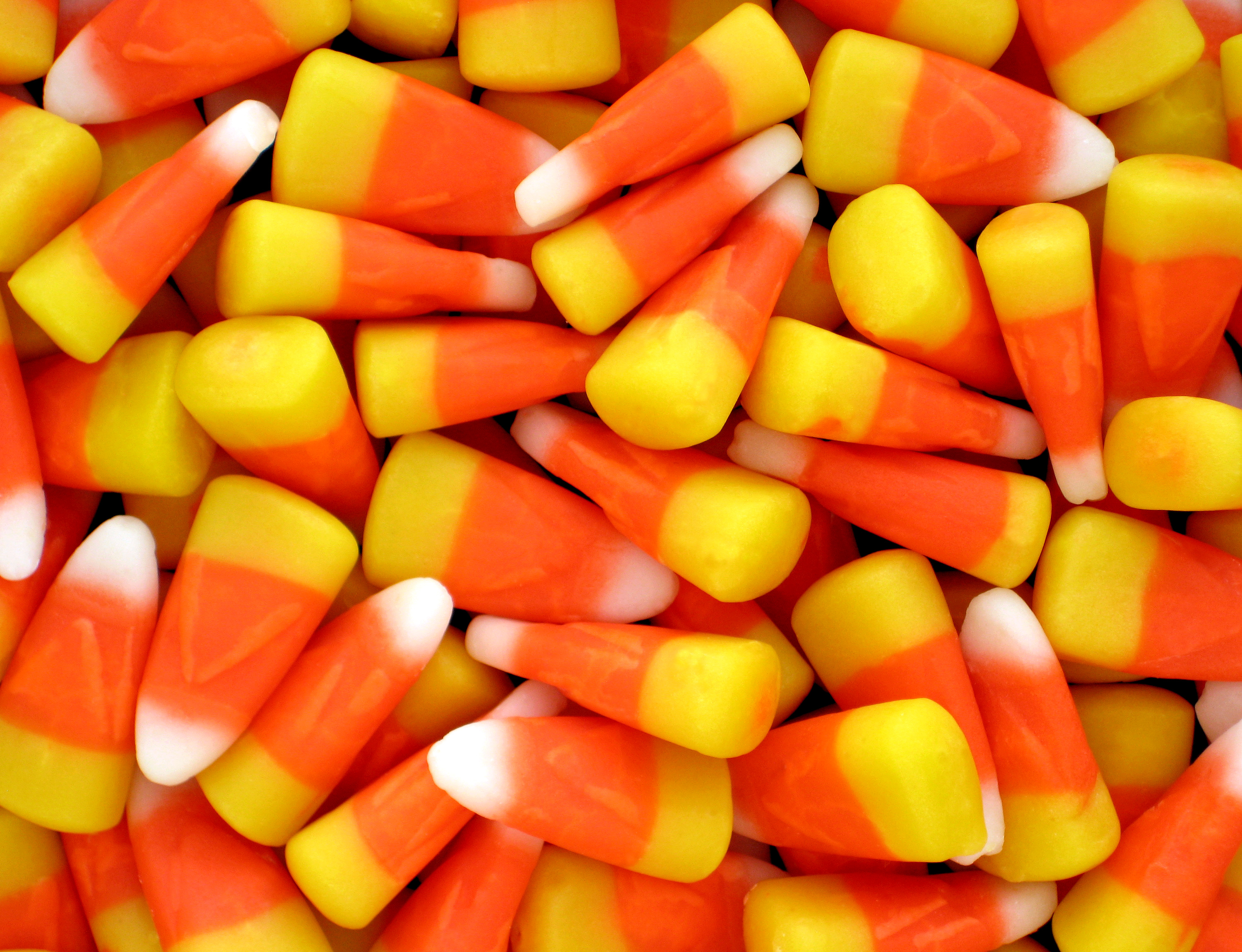
This name might seem peculiar, even unappetizing, to modern sensibilities. However, in the context of the late 19th century, it was a stroke of branding genius. The diminutive size and kernel-like appearance of the candies, with their waxy texture and distinctive shape, directly resembled the feed given to chickens. This visual similarity was not accidental; it was a deliberate marketing choice. At a time when product names often reflected their appearance, function, or origin in a straightforward manner, “Chicken Feed” was both descriptive and practical.
The name also tapped into a broader cultural familiarity. Grain and feed were commonplace in American households, particularly in rural and semi-rural areas. By associating a sweet treat with something so familiar and everyday, manufacturers could make the product feel accessible and relatable. It was a clever way to position a novel confection as a wholesome, albeit sweet, addition to the pantry. Furthermore, the name “Chicken Feed” suggested an abundant, inexpensive product, implying good value for money – a crucial consideration for consumers in any era. This initial branding strategy was less about aspirational marketing and more about direct appeal to practicality and sensory recognition.
The Goelitz Confectionery Company and the Shift in Brand Identity
While Renninger is credited with the invention, the Goelitz Confectionery Company (which would later become the iconic Jelly Belly Candy Company) played a pivotal role in popularizing and evolving the candy corn brand. Founded in 1869, the Goelitz family took the existing concept of the kernel-shaped candy and refined its production and, crucially, its marketing.
The Goelitz family recognized the potential of this unique confection and began to produce it in significant quantities. As their business grew, they also understood the importance of a name that was more appealing and less literal than “Chicken Feed.” The transition away from “Chicken Feed” was a subtle yet significant branding shift, moving from a descriptive, utilitarian label to one that began to hint at the joy and seasonality of the treat.
The exact timeline and the specific intermediate names used before it became universally known as “candy corn” are somewhat debated among confectionery historians. However, the overarching trend was a move towards names that evoked the visual appeal and the experience of eating the candy. This evolution in naming strategy reflects a growing understanding of consumer psychology and the power of suggestion in brand building.
The Evolution of a Name: From Farmyard to Festive Favorite
The journey from “Chicken Feed” to “candy corn” is a testament to the power of evolving brand narratives. As the product gained traction, marketers began to understand that its appeal extended beyond mere resemblance to feed. The vibrant colors – yellow, orange, and white – were increasingly associated with the harvest season and, eventually, with the burgeoning popularity of Halloween. This shift in perception necessitated a corresponding shift in branding.
The Rise of “Candy Corn”: A More Evocative and Marketable Identity
The term “candy corn” itself is remarkably simple and effective. It directly links the sweet nature of the confection (“candy”) with its visual inspiration (“corn”). This fusion created a name that was immediately understandable, appealing, and suggestive of a pleasant sensory experience. Unlike “Chicken Feed,” which focused on imitation, “candy corn” focused on the product’s intrinsic qualities and its thematic associations.
This rebranding was crucial for several reasons. Firstly, it elevated the product’s perceived status. While “Chicken Feed” might have been perceived as a simple, everyday item, “candy corn” began to suggest a treat, a reward, a special indulgence. Secondly, the name allowed for a stronger connection to specific holidays and seasons. The imagery of corn is inherently tied to the autumn harvest, making “candy corn” a natural fit for fall festivities.
The adoption of “candy corn” as the primary brand name also coincided with a period of increasing sophistication in advertising and packaging. As companies invested more in marketing, having a memorable and appealing brand name became paramount. “Candy corn” possessed this quality, making it easier to promote through various channels and to embed in the public consciousness as a quintessential seasonal candy. This transition exemplifies how a brand’s name can evolve to reflect changing market perceptions and consumer desires.
The Role of Packaging and Marketing in Solidifying the Brand
The transition to “candy corn” was not solely a matter of renaming. It was also supported by evolving packaging and marketing strategies. As candy corn became more widely distributed, it began to appear in more elaborate packaging, moving beyond simple paper bags. These new presentations often highlighted the vibrant colors and the unique shape of the candies, reinforcing the visual cues that contributed to its name.
Advertising campaigns, though perhaps less sophisticated than today’s, also played a role. By featuring candy corn prominently in fall and Halloween-themed advertisements, companies helped to cement its association with these events. The visual narrative created through these marketing efforts further solidified the identity of candy corn as a festive treat, making the name “candy corn” not just a descriptor, but a brand promise. This symbiotic relationship between the product, its name, and its associated imagery is a classic example of successful brand building. The original utilitarian name faded as the product’s market position and consumer perception evolved.
Candy Corn’s Enduring Brand Legacy: A Case Study in Product Identity
The story of candy corn’s name evolution offers valuable insights into the fundamental principles of brand strategy. From its humble beginnings as “Chicken Feed” to its current status as a holiday icon, candy corn’s journey demonstrates how product identity can be shaped by innovation, market perception, and strategic rebranding.
The Power of Association: Linking Product to Consumer Experience
The initial branding of “Chicken Feed” leveraged the power of direct association and familiarity. It was a practical name for a product that visually resembled something everyday. However, the subsequent rebranding to “candy corn” showcases a more sophisticated approach to brand association. Instead of merely imitating an object, the name began to evoke a feeling, a season, and an experience. This shift from imitation to evocation is a critical development in branding.
The success of “candy corn” lies in its ability to create a strong mental link between the product and positive consumer experiences – the fun of trick-or-treating, the coziness of autumn, the shared joy of seasonal celebrations. This type of associative branding is highly effective because it taps into emotions and memories, making the product more than just a confection; it becomes a symbol of a particular time and feeling. The brand’s enduring appeal is a testament to its successful transition from a functional description to a cultural touchstone.
Adaptability and Evolution in Brand Naming
The case of candy corn also highlights the importance of adaptability in brand naming. The original name served its purpose in a specific market context. However, as that context changed and consumer preferences evolved, the need for a new name became apparent. The transition to “candy corn” demonstrates that successful brands are not static; they can and often must evolve to remain relevant.
This evolution in naming reflects a deeper understanding of the marketplace. What might have appealed to consumers in the 1880s, with a focus on practicality and direct description, might not resonate in later decades. The ability to shed an outdated name and embrace a new one that better aligns with current consumer perceptions and market trends is a hallmark of strong brand management. The journey of candy corn’s name is a compelling illustration of how thoughtful brand evolution can ensure a product’s longevity and continued cultural significance. It proves that even the most seemingly simple products have complex brand stories waiting to be uncovered.
aViewFromTheCave is a participant in the Amazon Services LLC Associates Program, an affiliate advertising program designed to provide a means for sites to earn advertising fees by advertising and linking to Amazon.com. Amazon, the Amazon logo, AmazonSupply, and the AmazonSupply logo are trademarks of Amazon.com, Inc. or its affiliates. As an Amazon Associate we earn affiliate commissions from qualifying purchases.