
Tesla, a pioneer and arguably the most disruptive force in the automotive industry, has fundamentally reshaped perceptions of electric vehicles (EVs). Beyond its innovative designs and groundbreaking battery technology, a critical component of its global dominance and strategic expansion lies in its sophisticated and geographically distributed manufacturing network. Understanding “where are Tesla cars manufactured” isn’t merely about pinpointing locations on a map; it’s about dissecting a complex, technologically advanced production strategy that underpins the company’s ambition to accelerate the world’s transition to sustainable energy.
Tesla’s manufacturing philosophy centers around its “Gigafactories”—massive, integrated complexes designed to produce vehicles, batteries, and associated components at an unprecedented scale and efficiency. These facilities are not just assembly plants; they are hubs of technological innovation, automation, and vertical integration, each strategically positioned to serve key global markets and contribute to Tesla’s overarching vision. This article delves into these manufacturing nerve centers, exploring their technological significance, operational methodologies, and their collective impact on the future of automotive production.
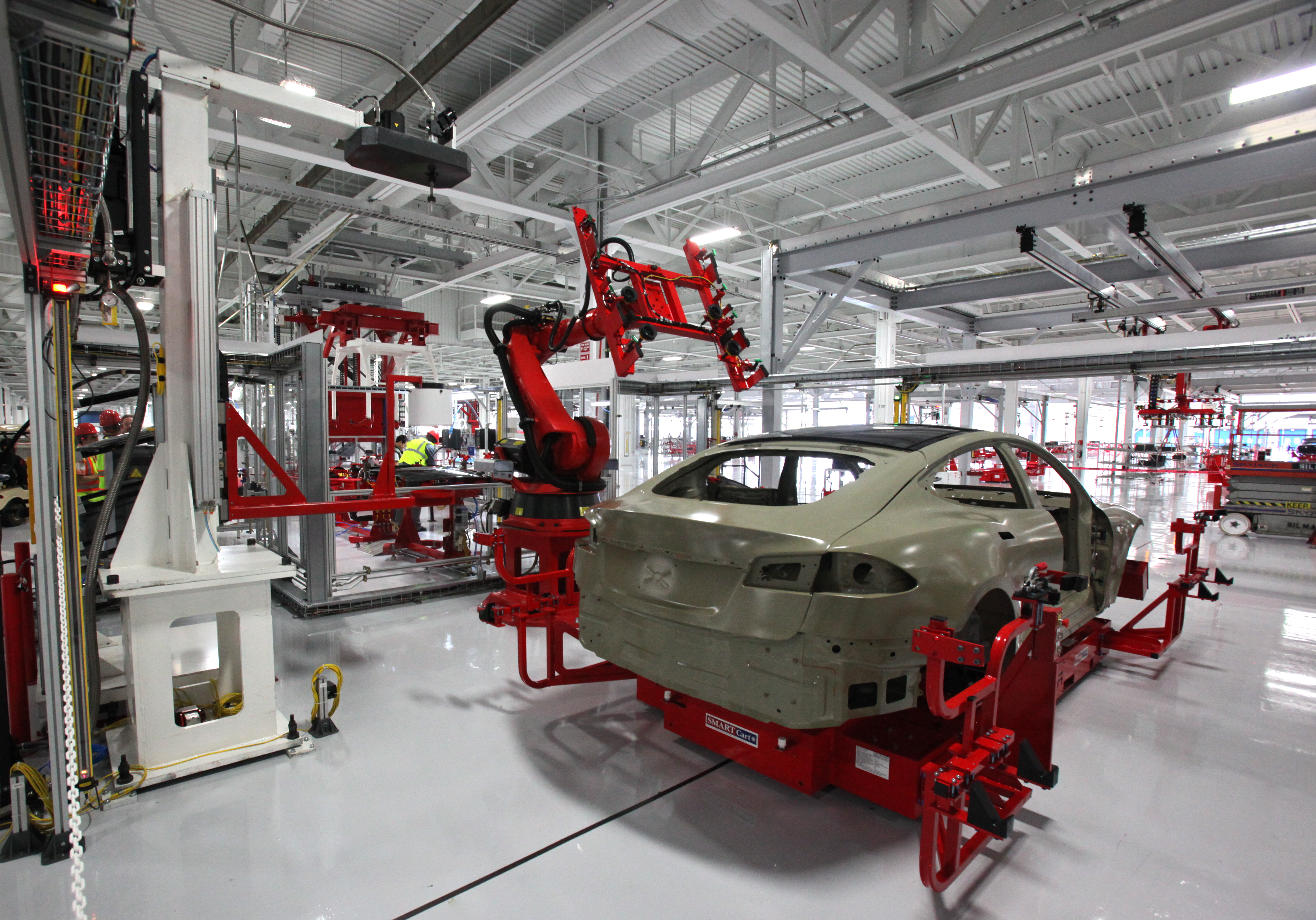
The Gigafactories: Pillars of Tesla’s Global Production Strategy
Tesla’s growth trajectory is inextricably linked to the continuous expansion and technological refinement of its Gigafactories. These facilities represent the cutting edge of modern manufacturing, blending advanced robotics, proprietary automation, and sophisticated supply chain management to deliver vehicles at a scale previously unimaginable for an EV manufacturer. Each Gigafactory serves a distinct strategic purpose, catering to specific regional demands and often pioneering new manufacturing techniques or product lines.
Fremont, California: The Genesis of Tesla Production
The story of Tesla’s manufacturing begins in Fremont, California, at a plant with a storied history. Originally a joint venture between General Motors and Toyota (NUMMI), Tesla acquired the facility in 2010. This acquisition was a bold move, providing Tesla with immediate access to a vast manufacturing infrastructure, albeit one designed for internal combustion engine vehicles. Over the years, Fremont has undergone immense transformation, evolving into a highly automated and technologically advanced facility capable of producing the Model S, Model 3, Model X, and Model Y.
Fremont represents Tesla’s learning curve in high-volume automotive production. It has been a crucible for innovation, where early production bottlenecks were overcome through iterative technological improvements, custom-designed machinery, and software-driven process optimization. While newer Gigafactories might boast more purpose-built layouts, Fremont continues to be a vital hub for Tesla, often piloting new production methodologies before they are scaled globally and serving as a critical nerve center for product development and rapid prototyping. Its enduring significance lies in its role as the birthplace of Tesla’s mass-market manufacturing capabilities and a continuous testbed for refining production technology.
Giga Shanghai: Tesla’s Asian Manufacturing Powerhouse
Completed in a record-breaking timeframe in 2019, Giga Shanghai stands as a testament to Tesla’s ambition and operational efficiency. Located in China, the world’s largest automotive market and a rapidly growing EV hub, Giga Shanghai rapidly became Tesla’s most efficient factory. Its construction from the ground up allowed Tesla to implement its latest manufacturing philosophies without the constraints of an existing structure.
Giga Shanghai is a beacon of advanced automation, featuring highly optimized production lines for the Model 3 and Model Y. Its localized supply chain, robust robotics, and digitally integrated processes enable it to produce vehicles at a lower cost and higher quality than many of its global counterparts. Beyond its role in serving the massive Chinese market, Giga Shanghai has also become a crucial export hub, supplying Model 3 and Model Y vehicles to markets across Asia, Europe, and other regions, significantly boosting Tesla’s global reach and profitability. The factory showcases Tesla’s ability to replicate and refine its tech-driven manufacturing model on an international scale, adapting to local nuances while maintaining global standards of excellence.
Giga Berlin: Engineering European EV Excellence
Opened in March 2022, Giga Berlin (officially Gigafactory Berlin-Brandenburg) marks Tesla’s entry into European manufacturing. Strategically located near Berlin, this facility is designed to serve the European market with locally produced Model Ys and, eventually, a new generation of battery cells. Giga Berlin embodies Tesla’s commitment to sustainable and technologically advanced manufacturing.
The factory incorporates state-of-the-art environmental considerations, aiming for a lower carbon footprint in its operations. Technologically, Giga Berlin features some of the most advanced production lines, leveraging massive Giga Presses for casting large vehicle body parts, significantly reducing complexity and manufacturing time. A key differentiator for Giga Berlin is its planned integration of 4680 battery cell production directly into the vehicle assembly process, a critical step towards structural battery packs and more efficient vehicle designs. This direct integration of battery manufacturing, a core technological innovation, highlights Giga Berlin’s role as a cutting-edge facility pushing the boundaries of EV production.
Giga Texas: The Future of Integrated EV Production
Tesla’s largest Gigafactory by area, Giga Texas (officially Gigafactory Texas), began production in April 2022. Located near Austin, this massive facility is not just a factory but a sprawling complex designed to be a fully integrated ecosystem. Giga Texas is the primary production hub for the Model Y for the eastern North American market, the highly anticipated Cybertruck, and the Tesla Semi.
Giga Texas represents the pinnacle of Tesla’s integrated manufacturing strategy. It is designed for maximum vertical integration, with ambitious plans to produce almost every component of the vehicle on-site, including battery cells (4680 cells). The factory showcases innovations in structural battery pack integration, where battery cells become a fundamental structural component of the vehicle chassis, improving rigidity, safety, and manufacturing efficiency. The scale and ambition of Giga Texas underscore Tesla’s commitment to pushing manufacturing boundaries, serving as a hub for revolutionary production techniques and next-generation vehicle platforms. Its role in bringing the Cybertruck and Semi to market also highlights its importance in diversifying Tesla’s product portfolio and expanding its technological footprint into new segments.
Future Gigafactories and Expansion
Tesla’s global expansion is far from complete. The company continuously explores new locations for future Gigafactories, demonstrating its strategic commitment to localized production and market penetration. A notable upcoming project is Gigafactory Mexico, announced in 2023, which is slated to produce Tesla’s next-generation vehicle platform at an even lower cost. These future factories will continue to build upon the technological advancements seen in existing Gigafactories, incorporating lessons learned and pushing the envelope in automation, efficiency, and sustainability. Each new facility represents an opportunity to refine Tesla’s manufacturing playbook, integrate new technological breakthroughs, and solidify its position as a global leader in EV production.
Technological Underpinnings of Tesla’s Manufacturing Process
Beyond the physical structures of the Gigafactories, the true essence of Tesla’s manufacturing prowess lies in the advanced technologies and methodologies embedded within its production lines. These are not merely conventional car factories; they are sophisticated, data-driven ecosystems designed for rapid iteration, extreme efficiency, and continuous improvement.
Automation and Robotics in Gigafactories
Tesla’s production strategy heavily relies on extensive automation and advanced robotics. From the stamping of metal panels to the intricate assembly of battery packs and the final inspection of vehicles, robots perform a vast array of tasks with precision and speed that human hands cannot match. This includes a multitude of industrial robots for welding, painting, and material handling, as well as custom-designed machinery for specific Tesla processes. The objective is to create “the machine that builds the machine,” optimizing every step of the manufacturing process to minimize human intervention where possible, reduce errors, and accelerate throughput. Tesla continuously invests in AI and machine learning to make its robotic systems smarter, more adaptive, and capable of handling complex tasks, pushing the boundaries of what is possible in automated manufacturing.
Integrated Battery Production and Innovations
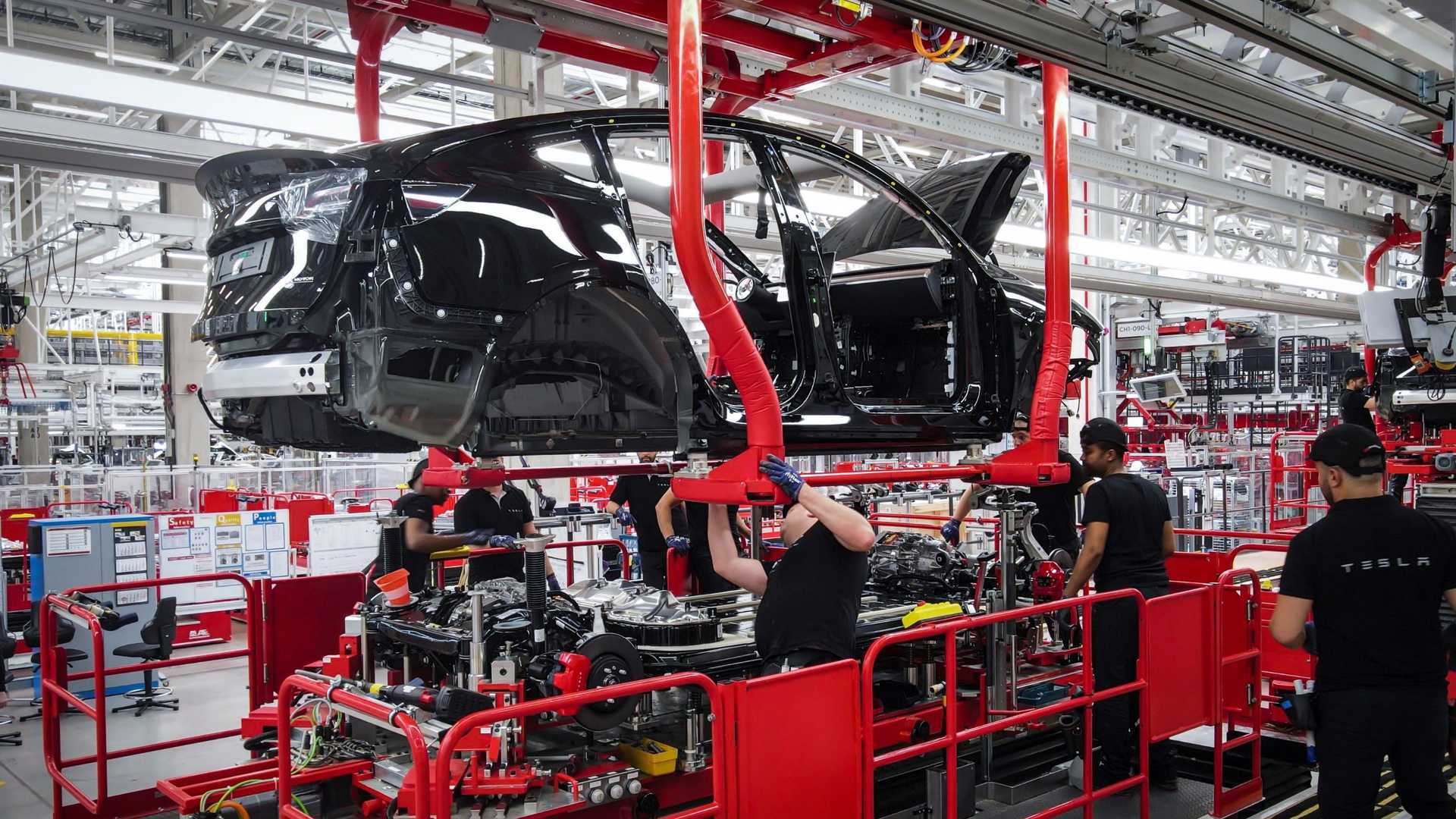
At the core of an EV is its battery, and Tesla’s approach to battery production is a key differentiator. The company is not merely assembling battery packs from cells produced by external suppliers; it is increasingly integrating battery cell manufacturing directly into its Gigafactories, particularly with the proprietary 4680 cell design. These larger, tabless cells promise significant improvements in energy density, power output, and manufacturing cost.
The development of structural battery packs is another critical innovation. Instead of a separate battery pack and vehicle chassis, the battery pack itself becomes a structural element of the car, integrating with the front and rear castings. This design reduces vehicle weight, improves torsional stiffness, enhances safety, and simplifies the manufacturing process by reducing the number of components. This vertical integration of battery technology from cell production to structural integration is a testament to Tesla’s deep engineering expertise and its commitment to controlling critical aspects of its technology stack.
Software-Defined Manufacturing and Optimization
Perhaps the most understated yet impactful technological aspect of Tesla’s manufacturing is its heavy reliance on software and data. Tesla treats its factories as software-defined entities, where every machine, sensor, and process is connected and constantly generating data. This data is then analyzed using advanced analytics and machine learning algorithms to identify bottlenecks, predict maintenance needs, optimize workflows, and improve overall production efficiency.
This “software-defined manufacturing” approach allows Tesla to rapidly iterate on its production lines, introduce improvements, and scale production with unprecedented agility. It’s a continuous feedback loop where real-time data from the factory floor informs engineering and operational decisions, leading to a relentless pursuit of efficiency and quality. This deep integration of software, data science, and physical manufacturing processes is a hallmark of Tesla’s technologically advanced production system, enabling it to outpace traditional automakers in many aspects of lean and agile manufacturing.
Supply Chain and Global Technological Reach
Tesla’s manufacturing strategy extends beyond the factory gates to encompass a highly optimized and increasingly localized supply chain. The global distribution of Gigafactories plays a crucial role in enhancing supply chain resilience, fostering local technological ecosystems, and asserting Tesla’s technological influence worldwide.
Localized Production and Supply Chain Resilience
By establishing Gigafactories in major markets like China, Europe, and North America, Tesla aims to localize its supply chains significantly. This strategy reduces the dependency on long-distance logistics, which can be vulnerable to geopolitical tensions, natural disasters, and fluctuating shipping costs. Localized production facilitates faster delivery to customers, reduces carbon emissions associated with transportation, and enhances the ability to source components from regional suppliers. This not only builds resilience but also helps foster local innovation by encouraging regional suppliers to develop capabilities that meet Tesla’s stringent technological and quality standards.
Vertical Integration and In-House Expertise
Tesla’s aggressive vertical integration strategy is a key enabler of its technological independence and rapid innovation cycles. From designing its own custom chips (like the Full Self-Driving chip) to developing its own software stack, and increasingly manufacturing its own battery cells, Tesla seeks to control critical components and technologies in-house. This strategy minimizes reliance on external suppliers for core technologies, granting Tesla greater control over quality, cost, and the pace of innovation. This deep in-house expertise across hardware and software is a significant technological advantage, allowing Tesla to quickly adapt and implement new technologies into its vehicles and manufacturing processes.
Impact on Regional Technology Ecosystems
The establishment of a Gigafactory has a profound impact on the regional technology ecosystem surrounding it. These facilities attract a diverse pool of highly skilled engineering and manufacturing talent, stimulate local economic growth, and often lead to the development of new tech-focused industries. Regional suppliers are incentivized to invest in advanced manufacturing techniques and sustainable practices to meet Tesla’s requirements, thereby elevating the technological capabilities of the entire supply chain. Gigafactories become magnets for innovation, contributing to the development of robust EV and clean energy technology clusters in their respective regions.
The Strategic Advantages of Distributed Manufacturing
Tesla’s global network of Gigafactories offers several compelling strategic advantages that are critical for its continued growth and leadership in the EV sector. These advantages stem directly from the technological sophistication and distributed nature of its manufacturing operations.
Scaling Production and Meeting Demand
The most immediate benefit of distributed manufacturing is the ability to rapidly scale production to meet the soaring global demand for electric vehicles. With multiple Gigafactories operating simultaneously, Tesla can significantly increase its total output, reducing delivery times and expanding its market reach. Each factory acts as a production node, contributing to a collective capacity that far surpasses what a single facility could achieve. This scalable approach, driven by standardized yet adaptable technological blueprints across factories, is fundamental to Tesla’s ambition of producing millions of vehicles annually.
Market Responsiveness and Customization
Distributed manufacturing allows Tesla to be more responsive to specific market demands, regulatory environments, and consumer preferences in different regions. For instance, vehicles produced in Giga Shanghai can be optimized for the Asian market, while Giga Berlin can focus on specifications tailored for European consumers. This localization can extend to minor design tweaks, software features, and even specific material sourcing to comply with regional regulations or taste. This regional focus, underpinned by a global technological platform, enhances customer satisfaction and strengthens market penetration.
Reducing Logistics and Environmental Footprint
By manufacturing vehicles closer to their end markets, Tesla significantly reduces the logistics costs and environmental footprint associated with transportation. Shipping vehicles across continents is expensive and carbon-intensive. Localized production minimizes these challenges, contributing to Tesla’s broader environmental goals. This strategic placement of factories, leveraging advanced logistics and just-in-time manufacturing principles, aligns with Tesla’s mission to accelerate the transition to sustainable energy, not just through its products but also through its production methods.

Conclusion
The question “where are Tesla cars manufactured” reveals far more than a simple list of locations. It uncovers a highly sophisticated, technologically driven manufacturing strategy that is central to Tesla’s identity and its relentless pursuit of innovation. From the foundational Fremont plant to the hyper-efficient Giga Shanghai, the advanced Giga Berlin, and the integrated Giga Texas, each Gigafactory represents a critical pillar in Tesla’s global production network.
These facilities are not just factories; they are living laboratories of advanced robotics, integrated battery technology, and software-defined manufacturing, constantly pushing the boundaries of automotive production. Tesla’s distributed manufacturing approach, coupled with its deep vertical integration and commitment to localized supply chains, provides significant strategic advantages in scaling production, enhancing market responsiveness, and reducing environmental impact. Ultimately, Tesla’s Gigafactories are not just building cars; they are building the technological infrastructure for a sustainable future, reaffirming the company’s position at the forefront of the automotive and energy revolutions.
aViewFromTheCave is a participant in the Amazon Services LLC Associates Program, an affiliate advertising program designed to provide a means for sites to earn advertising fees by advertising and linking to Amazon.com. Amazon, the Amazon logo, AmazonSupply, and the AmazonSupply logo are trademarks of Amazon.com, Inc. or its affiliates. As an Amazon Associate we earn affiliate commissions from qualifying purchases.