
Ramadan, a period of profound spiritual significance for over a billion people worldwide, is often a topic of curiosity for those outside its observant communities. Far more than just a religious event, Ramadan represents a rich tapestry of cultural practices, personal reflection, and communal bonding that resonates across diverse societies. Understanding the “religion” behind Ramadan is not solely about theological tenets; it’s about appreciating the values, traditions, and the collective identity that this observance fosters. In the realm of branding, this understanding mirrors how powerful brands cultivate loyalty, trust, and a sense of belonging by consistently communicating their core values and engaging with their audience in meaningful ways. Examining Ramadan through this brand-centric lens allows us to explore its multifaceted impact and its enduring appeal.

The Core Identity: Pillars of Islam and Ramadan’s Place
At its heart, Ramadan is intrinsically linked to Islam, a monotheistic religion founded on a set of core principles. Understanding these foundational elements is crucial to grasping the significance of Ramadan within the Islamic faith. This is akin to understanding a brand’s mission statement and its foundational product or service before appreciating its broader market presence.
Tawhid: The Unifying Principle
The most fundamental concept in Islam is Tawhid, the absolute oneness of God (Allah). This belief in a singular, indivisible deity is the bedrock upon which all Islamic practices are built. Ramadan serves as a powerful annual reaffirmation of this core tenet. The heightened focus on prayer, recitation of the Quran, and self-discipline during Ramadan is all directed towards a deeper connection with Allah, reinforcing the individual’s commitment to Tawhid. For brands, this is analogous to a company’s unwavering commitment to its core product or unique selling proposition; it’s the singular element that defines its existence and purpose.
The Five Pillars of Islam
Islam is traditionally understood through its Five Pillars, a framework of obligatory acts that guide the lives of Muslims. Ramadan is the ninth month of the Islamic lunar calendar and is specifically designated for the observance of Sawm (fasting), the fourth pillar.
- Shahada (Faith): The declaration of faith, “There is no god but Allah, and Muhammad is His messenger.” This is the gateway to becoming a Muslim and the foundational belief that informs all other practices.
- Salat (Prayer): The performance of five daily prayers at prescribed times, directly connecting the believer with Allah.
- Zakat (Charity): The obligatory giving of a portion of one’s wealth to the needy, emphasizing social responsibility and economic justice.
- Sawm (Fasting): Abstaining from food, drink, and marital relations from dawn until sunset during the month of Ramadan. This pillar is the central focus of the month.
- Hajj (Pilgrimage): The pilgrimage to Mecca, a once-in-a-lifetime obligation for those who are able.
The integration of Ramadan within these pillars highlights its pivotal role. It is not an isolated event but a continuous expression of faith, discipline, and communal responsibility that permeates the entire Islamic worldview. Just as a strong brand identity is built upon a consistent and interconnected set of values and offerings, the Five Pillars provide a cohesive structure for Islamic life, with Ramadan serving as a concentrated period of spiritual cultivation.
The Essence of Observance: More Than Just Abstinence
Ramadan’s significance extends far beyond the literal act of abstaining from food and drink. It is a holistic spiritual and personal development program, designed to foster introspection, empathy, and a renewed sense of purpose. This depth of engagement mirrors how successful brands cultivate not just transactional relationships but deep emotional connections with their audience through carefully crafted experiences and consistent messaging.
Sawm: A Spiritual Discipline and Its Broader Implications
The fast of Ramadan, Sawm, is a rigorous discipline. It begins before sunrise with the suhoor, a pre-dawn meal, and ends at sunset with the iftar, the meal breaking the fast. While physical abstinence is the visible aspect, the spiritual intent is paramount. Muslims are encouraged to abstain from all forms of vice, including negative thoughts, speech, and actions. This comprehensive approach aims to purify the soul, sharpen self-awareness, and develop a stronger sense of self-control.
This parallels a brand’s effort to build a narrative that goes beyond its product features. It’s about the experience, the lifestyle, and the values the brand represents. A brand that consistently delivers on its promise, maintains ethical practices, and fosters a positive community around itself achieves a similar level of devotion and adherence as a devout Muslim observing Ramadan. The focus shifts from mere consumption to mindful participation and a deeper understanding of purpose.
The Quran and Spiritual Nourishment
Ramadan is also known as the “Month of the Quran.” It is believed to be the month in which the first verses of the Quran were revealed to the Prophet Muhammad. Consequently, observant Muslims dedicate significant time to reading, reciting, and reflecting upon the Quran. This increased engagement with the holy text is seen as a way to spiritually nourish oneself, seeking guidance and wisdom from God’s word.
This resonates with how brands leverage storytelling and content marketing. A brand that consistently provides valuable, insightful, or inspiring content, much like the Quran, builds a relationship with its audience based on shared knowledge and growth. This content acts as a guiding force, reinforcing the brand’s identity and values, and fostering a sense of intellectual or emotional connection.
Cultivating Community and Connection: The Social Fabric of Ramadan
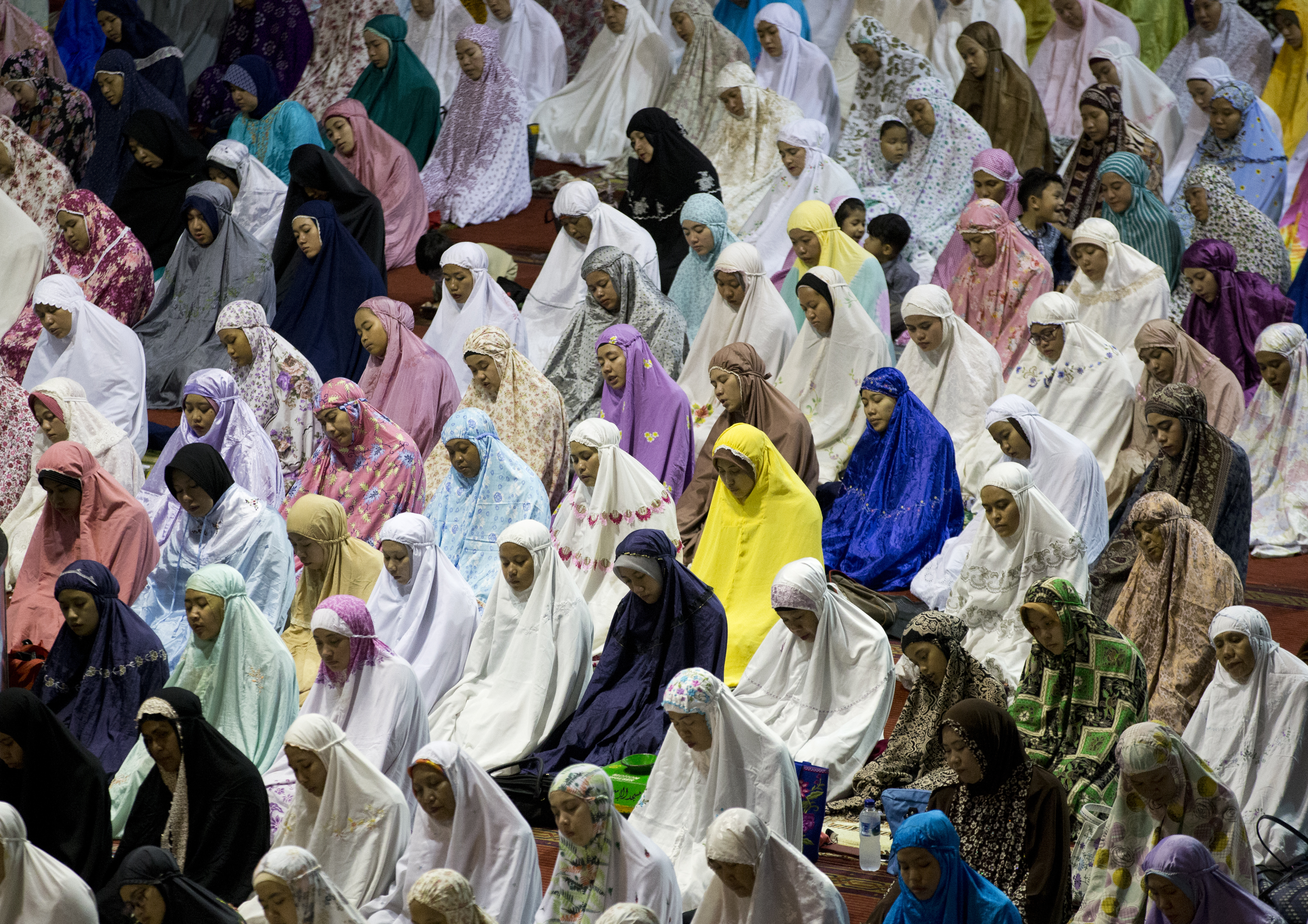
Ramadan is a profoundly communal experience. While the fast is an individual act of worship, its practice is interwoven with social rituals and a heightened sense of collective responsibility. This aspect of Ramadan is perhaps the most akin to how brands build strong communities around shared interests and values.
Iftar and Suhoor: Shared Meals, Shared Bonds
The breaking of the fast at iftar is a communal event. Families gather, friends are invited, and mosques often host large communal iftars for the wider community. Similarly, the pre-dawn suhoor meal can also be a time for families to bond. These shared meals are not just about sustenance; they are vibrant occasions for strengthening relationships, sharing experiences, and fostering a sense of belonging.
This mirrors the importance of customer engagement events, community forums, and social media interactions for brands. These are opportunities to bring people together, foster dialogue, and build a shared identity around the brand. When customers feel part of a community, their loyalty and advocacy increase significantly, much like the strengthened bonds within a Muslim community during Ramadan.
Zakat al-Fitr and Acts of Generosity
Ramadan also emphasizes charity and compassion. Muslims are encouraged to increase their acts of kindness and generosity throughout the month. A specific form of charity, Zakat al-Fitr, is an obligatory donation of food or its equivalent value made before the Eid al-Fitr prayer. This ensures that everyone, regardless of their economic status, can participate in the celebration of Eid.
This emphasis on giving back and social responsibility is a cornerstone of modern brand ethics and corporate social responsibility (CSR) initiatives. Brands that actively contribute to societal well-being and demonstrate a commitment to ethical practices build a stronger, more reputable identity. This mirrors the spirit of Ramadan, where the focus on giving and alleviating hardship for others creates a powerful positive impact, both spiritually and socially.
Eid al-Fitr: The Celebration of Achievement
The end of Ramadan is marked by Eid al-Fitr, a joyous festival of breaking the fast. It is a time of celebration, gratitude, and further expressions of generosity. New clothes are worn, special foods are prepared, and prayers are offered in congregation.
This culmination signifies the successful achievement of a collective goal, much like a brand celebrating a product launch, a successful marketing campaign, or reaching a significant milestone. It’s a moment to acknowledge the effort, celebrate the success, and reinforce the shared journey and commitment of the community.
Ramadan’s Global Resonance: A Universal Appeal in Values
While Ramadan is an Islamic observance, its core values—discipline, self-reflection, empathy, generosity, and community—resonate universally. These are not exclusive to any single religion but are fundamental human aspirations. Understanding Ramadan, therefore, offers insights into how powerful observances, like impactful brands, create lasting legacies through the consistent articulation and embodiment of their core principles.
Discipline and Self-Improvement
The discipline of fasting and refraining from negative behaviors during Ramadan can inspire individuals from all backgrounds to cultivate greater self-control and pursue personal growth. This aligns with brands that promote self-improvement, whether through fitness, education, or personal development tools.
Empathy and Social Consciousness
By experiencing hunger and thirst, observers are encouraged to develop greater empathy for those less fortunate. This heightened social consciousness can inspire charitable giving and a commitment to addressing social inequalities, a value increasingly recognized and promoted by socially responsible brands.

Community and Shared Identity
The communal aspects of Ramadan—shared meals, prayers, and celebrations—foster a strong sense of belonging and shared identity. This echoes the power of brands in creating tribal marketing, where consumers form strong connections based on shared values, interests, and experiences associated with the brand.
In conclusion, while the question “what religion is Ramadan” points directly to Islam, a deeper understanding reveals a complex interplay of spiritual, personal, and communal dimensions. Viewing this observance through the lens of brand strategy, we can appreciate how its enduring power lies in its consistent message of discipline, reflection, and generosity, cultivating a profound sense of identity and belonging for its adherents and offering valuable lessons in human connection and shared purpose for the broader world.
aViewFromTheCave is a participant in the Amazon Services LLC Associates Program, an affiliate advertising program designed to provide a means for sites to earn advertising fees by advertising and linking to Amazon.com. Amazon, the Amazon logo, AmazonSupply, and the AmazonSupply logo are trademarks of Amazon.com, Inc. or its affiliates. As an Amazon Associate we earn affiliate commissions from qualifying purchases.