
In the dynamic landscape of digital communication, precision in language is not just a matter of grammatical correctness; it’s a strategic imperative. Whether crafting marketing copy, developing user interfaces, or analyzing data streams, the subtle nuances of word usage can profoundly impact clarity, efficiency, and even user engagement. Among the most fundamental yet often overlooked linguistic tools are conjunctions, and the word “and” stands as a quintessential example. While seemingly simple, understanding its grammatical function and its strategic application within the tech sphere is crucial for anyone aiming to communicate effectively in this domain. This article will delve into the grammatical role of “and,” exploring its various applications and highlighting its significance in building robust and comprehensible digital experiences.
The Humble Conjunction: A Foundation for Connection
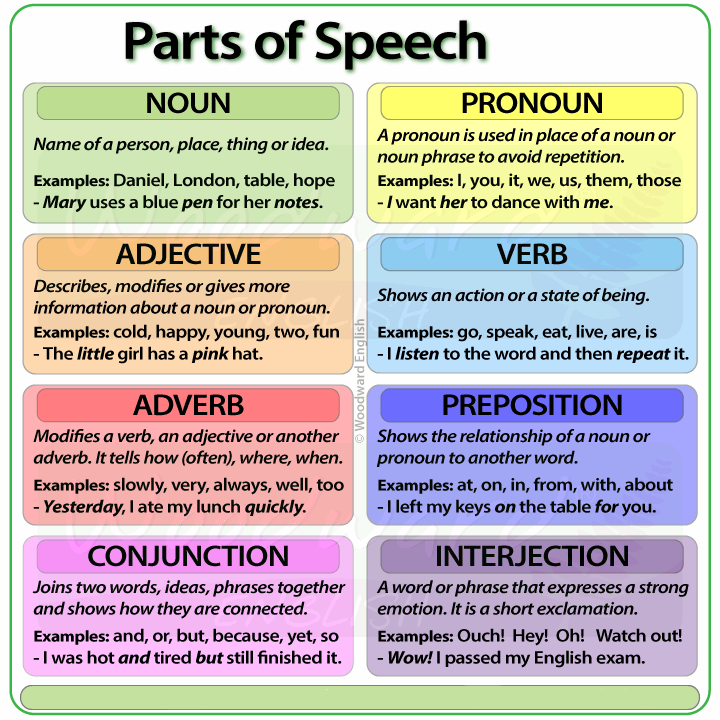
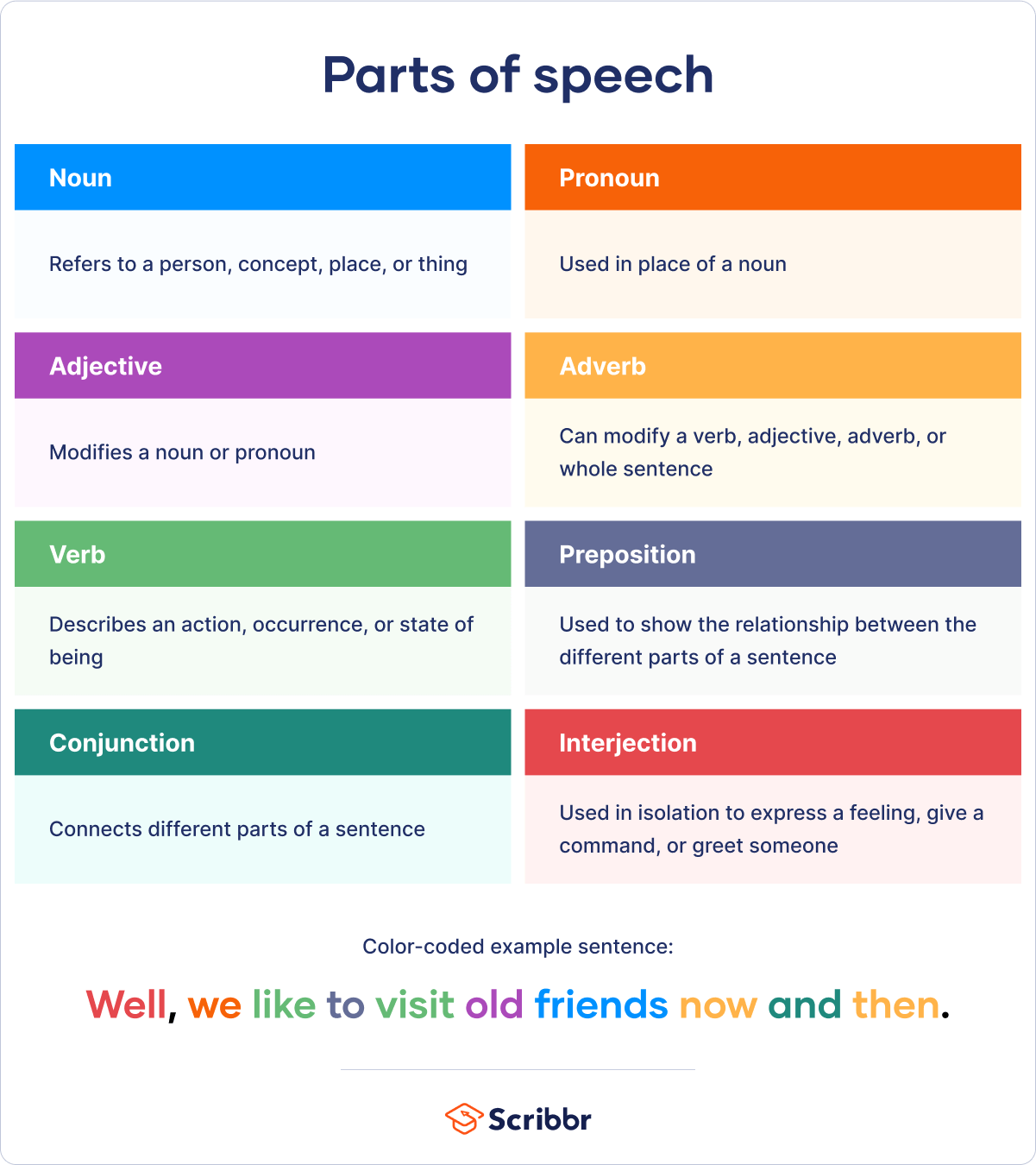
At its core, “and” is a coordinating conjunction. This means it serves to join words, phrases, or clauses that are of equal grammatical rank. Its primary function is to establish a relationship of addition or continuation, seamlessly linking two or more elements to create a more complex and informative whole.
Connecting Words and Phrases: The Building Blocks of Clarity
The most basic use of “and” is to connect individual words. In technical documentation, this might appear as:
- Listing Components: “The system requires a CPU and RAM.” Here, “and” links two distinct, but equally important, hardware components. In a user manual for a software application, this could be: “To install, you need a stable internet connection and sufficient disk space.” The clarity here is paramount; users need to know all required prerequisites.
- Describing Attributes: “The new software is fast and intuitive.” This describes two key benefits of the product. In marketing copy, such precise attribute pairing is essential for conveying value proposition. For instance, a gadget review might state: “The smartphone boasts a high-resolution camera and long battery life.”
- Linking Actions: “Users can sign up and log in.” This guides users through a process flow. In the context of app development, defining user actions with “and” ensures a logical progression. Imagine a tutorial for a design tool: “Select the shape and apply the desired color.”
When “and” connects phrases, it expands this connective power. Consider a technical specification: “The API supports both RESTful and GraphQL endpoints.” This clearly delineates the available communication protocols. In a product description, it might read: “Experience seamless multitasking and immersive entertainment.” The phrases are of equal weight, enhancing the overall descriptive capability.
Joining Independent Clauses: Structuring Complex Ideas
Beyond simple word and phrase connections, “and” is instrumental in linking independent clauses, creating compound sentences. This allows for the presentation of related ideas in a single, coherent statement.
- Sequential Events: “The system boots up, and the user interface loads.” This describes a sequence of operations. In the context of troubleshooting guides, such sequencing is vital for users to follow steps accurately.
- Complementary Information: “The device offers advanced security features, and it is designed for ease of use.” This presents two distinct but equally important aspects of a product. In a pitch deck, this structure can efficiently convey multifaceted benefits.
- Cause and Effect (Implicit): While not explicitly causal, “and” can imply a relationship where one clause follows logically from another. “The algorithm processes the data, and it generates insights.” The processing is a prerequisite for insight generation.
The strategic use of “and” in joining clauses can make technical explanations more digestible, avoiding the choppiness of short, disconnected sentences. It allows for a more natural flow of information, which is particularly beneficial in user-facing content where comprehension is key.
The Nuances of “And” in Technical Contexts
While the fundamental grammatical role of “and” remains consistent, its application in the tech world carries specific implications and requires careful consideration. Its seemingly straightforward nature can sometimes lead to ambiguity if not wielded with precision.
Precision in Requirements and Specifications
In technical documentation, such as software requirements or hardware specifications, “and” carries the weight of obligation. When a requirement states “The system must authenticate users and encrypt data,” it signifies that both conditions are mandatory. Omitting “and” or using a different conjunction could drastically alter the system’s intended functionality.
- Mandatory Conditions: Consider a cybersecurity policy: “All employees must complete mandatory training and adhere to password complexity rules.” This clearly outlines non-negotiable security protocols.
- Feature Bundles: In product descriptions, “and” can indicate bundled features: “This premium subscription includes access to all modules and priority support.” This sets clear expectations for what the user receives.
- System Interdependencies: Describing how different software components interact: “The database synchronizes with the application server and updates the user interface in real-time.” This illustrates crucial operational links.
The absence of “and” where it is implied can lead to misinterpretations, potentially resulting in costly development errors or user dissatisfaction. Conversely, its overuse or inappropriate placement can lead to verbose and confusing documentation.
Enhancing User Experience through Clear Instructions
The user experience (UX) of a digital product is heavily influenced by the clarity of its instructions and interface elements. “And” plays a subtle yet significant role in guiding users through digital journeys.
- Step-by-Step Guidance: In tutorials or onboarding flows, “and” helps delineate sequential steps that must be performed: “Click ‘Next’ and enter your email address.” This ensures users perform actions in the correct order.
- Option Selection: When presenting multiple choices, “and” can imply that multiple selections are possible or that two distinct actions can be performed: “You can save your work and share it with collaborators.”
- Navigational Clarity: In menu structures or feature descriptions, “and” can connect related functionalities: “Access your profile and manage your settings from this dashboard.”
The effective use of “and” in UX copywriting contributes to a more intuitive and less frustrating user journey. It helps users understand what to do, what options are available, and how different features relate to each other, thereby reducing cognitive load and increasing efficiency.
The Power of “And” in Marketing and Branding
In the competitive tech market, effective communication is paramount for attracting and retaining customers. “And” is a powerful tool in the marketer’s arsenal, helping to build compelling brand narratives and highlight product value.
- Value Proposition Amplification: “Our platform offers powerful analytics and intuitive design.” This concise statement combines two key selling points, creating a strong impression of comprehensive utility.
- Feature-Benefit Linking: “Streamline your workflow and boost your productivity.” This connects a functional outcome with a tangible benefit, resonating with customer needs.
- Brand Identity Reinforcement: A brand might consistently use “and” to connect core values: “Innovation and user-centricity are at the heart of everything we do.” This repetition reinforces the brand’s identity.
When crafting marketing messages, the strategic placement of “and” can make a product sound more feature-rich, beneficial, and appealing. It allows for the efficient communication of multiple advantages without overwhelming the audience. This is crucial in an era where attention spans are short and competition is fierce.
Beyond the Basics: Advanced Applications and Considerations
While the core function of “and” is straightforward, its effective deployment in the tech sphere often requires a deeper understanding of its implications.
Conjunctions and Logical Operations in Code
In programming, the concept of “and” translates directly to logical operators. The AND operator is fundamental in conditional statements, Boolean logic, and database queries.
- Conditional Statements:
if (userLoggedIn AND isAdmin)– This condition is only true if bothuserLoggedInandisAdminevaluate to true. This is essential for controlling program flow and access permissions. - Database Queries:
SELECT * FROM products WHERE price > 100 AND category = 'electronics'– This query retrieves products that satisfy both conditions. Precision in such queries is critical for data retrieval accuracy. - Data Filtering and Analysis: In data science, “and” is implicitly used when filtering datasets based on multiple criteria. For instance, analyzing user behavior might involve looking at users who “signed up and made a purchase.”
Understanding the logical equivalence of “and” in natural language and its programmatic implementation is vital for developers and data analysts to build robust and accurate systems. Misinterpreting the logical “and” can lead to flawed algorithms and incorrect data processing.
The Role of “And” in Search Engine Optimization (SEO) and Information Retrieval
In the realm of online information, how terms are connected directly impacts search engine results and the ease with which users find relevant content.
- Keyword Combinations: When users search for “cloud computing and cybersecurity,” they are looking for information that encompasses both topics. SEO professionals optimize content to include such logically connected keywords to match user intent.
- Boolean Search Operators: Search engines often support Boolean operators, where “AND” (or its equivalent) can be used to refine search queries. For example,
artificial intelligence AND ethicswill yield results that explicitly contain both terms. - Content Structure: Structuring articles and web pages with headings and subheadings that logically connect ideas using “and” can improve readability and signal relevance to search engine crawlers. For example, an article titled “AI Trends and Their Ethical Implications” clearly outlines the scope of the content.
The strategic use of “and” in online content creation and search query formulation is key to improving discoverability and ensuring that information is presented in a way that aligns with user needs and search engine algorithms.

Avoiding Ambiguity: The Pitfalls of “And”
Despite its utility, “and” can sometimes lead to ambiguity if not used carefully, especially in technical contexts where precision is paramount.
- The Ambiguous “And”: Sometimes, “and” can imply different relationships. For example, “We offer technical support and repair services.” Does this mean support and repairs are separate services, or that support is provided during repairs? Clarification might be needed.
- Or vs. And: A common error is to confuse “and” with “or.” If a system requires “a password or a fingerprint scan,” it means either one is sufficient. Using “and” here would imply both are mandatory, leading to incorrect system design.
- Cumulative vs. Coordinate “And”: While less common in everyday speech, the distinction between “and” that joins equally important items (coordinating) and “and” that links a more specific description to a general noun (sometimes seen as cumulative, though grammatically still coordinating) can be a source of subtle confusion. In tech writing, the focus is almost always on the coordinating function.
To mitigate ambiguity, technical writers often employ clearer phrasing, use bullet points for distinct items, or explicitly state the relationship being conveyed. For instance, instead of “The system has feature A and feature B,” one might write, “The system includes both feature A and feature B,” or “The system offers feature A; it also includes feature B.”
In conclusion, the word “and,” a fundamental coordinating conjunction, is far more than a simple grammatical connector. Within the tech industry, its precise application is a cornerstone of clear communication, efficient design, and effective marketing. From specifying mandatory requirements and guiding user journeys to amplifying brand value and forming the basis of logical operations in code, “and” is a powerful tool that, when wielded with understanding and care, contributes significantly to the creation of comprehensible, functional, and successful digital products and experiences. Mastering its usage is not merely an exercise in grammar, but a strategic imperative for anyone navigating the complexities of the technological landscape.
aViewFromTheCave is a participant in the Amazon Services LLC Associates Program, an affiliate advertising program designed to provide a means for sites to earn advertising fees by advertising and linking to Amazon.com. Amazon, the Amazon logo, AmazonSupply, and the AmazonSupply logo are trademarks of Amazon.com, Inc. or its affiliates. As an Amazon Associate we earn affiliate commissions from qualifying purchases.