
The quest for sun protection has intersected with environmental stewardship, giving rise to the “reef-safe” sunscreen movement. For brands in the beauty and personal care industry, this isn’t merely a trend; it’s a complex branding challenge and opportunity. Understanding what truly makes a sunscreen “reef-safe” is crucial for brands aiming to connect with an increasingly conscious consumer, build trust, and navigate the evolving regulatory landscape. This article delves into the brand-centric considerations that define and differentiate reef-safe sunscreens in the marketplace.
The Evolving Definition of “Reef Safe”: From Marketing Buzzword to Brand Imperative
Once a niche concern, the impact of sunscreens on marine ecosystems has become a mainstream topic, directly influencing consumer purchasing decisions. Brands that have successfully integrated “reef-safe” into their identity have done so by moving beyond superficial claims to a deeper understanding of the scientific and ethical underpinnings.
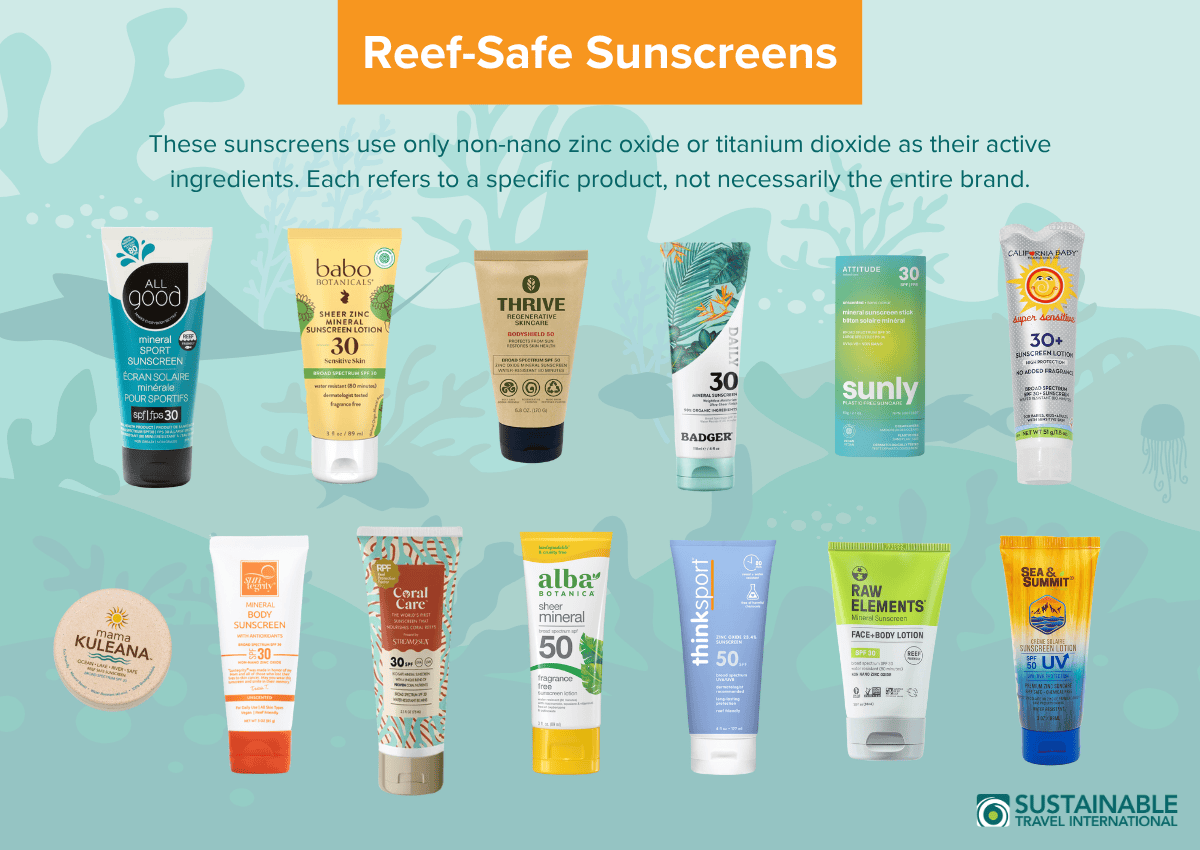
Navigating the Ingredient Landscape: Transparency as a Brand Pillar
The most direct pathway to “reef-safe” branding lies in ingredient selection. Historically, concerns have centered on chemical UV filters like oxybenzone and octinoxate, which studies have linked to coral bleaching and other forms of reef damage. For brands, this necessitates a meticulous review and reformulation process.
- Mineral Filters as a Differentiating Factor: Brands often highlight their reliance on mineral UV filters, such as zinc oxide and titanium dioxide. However, the narrative isn’t just about which mineral filters are used, but how. The development of non-nano particle sizes is a significant branding differentiator. Brands invest in research and development to ensure their mineral ingredients are not only effective but also demonstrably less likely to be ingested by marine organisms or contribute to sediment buildup. This commitment to advanced formulation becomes a key part of the brand’s story and scientific credibility.
- Beyond UV Filters: The Full Formulation Audit: A truly reef-safe brand recognizes that other ingredients can also have environmental impacts. This includes preservatives, emulsifiers, and fragrance components. Brands are increasingly undertaking comprehensive audits of their entire ingredient list, looking for biodegradable alternatives and avoiding ingredients that pose potential risks to aquatic life, even if not directly linked to coral damage. This thoroughness signals a deeper commitment to environmental responsibility, building a reputation for integrity.
- Certification and Third-Party Validation: To substantiate their claims and build consumer confidence, brands are increasingly seeking third-party certifications. While a universally recognized “reef-safe” certification is still developing, organizations like the Environmental Working Group (EWG) provide ratings and guidelines that brands can leverage. Obtaining certifications from reputable bodies that assess ingredient safety and environmental impact can transform a vague claim into a verifiable brand attribute.
Communicating “Reef Safe”: Authenticity in Marketing and Messaging
The challenge for brands isn’t just in being reef-safe, but in effectively communicating it to consumers without falling into the trap of greenwashing. Authenticity is paramount.
- Storytelling and Brand Narrative: Reef-safe brands often weave their commitment to ocean health into their overarching brand narrative. This can involve highlighting partnerships with marine conservation organizations, supporting research initiatives, or sharing the personal stories behind the brand’s commitment. These narratives resonate with consumers who are looking for brands that align with their values, fostering a deeper emotional connection.
- Educational Marketing: Instead of simply stating “reef-safe,” leading brands educate their audience. This can take the form of blog posts, social media content, or even packaging information that explains why certain ingredients are avoided and what makes their formulation preferable for marine ecosystems. This educational approach positions the brand as a knowledgeable authority and empowers consumers to make informed choices, thereby building loyalty.
- Visual Branding and Packaging: The visual elements of a brand are critical in conveying its message. Brands associated with reef-safe products often employ imagery that evokes pristine oceans, marine life, and natural beauty. Their packaging may feature minimalist designs, eco-friendly materials, and clear, concise labeling that highlights key reef-safe attributes. The aesthetic itself becomes a signal of the brand’s commitment to nature and sustainability.
The Business Case for Reef-Safe Branding: Market Differentiation and Consumer Loyalty
The shift towards reef-safe sunscreens represents a significant market opportunity. Brands that proactively embrace this evolution are not only contributing to environmental protection but also positioning themselves for long-term success.
Capturing the Conscious Consumer Market

The demographic of the “conscious consumer” is growing and wielding considerable purchasing power. This segment actively seeks out brands that demonstrate a commitment to sustainability, ethical sourcing, and environmental responsibility.
- Targeted Marketing and Segmentation: Brands can effectively target this demographic through tailored marketing campaigns that speak directly to their values. This involves understanding the specific concerns of eco-conscious consumers and framing the reef-safe aspect of their products as a solution to these concerns. Identifying and engaging with relevant online communities and influencers further amplifies this reach.
- Building Brand Equity Through Shared Values: By aligning their brand identity with environmental protection, companies can cultivate a strong sense of brand loyalty. Consumers are more likely to stick with a brand that reflects their own values and contributes positively to the world. This creates a powerful emotional bond that transcends price and product features, fostering a dedicated customer base.
- Premiumization and Perceived Value: In many cases, reef-safe formulations involve higher-quality, more sustainable ingredients and more rigorous testing. This can justify a premium price point, allowing brands to position their products as higher value and more sophisticated. Consumers are often willing to pay more for products they perceive as both effective and ethically produced.
Driving Innovation and Competitive Advantage
The pressure to develop truly reef-safe products is spurring innovation within the industry, creating a competitive edge for forward-thinking brands.
- Investment in R&D for Sustainable Formulations: Brands that prioritize reef-safety are investing heavily in research and development to discover and perfect new ingredient combinations and delivery systems. This can lead to proprietary formulations that become a significant competitive advantage, setting them apart from less innovative competitors.
- Anticipating Regulatory Changes and Consumer Demand: The regulatory landscape for sunscreens is constantly evolving, with some regions already implementing bans on certain chemical UV filters. Brands that are ahead of the curve in developing reef-safe options are better positioned to adapt to these changes and maintain market access. Proactively meeting and exceeding consumer expectations also insulates brands from future disruptions.
- Positive Public Relations and Brand Reputation: A genuine commitment to reef-safe practices can generate significant positive public relations. Brands that are recognized for their environmental responsibility often garner positive media attention and word-of-mouth recommendations, further solidifying their reputation as leaders in their field. This positive association can offset potential negative publicity or market challenges.
The Future of Reef-Safe Branding: Transparency, Education, and Global Standards
The journey towards truly reef-safe sunscreens is ongoing. For brands, this means a continuous commitment to innovation, transparency, and consumer education. The future will likely see a greater emphasis on standardized definitions, robust scientific validation, and a deeper integration of environmental responsibility into core brand strategy.
The Quest for Universal Standards and Certifications
The lack of a single, globally recognized standard for “reef-safe” can create confusion for both consumers and brands. Brands that are committed to the highest standards are actively involved in or closely follow discussions around developing such benchmarks.
- Industry Collaboration and Advocacy: Leading brands are participating in industry collaborations and advocating for science-based regulations. This involvement ensures that branding claims are grounded in verifiable facts and contribute to a more transparent marketplace. By working towards common goals, brands can elevate the entire sector.
- Leveraging Scientific Research for Brand Credibility: Brands that actively fund or cite peer-reviewed scientific research in their marketing materials lend significant credibility to their reef-safe claims. This demonstrates a commitment to evidence-based practices and positions the brand as a trusted source of information.
- Consumer Education as a Brand Responsibility: As the science evolves, brands have a responsibility to keep consumers informed. This means clearly communicating the nuances of reef-safe formulations and avoiding simplistic or misleading statements. Empowering consumers with knowledge builds trust and fosters a sense of partnership in environmental protection.
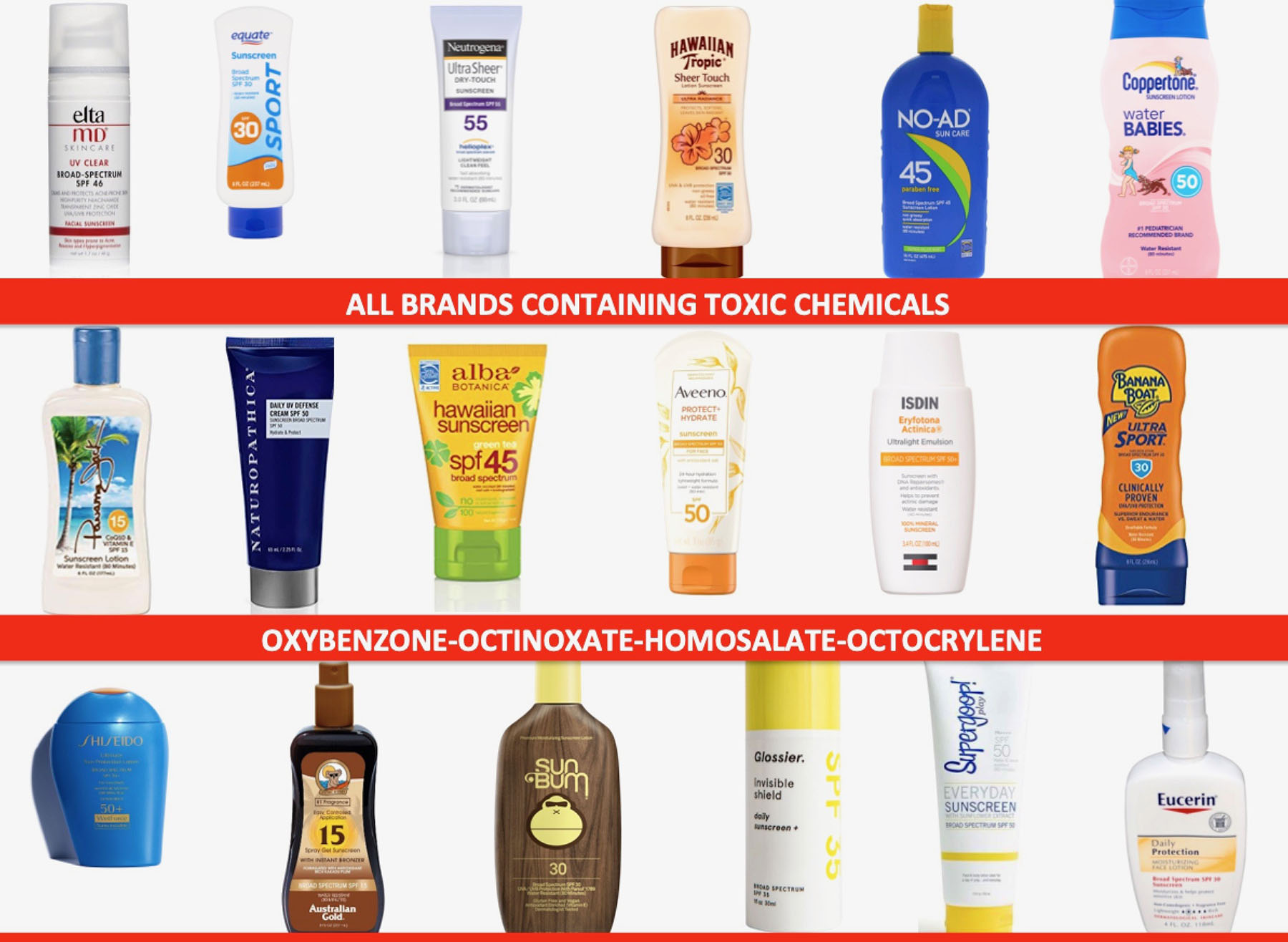
Embracing a Holistic Approach to Sustainability
Beyond the product itself, brands are increasingly expected to demonstrate a holistic commitment to sustainability that extends throughout their operations.
- Sustainable Packaging and Supply Chains: The packaging of reef-safe sunscreens is becoming as important as the formulation. Brands are exploring biodegradable, recyclable, and refillable packaging options. Furthermore, scrutinizing the entire supply chain for environmental impact, from raw material sourcing to manufacturing processes, reinforces the brand’s commitment.
- Corporate Social Responsibility Initiatives: Beyond product development, brands are aligning themselves with broader corporate social responsibility (CSR) initiatives related to ocean conservation. This can include donating a portion of profits to marine conservation efforts, organizing beach clean-ups, or supporting educational programs. These actions solidify the brand’s dedication to environmental stewardship.
- Transparency in Reporting and Impact Measurement: The most credible reef-safe brands will increasingly adopt transparent reporting practices. This involves clearly communicating their environmental footprint, the progress they are making, and the challenges they face. This level of accountability builds trust and demonstrates a genuine commitment to continuous improvement, reinforcing the brand’s long-term value proposition.