
Spain, a nation steeped in history and vibrant culture, presents a fascinating case study in linguistic diversity. Beyond the universally recognized Spanish, a rich tapestry of regional languages weaves through its identity, shaping its cultural narrative, influencing its international perception, and presenting unique opportunities and challenges for branding and marketing initiatives. Understanding this linguistic mosaic is not merely an academic pursuit; it’s a strategic imperative for anyone seeking to engage with Spain on a meaningful level, whether as a tourist, a business, or a cultural observer. This exploration delves into the nuanced relationship between language, identity, and branding in Spain.
The Lingua Franca and Its Deep Roots: Castilian Spanish as a National Brand
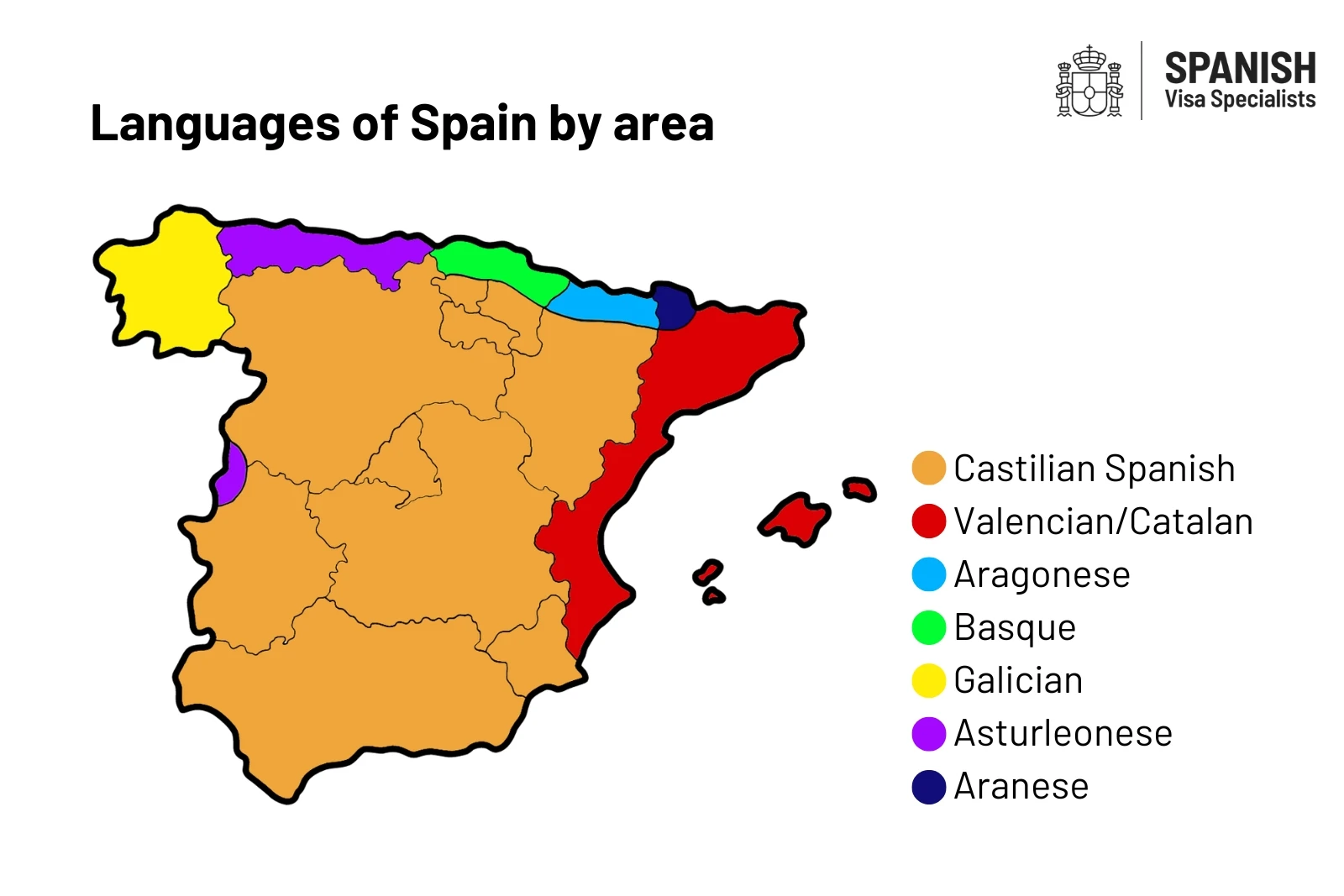
While Spain is officially a multilingual nation, Castilian Spanish, or español, serves as the primary and official language recognized by the constitution throughout the entire country. This widespread adoption has cemented its position as the nation’s dominant linguistic brand, the primary vehicle through which Spain communicates its identity to the world.
The Historical Genesis of Castilian Spanish
The ascendancy of Castilian Spanish is intrinsically linked to the Reconquista and the subsequent unification of Spain under Catholic monarchs. Originating in the Kingdom of Castile, its influence spread southward as Christian kingdoms gradually reclaimed territories from Muslim rule. This historical trajectory endowed Castilian Spanish with a certain prestige, making it the language of administration, law, and high culture across a vast and expanding territory. For centuries, it has been the language of diplomacy, literature, and the arts, forging a powerful and enduring global brand.
Castilian Spanish in Global Branding and Cultural Export
The global reach of Castilian Spanish is undeniable. It is the second most spoken native language in the world, a testament to its historical impact and the enduring appeal of Spanish culture. This linguistic ubiquity translates directly into branding advantages. Spanish literature, film, music, and cuisine, all largely disseminated through Castilian Spanish, have achieved international acclaim, contributing to a powerful and attractive “Spain” brand. Think of the global phenomenon of Spanish cinema, the captivating rhythms of flamenco, or the delectable allure of tapas – these cultural exports are intrinsically linked to the language that carries them. For businesses looking to tap into the Hispanic market, or indeed any market receptive to Spanish culture, fluency in Castilian Spanish is often a prerequisite for authentic engagement and effective brand messaging.
The Nuances of Regional Dialects and Their Impact
While Castilian Spanish is the unifying language, it’s crucial to acknowledge the significant regional variations and accents that exist. These subtle differences, while often mutually intelligible, contribute to a richer linguistic landscape and can impact how a brand is perceived locally. A marketing campaign designed for Andalusia might subtly adapt its linguistic nuances compared to one targeting Galicia. Understanding these local flavors allows for a more resonant and authentic connection with specific regional audiences, demonstrating a deeper respect for local identity, which is a powerful branding tool in itself.
Beyond Castilian: The Rich Tapestry of Co-Official Languages and Their Brand Power
Spain’s constitutional recognition of regional languages as co-official in their respective autonomous communities imbues these linguistic entities with significant cultural and, by extension, branding weight. These languages are not mere dialects; they are distinct linguistic systems with their own histories, literatures, and unique cultural associations, contributing to a multi-faceted national brand.
Catalan: A Language of Innovation and European Identity
Catalan, spoken in Catalonia, the Balearic Islands, and parts of Aragon and Valencia, is a Romance language with a distinct identity. Its historical role as a language of trade and administration, particularly during the medieval period, has lent it an air of sophistication and commercial prowess. In modern times, Catalonia’s strong economic standing and its positioning as a gateway to Southern Europe have further amplified the perception of Catalan as a language of innovation, dynamism, and European connection.
For businesses and organizations operating within or targeting Catalonia, embracing Catalan is not just a matter of compliance; it’s a strategic branding decision. It signals an understanding and respect for local identity, fostering goodwill and facilitating deeper engagement. Major companies and institutions in Catalonia often incorporate Catalan into their branding, from corporate communications to product labeling, reinforcing their local roots and appealing to a proud and distinct cultural demographic. The vibrant cultural output of Catalonia, from its renowned art scene to its innovative culinary landscape, is often expressed and amplified through Catalan, further enhancing its branding power.
Galician: A Language of Poetic Tradition and Atlantic Resilience

Galician, spoken in Galicia, shares roots with Portuguese and carries a rich tradition of lyric poetry and folklore. Its historical connections to the Camino de Santiago pilgrimage routes have also woven it into the broader narrative of Spanish and European identity. The language evokes a sense of heritage, a connection to the land and sea, and a resilient spirit.
For brands looking to connect with the distinct cultural identity of Galicia, incorporating Galician into their messaging can be highly effective. It resonates with a population that values its unique cultural heritage and linguistic distinctiveness. Furthermore, the poetic and artistic traditions associated with Galician can be leveraged to create evocative and memorable brand narratives, particularly in sectors like tourism, artisanal products, and cultural experiences. The subtle charm and historical depth associated with Galician can offer a unique selling proposition for brands seeking to differentiate themselves.
Basque: A Language of Ancient Roots and Unwavering Identity
Basque (Euskara) stands out as a linguistic enigma, a language isolate unrelated to any other known living language. Its ancient origins and the fierce preservation efforts of its speakers have imbued it with a powerful sense of unique identity and historical continuity. The Basque Country is renowned for its strong sense of community, its culinary excellence, and its distinctive cultural traditions, all of which are deeply intertwined with the Basque language.
For brands aiming to establish a genuine connection within the Basque Country, engaging with Euskara is paramount. It demonstrates a profound respect for a heritage that is fiercely protected and deeply cherished. Companies that integrate Basque into their operations and marketing efforts are often perceived as authentic, community-oriented, and deeply rooted in the region. The association of Basque culture with innovation, resilience, and a distinct, powerful identity can be a significant asset for branding. Think of the strong regional identity of Basque businesses and their commitment to quality and tradition – these are attributes that can be amplified by embracing the language that underpins this rich cultural fabric.
Leveraging Linguistic Diversity: Strategic Opportunities for Branding and Marketing
The multilingual landscape of Spain offers a wealth of strategic opportunities for businesses and organizations looking to enhance their brand presence and engage effectively with diverse audiences. Moving beyond a one-size-fits-all approach and embracing the nuances of regional languages can unlock deeper connections and foster more authentic brand narratives.
Hyper-Localization and Targeted Marketing Campaigns
The most direct application of understanding Spain’s linguistic diversity lies in hyper-localization. Instead of a single national marketing campaign, brands can develop tailored campaigns for specific regions, incorporating the co-official language of that area. This involves not only translation but also cultural adaptation, ensuring that messaging resonates with local values, humor, and historical context. For example, a tourism campaign for the Costa Brava might heavily feature Catalan, while a campaign promoting the Picos de Europa might utilize Spanish with subtle Galician influences. This approach demonstrates a nuanced understanding of the Spanish market and a commitment to building genuine relationships with regional communities.
Building Trust and Authenticity Through Language
In an era where consumers increasingly value authenticity and corporate social responsibility, embracing Spain’s linguistic heritage is a powerful branding strategy. By using regional languages in product labeling, customer service, and local advertising, companies can signal a deep respect for local culture and a commitment to inclusivity. This builds trust and fosters a sense of belonging among regional populations, enhancing brand loyalty. Brands that actively support linguistic preservation initiatives or partner with local cultural organizations further solidify their reputation as responsible and culturally sensitive entities.
Enhancing the “Made in Spain” Brand with Regional Nuance
The “Made in Spain” label carries with it connotations of quality, craftsmanship, and vibrant culture. By acknowledging and integrating the linguistic diversity of Spain into its branding, the overall perception of “Made in Spain” can be enriched. Imagine a gourmet food product that proudly displays its origin in the Basque Country with prominent Euskara alongside Spanish. This adds layers of authenticity and regional pride, appealing to consumers who appreciate distinct culinary traditions and unique cultural identities. This nuanced approach allows brands to tap into the specific strengths and appeal of each region, contributing to a more robust and multifaceted national brand.

Navigating the Digital Landscape: Multilingual Websites and Content
In the digital age, language is a critical component of online presence. Businesses and organizations operating in Spain must consider offering their websites, social media content, and customer support in both Castilian Spanish and the relevant co-official languages. This not only improves user experience but also signals a commitment to serving diverse linguistic communities. Search engine optimization (SEO) strategies should also consider regional language keywords to capture local search traffic. Effectively managing multilingual digital content is no longer a niche requirement but a fundamental aspect of successful branding in Spain.
In conclusion, the linguistic landscape of Spain is far more than just a collection of languages; it is a vital component of its cultural identity and a powerful asset for branding and marketing. By understanding and strategically leveraging the nuances of Castilian Spanish and its co-official counterparts, businesses and organizations can forge deeper connections, build stronger brands, and authentically engage with the diverse and vibrant spirit of Spain.
aViewFromTheCave is a participant in the Amazon Services LLC Associates Program, an affiliate advertising program designed to provide a means for sites to earn advertising fees by advertising and linking to Amazon.com. Amazon, the Amazon logo, AmazonSupply, and the AmazonSupply logo are trademarks of Amazon.com, Inc. or its affiliates. As an Amazon Associate we earn affiliate commissions from qualifying purchases.