
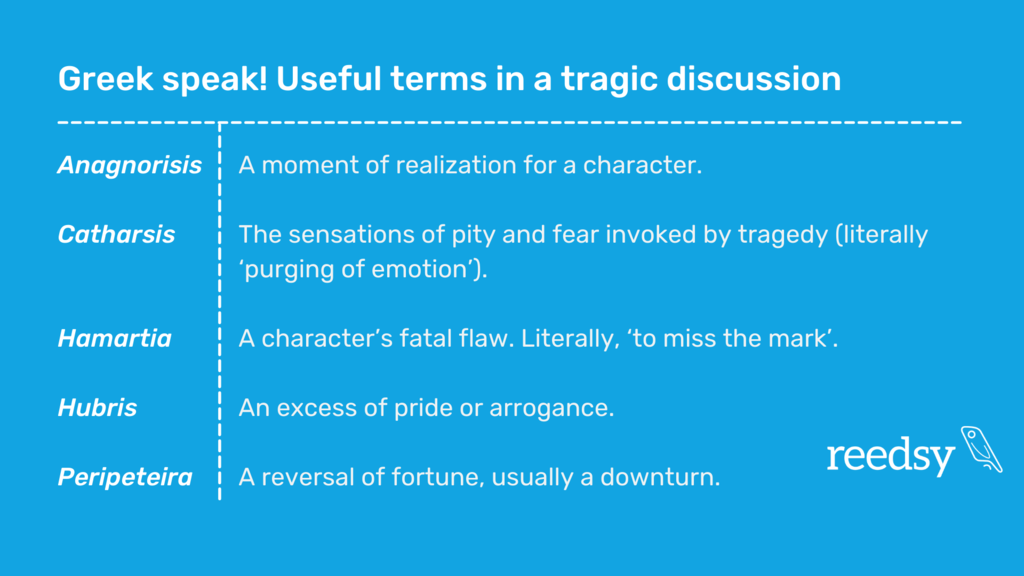
In the realm of technology, the concept of a “tragic figure” might not immediately spring to mind in the same way it does in literature or drama. Yet, within the fast-paced, ever-evolving landscape of the tech industry, we can observe analogous patterns of ambition, hubris, downfall, and ultimately, a profound, often unintended, consequence that shapes our digital existence. These aren’t characters in a play, but rather the architects of transformative technologies, the companies that once dominated, and the very tools we rely upon, which, through their inherent design or unforeseen applications, have become agents of significant, sometimes detrimental, impact. Understanding these tech “tragic figures” offers crucial insights into the nature of innovation, the ethics of development, and the delicate balance between progress and peril.
The Architects of Ambition: Visionaries and Their Unforeseen Consequences
At the heart of many technological leaps are individuals with audacious visions. These are the innovators who see possibilities where others see limitations, the entrepreneurs who pour their lives into bringing a nascent idea to market. Their ambition is often the driving force behind groundbreaking advancements, pushing the boundaries of what’s considered possible. However, this very drive, when unchecked or when dealing with forces beyond their complete control, can lead to a tragic trajectory.
The Allure of Disruption and the Shadow of Unintended Consequences
The narrative of the tech visionary is often one of disruptive innovation. They aim to upend existing industries, to democratize access to information or services, and to fundamentally alter how we live, work, and interact. The early days of companies like Facebook, Google, or even the pioneers of social media, were fueled by this potent mix of ambition and a genuine desire to connect the world. The initial promise was one of empowerment and unprecedented connectivity.
However, the very platforms designed to foster connection can, when scaled to billions of users, amplify societal divisions, facilitate the spread of misinformation, and create echo chambers that polarize populations. The algorithms, initially conceived to personalize user experience, can evolve into sophisticated engines of addiction and engagement, prioritizing time spent over well-being. The tragedy here lies not in the malicious intent of the architects, but in the unforeseen ripple effects of technologies designed with a singular, often optimistic, focus, which then become powerful forces shaping human behavior and societal discourse in ways they never fully anticipated or intended. The tools of connection, when wielded without a comprehensive understanding of their psychological and social impacts, can ironically lead to isolation and division.
The Siren Song of Growth and the Sacrifice of Principles
Another common thread in the tech tragic figure narrative is the relentless pursuit of growth. In an industry where valuation and market share are paramount, the pressure to scale, acquire users, and generate revenue can become all-consuming. This can lead to compromises in ethical considerations or a gradual erosion of core principles that were once held dear.
Consider the evolution of data privacy. In the early days, user data was often seen as a necessary evil to fuel innovation and improve services. The ethical implications of its collection and use were less understood, or perhaps intentionally downplayed, in the rush to establish dominance. As the scale of data collection grew exponentially, so too did the potential for misuse and exploitation. Companies that once championed user empowerment might find themselves entangled in scandals related to data breaches, surveillance, or manipulative advertising practices. The tragedy is the loss of trust, the realization that the initial vision of a user-centric platform has been perverted by the insatiable demands of capital and scale, leading to a situation where the very users they aimed to serve are now viewed primarily as data points to be monetized. This descent from an ideal to a compromised reality is a hallmark of the tech tragic figure.
The Titans of Industry: Empires Built and Their Inevitable Cracks
Beyond individual visionaries, entire companies can embody the archetype of the tragic figure. These are the giants that once defined an era, whose products were ubiquitous, and whose influence seemed unassailable. Their stories often involve immense success followed by a gradual, or sometimes abrupt, decline, often brought about by their own internal dynamics or their inability to adapt to a changing landscape.
The Inertia of Success and the Fear of Disruption

When a company achieves monumental success, it can become a prisoner of its own achievements. The established systems, the ingrained culture, and the fear of jeopardizing existing revenue streams can create a powerful inertia that resists change. This is particularly dangerous in the tech sector, where the pace of innovation is relentless.
Think of companies that once dominated specific market segments, only to be outmaneuvered by agile startups with fresh perspectives. The classic example is Blockbuster’s failure to embrace streaming services, clinging to its brick-and-mortar model. While not purely a tech company in the same vein as a software giant, its reliance on outdated technology and business models makes it a potent analogy. In the software and hardware world, we see similar patterns: companies that refuse to adapt their operating systems, their hardware designs, or their software architectures, only to watch competitors with more flexible and forward-thinking approaches gain the upper hand. The tragedy lies in the hubris of believing that past success guarantees future relevance, leading to a slow, almost imperceptible, obsolescence.
The Bureaucratic Embrace and the Loss of Agility
As tech companies grow, they inevitably become more complex. Layers of management, internal politics, and standardized processes, while necessary for scale, can stifle the very creativity and agility that led to their initial success. The once-nimble startup transforms into a lumbering bureaucracy, struggling to respond to emerging trends or to internalize groundbreaking innovations.
This bureaucratic embrace can lead to a tragic disconnect between the company’s leadership and the cutting edge of technological development. Decisions become slow, risk-averse, and often guided by committees rather than bold intuition. The passionate engineers and developers, who once felt empowered to experiment and innovate, can become disillusioned, their groundbreaking ideas lost in the labyrinthine approval processes. The tragedy here is the institutionalization of mediocrity, the slow death of innovation from within, as the very structures designed to manage success inadvertently suffocate the spirit of discovery. The company, once a beacon of progress, becomes a testament to the dangers of over-institutionalization in a field that thrives on perpetual reinvention.
The Tools Themselves: Innovations with Double-Edged Swords
Finally, even the technological tools themselves can be viewed through the lens of the tragic figure. These are not sentient beings, but rather the products of human ingenuity that, once unleashed, develop a life of their own, exhibiting characteristics that lead to both immense benefit and profound harm.
The Double-Edged Nature of Algorithmic Power
Algorithms are the invisible architects of much of our digital experience. They power our search results, curate our social media feeds, and even influence our purchasing decisions. Their ability to process vast amounts of data and identify patterns is a testament to human ingenuity, offering unprecedented efficiency and personalization.
However, the very power of these algorithms can be their undoing, and ours. When designed to maximize engagement, they can inadvertently create addictive feedback loops, leading to excessive screen time and mental health challenges. When trained on biased data, they can perpetuate and amplify existing societal inequalities in areas like hiring, lending, or even criminal justice. The tragedy is that these sophisticated tools, born from a desire to optimize and improve, can become instruments of manipulation, discrimination, and societal fragmentation. Their efficiency, when misapplied or unchecked, can lead to outcomes that are antithetical to human flourishing. The quest for optimization becomes a tragic pursuit, leading to unforeseen and detrimental consequences for the users they are meant to serve.

The Pervasiveness of Surveillance and the Erosion of Privacy
The proliferation of smart devices, the ubiquity of cloud computing, and the increasing interconnectivity of our lives have created an unprecedented environment for data collection. While this data can be used to power incredibly useful services and to advance scientific research, it also opens the door to pervasive surveillance and the erosion of personal privacy.
Consider the unintended consequences of the “Internet of Things.” A network of devices designed for convenience and efficiency can, in aggregate, create a comprehensive digital footprint of our lives, accessible to corporations and potentially governments. The tragedy lies in the Faustian bargain we often strike: trading our privacy for convenience. The very technologies that promise to simplify our lives can become instruments of constant monitoring, where our habits, preferences, and even our intimate conversations are cataloged and analyzed. The pursuit of a more connected and convenient world, when not balanced with robust privacy protections and ethical considerations, can lead to a dystopian future where individual autonomy is constantly under threat. The tool, initially designed to serve, becomes a silent observer, its ubiquity a source of unease rather than comfort.
In conclusion, the concept of a tragic figure in technology offers a valuable framework for understanding the complexities and potential pitfalls of innovation. By recognizing the patterns of ambition, hubris, unintended consequences, and the inherent double-edged nature of our digital tools, we can foster a more responsible and ethical approach to technological development. It calls for a critical examination of our own relationship with technology, urging us to move beyond mere adoption and towards a conscious engagement with the forces shaping our digital lives. The true tragedy would be to continue blindly innovating without learning from the ghosts of technological past, ensuring that future advancements serve humanity rather than undermine it.
aViewFromTheCave is a participant in the Amazon Services LLC Associates Program, an affiliate advertising program designed to provide a means for sites to earn advertising fees by advertising and linking to Amazon.com. Amazon, the Amazon logo, AmazonSupply, and the AmazonSupply logo are trademarks of Amazon.com, Inc. or its affiliates. As an Amazon Associate we earn affiliate commissions from qualifying purchases.