
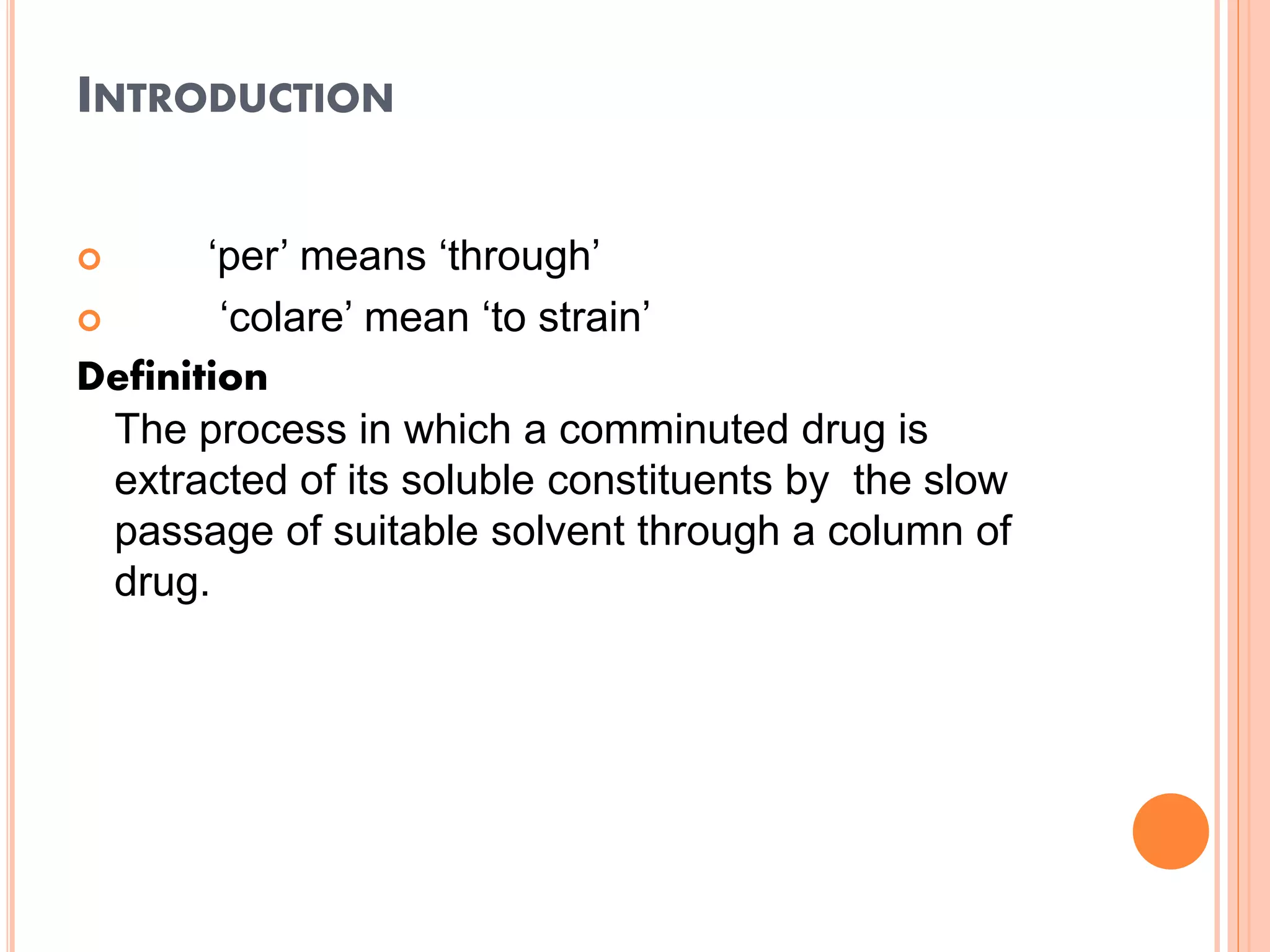
The concept of percolation, while originating from geological and physical sciences, holds profound and increasingly relevant implications within the realm of technology. In its simplest form, percolation describes the movement of a fluid through a porous medium. Imagine water seeping through soil, or oil flowing through rock formations. This fundamental principle, however, extends far beyond the natural world, finding parallel and critical applications in how information, data, and even influence “flow” through digital networks and systems.
Within the technological landscape, percolation isn’t about physical fluids and porous rocks, but rather about the traversal and propagation of elements within complex digital structures. It’s about understanding how a signal, a piece of data, a software update, or even a new trend can spread or become blocked within a networked environment. This understanding is crucial for designing robust systems, optimizing information dissemination, and even for predicting the behavior of digital phenomena. From the way data packets navigate the internet to how vulnerabilities spread through software, percolation theory provides a powerful lens through which to analyze and engineer our digital world.
Percolation in Digital Networks
At its core, percolation theory in technology focuses on the connectivity and flow within abstract networks. These networks can represent a multitude of digital entities, from the physical infrastructure of the internet to the logical relationships between software components. Understanding how “percolation” occurs in these digital contexts allows us to design more resilient, efficient, and secure technological systems.
The Structure of Digital Networks
Digital networks are not uniform entities. They are characterized by their topology – the way nodes (representing devices, servers, users, or software modules) are interconnected by links (representing communication channels, data pathways, or functional dependencies). The nature of these connections, whether dense or sparse, random or structured, has a significant impact on how information or any “fluid” can traverse the network.
For instance, the internet itself is a vast, complex network where routers and servers are nodes, and the connections between them are communication links. The efficiency of data transfer, the likelihood of a distributed denial-of-service (DDoS) attack overwhelming a target, or the speed at which a software patch can be deployed across millions of devices are all influenced by the network’s percolation properties. A highly interconnected network might allow for rapid information spread but could also be vulnerable to cascading failures. Conversely, a more fragmented network might be more resilient to localized disruptions but could suffer from slower information propagation.
Critical Phenomena in Network Percolation
A key insight from percolation theory is the existence of a “critical point.” In physical percolation, this point signifies the threshold at which a continuous path for the fluid to flow through the entire medium emerges. In digital networks, this translates to thresholds in connectivity. For example, in a social network represented as a graph, if the density of connections exceeds a certain critical threshold, a user can potentially reach a significant portion of the network.
This critical phenomenon is highly relevant in areas like viral marketing campaigns (how quickly can an idea spread to a substantial audience?), epidemic modeling within populations connected digitally, and the robustness of distributed systems. If a network’s connectivity is below the critical threshold, a message or a connection might remain localized, unable to reach a broad audience or cause a widespread system failure. Conversely, exceeding this threshold can lead to rapid, almost instantaneous, widespread propagation, which can be both beneficial (e.g., rapid dissemination of critical information) and detrimental (e.g., the swift spread of malware). Identifying and understanding these critical thresholds is paramount for predicting and controlling behavior within digital systems.
Percolation in Software and Systems
Beyond the macroscopic view of network connectivity, percolation principles also apply to the intricate workings of individual software applications and complex technological systems. Here, the “fluid” can represent bugs, vulnerabilities, data, or even execution control, and the “porous medium” is the software’s architecture, code dependencies, or the underlying hardware.
Spread of Software Vulnerabilities and Bugs
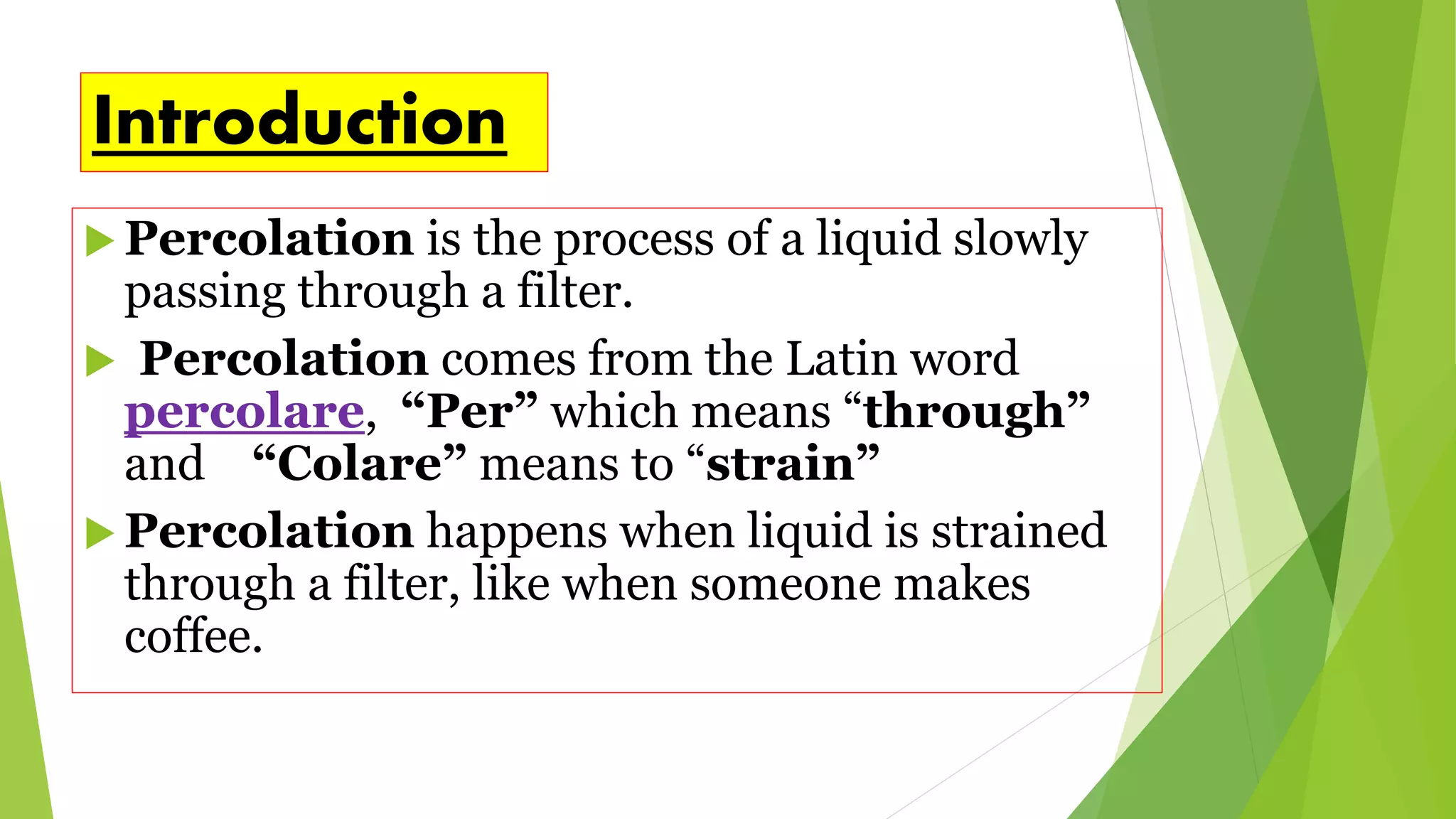
One of the most critical applications of percolation in software is understanding how vulnerabilities and bugs can propagate. A vulnerability in a single module of a large software system might appear benign in isolation. However, if that module is interconnected with other modules, or if it’s part of a widely deployed software package, the vulnerability can effectively “percolate” through the system. This can lead to a widespread security breach, data corruption, or system instability.
Percolation theory helps model how an initial exploit or bug can cascade through different layers of software, libraries, and even networked services. Security researchers and developers use these models to predict potential attack vectors, prioritize patching efforts, and design more secure software architectures. For instance, understanding how a buffer overflow in one component could lead to unauthorized access to sensitive data in another, or how a flaw in a core library could impact countless applications that depend on it, is a direct application of percolation principles. The goal is often to identify and plug the “pores” that allow these detrimental elements to spread.
Data Flow and Information Propagation
The movement of data within complex software systems is another area where percolation is a useful analogy. Consider a large-scale data processing pipeline or a distributed database. Data needs to flow efficiently between different components for processing, analysis, and storage. Percolation theory can help model and optimize this flow, ensuring that data reaches its intended destinations without bottlenecks or loss.
Furthermore, in areas like artificial intelligence and machine learning, the “information” being processed can be seen as percolating through neural networks. The connections between neurons, their activation patterns, and the weights assigned to them all contribute to how information is transformed and propagated. Understanding the percolation dynamics of information in these models can lead to more efficient training, better generalization capabilities, and the identification of critical pathways for learning. The way features are learned and combined in a deep learning model can be seen as a form of percolation, where initial low-level features combine and “percolate” upwards to form more complex representations.
Advanced Applications and Future Directions
The application of percolation theory in technology is not static; it continues to evolve with the increasing complexity and interconnectedness of our digital infrastructure. As we push the boundaries of computing and networking, new challenges and opportunities arise, where percolation concepts will undoubtedly play an even more significant role.
Resilient and Self-Healing Systems
A major focus in modern technology is the development of resilient and self-healing systems. These are systems designed to withstand failures, adapt to changing conditions, and automatically recover from disruptions. Percolation theory is instrumental in this endeavor. By understanding how failures percolate through a system, engineers can design redundant pathways, implement dynamic re-routing mechanisms, and develop intelligent agents that can isolate damaged components and reroute critical functions.
For example, in the context of cloud computing, if a server or a data center experiences an outage, percolation models can help predict the impact on dependent services and guide the automatic migration of workloads to healthy infrastructure. This ensures minimal disruption to end-users and maintains the overall availability of the service. The ability for a system to “heal” or reconfigure itself in the face of faults is directly linked to understanding and controlling the percolation of damage and the subsequent flow of recovery operations.

Security and Trust in Digital Ecosystems
The security of digital ecosystems, from individual devices to global networks, is inextricably linked to percolation phenomena. As mentioned earlier, vulnerabilities can spread like a fluid through porous software. However, percolation also offers insights into building more secure systems. By strategically designing networks and software architectures, we can create “impenetrable” barriers that prevent malicious elements from percolating.
This involves understanding the critical connectivity required for a threat to become widespread and then deliberately designing systems that operate below this critical threshold. Techniques like network segmentation, access control lists, and robust authentication protocols can be viewed as ways to introduce “obstacles” or “blockages” that impede the percolation of unauthorized access or malicious code. Furthermore, as we move towards decentralized technologies like blockchain, understanding how information and trust percolate through distributed ledgers is crucial for ensuring their security and integrity. The concept of a secure network where a malicious actor cannot reach a majority of nodes, thus preventing the alteration of records, is a direct application of percolation principles.
In conclusion, while the term “percolation” might conjure images of passive physical processes, its application in technology is dynamic and essential. It provides a fundamental framework for understanding how elements flow, spread, or get blocked within digital structures. From the architecture of the internet to the inner workings of software, and from the propagation of vulnerabilities to the design of resilient systems, percolation theory offers invaluable insights that shape the digital world we inhabit and the technologies we rely upon. As our digital landscape continues to expand and evolve, a deeper understanding of percolation will be paramount for innovation, security, and the creation of more robust and efficient technological solutions.
aViewFromTheCave is a participant in the Amazon Services LLC Associates Program, an affiliate advertising program designed to provide a means for sites to earn advertising fees by advertising and linking to Amazon.com. Amazon, the Amazon logo, AmazonSupply, and the AmazonSupply logo are trademarks of Amazon.com, Inc. or its affiliates. As an Amazon Associate we earn affiliate commissions from qualifying purchases.