
The pursuit of a world record is a powerful motivator across many disciplines, from scientific discovery to athletic achievement. In the realm of strength athletics, specifically the deadlift, breaking the world record represents the pinnacle of human power, dedication, and physical conditioning. While the glory and recognition are immense, it’s also worth exploring the financial landscape surrounding these extraordinary feats. What is the deadlift world record, and what financial implications does holding such a title entail? This article delves into the monetary aspects that underpin the relentless drive to lift the heaviest weight ever recorded.

The Anatomy of a Record-Breaking Lift and its Financial Underpinnings
The deadlift, a fundamental movement in powerlifting and strongman competitions, involves lifting a loaded barbell from the floor to a standing position. It tests raw strength, grip, posterior chain power, and mental fortitude. While the mechanics of the lift are well-understood, the journey to achieving a world record is a multifaceted endeavor that requires significant financial investment.
The Athlete’s Investment: Time, Training, and Resources
The athlete who aims for a deadlift world record dedicates an inordinate amount of time and resources to their craft. This isn’t a casual pursuit; it’s a full-time commitment that often demands sacrifices in other areas of life.
Coaching and Programming: The Strategic Edge
Top-tier athletes rarely achieve world-class status without expert guidance. This includes hiring experienced coaches who can develop highly specialized training programs. These programs are meticulously designed to optimize strength gains, prevent injury, and peak the athlete’s performance for record attempts. Coaching fees can range from a few hundred to several thousand dollars per month, depending on the coach’s reputation and the level of personalized attention. This investment is crucial for ensuring that the training is not only effective but also sustainable, minimizing the risk of career-ending injuries.
Nutrition and Supplementation: Fueling the Machine
The human body, when subjected to the extreme demands of world-record training, requires precise and abundant nutrition. Athletes meticulously plan their diets to ensure adequate protein intake for muscle repair and growth, sufficient carbohydrates for energy, and essential micronutrients for overall health. This often translates to significant grocery bills for high-quality foods. Furthermore, specialized supplements, such as creatine, protein powders, and pre-workout formulas, play a role in recovery and performance enhancement. While the efficacy of some supplements is debated, many athletes invest substantial amounts in these aids, often several hundred dollars a month. The cost of maintaining this rigorous dietary regimen is a consistent financial burden.
Equipment and Facility Access: The Tools of the Trade
While many gyms offer basic equipment, athletes training for world records often require specialized gear. This can include specialized lifting shoes, knee sleeves, wrist wraps, and lifting belts, which can cost several hundred dollars. More significantly, access to specialized barbells, plates, and potentially even a dedicated training facility with competition-grade equipment can be a considerable expense. Some athletes invest in home gyms, which, while providing convenience, represent a significant upfront capital outlay. The cost of maintaining and upgrading this equipment also adds to the ongoing financial commitment.
The High Stakes of Competition: Entry Fees and Travel
Participating in powerlifting and strongman federations that sanction world record attempts involves more than just showing up. Athletes typically pay entry fees for competitions, which can range from $100 to $500 or more, depending on the event’s prestige and location. Travel and accommodation expenses for these events, especially if they are held internationally, can quickly accumulate. A single major competition might cost an athlete thousands of dollars in travel, lodging, and food. This financial burden is often borne by the athlete or their sponsors.
Sponsorships and Endorsements: The Financial Rewards of a World Record
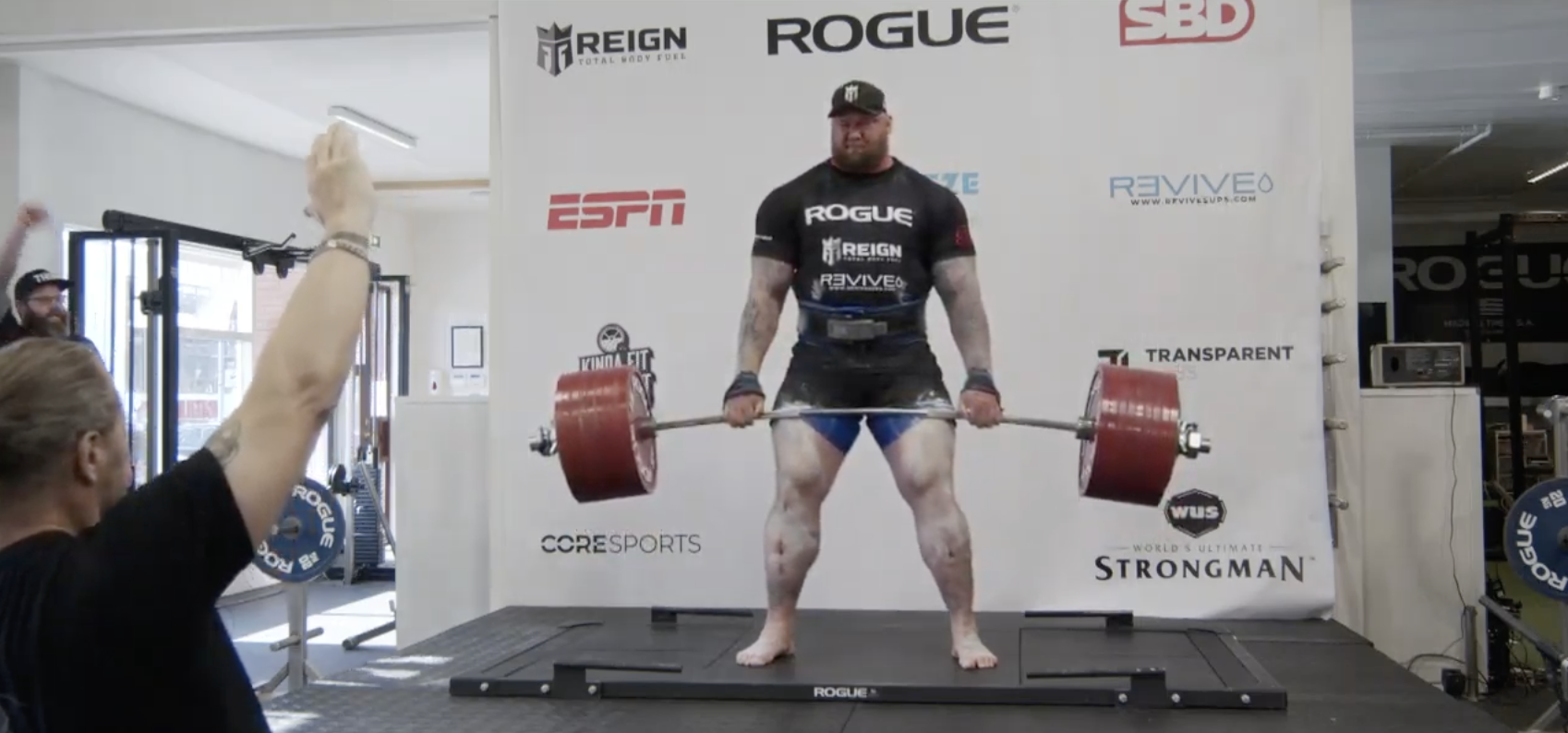
While the direct prize money for breaking a deadlift world record is often nominal or non-existent in many federations, the true financial reward comes from the opportunities that such an achievement unlocks. A world record holder becomes a commodity, attracting significant attention from sponsors and endorsement deals.
Brand Partnerships: Leveraging Athletic Prowess
Companies in the fitness industry, from supplement manufacturers and apparel brands to equipment companies, are eager to associate their products with elite athletes who have achieved remarkable feats. A deadlift world record holder can command substantial sponsorship packages, which can include:
- Product Endorsements: Receiving free products and a regular income for promoting and using a company’s offerings.
- Financial Stipends: Direct payments from sponsors for their association and promotional activities.
- Appearance Fees: Compensation for attending events, seminars, or promotional appearances.
These deals can range from a few thousand dollars a year for smaller sponsorships to six-figure annual contracts for top-tier athletes with multiple lucrative endorsements. The financial stability provided by these sponsorships allows athletes to dedicate themselves fully to training without the constant pressure of covering their expenses out-of-pocket.
Media and Content Creation: Monetizing Influence
In today’s digital age, athletes with a significant following can monetize their influence through various online platforms. A world record deadlift naturally generates a surge of media interest, which can be leveraged to build a substantial online presence.
- Social Media Monetization: Platforms like Instagram, YouTube, and TikTok offer various ways for athletes to earn money, including ad revenue, sponsored posts, and affiliate marketing. A viral deadlift video or a series documenting the journey to a world record can attract millions of views, translating into significant ad revenue.
- Online Coaching and Merchandise: Many record holders develop their own online coaching programs, selling their expertise and training methodologies to aspiring athletes. They can also launch branded merchandise, such as t-shirts, hoodies, and accessories, further diversifying their income streams.
- Motivational Speaking and Seminars: The discipline, perseverance, and success associated with breaking a world record make athletes valuable motivational speakers. They can command fees for speaking engagements at corporate events, gyms, or athletic conferences, sharing their stories and inspiring others.
The financial potential here is directly tied to the athlete’s ability to connect with an audience and effectively market their brand. A charismatic personality, combined with an extraordinary physical achievement, creates a powerful recipe for financial success.
The Business of Strength: Prize Money, Event Revenue, and the Future of Deadlift Records
While prize money is not the primary driver for most elite deadlifters, understanding the broader financial ecosystem of professional strength sports is important. The revenue generated by major strength events, and the potential for increased prize purses, is intrinsically linked to the allure of world records.
Prize Money and Event Organizers: A Growing Market
Major powerlifting and strongman competitions are increasingly becoming spectacle events, attracting large audiences and media attention. As the popularity of these sports grows, so does the potential for increased prize money. Event organizers, driven by ticket sales, broadcasting rights, and sponsorships for the event itself, have a vested interest in promoting record-breaking performances. While a deadlift world record might not always come with a massive immediate cash prize, it significantly elevates the profile of both the athlete and the competition, contributing to a more robust financial ecosystem for strength sports. This can, in turn, lead to larger prize pools for future events.

The Economic Value of a “First”: Setting the Bar Higher
The economic value of being the “first” to achieve something extraordinary cannot be overstated. In the context of a deadlift world record, this means setting a benchmark that others will strive to surpass for years to come. The athlete who sets the record becomes a historical figure, and their achievement continues to generate interest and potential revenue long after the lift itself. This enduring appeal can lead to ongoing sponsorship opportunities and a sustained presence in the public eye, solidifying their financial position. The pursuit of a deadlift world record is, therefore, not just a test of physical limits but also a strategic financial endeavor, where dedication, talent, and business acumen converge to create a formidable athlete with significant earning potential. The current deadlift world record, while a testament to human strength, also represents a tangible financial goal and a springboard for future economic opportunities within the burgeoning world of professional strength sports.
aViewFromTheCave is a participant in the Amazon Services LLC Associates Program, an affiliate advertising program designed to provide a means for sites to earn advertising fees by advertising and linking to Amazon.com. Amazon, the Amazon logo, AmazonSupply, and the AmazonSupply logo are trademarks of Amazon.com, Inc. or its affiliates. As an Amazon Associate we earn affiliate commissions from qualifying purchases.