
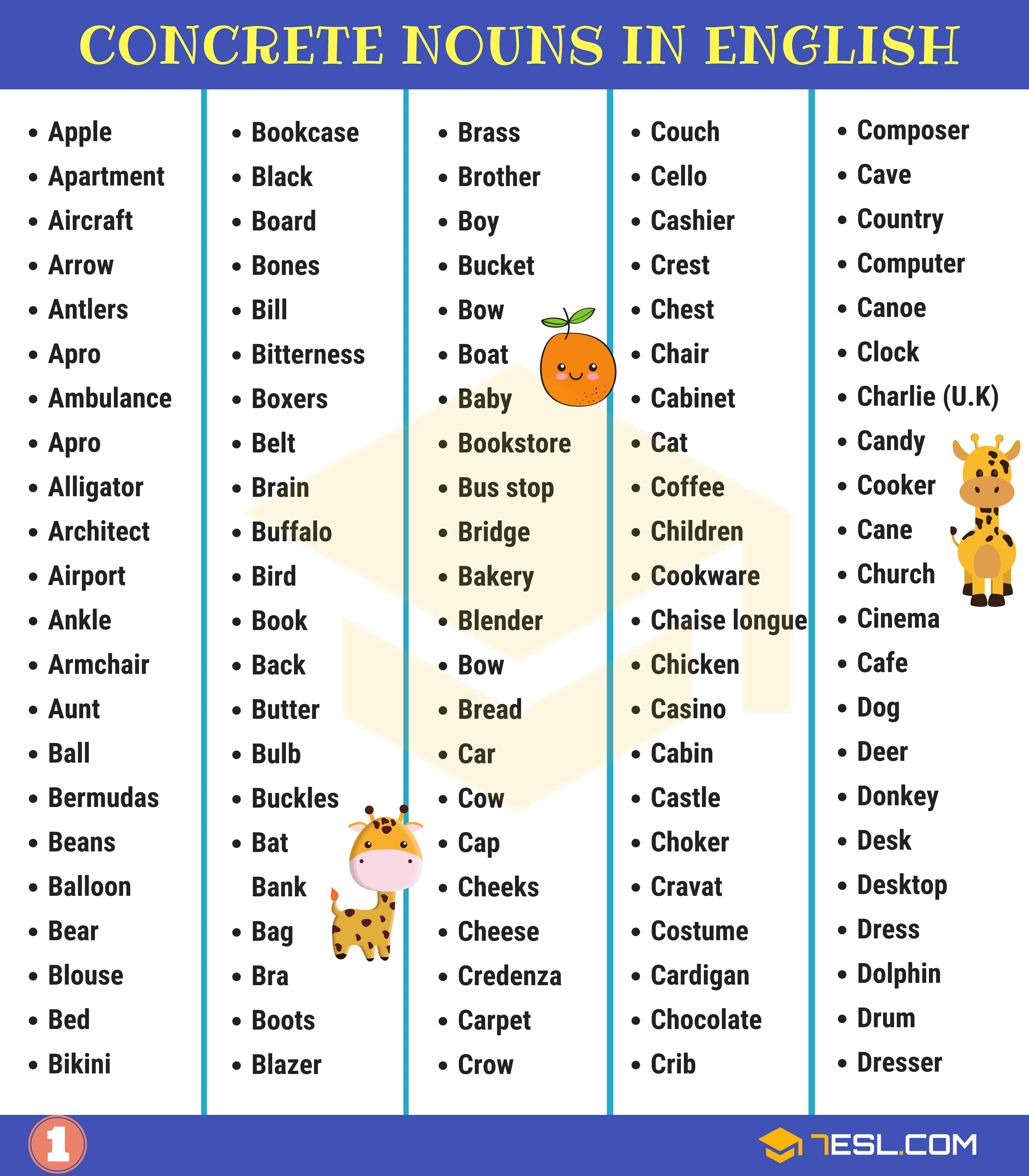
In the study of linguistics, a concrete noun refers to something that can be perceived through the five senses: something you can touch, see, smell, taste, or hear. In the realm of brand strategy, this concept takes on a profound significance. While many businesses get lost in the “abstract nouns” of branding—concepts like “innovation,” “integrity,” and “excellence”—the brands that truly resonate and endure are those that master the “concrete noun.”
A concrete noun in branding is the physical manifestation of a brand’s promise. It is the weight of a smartphone in a consumer’s hand, the specific scent of a luxury hotel lobby, or the iconic shape of a glass bottle. In an increasingly digital and ephemeral economy, the ability to anchor a brand in the physical world is what separates a fleeting trend from a lasting corporate identity.
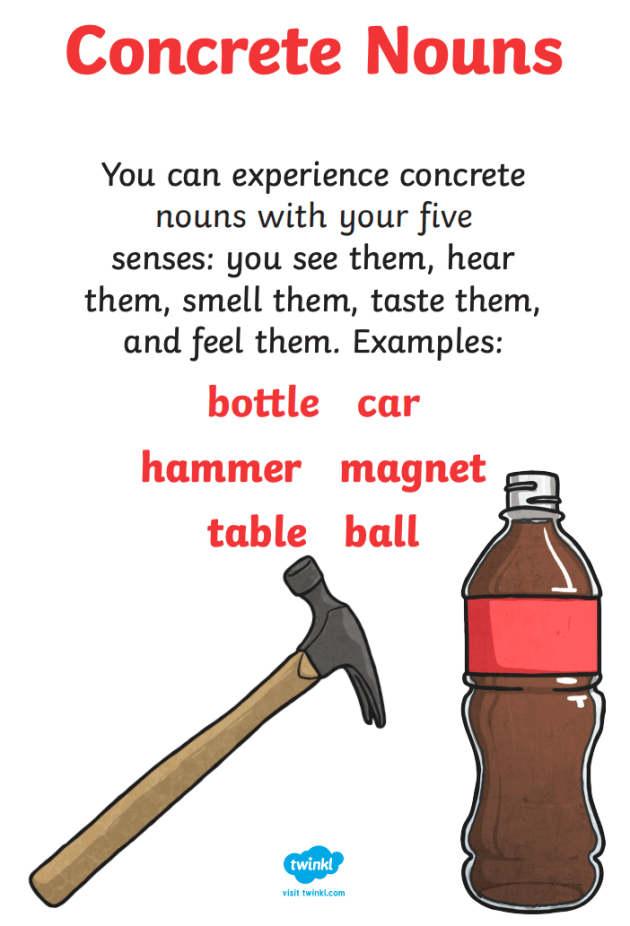
Defining the Concrete Noun: Moving Beyond Abstract Brand Values
Every brand starts with a mission statement, usually filled with abstract nouns. We want to provide “happiness,” “security,” or “efficiency.” While these are vital for internal alignment, they are invisible to the consumer until they are translated into something tangible. To build a powerful brand, a strategist must ask: “What is the concrete noun that represents our abstract value?”
The Gap Between Strategy and Execution
The most common failure in brand development is the “abstraction gap.” This occurs when a company’s marketing communicates a high-level concept—such as “the ultimate driving machine”—but the actual product (the concrete noun) fails to deliver a sensory experience that matches the claim. When the leather doesn’t smell right, or the door doesn’t close with a solid “thud,” the brand promise evaporates. Bridging this gap requires a meticulous focus on the physical touchpoints that define the customer journey.
Why Consumers Crave Tangibility
In a world dominated by SaaS platforms, cloud computing, and digital interfaces, there is a growing psychological hunger for the concrete. This is known as the “Endowment Effect,” where people place a higher value on things they can physically touch or possess. By focusing on concrete nouns—the physical components of a brand—companies can create a sense of ownership and psychological safety that digital-only interactions rarely achieve.
Sensory Branding: The Physical Manifestation of Identity
To understand the concrete noun in branding, one must look at sensory branding. This is the practice of using physical elements to reinforce a brand’s identity through the senses. When a brand becomes “concrete,” it moves from the customer’s mind into their nervous system.
Visual Consistency: More Than a Logo
The most obvious concrete noun is the visual identity, but it goes far beyond a logo. It involves the “ownable” shapes and colors that are synonymous with the brand. For example, the specific “Tiffany Blue” box is a concrete noun that evokes an immediate emotional response before the product is even seen. This physical object carries the weight of the brand’s entire history.
Haptic Feedback and the Power of Touch
“Haptics” refers to the sense of touch, and it is perhaps the most underrated concrete noun in branding. The texture of the paper used for a premium business card, the matte finish on a laptop casing, or the heavy glass of a perfume bottle all communicate “quality” more effectively than any slogan. When a consumer touches a product, they are engaging in a dialogue with the brand. If the concrete noun feels cheap or flimsy, the brand’s abstract value of “luxury” is instantly debunked.
Olfactory and Auditory “Nouns”
While nouns are usually objects, in branding, we can categorize consistent sensory markers as “concrete” elements. The “new car smell” is a concrete noun for the automotive industry. The specific “click” of a Zippo lighter or the startup sound of a Mac are auditory concrete nouns. These are not just features; they are anchors that ground the brand in reality, making it recognizable even when the logo is hidden.
The Architecture of Experience: Concrete Nouns in Retail and Packaging
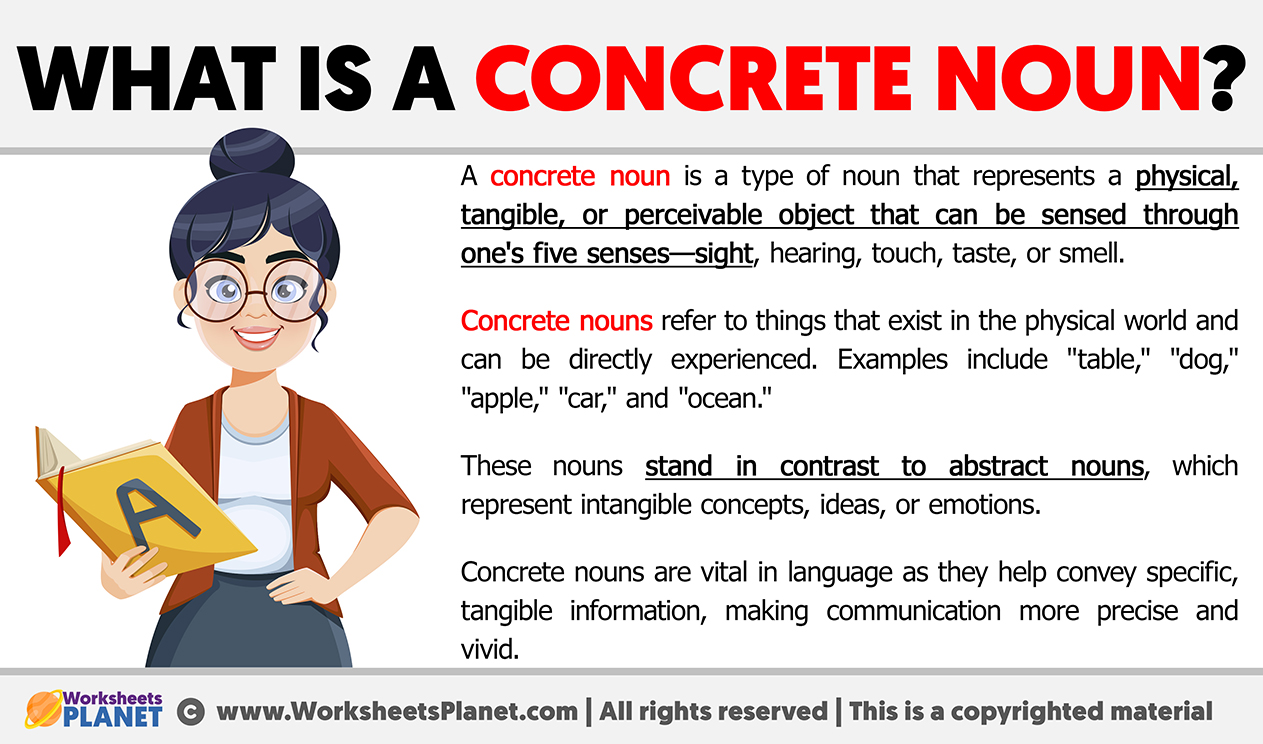
The physical environment where a brand lives is its most expansive concrete noun. Whether it is a flagship store or the box the product arrives in, these physical spaces and objects dictate the narrative of the brand.
Unboxing as a Brand Ritual
In the e-commerce era, the shipping box has become a critical concrete noun. The “unboxing experience” is a transition from a digital transaction to a physical reality. Brands like Apple and Bose have perfected this by ensuring that the friction of the box lid, the pull-tab on the plastic, and the organization of the cables are all part of a curated physical experience. This concrete interaction reinforces the customer’s decision to purchase, reducing “buyer’s remorse” through physical satisfaction.
Physical Spaces: The Living Brand
For a brand like Starbucks, the concrete noun is not just the coffee; it is the “Third Place”—the physical environment. The green aprons, the wooden tables, and the sound of the steam wand are concrete nouns that define the Starbucks experience. When a brand invests in its physical architecture, it provides a “home” for its community. This is why even “digitally native” brands like Warby Parker or Allbirds eventually move into brick-and-mortar locations. They realize that to be a “real” brand in the eyes of the consumer, they must eventually manifest as a concrete noun in the physical world.
From Abstract Promises to Concrete Proof Points
In professional brand strategy, we often talk about “Proof Points.” These are the reasons why a consumer should believe a brand’s claims. While some proof points can be data-driven, the most persuasive ones are those that can be physically demonstrated.
Case Studies in Tangible Branding
Consider the brand Volvo. Their abstract noun is “Safety.” However, they converted this into a concrete noun through the invention and open-licensing of the three-point seatbelt. The seatbelt became the physical object that embodied their promise. Similarly, Patagonia’s abstract noun of “Sustainability” is made concrete through their “Worn Wear” repair hubs. You can see the patches, touch the recycled fabric, and visit the repair centers. The brand is no longer just an idea; it is a physical reality.
Measuring the ROI of Physical Brand Assets
Investing in high-quality materials, unique packaging, or physical storefronts can be expensive, leading some CFOs to question the ROI. However, the data suggests that brands with strong “concrete” identities enjoy higher customer loyalty and can command premium pricing. When a brand provides a superior physical experience, it reduces price sensitivity. Consumers are not just paying for the utility of the product; they are paying for the “concrete” satisfaction of the brand’s physical presence.
Future-Proofing the Concrete Noun in a Virtual Economy
As we move toward the Metaverse and more immersive digital experiences, one might argue that the “concrete noun” is becoming obsolete. On the contrary, as digital experiences become more prevalent, physical touchpoints become even more valuable because of their scarcity.
Bridging the Digital-Physical Divide (Phygital)
The future of branding lies in “Phygital” strategy—the seamless integration of physical and digital assets. This might involve a physical product that has a unique digital twin (NFT), or a retail store that uses augmented reality to enhance the physical environment. In this context, the “concrete noun” serves as the anchor for the digital experience. It provides the “truth” that the digital world mirrors.
Sustainability as a Tangible Asset
As global awareness of environmental issues grows, the “concrete noun” of a brand is being scrutinized through the lens of its footprint. The materials a brand uses—plastic vs. mycelium packaging, or virgin polyester vs. organic cotton—are the most visible indicators of a brand’s ethics. In the modern market, the “concrete noun” must not only be tactile and beautiful; it must also be responsible. A brand that claims to care about the planet (abstract) but uses non-recyclable materials (concrete) will face a crisis of authenticity.
Conclusion: The Power of the Tangible
To answer the question “What is the concrete noun?” in the context of branding: it is the physical evidence of your brand’s soul. It is the bridge between a company’s internal vision and the consumer’s external reality.
In a world of infinite digital noise, the brands that stand out are those that give their customers something to hold onto. By identifying, refining, and perfecting your brand’s concrete nouns, you move beyond being a mere service provider and become a tangible part of your customer’s life. Innovation may be the engine, but the concrete noun is the vehicle—it is what makes the journey real, memorable, and worth the investment.
aViewFromTheCave is a participant in the Amazon Services LLC Associates Program, an affiliate advertising program designed to provide a means for sites to earn advertising fees by advertising and linking to Amazon.com. Amazon, the Amazon logo, AmazonSupply, and the AmazonSupply logo are trademarks of Amazon.com, Inc. or its affiliates. As an Amazon Associate we earn affiliate commissions from qualifying purchases.