
In the world of alternative asset classes, few commodities possess the cultural weight and financial volatility of jade. While traditional investors often flock to gold, silver, or diamonds, the elite tiers of the gemstone market have long recognized jade—specifically Jadeite—as “the stone of heaven.” However, for the serious investor, the question “what is the color of jade stone” is not a matter of aesthetics; it is a fundamental inquiry into market valuation, liquidity, and asset appreciation.
In the financial ecosystem of precious minerals, color is the primary determinant of price. A slight shift in hue, saturation, or tone can result in a valuation difference of hundreds of thousands of dollars. To treat jade as a serious investment, one must move beyond the layperson’s definition of “green” and understand the complex grading systems that dictate its economic standing.

The Economics of Hue: Why Color Dictates Jade’s Market Value
In gemstone investment, the “Three Pillars of Value” are typically color, transparency, and texture. Among these, color remains the most influential factor. When a financial analyst looks at a piece of jade, they are looking for specific markers that indicate rarity and historical price stability.
The Imperial Green Standard
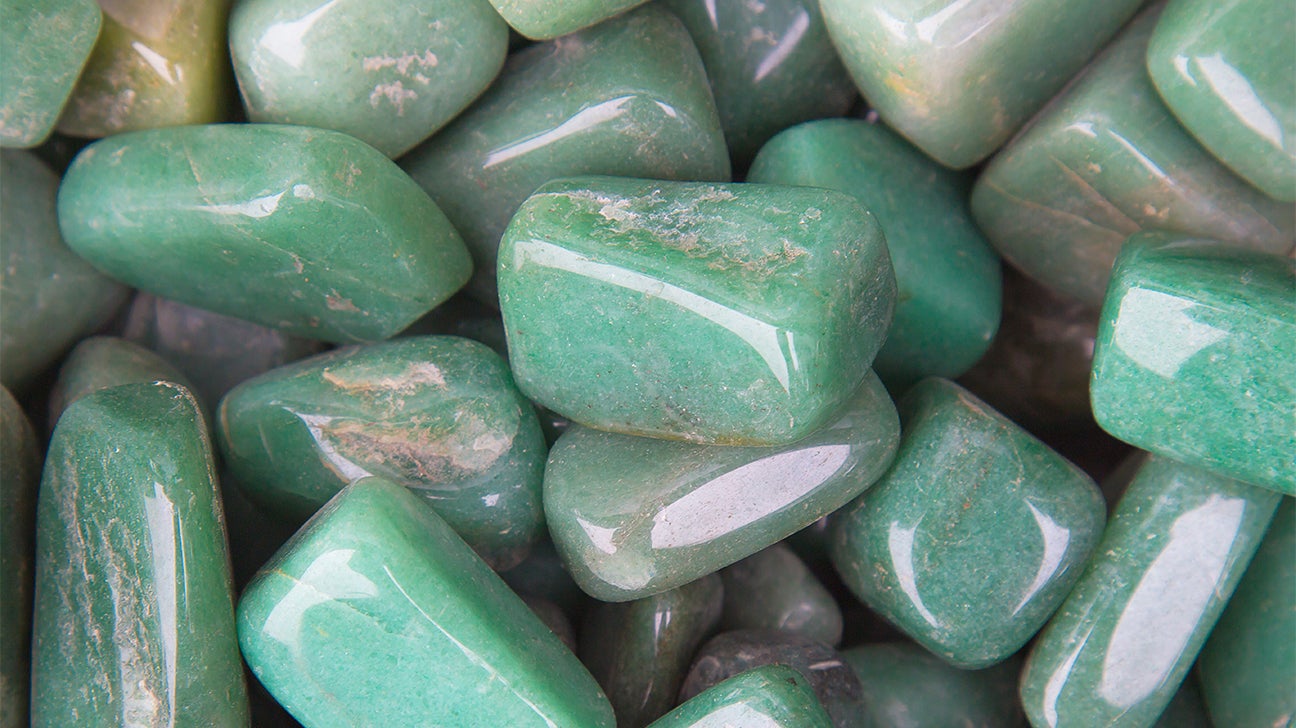
The apex of the jade market is occupied by “Imperial Green.” This specific color is defined by a deep, vibrant emerald green that is highly saturated and lacks any hint of gray or yellow undertones. From an investment perspective, Imperial Green jadeite is comparable to “Blue Chip” stocks. It is the most liquid form of the asset and has historically shown the highest rate of capital appreciation. At major auction houses like Christie’s and Sotheby’s, Imperial Green pieces frequently break records, often outperforming colorless diamonds of similar weight. The rarity of this color is its primary value driver; because it occurs only in a fraction of mined stones, the supply-to-demand ratio remains permanently skewed in the investor’s favor.
Translucency and Saturation as Value Multipliers
Color does not exist in a vacuum. In the jade market, the “vividness” of the color is amplified by the stone’s translucency. A stone with a perfect hue but an opaque texture will trade at a massive discount compared to a “glassy” (highly translucent) stone of the same color. For the business-minded collector, the goal is to find “old mine” jade, where the color appears to be suspended in water. This optical depth is a key indicator of quality that ensures the asset will retain its value even during broader market downturns.
Diversifying the Portfolio: Beyond the Traditional Green
While green is the benchmark, a sophisticated investment strategy in jade involves understanding the secondary markets. Emerging trends in the luxury sectors of Asia and the West have created high-yield opportunities in non-traditional colors.
Lavender and Ice Jade: The Rising Secondary Markets
Lavender jadeite is increasingly viewed as a high-growth asset. Its value is determined by the intensity of the purple hue and the fineness of the crystal grain. Historically undervalued, lavender jade has seen a surge in demand among younger high-net-worth individuals, leading to a tightening of the market.
Similarly, “Ice Jade”—which is nearly colorless or carries a faint watery blue tint—has become a staple for those looking for contemporary “Quiet Luxury” investments. Because Ice Jade relies almost entirely on its translucency and “glow” rather than pigment, it offers a different risk profile. It is often more accessible than Imperial Green but has shown consistent 10-15% year-over-year growth in secondary market auctions.
Mutton Fat Jade: The High-Stakes World of Nephrite
While jadeite is the dominant player in the investment world, Nephrite jade—specifically the “Mutton Fat” variety found in the Hetian region of China—occupies a unique niche. This is not a “green” stone; it is a creamy, translucent white with a waxy luster. In the context of wealth preservation, Mutton Fat jade is often treated with the same reverence as gold bullion in Eastern markets. Its value has skyrocketed over the last two decades due to the exhaustion of traditional river-bed mines, making it a “finite resource” play for long-term holders.
Risk Management and Authentication in Gemstone Investing
As with any high-value asset, the jade market is rife with “trash” masquerading as “treasure.” Professional investors must employ rigorous due diligence to protect their capital from treated or synthetic stones.
Identifying Treated Stones (Type A vs. Type B/C)
The financial integrity of a jade investment depends entirely on its classification. Only “Type A” jade—which is natural stone that has undergone no chemical treatment other than surface waxing—is considered an investment-grade asset.
- Type B: Jade that has been acid-bleached to remove impurities and then polymer-impregnated.
- Type C: Jade that has been artificially dyed to mimic high-value colors.
From a balance sheet perspective, Type B and C stones have a resale value of near zero. They are decorative items, not assets. An investor must never purchase high-value jade without a laboratory certificate from a reputable institution, such as the GIA (Gemological Institute of America) or the SSEF, confirming the stone is Type A and the color is natural.
Market Liquidity and Global Grading Standards
Unlike the NYSE or NASDAQ, the jade market is decentralized. Liquidity can be an issue if the investor does not understand the “Four Cs” of jade (which differ slightly from diamonds). To ensure an exit strategy, investors should focus on pieces with “excellent” ratings in color evenness. A stone with “patchy” color is significantly harder to liquidate than one with a uniform, velvety distribution. Understanding these nuances is the difference between a stagnant holding and a liquid, appreciating asset.
Jade as a Hedge Against Inflation and Market Volatility
In an era of currency devaluation and stock market instability, “hard assets” like jade provide a necessary hedge. The intrinsic value of the stone is decoupled from the traditional banking system, offering a layer of privacy and security.
Historical Price Performance and Supply Constraints
The “color of jade” is becoming more expensive because the earth is running out of it. The primary source of high-quality jadeite is Myanmar (Burma). Political instability, ESG (Environmental, Social, and Governance) concerns, and the depletion of easily accessible deposits have created a massive supply crunch. When supply falls while global wealth—particularly in emerging Asian economies—continues to rise, the price of the “ideal color” increases exponentially. Data from the last thirty years suggests that top-tier jadeite has outperformed the S&P 500 in terms of pure percentage growth, though it requires a much longer holding period.

Geopolitical Factors and the Wealth Preservation Strategy
For international business entities, jade represents a portable form of wealth. High-value jade jewelry or small carvings can represent millions of dollars in value while remaining physically compact. However, the savvy investor must also monitor trade regulations and sanctions related to Myanmar, as these can impact the legality and “ethical premium” of the stone. Investing in “heritage” pieces—those with a documented provenance and a history of ownership—can command a 20-30% premium because they bypass the risks associated with new mining operations.
In conclusion, the question “what is the color of jade stone” is the starting point for a complex financial journey. To the uninitiated, jade is a beautiful ornament; to the professional, it is a sophisticated instrument of wealth. By focusing on the rarified Imperial Green, understanding the growth potential of lavender and ice varieties, and maintaining strict authentication standards, an investor can leverage the unique color properties of this stone to build a resilient and high-performing portfolio. In the world of finance, green is the color of money—and in the world of jade, that color is the ultimate prize.
aViewFromTheCave is a participant in the Amazon Services LLC Associates Program, an affiliate advertising program designed to provide a means for sites to earn advertising fees by advertising and linking to Amazon.com. Amazon, the Amazon logo, AmazonSupply, and the AmazonSupply logo are trademarks of Amazon.com, Inc. or its affiliates. As an Amazon Associate we earn affiliate commissions from qualifying purchases.