
The StairMaster, a staple in fitness facilities worldwide, is more than just a machine designed to mimic climbing stairs. It’s a sophisticated piece of Tech that leverages biomechanics and engineering to deliver a potent cardiovascular and muscular workout. While its purpose might seem straightforward – to simulate stair climbing – the underlying technology and the physiological benefits it offers are multifaceted and deeply rooted in exercise science. This article will explore the technological innovations that make the StairMaster an effective fitness tool and delve into the specific ways it enhances physical well-being, focusing exclusively on the technological and biomechanical aspects.

The Engineering Marvel: How the StairMaster Works
At its core, the StairMaster is a triumph of electromechanical design. It’s not simply a set of rotating steps; rather, it’s a carefully calibrated system that simulates the natural movement of ascending stairs with controlled resistance and precise pacing. Understanding the technology behind its operation illuminates why it’s so effective.
Precision Motor and Drive System
The heart of any StairMaster is its powerful electric motor and the associated drive system. Unlike older, less sophisticated equipment, modern StairMasters utilize advanced motors that provide smooth, consistent resistance. This resistance isn’t just about making the steps harder to move; it’s about creating a controlled, predictable environment for your workout.
- Variable Resistance Control: The machine’s control console allows users to select from a range of resistance levels. This is managed by the motor adjusting the torque required to move the steps. Higher resistance means the motor works harder to overcome the inertia and friction, demanding more effort from the user. This precise control is crucial for progressive overload, a fundamental principle of fitness training where gradually increasing the intensity of your workouts leads to continuous improvement.
- RPM Consistency: The StairMaster maintains a consistent step rate (revolutions per minute or RPM) regardless of the user’s effort. This means that if you set the machine to 80 RPM, it will aim to keep the steps moving at that speed. If you start to lag, the machine will often subtly increase the resistance to keep you at the target RPM. This controlled pacing ensures that you are consistently engaging your muscles and cardiovascular system, preventing “cheating” the workout by slowing down your steps significantly.
- Flywheel and Inertia: A weighted flywheel is typically integrated into the drive system. This flywheel stores rotational energy, which helps to smooth out the jerky movements that might otherwise occur with a direct motor-to-step connection. This inertia also contributes to the feeling of momentum, making the workout feel more natural and less like pushing against a purely static resistance.
Biomechanical Simulation and Ergonomics
The design of the StairMaster’s steps and their movement is meticulously crafted to mimic the natural biomechanics of stair climbing. This isn’t an accidental byproduct of the engineering; it’s a deliberate feature aimed at maximizing engagement of specific muscle groups and minimizing stress on joints.
- Step Height and Depth: The height and depth of each step are engineered to correspond closely to the dimensions of a typical staircase. This ensures that the range of motion required to ascend the steps closely mirrors that of real-world stair climbing. This consistency is vital for building functional strength that translates directly to everyday activities, such as climbing stairs at home or work, or hiking inclines.
- Foot Platform Design: The foot platforms are designed to accommodate the natural placement of the feet during stair climbing. They offer sufficient surface area for secure footing and are angled to promote proper ankle and knee flexion, reducing the risk of ankle sprains or excessive knee strain often associated with improper form on other cardio machines.
- Elliptical Motion: While not all StairMasters are identical, many incorporate a slight elliptical or arc-like motion in their step movement. This subtle deviation from a purely vertical ascent helps to engage a broader range of muscles in the lower body, including the glutes, hamstrings, quadriceps, and calves, in a more dynamic and integrated manner. This is a sophisticated piece of mechanical engineering that aims to optimize muscle activation.
Console Technology and User Interface
Modern StairMasters are equipped with advanced consoles that serve as the user’s interface with the machine’s technology. These consoles are not merely for displaying data; they are sophisticated control centers that personalize the workout experience and provide valuable feedback.
- Pre-programmed Workouts: The console offers a variety of pre-programmed workouts, each designed with specific training goals in mind. These programs manipulate resistance, speed, and duration to simulate different climbing scenarios, such as endurance climbs, interval training, or hill simulations. The technology behind these programs uses algorithms to dynamically adjust the machine’s parameters, taking the guesswork out of designing an effective workout.
- Real-time Performance Metrics: During a workout, the console provides real-time data on key performance indicators. This includes metrics like total steps climbed, calories burned, current heart rate (often via integrated sensors or wireless chest straps), workout duration, and resistance level. This data is crucial for monitoring progress, staying motivated, and ensuring that the user is working within their target heart rate zones for optimal cardiovascular benefit.
- Connectivity and Tracking: Many newer StairMaster models integrate with fitness apps and wearable devices. This allows users to track their workouts longitudinally, compare their performance over time, and even share their achievements. This connectivity is a hallmark of modern fitness technology, transforming the gym equipment into a connected node in a user’s broader health and fitness ecosystem. The ability to sync data with apps like MyFitnessPal or Strava, for example, further enhances the utility of the machine as a data-driven fitness tool.
The Physiological Impact: How Technology Drives Fitness Gains
The technological sophistication of the StairMaster translates directly into tangible physiological benefits, making it one of the most effective cardiovascular and lower-body strength training machines available. Its design targets key muscle groups and cardiovascular systems with remarkable efficiency.
Superior Cardiovascular Conditioning
The continuous, high-intensity nature of StairMaster workouts makes it an exceptional tool for improving cardiovascular health. The machine’s ability to maintain a consistent and challenging pace is central to this.
- Elevated Heart Rate Sustenance: The controlled resistance and step rate ensure that the user’s heart rate is consistently elevated. This sustained elevation is what drives aerobic adaptations, such as increased stroke volume (the amount of blood the heart pumps per beat) and improved oxygen utilization by the muscles. The technology’s ability to offer progressive resistance means that as your cardiovascular fitness improves, you can continue to challenge your heart by increasing the resistance, ensuring continuous improvement.
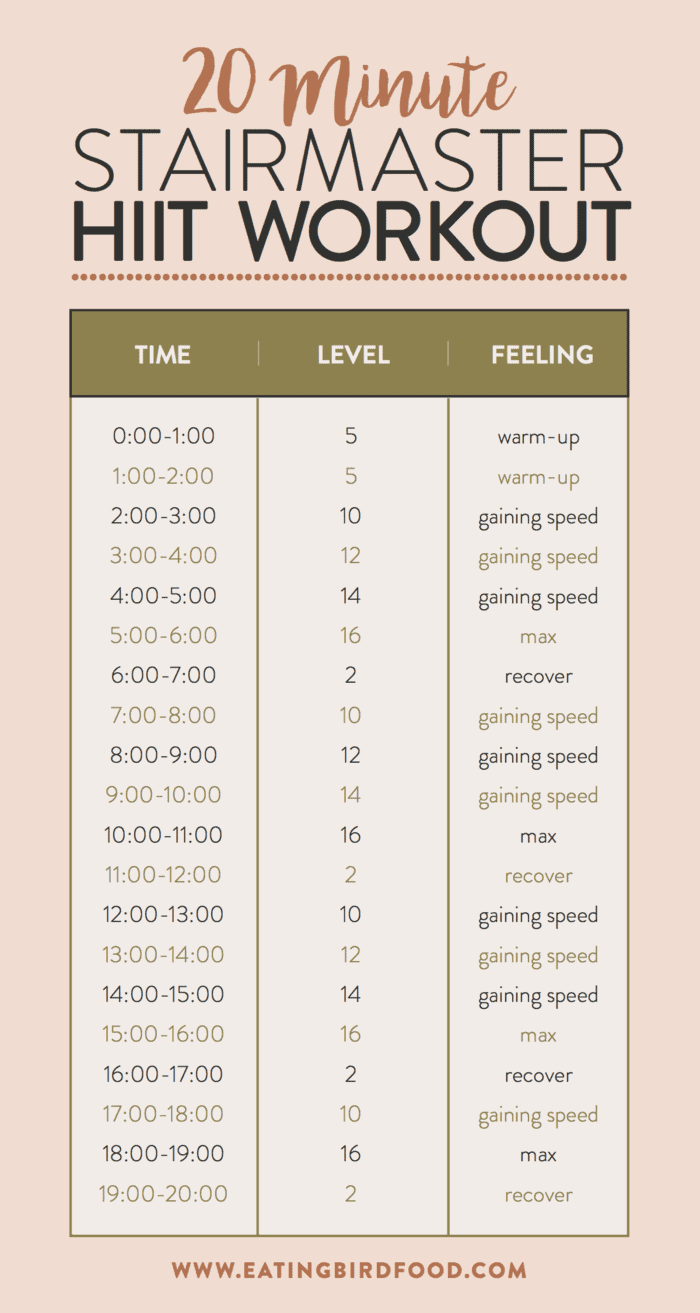
- Anaerobic Threshold Enhancement: By incorporating interval training or simply by pushing the resistance to higher levels, the StairMaster can effectively push users towards their anaerobic threshold. This is the point at which the body begins to produce energy anaerobically, and training at or near this threshold improves the body’s ability to clear lactate and sustain higher intensities for longer periods. The pre-programmed interval workouts on the console are specifically designed to achieve this.
- Calorie Expenditure Efficiency: Due to the significant engagement of large muscle groups and the intensity of the workout, StairMasters are highly effective at burning calories. The precise measurement of steps and resistance, combined with heart rate data, allows for a relatively accurate estimation of calorie expenditure, a key metric for weight management and overall energy balance. The machine’s consistent output ensures that you’re not burning fewer calories simply because you’re not motivated to push yourself as hard – the machine helps to enforce a higher baseline of effort.
Comprehensive Lower-Body Strength and Endurance
Beyond its cardiovascular benefits, the StairMaster is a powerful tool for building strength and endurance in the muscles of the lower body. The biomechanically engineered movement directly targets these areas.
- Quadriceps Dominance: The primary action of stepping upwards heavily engages the quadriceps muscles on the front of the thighs. As you push off from one step to the next, your quads work concentrically to extend your knee. The technology’s adjustable resistance directly increases the load on these muscles, leading to hypertrophy (muscle growth) and increased strength.
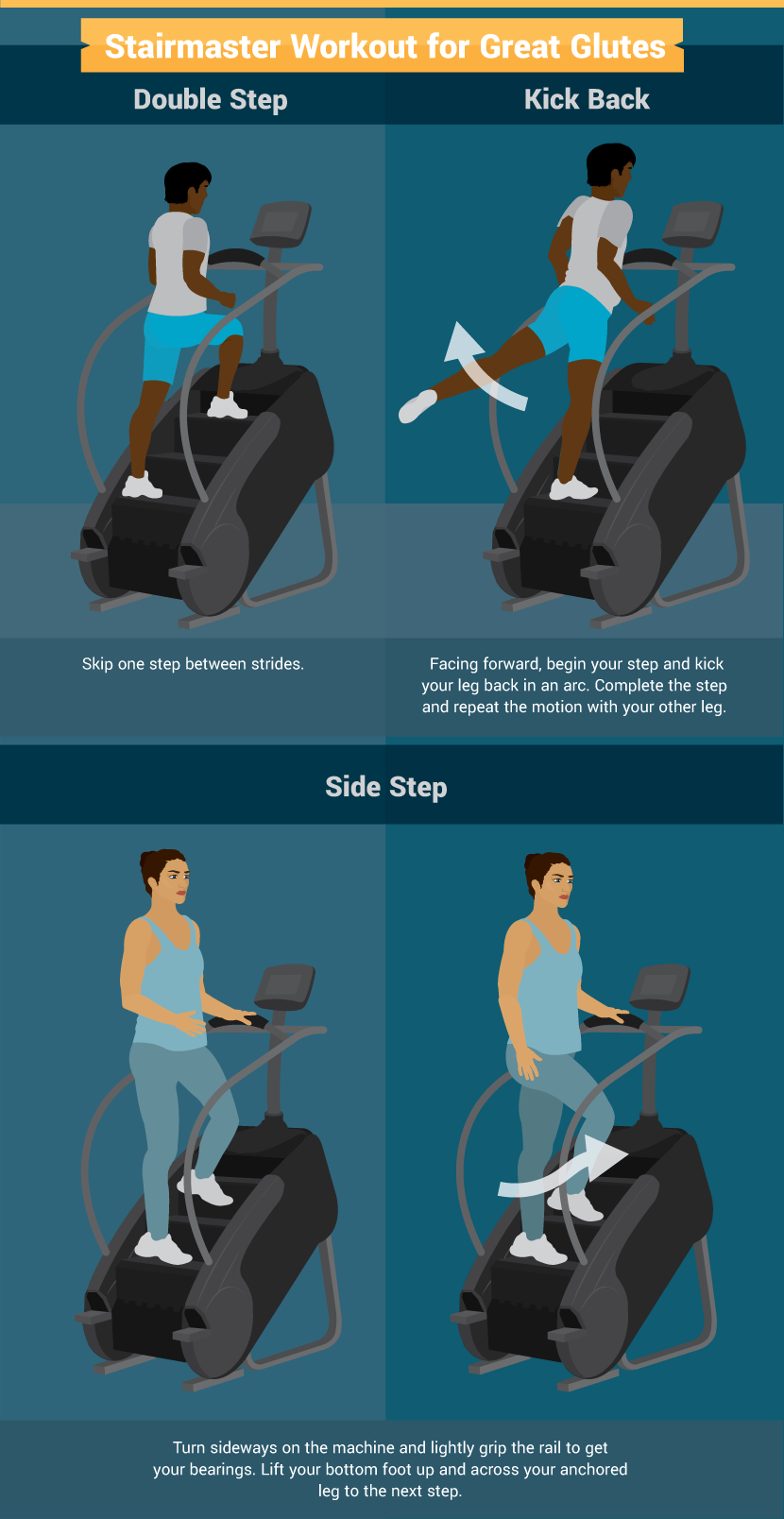
- Gluteal Activation: The StairMaster is particularly effective at engaging the gluteal muscles, including the gluteus maximus, medius, and minimus. When you drive your heel into the step and propel yourself upward, you are powerfully contracting your glutes. This is a key advantage over many other cardio machines, which may not recruit the glutes to the same extent. The slightly angled path of the steps often enhances this gluteal activation.
- Hamstring and Calf Engagement: While quads and glutes are primary movers, the hamstrings on the back of the thighs also play a crucial role, particularly in controlling the descent of the step and assisting in the upward drive. The calf muscles (gastrocnemius and soleus) are engaged as you push off the balls of your feet. The consistent, repetitive nature of the movement builds significant muscular endurance in these key lower-leg muscles.
- Core Stability: Maintaining an upright posture and controlled movement on the StairMaster also requires engagement of the core muscles (abdominals and lower back). While not a primary target, the need for stability contributes to overall core strength development and improved posture over time. The machine’s inherent instability compared to a flat treadmill, for instance, necessitates this constant core engagement.
Joint-Friendly Impact Technology
One of the often-overlooked technological aspects of the StairMaster is its relative joint-friendliness compared to high-impact activities. While it is an intense workout, the controlled motion minimizes the jarring impact associated with activities like running.
- Reduced Impact Forces: Unlike running on a treadmill or pounding the pavement, the StairMaster’s steps move in a controlled, predetermined manner. This means that the impact forces transmitted through your ankles, knees, and hips are significantly lower. This makes it an excellent option for individuals who may have joint issues or are seeking a high-intensity workout with less risk of impact-related injuries. The smooth, elliptical motion is engineered to absorb some of the shock, offering a more cushioned experience.
- Controlled Range of Motion: The fixed path of the steps ensures a consistent range of motion. This predictability helps to prevent awkward joint movements or hyperextension that can occur with less structured exercises. The biomechanical engineering aims to guide the user through a safe and effective motion path, reducing the likelihood of sprains or strains.
- Progressive Intensity Without Increased Impact: The ability to increase intensity through resistance rather than solely through speed or impact means that users can progressively challenge themselves without significantly increasing the stress on their joints. This is a key technological advantage that allows for long-term adherence and continuous fitness development.
In conclusion, the StairMaster is far more than a simple mimicry of climbing stairs. It is a sophisticated piece of Tech that employs precise engineering, advanced motor control, and biomechanically sound design principles to deliver an exceptionally effective workout. From its ability to provide precise cardiovascular conditioning and build comprehensive lower-body strength to its consideration for joint health through controlled impact, the technology behind the StairMaster is designed to optimize fitness outcomes. Its pre-programmed workouts, real-time feedback, and connectivity further enhance its utility as a data-driven fitness tool, making it a cornerstone of modern, technologically informed fitness routines.
aViewFromTheCave is a participant in the Amazon Services LLC Associates Program, an affiliate advertising program designed to provide a means for sites to earn advertising fees by advertising and linking to Amazon.com. Amazon, the Amazon logo, AmazonSupply, and the AmazonSupply logo are trademarks of Amazon.com, Inc. or its affiliates. As an Amazon Associate we earn affiliate commissions from qualifying purchases.