
Sober living environments represent a vital and often underestimated component of long-term recovery from substance use disorders. These residences offer a structured, supportive, and drug-free setting for individuals transitioning from detoxification or residential treatment programs, or for those seeking a stable foundation for sustained sobriety outside of traditional clinical settings. Far from being merely a place to stay, sober living homes are designed to foster personal growth, build essential life skills, and create a robust community of peers committed to recovery. Understanding the multifaceted nature of sober living is crucial for anyone navigating the complexities of addiction and seeking sustainable well-being.
The Foundation of Sober Living: Structure and Support
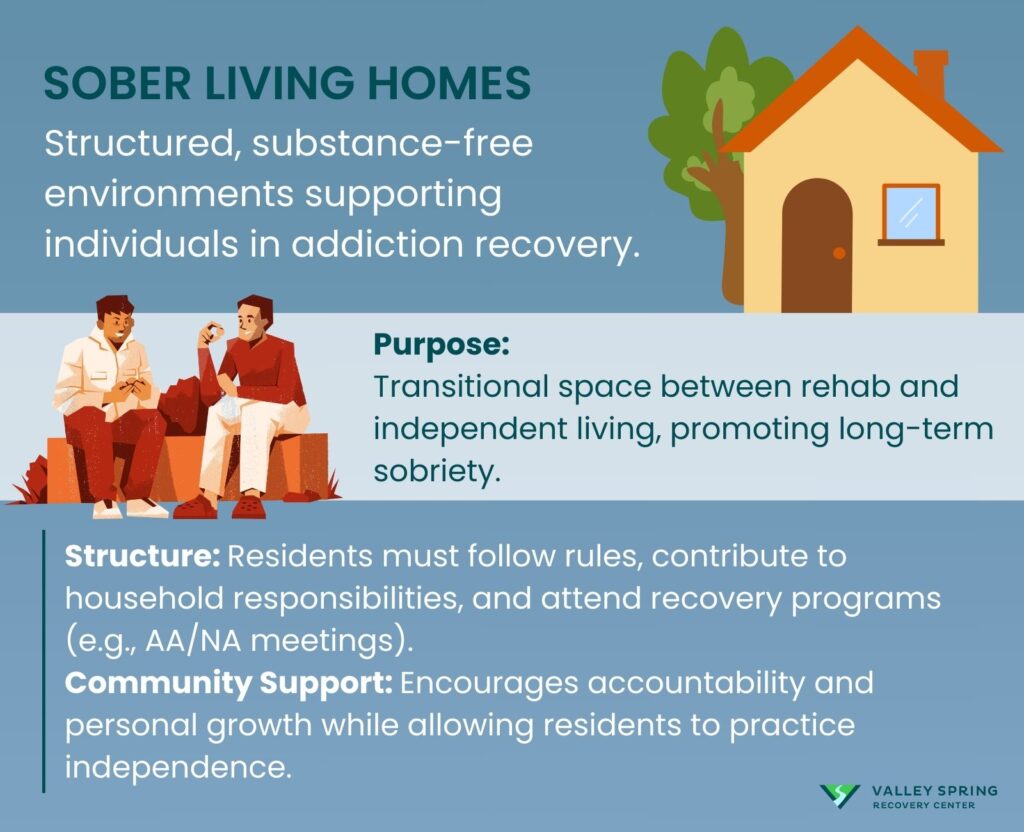
At its core, sober living is about establishing a consistent and accountable environment that reinforces the principles of recovery. This structure is not intended to be punitive but rather to provide a safe and predictable framework within which individuals can rebuild their lives. The emphasis is on creating healthy routines, fostering positive habits, and minimizing exposure to relapse triggers.
Creating a Drug-Free Environment
The paramount rule in any sober living home is the absolute prohibition of alcohol and illicit drugs. This is not just a guideline; it is a non-negotiable standard that ensures the safety and integrity of the community. Regular drug and alcohol testing is a common practice, providing accountability and early detection of potential slips, which can then be addressed constructively within the support system. This zero-tolerance policy creates a physical and psychological sanctuary, allowing residents to focus their energy on healing and recovery without the constant threat of substance use. The absence of drugs and alcohol cultivates an atmosphere of trust and mutual respect, as all residents share the common goal of maintaining their sobriety.
Implementing Rules and Accountability
Beyond the absence of substances, sober living homes typically operate with a set of clearly defined rules and expectations. These often include curfews, attendance at support group meetings (such as Alcoholics Anonymous or Narcotics Anonymous), and participation in household chores. This structured approach helps residents re-establish a sense of responsibility and discipline, skills that may have been eroded by active addiction. The rules are designed to promote a healthy lifestyle and encourage engagement with the recovery process. Accountability is a key tenet, fostering a sense of shared responsibility for maintaining a positive living environment. Residents learn to be accountable to themselves, to their housemates, and to the program itself.
Fostering a Supportive Community
Perhaps one of the most significant benefits of sober living is the inherent community it provides. Living alongside others who are also committed to recovery creates a powerful sense of belonging and mutual understanding. This peer support network is invaluable, offering empathy, encouragement, and shared experiences that can be incredibly validating. In a sober living environment, residents are not alone in their struggles. They have a built-in support system of individuals who understand the challenges of early sobriety and can offer practical advice, emotional support, and a listening ear. This camaraderie can significantly reduce feelings of isolation and hopelessness, common challenges in the recovery journey.
The Therapeutic Value: Beyond Physical Abstinence
Sober living environments offer more than just a safe place to live; they are integral to the therapeutic process of recovery. By providing a nurturing space that encourages personal growth and the development of coping mechanisms, these homes actively contribute to a resident’s long-term well-being.
Developing Life Skills for Independence
Many individuals entering sober living may have experienced a disruption in their ability to manage everyday responsibilities due to addiction. Sober living homes provide a practical setting to relearn and reinforce essential life skills. This can include financial management, job searching and maintenance, healthy relationship building, and conflict resolution. Residents are encouraged to take on responsibilities within the house, fostering a sense of purpose and contribution. This practical skill-building is crucial for a successful transition back into independent living and for preventing future relapse due to overwhelming life stressors.
Promoting Emotional and Mental Well-being
Recovery from substance use disorders is often intertwined with underlying emotional and mental health challenges. Sober living environments provide a stable and supportive backdrop for individuals to address these issues. While not a substitute for professional therapy, the structured environment, peer support, and emphasis on healthy routines can significantly contribute to improved emotional regulation, stress management, and overall mental well-being. Residents can practice mindfulness, engage in healthy hobbies, and develop a greater sense of self-awareness in a safe and encouraging atmosphere.
Encouraging Relapse Prevention Strategies
Sober living homes are designed with relapse prevention as a central objective. The continuous reinforcement of recovery principles, the constant availability of peer support, and the structured environment all work together to create a strong defense against relapse. Residents learn to identify their personal triggers, develop effective coping strategies, and build a strong support network that they can rely on during challenging times. The presence of house managers or mentors who have experienced recovery themselves can provide invaluable guidance and insight into navigating the complexities of maintaining sobriety.
Types of Sober Living Environments
While the core principles of sober living remain consistent, there are variations in the types of homes available, catering to different needs and levels of support. Understanding these distinctions can help individuals find the most suitable environment for their recovery journey.
Levels of Structure and Supervision
Sober living homes can vary in their level of structure and supervision. Some homes may be more independent, with less direct oversight, while others offer a higher degree of structure, often with live-in house managers or staff who provide more intensive support and monitoring. The level of supervision is often tailored to the needs of the residents, with those in earlier stages of recovery typically benefiting from more structured environments. This flexibility allows individuals to progress through different levels of independence as their sobriety strengthens.
Gender-Specific vs. Co-Ed Environments
Sober living homes can be either gender-specific or co-educational. Many individuals find that gender-specific housing offers a more comfortable and focused environment, allowing them to address personal issues without the potential distractions or complexities that can arise in co-ed settings. Others may thrive in a co-ed environment, experiencing a broader range of perspectives and social interaction. The choice between the two is a personal one and often depends on an individual’s comfort level and specific recovery needs.
Faith-Based and Specialized Sober Living
Beyond the general sober living models, specialized homes cater to specific populations or spiritual needs. Faith-based sober living homes integrate spiritual principles and practices into their program, providing a supportive environment for those who find their faith to be a cornerstone of their recovery. Additionally, some homes may specialize in supporting individuals with co-occurring mental health disorders, offering integrated care and support. These specialized environments can provide a more targeted and effective approach to recovery for those with unique circumstances.
The Role of Sober Living in the Recovery Continuum
Sober living homes play a crucial role in the broader landscape of addiction treatment and recovery. They serve as a bridge between intensive clinical care and independent living, offering a crucial stepping stone for many individuals.
Transitioning from Treatment Programs
For individuals completing inpatient or intensive outpatient treatment, the transition back into their previous living environment can be fraught with challenges. Sober living homes provide a safe and supportive transition period, allowing individuals to gradually reintegrate into society while maintaining a focus on their recovery. This structured environment helps prevent the relapse that can sometimes occur during the vulnerable period immediately following treatment.
Supporting Long-Term Recovery Maintenance
Sober living is not just for those in early recovery. Many individuals choose to remain in sober living environments for extended periods as a way to maintain their sobriety, continue building healthy habits, and remain connected to a supportive recovery community. This can be particularly beneficial for those who lack a strong support system outside of recovery or who are in high-risk environments. The ongoing accountability and peer support offered in sober living can be invaluable for long-term recovery success.
A Cost-Effective and Accessible Option
Compared to ongoing residential treatment, sober living homes are often a more affordable and accessible option for individuals seeking continued support. While fees vary, they are generally significantly lower than clinical care, making sustained recovery more attainable for a broader population. This accessibility is a critical factor in ensuring that more individuals have the opportunity to achieve lasting sobriety.

Conclusion: A Stepping Stone to Lasting Sobriety
Sober living environments represent a critical, yet often overlooked, component of comprehensive addiction recovery. By offering structured, supportive, and drug-free living, these homes empower individuals to rebuild their lives, develop essential coping mechanisms, and foster a strong sense of community. They serve as a vital bridge, facilitating a smooth transition from intensive treatment and providing a stable foundation for long-term sobriety. For those seeking to break free from the grip of addiction, a sober living environment can be the essential stepping stone towards a healthier, happier, and more fulfilling future. The investment in sober living is an investment in sustained recovery and a renewed sense of hope and purpose.
aViewFromTheCave is a participant in the Amazon Services LLC Associates Program, an affiliate advertising program designed to provide a means for sites to earn advertising fees by advertising and linking to Amazon.com. Amazon, the Amazon logo, AmazonSupply, and the AmazonSupply logo are trademarks of Amazon.com, Inc. or its affiliates. As an Amazon Associate we earn affiliate commissions from qualifying purchases.