
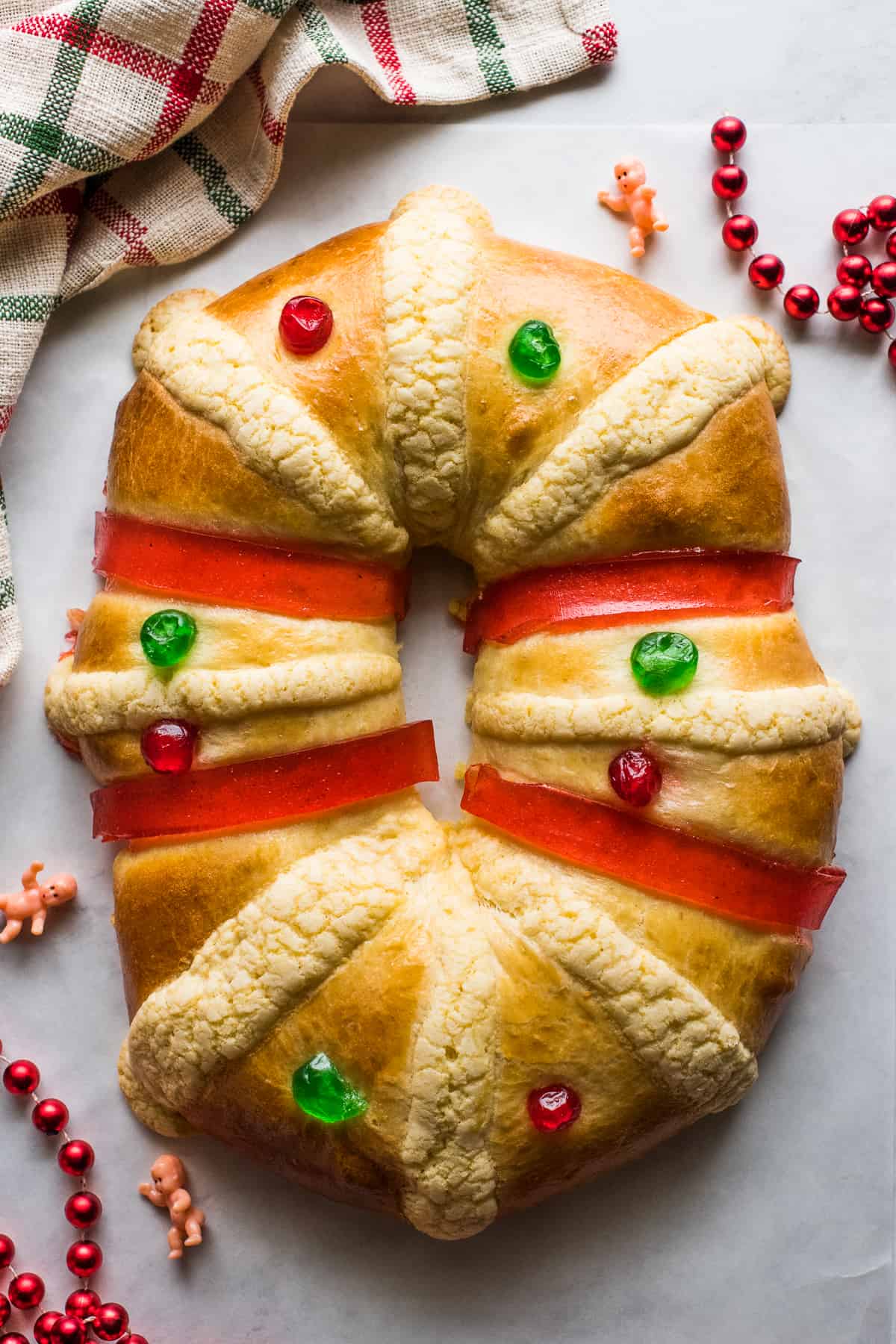
The humble Rosca de Reyes, a ring-shaped sweet bread adorned with candied fruits and traditionally enjoyed on Epiphany, is far more than just a seasonal pastry. It is a potent cultural brand, intricately woven into the fabric of Hispanic traditions. From its religious origins to its modern-day commercial appeal, Rosca de Reyes has successfully cultivated a distinct identity, resonating with consumers across generations and geographical boundaries. This exploration will dissect the multifaceted brand of Rosca de Reyes, examining its historical roots as a foundational brand narrative, its evolution through commercialization and marketing strategies, and its sustained relevance as a powerful symbol of celebration and cultural heritage.
The Genesis of a Brand: From Religious Symbolism to Cultural Identity
The story of Rosca de Reyes is intrinsically linked to its religious and historical origins, which laid the groundwork for its enduring brand narrative. The bread itself, in its circular form, is laden with symbolic meaning that has transcended its initial religious context to become a recognizable and cherished brand element.
The Epiphany Connection: A Narrative Rooted in Faith
At its core, Rosca de Reyes is inextricably linked to the Christian celebration of Epiphany (Día de Reyes Magos), which commemorates the arrival of the Three Wise Men to present gifts to the infant Jesus. The circular shape of the Rosca is often interpreted to represent a king’s crown, a nod to the Magi themselves. The vibrant, jewel-like candied fruits are seen as symbolizing the precious gifts of gold, frankincense, and myrrh. This rich theological narrative provided the initial “brand story” for the Rosca, imbuing it with a sense of sacredness and tradition. This foundational narrative is crucial for any brand, providing a compelling reason for its existence and a deep emotional connection for its audience. In the case of Rosca de Reyes, this religious underpinning offered a ready-made set of symbols and meanings that resonated deeply with communities that observed this tradition.
The “Hidden Child” and the Element of Surprise: Brand Engagement through Play
A distinctive and arguably the most engaging brand element of Rosca de Reyes is the hidden figurine of a baby Jesus within the bread. The individual who finds this tiny figure is traditionally tasked with hosting a tamale feast on Candelaria (Candlemas), February 2nd. This element of surprise and the subsequent obligation transforms the act of consuming the Rosca from a passive experience into an interactive and communal event. This “gamification” of the tradition is a sophisticated branding strategy, fostering anticipation, generating conversation, and ensuring continued engagement year after year. It transforms a simple food item into a catalyst for social interaction and ritual. The element of surprise not only adds excitement but also creates a shared experience that strengthens community bonds, a key aspect of successful brand loyalty. This “playful” aspect of the brand makes it memorable and encourages repeated engagement.
European Roots and Cultural Diffusion: Expanding the Brand’s Reach
While deeply embedded in Hispanic cultures, the origins of Rosca de Reyes can be traced back to European traditions, particularly in Spain. The Galette des Rois in France and similar sweet breads in other European countries share common ancestry. The subsequent diffusion of this tradition through colonization and migration played a significant role in establishing Rosca de Reyes as a distinct brand identity in Latin America and among Hispanic communities worldwide. This process of cultural diffusion demonstrates how a brand can adapt and evolve across different contexts while retaining its core essence. The global spread of the Rosca de Reyes signifies the power of its brand to transcend borders and resonate with diverse populations, demonstrating its inherent cultural appeal and adaptability.
The Commercialization of a Cultural Icon: Marketing and Brand Extension
As Rosca de Reyes transitioned from a strictly home-baked tradition to a widely available commercial product, sophisticated branding and marketing strategies became essential. Bakeries, supermarkets, and even home bakers have all contributed to solidifying its commercial brand identity.
Artisanal Bakers and Industrial Production: Crafting the Brand Image

The production of Rosca de Reyes presents a fascinating dichotomy between artisanal craftsmanship and industrial-scale manufacturing, each contributing to the brand’s perception. Small, independent bakeries often emphasize their traditional methods, high-quality ingredients, and the authentic, handcrafted nature of their Roscas. This artisanal approach positions the brand as premium, authentic, and rooted in generations of culinary expertise. Conversely, larger commercial bakeries and supermarket chains focus on mass production, affordability, and widespread availability. Their branding often highlights convenience, consistent quality, and the ability to cater to a larger market. Both approaches, while different, serve to reinforce the overall brand recognition of Rosca de Reyes, ensuring its presence in various consumer segments. The successful branding here lies in catering to different consumer needs – authenticity and tradition for one segment, and accessibility and affordability for another.
Packaging and Presentation: Visualizing the Brand
The packaging and presentation of Rosca de Reyes play a crucial role in its commercial branding. From simple cellophane bags to elaborate boxes adorned with festive imagery, the way the Rosca is presented significantly impacts consumer perception. Packaging often incorporates traditional motifs, vibrant colors, and imagery related to Epiphany, reinforcing the cultural narrative and enhancing its visual appeal. The inclusion of the small plastic baby figurine, a key brand identifier, is often prominently displayed or highlighted in marketing materials. Effective packaging not only protects the product but also acts as a silent salesperson, communicating the brand’s essence and attracting potential buyers on crowded shelves. This visual storytelling is a powerful branding tool, allowing consumers to instantly associate the product with celebration and tradition.
Advertising and Digital Presence: Modernizing the Brand Narrative
In the digital age, the branding of Rosca de Reyes has expanded to online platforms. Social media campaigns, recipe videos, and articles detailing the history and significance of the bread are prevalent. Food bloggers and influencers often showcase their own Rosca creations or review commercial offerings, further amplifying the brand’s reach. This digital presence allows for a continuous dialogue with consumers, sharing traditions, and fostering a sense of community around the product. While the core brand remains rooted in tradition, its modern marketing efforts ensure its continued relevance and appeal to a digitally connected audience. This demonstrates how even deeply traditional brands can leverage new media to stay relevant and engage younger demographics.
The Enduring Power of the Brand: Cultural Significance and Consumer Loyalty
Beyond its commercial success, the enduring power of the Rosca de Reyes brand lies in its deep cultural significance and the strong consumer loyalty it commands. It has become more than just a festive food; it’s a symbol of connection, family, and cultural identity.
A Symbol of Unity and Family Gatherings: Brand Values Embodied
The act of sharing a Rosca de Reyes is a powerful expression of unity and family togetherness. The tradition encourages people to gather, break bread (literally), and celebrate. This communal aspect is a core brand value that resonates deeply with consumers, creating emotional attachments. The Rosca becomes a focal point for family rituals, reinforcing intergenerational bonds and creating cherished memories. This emotional connection is the bedrock of strong brand loyalty, transforming a product into a beloved tradition that consumers actively seek out and perpetuate. The brand’s ability to foster such a strong sense of belonging is a testament to its deep cultural roots.
Generational Transmission of Brand Knowledge: Preserving the Legacy
The continued popularity of Rosca de Reyes is a testament to its successful generational transmission of brand knowledge. Parents teach their children the traditions, the stories, and the significance of the bread, ensuring its legacy. This organic, word-of-mouth marketing, coupled with active participation in the tradition, creates a powerful and self-sustaining brand ecosystem. Each new generation that embraces the Rosca de Reyes strengthens its cultural standing and commercial viability. This inherent ability to be passed down through families is a unique and potent form of brand preservation, ensuring its longevity beyond fleeting trends.

Global Reach and Cultural Diplomacy: A Brand Ambassador
As Hispanic communities have expanded globally, so too has the reach of Rosca de Reyes. It has become a familiar sight in bakeries and homes in numerous countries, serving as a delicious ambassador of Hispanic culture. Its presence in international markets not only signifies commercial success but also contributes to cultural exchange and understanding. The Rosca de Reyes, therefore, acts as a cultural bridge, introducing its traditions and flavors to new audiences and fostering appreciation for Hispanic heritage. This global reach solidifies its status as a powerful and widely recognized brand with a rich cultural narrative.
In conclusion, Rosca de Reyes is a compelling example of how a cultural tradition can evolve into a powerful and enduring brand. From its religiously symbolic origins to its sophisticated commercialization and its deep-seated cultural significance, the Rosca de Reyes has masterfully cultivated an identity that resonates with millions. It stands as a testament to the enduring power of tradition, community, and the ability of a simple, yet profound, ring of bread to bring people together and celebrate the spirit of Epiphany year after year. Its brand story is one of faith, family, and festive delight, ensuring its continued presence on tables and in hearts for generations to come.
aViewFromTheCave is a participant in the Amazon Services LLC Associates Program, an affiliate advertising program designed to provide a means for sites to earn advertising fees by advertising and linking to Amazon.com. Amazon, the Amazon logo, AmazonSupply, and the AmazonSupply logo are trademarks of Amazon.com, Inc. or its affiliates. As an Amazon Associate we earn affiliate commissions from qualifying purchases.