
In the intricate and ever-evolving landscape of the internet, a foundational element that often operates behind the scenes yet is indispensable to its very existence is the Request for Comments (RFC) document. While not a piece of hardware or a flashy new application, RFCs are the intellectual blueprints, the consensus-driven specifications that dictate how the internet functions, how devices communicate, and how information flows across the globe. Understanding what an RFC is and its significance is crucial for anyone seeking to grasp the inner workings of the digital world. This article delves into the nature of RFCs, their creation process, their impact, and why they remain a cornerstone of modern technology.
The Genesis and Evolution of RFCs
The concept of RFCs emerged in the nascent days of the ARPANET, the precursor to the modern internet, a project initiated by the Advanced Research Projects Agency (ARPA) of the U.S. Department of Defense. In 1969, RFC 1, titled “Host Software,” was published. It was a simple, informal memo intended to facilitate communication and idea-sharing among the researchers involved in the project. The goal was to document proposals, ideas, and technical discussions openly, allowing for feedback and collaborative refinement. This spirit of openness and collaborative development has remained a defining characteristic of the RFC series throughout its history.
Early ARPANET and the Need for Standardization
The early ARPANET was a pioneering network, and the researchers involved were essentially building the airplane while flying it. There was a pressing need to establish common protocols and understandings for how different computer systems could connect and exchange data. Without a standardized way for machines to “speak” to each other, the network would have remained a collection of isolated systems. RFCs provided a lightweight yet effective mechanism for proposing and documenting these nascent protocols. They were not decrees from a central authority but rather suggestions and discussions, hence the name “Request for Comments.” This open invitation for feedback was critical in shaping early internet technologies.
The Internet Engineering Task Force (IETF) and the RFC Editor
As the ARPANET evolved and transitioned into the global internet, the responsibility for managing and publishing RFCs shifted. Today, the Internet Engineering Task Force (IETF) is the primary organization responsible for the technical development of the internet. The IETF is a large, international community of network designers, operators, vendors, and researchers concerned with the evolution of the internet architecture and smooth operation. Within the IETF, a dedicated role of the RFC Editor exists. The RFC Editor is responsible for assigning numbers to RFCs, formatting them according to established standards, and ensuring their public availability. However, the content of the RFCs is the product of the broader IETF working groups, which engage in extensive discussion, debate, and consensus-building to arrive at agreed-upon specifications.
Different RFC Statuses: Standards, Informational, and Experimental
Not all RFCs are created equal, and they carry different implications. Understanding these distinctions is vital to appreciating their role. The IETF categorizes RFCs based on their purpose and maturity.
Standards-Track RFCs
These are the most critical RFCs, representing protocols and technologies that have reached a consensus within the IETF and are considered stable and ready for widespread implementation. Standards-Track RFCs progress through several stages:
- Proposed Standard: The initial phase where a protocol has been sufficiently developed and tested, and there is initial agreement on its functionality.
- Draft Standard: A more mature stage where the protocol has seen successful implementation and testing, and the IETF is confident in its stability.
- Internet Standard: The final stage, indicating that the protocol is widely implemented and considered a fundamental part of the internet infrastructure.
Examples of Internet Standards include protocols like TCP (Transmission Control Protocol), IP (Internet Protocol), HTTP (Hypertext Transfer Protocol), and DNS (Domain Name System). These are the invisible forces that make our online interactions possible.
Experimental RFCs
These RFCs document protocols or ideas that are still in the experimental phase. They are not intended for production deployment but rather to explore new concepts, gather feedback, and potentially lead to future standards. Experimental RFCs allow for innovation and the testing of unproven technologies without jeopardizing the stability of the existing internet.
Informational RFCs
This category includes documents that provide background information, tutorials, historical perspectives, or non-normative explanations related to internet protocols and technologies. They are not intended to specify new protocols or dictate implementation but rather to educate and inform the community. Examples might include explanations of internet history, best practices, or analyses of various technologies.
Best Current Practice (BCP) RFCs
BCPs are documents that describe recommended practices for internet operations. They aim to provide guidance on how to implement and manage internet technologies efficiently and securely. While not strictly standards, they represent a consensus on effective approaches and are highly influential in network administration.
The RFC Creation and Publication Process
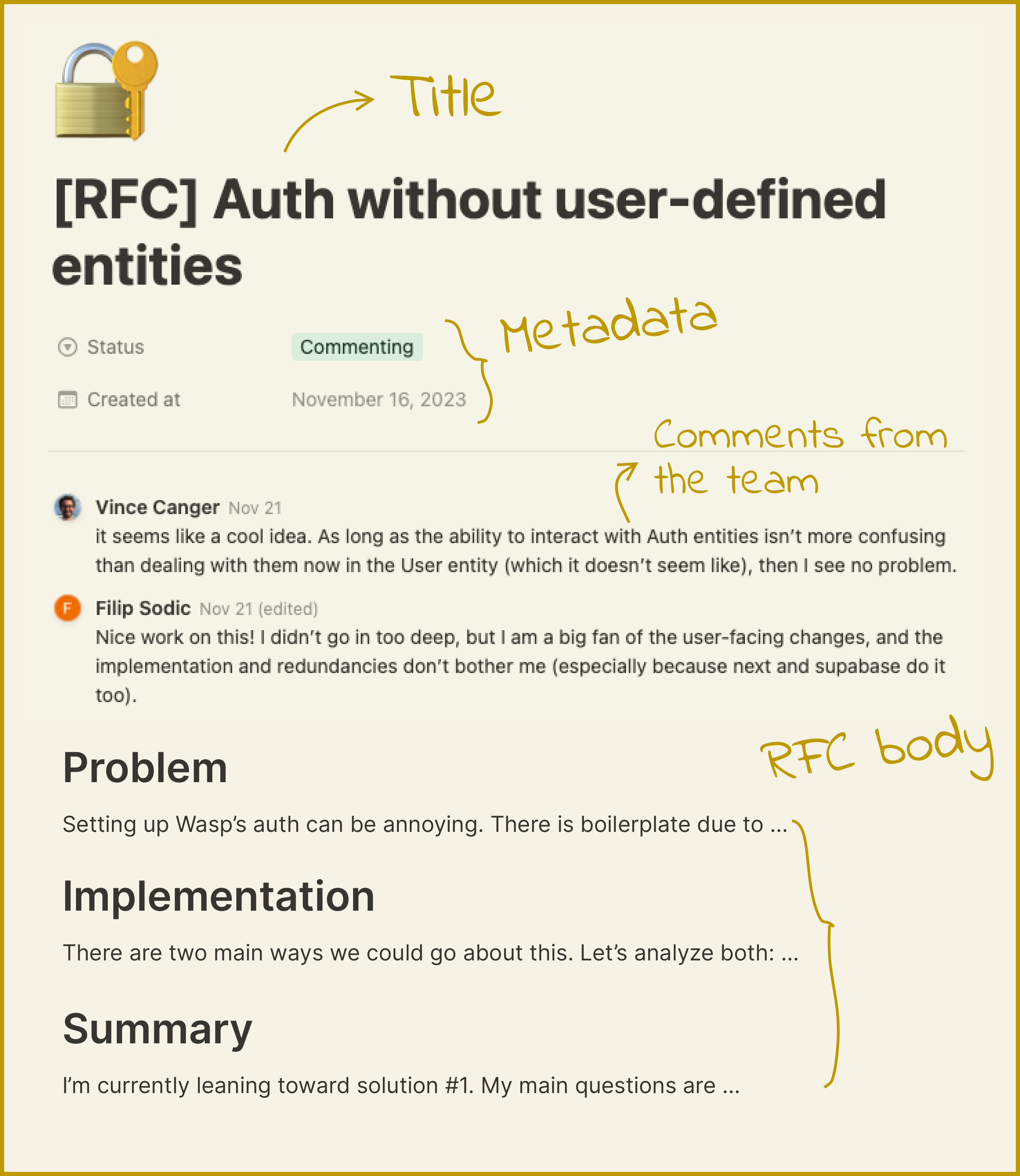
The journey of an idea from a glimmer of inspiration to a published RFC is a rigorous and collaborative process, deeply rooted in the open-source ethos that defines much of internet development. It’s a testament to the power of collective intelligence and iterative refinement.
From Individual Idea to Working Group Proposal
The process typically begins with an individual or a group of individuals identifying a need or proposing a new technical solution. This initial idea is often discussed within relevant mailing lists or informal gatherings of the IETF community. If the idea gains traction and shows promise, it may be formally brought before an IETF Working Group. Working Groups are focused entities within the IETF that address specific technical areas. They serve as the primary forum for discussing, developing, and refining technical specifications.
Drafting and Iteration: The Heart of Consensus
Once an idea is under the purview of a Working Group, the real work begins. A “draft” of the proposed RFC is created. This draft is not static; it is a living document that is constantly updated and revised based on feedback from Working Group members. This iterative process involves extensive debate, technical analysis, and often, compromises. The goal is to reach a broad consensus among the diverse stakeholders involved. This can be a lengthy and challenging process, as it requires reconciling different perspectives and technical approaches.
Formal Review and Publication
When the Working Group feels that a draft has reached a sufficient level of maturity and consensus, it is submitted to the RFC Editor. The RFC Editor then performs a formal review of the document to ensure it adheres to IETF style guides, formatting standards, and that it is technically sound. This review is not about challenging the technical content but about ensuring clarity, consistency, and adherence to established procedures. Once the RFC Editor approves the document, it is assigned a unique number and published as part of the official RFC series. The publication marks a significant milestone, signifying that the document is now a part of the permanent record of internet standards and best practices.
The Role of the Internet Assigned Numbers Authority (IANA)
While the RFC Editor handles the publication of RFCs, the Internet Assigned Numbers Authority (IANA) plays a crucial role in managing various internet identifiers, including IP addresses, domain names, and protocol numbers. Many RFCs specify the allocation and management of these identifiers, and IANA is responsible for implementing these specifications. For example, an RFC might define how a new protocol port number is assigned, and IANA would be the entity that assigns that number.
The Profound Impact of RFCs on the Digital World
The influence of RFCs extends far beyond the technical realm, shaping the very fabric of our digital lives. They are the silent architects of the internet’s interoperability, innovation, and global reach.
Ensuring Interoperability and Global Connectivity
Perhaps the most critical function of RFCs is to ensure interoperability. By providing standardized protocols, RFCs enable devices and software from different manufacturers and developers to communicate seamlessly. Imagine a world where your web browser could only connect to websites hosted on servers from the same company, or where email could only be sent between computers running the same operating system. This would be a fragmented and dysfunctional internet. RFCs, like HTTP for web browsing, SMTP for email, and IP for network addressing, provide the common language that allows the global internet to function as a unified whole. This interoperability is the foundation upon which global connectivity is built.
Driving Innovation and Technological Advancement
While RFCs standardize existing technologies, they also serve as springboards for innovation. The open process of developing RFCs encourages the exploration of new ideas and solutions. Researchers and engineers can propose new protocols or improvements to existing ones, knowing that their ideas will be considered and debated by a global community. Many revolutionary internet technologies, from the early days of email to modern protocols for secure communication and efficient data transfer, have their roots in the RFC process. The continuous evolution of RFCs reflects the ongoing innovation within the internet engineering community.
The Foundation for Digital Security
In an age where cybersecurity is paramount, RFCs play a vital role in establishing security standards. Protocols like TLS/SSL (Transport Layer Security/Secure Sockets Layer), which are standardized through RFCs, provide the encryption that secures our online communications and transactions. RFCs also define security best practices and guidelines for network operations, helping to mitigate vulnerabilities and protect against cyber threats. The development of robust security protocols is an ongoing effort, and RFCs remain the primary mechanism for documenting and disseminating these critical advancements.
A Legacy of Openness and Collaboration
The RFC series is more than just a collection of technical documents; it represents a historical legacy of openness, collaboration, and meritocracy in technological development. The decentralized and consensus-driven nature of the IETF and the RFC process stands in contrast to more proprietary or top-down approaches to standardization. This open model has fostered a vibrant ecosystem of innovation and ensured that the internet remains a relatively open and accessible platform for billions of users worldwide. The ongoing contributions from individuals and organizations worldwide are a testament to the enduring strength of this collaborative model.
In conclusion, RFCs are the unsung heroes of the internet. They are the meticulously crafted specifications that enable the complex dance of data across the globe. From the earliest days of ARPANET to the sophisticated infrastructure of today, RFCs have consistently provided the standardized blueprints that allow for interoperability, drive innovation, and underpin the security of our digital world. Understanding what an RFC is provides a deeper appreciation for the engineering marvel that is the internet and the collaborative spirit that continues to shape its future.
aViewFromTheCave is a participant in the Amazon Services LLC Associates Program, an affiliate advertising program designed to provide a means for sites to earn advertising fees by advertising and linking to Amazon.com. Amazon, the Amazon logo, AmazonSupply, and the AmazonSupply logo are trademarks of Amazon.com, Inc. or its affiliates. As an Amazon Associate we earn affiliate commissions from qualifying purchases.