
The landscape of labor compensation in the United States is a patchwork of federal mandates and state-specific regulations. For those living or operating a business in the Show-Me State, understanding the Missouri minimum wage is not merely a matter of legal compliance; it is a fundamental pillar of personal and business financial planning. As of 2024 and looking toward 2025, Missouri has positioned itself as a state with aggressive incremental increases, aimed at balancing the purchasing power of workers with the operational realities of local businesses.
In this comprehensive guide, we will analyze the current state of Missouri’s minimum wage, the legislative trajectory that brought us here, and the strategic financial implications for both the individual earner and the corporate entity.
Understanding the 2024–2025 Missouri Minimum Wage Landscape
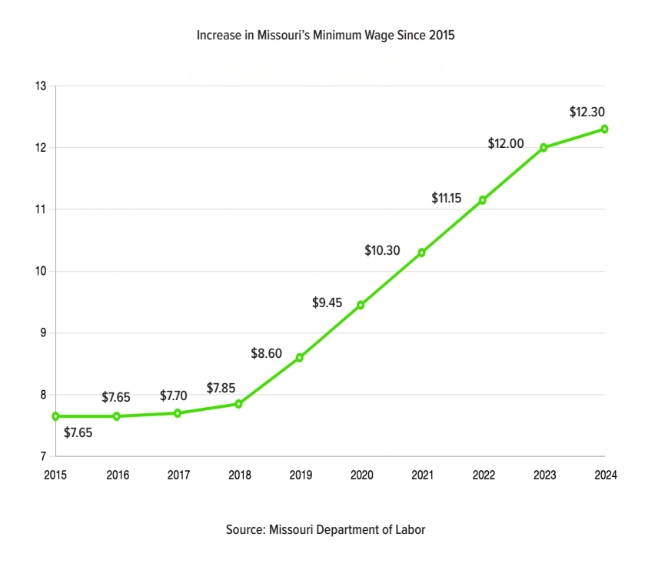
Missouri’s approach to the minimum wage has undergone significant transformation over the last decade. Unlike states that strictly follow the federal minimum of $7.25 per hour, Missouri voters and legislators have opted for a more proactive model. This shift is driven by a desire to keep pace with inflation and provide a “living wage” that reflects the actual cost of living in the Midwest.
The Current Rate and Scheduled Increases
As of January 1, 2024, the minimum wage in Missouri is set at $12.30 per hour. This rate applies to most private employers in the state. However, the financial horizon changed significantly following the November 2024 election. With the passage of Proposition A, Missourians voted to further accelerate wage growth.
Starting January 1, 2025, the minimum wage will jump to $13.75 per hour. This will be followed by another increase to $15.00 per hour on January 1, 2026. Beyond 2026, the law stipulates that the wage will be adjusted annually based on changes in the Consumer Price Index (CPI), ensuring that the floor for earnings does not stagnate against the rising costs of goods and services.
Tipped Employees and Sub-Minimum Wage Exceptions
A critical component of the Missouri labor law concerns tipped employees—those who work in the hospitality and service industries. Under current regulations, employers are required to pay tipped employees at least 50% of the standard minimum wage. For 2024, this base rate is $6.15 per hour.
However, the “tip credit” system comes with a strict caveat: if an employee’s combined base wage plus tips does not equal the full minimum wage ($12.30 in 2024), the employer is legally obligated to pay the difference. From a financial management perspective, this requires meticulous record-keeping for restaurant owners and service-based businesses to ensure they remain compliant while managing their payroll tax obligations.
Implications for Business Finance and Operational Costs
For business owners in Missouri, the steady climb toward a $15.00 minimum wage represents a significant shift in the cost of doing business. Labor is often the largest line item on a profit and loss (P&L) statement, and an increase in the base wage has a “ripple effect” across the entire organizational chart.
Budgeting for Increased Labor Expenses
When the minimum floor for wages rises, it isn’t just the entry-level employees who see a change. To maintain internal equity and morale, businesses often find they must increase the wages of supervisors and mid-level managers as well. This is known as “wage compression.”
To handle these rising costs, Missouri businesses are turning to sophisticated financial forecasting. This involves:
- Labor-to-Revenue Analysis: Closely monitoring what percentage of total revenue is consumed by payroll.
- Pricing Strategy Adjustments: Many small businesses, particularly in retail and food service, are forced to evaluate whether they can pass these costs to consumers without losing market share.
- Capital Investment in Automation: In the “Money” niche, we often see businesses shifting capital from labor to technology—such as self-service kiosks—to mitigate the long-term impact of rising hourly rates.
Compliance and Legal Risks for Small Businesses
Non-compliance with Missouri minimum wage laws can lead to devastating financial penalties. The Missouri Department of Labor and Industrial Relations (DOLIR) oversees wage and hour disputes. If an employer is found to have underpaid staff, they may be liable for back wages, liquidated damages (often doubling the amount owed), and attorney’s fees.
Business finance experts recommend implementing automated payroll systems that update automatically with state law changes. Furthermore, the “Summary of Missouri Minimum Wage Law” poster must be displayed in a conspicuous place in every workplace. Failure to do so is a common oversight that can trigger audits.
Personal Finance Strategy for Minimum Wage Earners
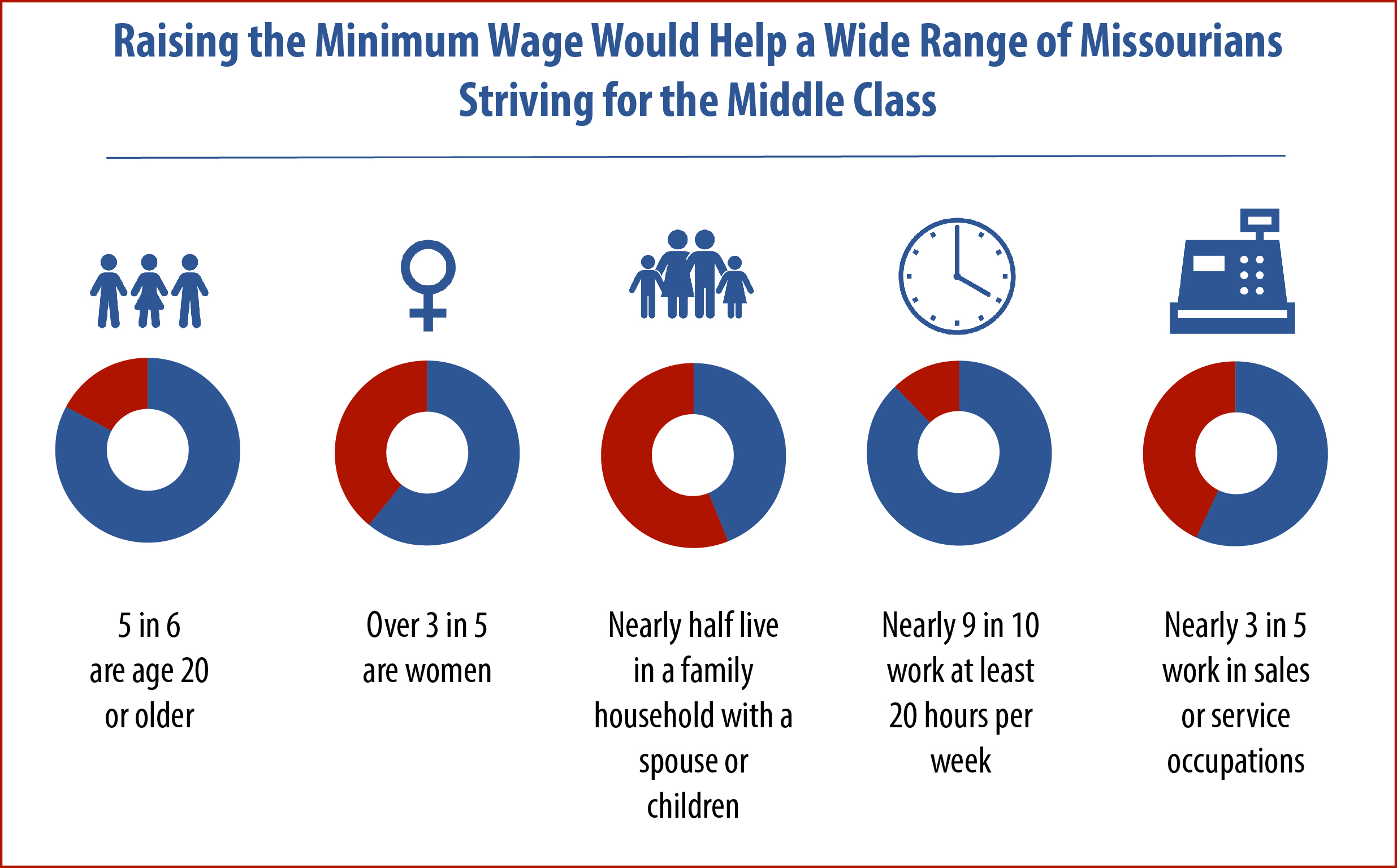
For the individual worker, an increase in the minimum wage is an opportunity to improve their financial health. However, without a strategic approach to personal finance, these gains can quickly be absorbed by “lifestyle creep” or the rising cost of essentials like housing and groceries.
Maximizing Take-Home Pay and Budgeting
With the 2025 increase to $13.75, a full-time worker (40 hours per week) in Missouri will earn a gross annual income of approximately $28,600. While this is an improvement, it still requires disciplined budgeting.
Financial experts often recommend the 50/30/20 rule:
- 50% for Needs: Rent, utilities, and transportation in Missouri. (Missouri remains relatively affordable compared to coastal states, but urban centers like St. Louis and Kansas City are seeing rising rents).
- 30% for Wants: Modest entertainment and lifestyle choices.
- 20% for Financial Goals: This is the most critical segment. Minimum wage earners should prioritize an emergency fund and, if possible, take advantage of employer-sponsored retirement plans like a 401(k), especially if there is a company match.
Transitioning from Minimum Wage to High-Value Skills
While the rising minimum wage provides a safer floor, the ultimate goal of personal finance is to move beyond the floor. The current economic climate in Missouri provides various incentives for “upskilling.”
Workers can leverage their increased earnings to fund certifications or vocational training in sectors like healthcare, advanced manufacturing, or specialized trades. In the context of “Money” and “Online Income,” many Missourians are also using their off-hours to build side hustles or learn digital skills that allow them to tap into a global marketplace where the earning potential far exceeds the local minimum wage.
Economic Impact and the Local Market Context
The debate over the minimum wage often focuses on whether it helps or hurts the economy. In Missouri, the impact is nuanced and varies significantly between the bustling metropolitan areas and the rural communities.
Cost of Living vs. Wage Growth in Missouri
Missouri generally enjoys a cost of living that is lower than the national average. This means that a $13.75 or $15.00 minimum wage in Missouri carries more purchasing power than it would in California or New York.
For the Missouri economy, this “excess” purchasing power can lead to increased consumer spending, which benefits local businesses. This is the “circular flow of income” in action: higher wages lead to higher demand for local goods, which can potentially offset the higher labor costs for those businesses. However, the risk remains that in rural areas where margins are razor-thin, the sudden jump in labor costs could lead to reduced hours for workers.
Comparing Missouri to Neighboring States
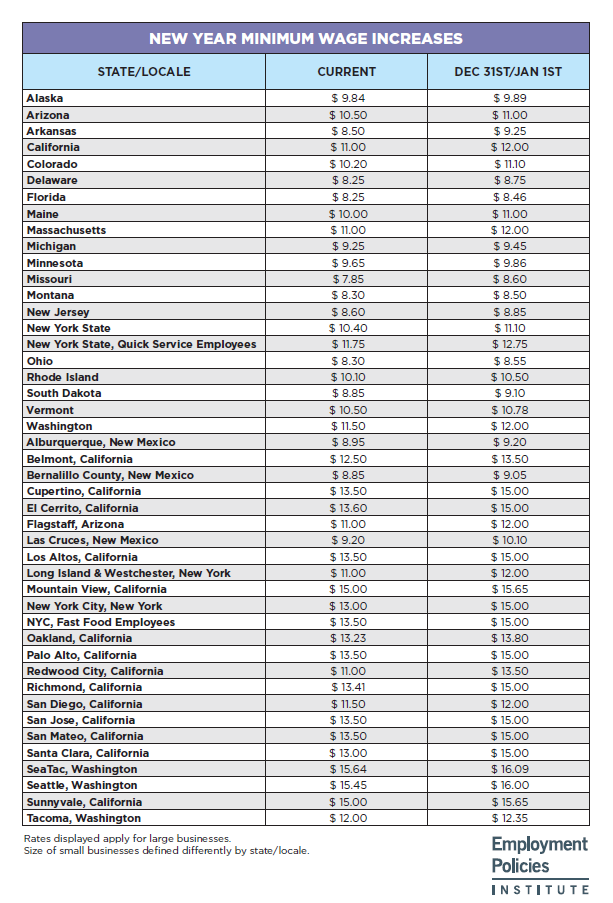
Missouri’s wage policy also affects its competitive standing in the Midwest. Neighboring states like Kansas and Oklahoma still adhere to the federal minimum of $7.25. This creates a unique dynamic:
- Labor Attraction: Missouri may attract workers from across the border in Kansas who are seeking higher hourly pay for similar roles.
- Business Migration: Conversely, some businesses that are extremely labor-intensive may consider relocating their operations to neighboring states with lower wage floors to maintain profitability.
For investors and business analysts, this “wage gap” between Missouri and its neighbors is a key metric to watch when evaluating regional economic health and real estate investment opportunities.
Conclusion: Navigating the Future of Missouri’s Economy
The Missouri minimum wage is more than just a number on a paycheck; it is a reflection of the state’s evolving economic priorities. As the state moves toward a $15.00 minimum by 2026, the financial implications will continue to unfold.
For business owners, the priority must be operational efficiency and proactive financial planning to absorb these costs without compromising the quality of service. For workers, the focus should be on using the increased income as a springboard for greater financial security and long-term wealth building. By understanding the laws, preparing for the scheduled increases, and managing capital wisely, both employers and employees in the Show-Me State can thrive in this changing financial environment.
aViewFromTheCave is a participant in the Amazon Services LLC Associates Program, an affiliate advertising program designed to provide a means for sites to earn advertising fees by advertising and linking to Amazon.com. Amazon, the Amazon logo, AmazonSupply, and the AmazonSupply logo are trademarks of Amazon.com, Inc. or its affiliates. As an Amazon Associate we earn affiliate commissions from qualifying purchases.