
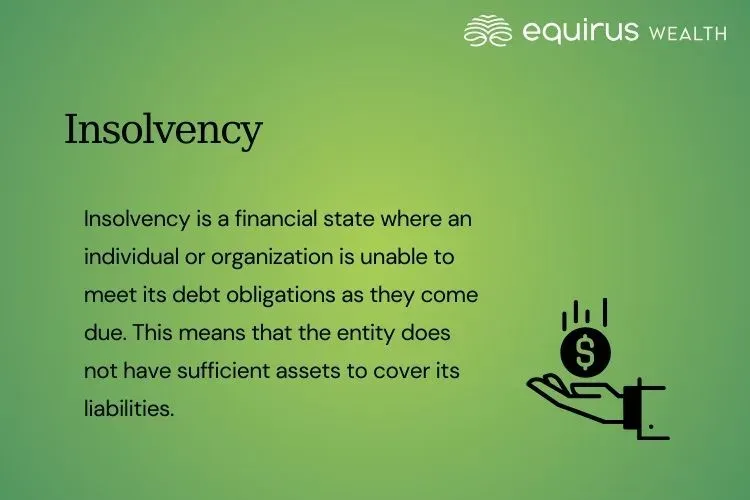
Insolvency is a critical financial state that signifies an inability to meet financial obligations. It’s a term that often evokes anxiety, but understanding its nuances is crucial for both individuals and businesses navigating the complexities of financial health. At its core, insolvency represents a point where liabilities – what you owe – exceed assets – what you own, or when you simply cannot pay your debts as they fall due. This can be a temporary or a more persistent condition, with significant legal and practical implications. While often associated with bankruptcy, insolvency is a broader concept, and understanding its different forms, causes, and potential consequences is vital for proactive financial management and informed decision-making.

Understanding the Core Concepts of Insolvency
Insolvency isn’t a single, monolithic state; rather, it’s characterized by distinct definitions and manifestations. The fundamental distinction lies between cash-flow insolvency and balance-sheet insolvency, each pointing to different underlying financial pressures.
Cash-Flow Insolvency: The Immediate Crisis
Cash-flow insolvency, often termed “insolvency in the ordinary course of business,” is perhaps the most common and immediate form of insolvency. It arises when an individual or a business, despite potentially having sufficient assets in total, lacks the liquid funds or readily convertible assets to meet their immediate payment obligations. Think of it as having a lot of valuable property but not enough cash in your bank account to pay your rent or your suppliers this month.
- Definition: This occurs when a debtor is unable to pay their debts as they become due, even if their total assets might theoretically be worth more than their total liabilities. The problem isn’t necessarily a lack of wealth, but a lack of liquidity – the ability to convert assets into cash quickly enough to meet short-term demands.
- Causes: Several factors can lead to cash-flow insolvency. For businesses, this might include a sudden downturn in sales, a prolonged period of late payments from customers, unexpected large expenses, or poor cash flow management. For individuals, it could stem from job loss, unexpected medical bills, or overspending that outstrips income. Seasonal businesses are particularly prone to temporary cash-flow challenges.
- Consequences: The immediate consequence of cash-flow insolvency is the inability to pay bills, which can lead to late fees, damaged credit scores, strained relationships with suppliers or creditors, and potentially legal action. If left unaddressed, it can spiral into a more severe form of insolvency.
Balance-Sheet Insolvency: The Deeper Structural Issue
Balance-sheet insolvency, also known as “balance-sheet insolvency” or “insolvency in the broader sense,” represents a more fundamental and often more severe financial predicament. Here, the problem isn’t just about a temporary lack of cash; it’s about the fact that the total value of an individual’s or business’s liabilities (what they owe) is greater than the total value of their assets (what they own).
- Definition: This occurs when a debtor’s liabilities exceed their assets. In simpler terms, if you were to sell everything you own to pay off all your debts, you would still owe money. This indicates a deep structural problem with your financial position.
- Causes: Balance-sheet insolvency can be the result of accumulated losses over time, significant asset depreciation, a major economic downturn affecting asset values, or taking on excessive debt that can no longer be serviced by the entity’s earnings or asset base. It often reflects long-term strategic missteps, market shifts, or an unsustainable financial structure.
- Consequences: This form of insolvency is a strong indicator of impending failure. It often triggers formal insolvency proceedings, such as bankruptcy or liquidation, as it becomes clear that the debtor cannot realistically recover and meet all their obligations. Creditors have a strong incentive to initiate legal action to recover as much of their money as possible.
The Causes and Triggers of Insolvency
Insolvency rarely strikes without warning. It is typically the culmination of a series of events or underlying weaknesses that erode an individual’s or business’s financial stability. Understanding these root causes is essential for prevention and early intervention.
Internal Factors: Management and Operational Weaknesses
Many causes of insolvency stem from within the individual’s or business’s own control, relating to decision-making, operational efficiency, and financial management.
- Poor Financial Management: This is a ubiquitous factor. For businesses, it includes inadequate budgeting, poor credit control (not chasing debts effectively), insufficient cash flow forecasting, and a lack of understanding of key financial metrics. For individuals, it can involve overspending, failing to budget, accumulating high-interest debt, and not planning for future expenses or income fluctuations.
- Inefficient Operations: For businesses, this can mean high operating costs, outdated technology, poor inventory management, or a lack of productivity. These inefficiencies eat into profit margins and cash reserves, making the business more vulnerable to external shocks.
- Lack of Strategic Planning: Failing to adapt to market changes, innovate, or develop a clear long-term vision can lead to obsolescence and declining revenue. Businesses that don’t anticipate future trends or competitor actions are at a significant disadvantage.
- Fraud and Mismanagement: While less common, internal fraud or outright mismanagement by key individuals can quickly deplete assets and lead to insolvency. This includes embezzlement, unauthorized spending, or making reckless business decisions.
External Factors: Market and Economic Pressures
Beyond internal weaknesses, external forces often play a significant role in pushing individuals and businesses towards insolvency. These are factors that are largely outside of an entity’s direct control.
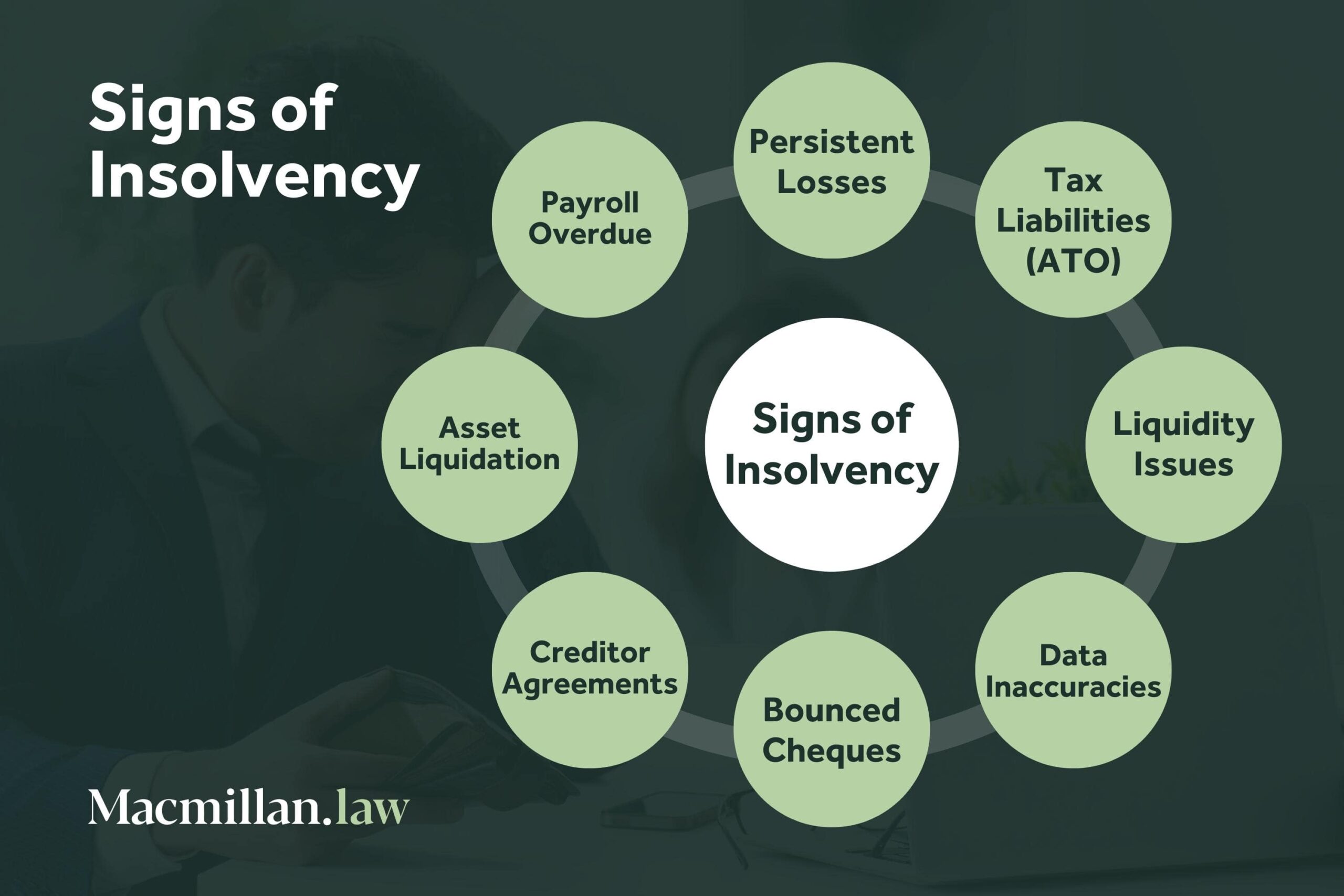
- Economic Downturns and Recessions: Broad economic contractions lead to reduced consumer spending and business investment, directly impacting revenues. A widespread recession can cripple industries and lead to a cascade of insolvencies.
- Increased Competition: New market entrants, disruptive technologies, or aggressive pricing by competitors can erode market share and profit margins, making it difficult to sustain operations.
- Changes in Consumer Demand: Shifts in consumer preferences, tastes, or the emergence of substitute products can render existing products or services less viable, leading to declining sales.
- Regulatory Changes and Legal Issues: New regulations can impose significant compliance costs or restrict business activities. Lawsuits, product recalls, or other legal liabilities can also create substantial financial burdens.
- Unforeseen Events: Natural disasters, pandemics (like COVID-19), or major geopolitical events can disrupt supply chains, halt operations, and create sudden, significant financial distress.
The Process and Consequences of Insolvency
When insolvency is recognized, a structured process often follows, leading to a range of consequences that vary depending on the jurisdiction and the specific circumstances.
Formal Insolvency Procedures: Legal Frameworks for Resolution
Formal insolvency proceedings provide a legal framework to manage the affairs of an insolvent individual or business. These processes are designed to ensure fair treatment of creditors and, where possible, facilitate recovery or an orderly wind-down.
- Bankruptcy (Individuals and Businesses): In many jurisdictions, bankruptcy is a legal status granted to individuals or businesses that are unable to repay their outstanding debts. It involves a court-supervised process where an appointed trustee or administrator takes control of the debtor’s assets, liquidates them, and distributes the proceeds to creditors according to a prioritized schedule. The debtor may be granted a discharge of certain debts after the process is complete.
- Liquidation (Businesses): This is the process of winding up the affairs of a company. An appointed liquidator sells all the company’s assets, pays off its debts, and distributes any remaining funds to shareholders. If there are insufficient assets to pay creditors, the company is dissolved. This can be voluntary (initiated by the company) or compulsory (ordered by a court).
- Administration (Businesses): This is a rescue mechanism where an administrator is appointed to take control of a company’s affairs. The administrator’s primary goal is to rescue the company as a going concern, achieve a better result for creditors than liquidation, or realize property to make a distribution to secured or preferential creditors.
- Receivership (Businesses): A receiver is typically appointed by a secured creditor (e.g., a bank with a charge over the company’s assets) to take control of specific assets and sell them to recover the debt owed. A receiver may not necessarily take over the entire company.
The Ramifications of Insolvency: Beyond Financial Loss
The consequences of insolvency extend far beyond mere financial loss, impacting individuals and businesses in profound and multifaceted ways.
- For Individuals:
- Credit Impairment: An insolvency event, especially bankruptcy, severely damages an individual’s credit rating, making it extremely difficult to obtain loans, mortgages, or even rent property for many years.
- Loss of Assets: Depending on the insolvency proceedings, individuals may lose significant personal assets, including homes, vehicles, and savings.
- Reputational Damage: For professionals or business owners, insolvency can lead to a damaged reputation, affecting future employment or business opportunities.
- Emotional and Psychological Toll: The stress, shame, and uncertainty associated with insolvency can have a significant negative impact on mental health and well-being.
- For Businesses:
- Loss of Control: Directors and owners lose control of the business as it passes into the hands of an insolvency practitioner.
- Reputational Damage: A company’s insolvency can severely damage its reputation with customers, suppliers, and potential investors, making future recovery or rebuilding difficult.
- Job Losses: Insolvency often leads to significant job losses for employees, impacting the local economy.
- Legal Ramifications: Directors can face investigations into their conduct, and in some cases, disqualification from acting as a director in the future.
- Dissolution: Ultimately, for many insolvent businesses, liquidation leads to their complete dissolution, ending their existence.
Preventing and Managing Insolvency
While insolvency can seem like an inevitable outcome of financial distress, proactive measures and strategic management can significantly mitigate the risks and, in some cases, steer a course away from its harshest consequences.
Proactive Financial Management: Building Resilience
The cornerstone of insolvency prevention lies in robust and ongoing financial management, both for individuals and businesses.
- Cash Flow Forecasting and Management: Regularly monitoring and forecasting cash inflows and outflows is paramount. Businesses should maintain sufficient working capital and have contingency plans for periods of low liquidity. Individuals need to understand their monthly expenses and income streams to avoid shortfalls.
- Debt Management: Avoiding excessive debt, especially high-interest debt, is critical. For businesses, this involves careful consideration of financing options and ensuring debt can be serviced comfortably. Individuals should prioritize paying down debts and avoiding unnecessary borrowing.
- Budgeting and Financial Planning: Establishing and adhering to realistic budgets is fundamental. This includes setting financial goals, tracking progress, and making adjustments as needed. Long-term financial planning for retirement, investments, or business expansion is also vital.
- Regular Financial Reviews: Conducting periodic reviews of financial statements, performance metrics, and overall financial health allows for early identification of potential problems. This can involve engaging with financial advisors, accountants, or auditors.
- Building Reserves and Contingency Funds: Having an emergency fund or a contingency reserve can provide a buffer against unexpected expenses or income disruptions, preventing a minor issue from escalating into insolvency.
Seeking Early Intervention: The Value of Professional Advice
When signs of financial distress begin to emerge, seeking professional help early is often the most effective way to manage the situation and explore available options. Delaying action can significantly limit the range of solutions.
- Consulting Financial Advisors and Accountants: Professionals can offer objective advice, help analyze the financial situation, identify underlying causes, and recommend appropriate strategies, such as restructuring debt, cost-cutting measures, or renegotiating terms with creditors.
- Legal Counsel: For businesses facing complex financial challenges or potential legal disputes with creditors, legal counsel specializing in insolvency and corporate restructuring is invaluable. They can explain legal obligations and navigate formal insolvency processes.
- Debt Counselling Services: For individuals struggling with overwhelming debt, reputable debt counselling services can provide guidance on managing payments, negotiating with creditors, and exploring debt management plans or consolidation options.
- Exploring Restructuring and Turnaround Options: In many cases, insolvency doesn’t automatically mean the end of a business. With professional guidance, it may be possible to restructure operations, renegotiate debt, sell non-core assets, or find new investment to achieve a turnaround and avoid formal insolvency proceedings.
Insolvency is a serious financial condition, but it is not an insurmountable obstacle in all cases. By understanding its definitions, causes, processes, and consequences, and by prioritizing proactive financial management and seeking timely professional advice, individuals and businesses can better navigate financial challenges and build a more resilient future.
aViewFromTheCave is a participant in the Amazon Services LLC Associates Program, an affiliate advertising program designed to provide a means for sites to earn advertising fees by advertising and linking to Amazon.com. Amazon, the Amazon logo, AmazonSupply, and the AmazonSupply logo are trademarks of Amazon.com, Inc. or its affiliates. As an Amazon Associate we earn affiliate commissions from qualifying purchases.