
In the world of literature, the question “what is imagery in poetry” is often answered by pointing to the sensory details that allow a reader to experience a poem through sight, sound, smell, taste, and touch. However, in the contemporary landscape of brand strategy and corporate identity, imagery has transcended the printed page. Today, the most successful brands in the world function like master poets. They do not simply sell products; they cultivate vivid, sensory-rich worlds that resonate with consumers on an emotional level.
Understanding imagery in poetry is the first step toward mastering the art of brand storytelling. When a brand uses “imagery,” it is leveraging the same psychological triggers that a poet uses to evoke a feeling or a memory. By translating the literary concept of imagery into a marketing context, businesses can move beyond transactional relationships and build lasting, evocative identities.
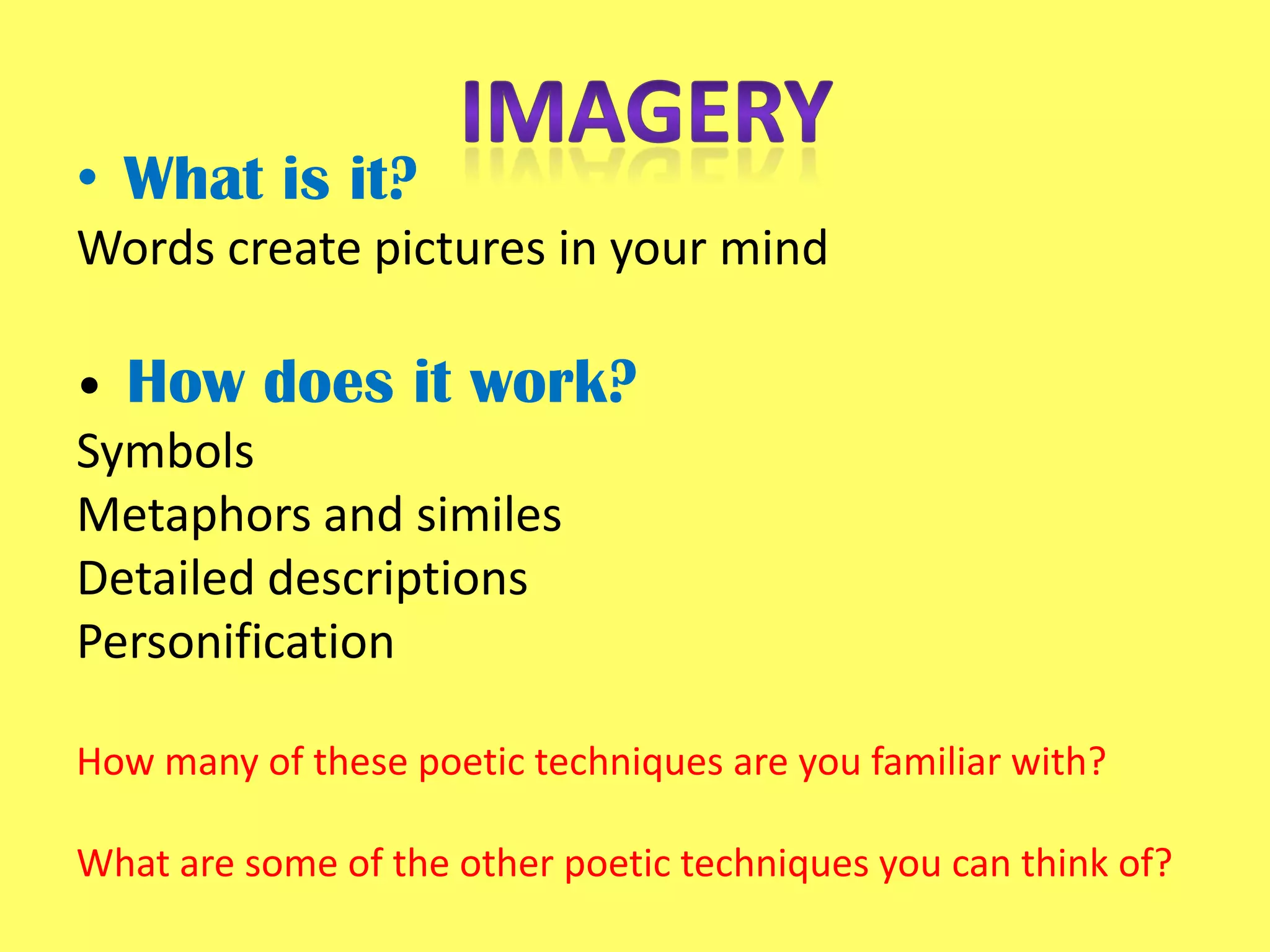
The Evolution of Imagery: From the Page to the Marketplace
To understand how imagery functions in brand strategy, we must first look at its origins in the literary world. Imagery is the use of figurative language to represent objects, actions, and ideas in such a way that it appeals to our physical senses. When a poet describes a “blood-red sunset over a jagged, silver sea,” they are not just conveying information; they are creating a visceral experience.
Defining Imagery in the Context of Narrative
In poetry, imagery is categorized into five primary types: visual (sight), auditory (sound), olfactory (smell), gustatory (taste), and tactile (touch). In a brand context, these translate into “Brand Touchpoints.” Every time a consumer interacts with a brand—whether through an Instagram ad, the packaging of a parcel, or the ambient music in a retail store—they are processing imagery.
A brand that lacks imagery is a brand that is purely functional. For example, a generic dish soap might focus on “cleaning power” (a literal description). In contrast, a brand like Dawn uses imagery—the soft feathers of a duckling being cleaned—to evoke tactile softness and ethical compassion. This is the “poetry” of branding: using specific, sensory details to communicate a complex value proposition.
Why Poets and Marketers Share the Same Toolset
The goal of a poet is to make the reader feel something without explicitly telling them what to feel. This is the “show, don’t tell” rule. Similarly, modern branding has moved away from “telling” consumers that a product is high-quality. Instead, brands “show” quality through the weight of a product’s packaging (tactile imagery), the minimalist “breathing room” in a website design (visual imagery), and the specific language used in copy.
When we ask “what is imagery in poetry,” we are essentially asking how words create a mental image. For a brand strategist, the question is how brand assets create a mental “vibe” or “lifestyle.” Both disciplines rely on the human brain’s ability to associate sensory input with emotional output.
The Five Senses of a Brand: Crafting Multi-Dimensional Identity
To build a robust brand strategy, one must apply the five types of poetic imagery across all marketing channels. A brand that only focuses on visual identity is like a poem that only describes colors; it lacks the depth required to truly immerse the audience.
Visual Imagery: More Than Just a Logo
Visual imagery is the most obvious parallel between poetry and branding. In poetry, visual imagery involves the use of color, shape, and light. In branding, this encompasses the logo, color palette, and typography. However, sophisticated brand strategy goes deeper. It considers “visual metaphors.”
Consider Apple’s visual imagery. It isn’t just about the apple logo; it’s about the “white space” in their stores and on their website. This visual imagery communicates “clarity,” “simplicity,” and “the future.” By stripping away the clutter, Apple uses visual poetry to signal that their technology is an extension of the user’s own mind.
Auditory and Olfactory Imagery in Brand Experience
Auditory imagery in poetry focuses on onomatopoeia, alliteration, and rhythm. In brand strategy, this is “Sonic Branding.” The Intel chime, the Netflix “ta-dum,” or the specific sound of a Harley-Davidson engine are all forms of auditory imagery. These sounds trigger immediate brand recognition and emotional recall.
Olfactory imagery (smell) is perhaps the most powerful but underutilized tool in corporate identity. Retailers like Abercrombie & Fitch or West Elm use signature scents in their stores. This “scent poetry” creates an invisible layer of imagery that binds the consumer to the physical space, creating a sensory memory that a digital ad simply cannot replicate.
Tactile and Gustatory Language in High-End Copy
Tactile imagery involves textures and temperatures. In luxury branding, the “hand-feel” of a brochure’s paper stock or the cold weight of a stainless-steel watch communicates “premium” more effectively than any slogan.

Gustatory imagery (taste) is vital for food and beverage brands but can also be used metaphorically. Copywriters often use “flavorful” language to describe non-food items—describing a color as “zesty” or a service as “crisp.” This cross-sensory approach, known as synesthesia, helps a brand occupy more “real estate” in the consumer’s brain.
The Psychology of Symbolism and Metaphor in Consumer Behavior
At its core, “what is imagery in poetry” is a question about symbolism. A rose is rarely just a rose in a poem; it is love, fragility, or even death. In brand strategy, products are the symbols. A Nike shoe is not just footwear; it is the “spirit of the athlete.” A Rolex is not just a timekeeper; it is a “legacy.”
Moving Beyond Literal Descriptions
The mistake many emerging brands make is sticking to literal descriptions. They describe what the product is rather than what it represents. Poetic imagery allows a brand to bypass the logical, skeptical part of the brain and speak directly to the subconscious.
When a financial services firm uses imagery of a “calm harbor” or a “sturdy lighthouse,” they are using metaphorical imagery to sell “security.” They aren’t talking about interest rates or portfolio diversification in that moment; they are creating a mental image of safety. This is the same technique used by Romantic poets to convey the sublimity of nature.
Case Study: Luxury Brands and the “Poetry” of Exclusivity
Luxury brands are the masters of poetic imagery. Brands like Hermès or Chanel rarely talk about the utility of their products. Their marketing is almost entirely composed of high-concept visual and verbal imagery.
For instance, a Chanel advertisement might feature a woman walking through a rain-drenched Parisian street at dusk. This imagery (visual, tactile, and even olfactory) creates a narrative of mystery, independence, and sophistication. The product—a bottle of perfume—is the “word” in the poem that brings the entire image into focus. Without the imagery, the product is just scented water; with the imagery, it is an entry point into a dream.
Implementing Poetic Imagery in Your Content Marketing
Integrating the principles of poetic imagery into a brand strategy requires a disciplined approach to content creation. It is about choosing the right “words” (assets) to build a cohesive “poem” (brand identity).
Auditing Your Brand’s “Sensory Vocabulary”
The first step for any brand strategist is to perform a sensory audit. Ask yourself:
- What does our brand look like? (Beyond the logo—what are the recurring visual motifs?)
- What does our brand sound like? (What is the tone of voice? Is it staccato and modern, or flowing and traditional?)
- What does our brand feel like? (What is the “texture” of our customer service or our physical packaging?)
By defining these elements, you create a “style guide” that functions like a poetic meter. It ensures that every piece of content reinforces the same imagery.
Creating Emotional Resonance Through Vivid Descriptions
In content marketing, the use of vivid imagery can significantly increase engagement. Instead of saying “Our software is fast,” a brand might say, “Experience a workflow that moves at the speed of thought.” The latter uses imagery to create a mental state of flow and ease.
When writing copy, focus on “active” imagery. Use verbs that evoke movement and nouns that evoke sensory details. This makes the brand’s message more “sticky.” Just as a well-turned phrase in a poem stays with the reader long after they’ve closed the book, well-crafted brand imagery stays with the consumer long after they’ve scrolled past the ad.

Conclusion: The Strategic Power of the Poetic Mind
What is imagery in poetry? It is the bridge between the abstract and the concrete. It is the tool that allows an author to take a fleeting emotion and make it tangible for the reader. In the world of business, brand strategy performs the exact same function.
By embracing the techniques of poetic imagery, brands can transform their corporate identity from a cold, industrial concept into a living, breathing narrative. In an era where consumers are overwhelmed by data and choice, the brands that win are those that can paint a picture, tell a story, and evoke a sense of belonging through the power of imagery. Strategy is the logic, but imagery is the soul of the brand.
aViewFromTheCave is a participant in the Amazon Services LLC Associates Program, an affiliate advertising program designed to provide a means for sites to earn advertising fees by advertising and linking to Amazon.com. Amazon, the Amazon logo, AmazonSupply, and the AmazonSupply logo are trademarks of Amazon.com, Inc. or its affiliates. As an Amazon Associate we earn affiliate commissions from qualifying purchases.