
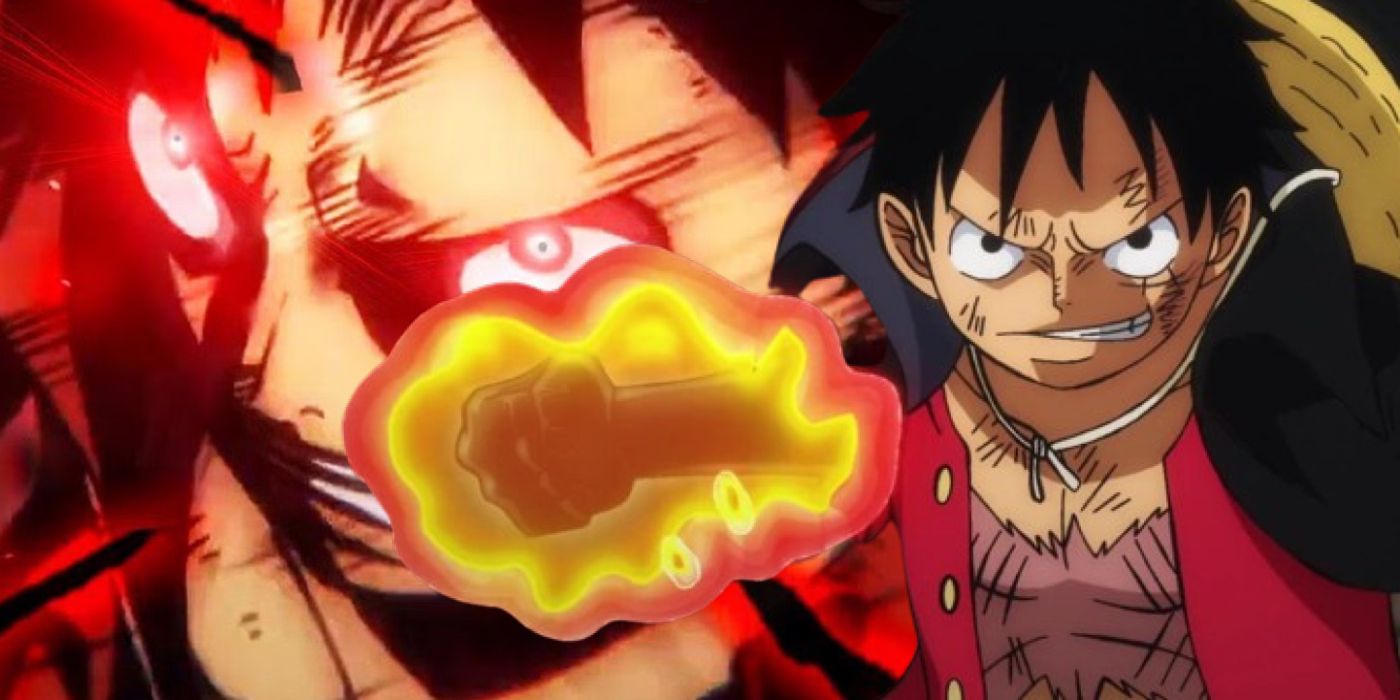
In the competitive landscape of the 21st-century marketplace, some brands possess an inexplicable “presence.” They don’t just sell products; they command attention, dictate trends, and foster a loyalty that borders on the religious. In the world of strategic branding, we have begun to identify this intangible force as “Haki”—a term borrowed from philosophical concepts of “willpower” and “spirit,” repurposed to describe the invisible aura of authority that a brand projects.
While traditional marketing focuses on what a brand says, “Brand Haki” focuses on what a brand is. It is the latent power that allows a company to exert its influence over consumers, competitors, and the market at large without necessarily increasing its advertising spend. Understanding Haki is the key to transitioning from a mere commodity to a cultural icon.

The Anatomy of Brand Haki: Understanding Presence and Perception
To master Haki in a branding context, one must understand that it is not a singular tool, but a tripartite system of influence. Just as a brand identity is composed of logos and colors, Brand Haki is composed of three distinct manifestations: perception, protection, and dominance.
Observation Haki: Market Research and Consumer Insight
The first stage of Brand Haki is “Observation.” In the digital age, this translates to a brand’s ability to sense the “breath” of the market. Brands with high Observation Haki are not reactive; they are predictive. They use data analytics, social listening, and psychological profiling to understand what the consumer wants before the consumer can even articulate it.
This form of Haki allows a brand to bypass the noise of the marketplace. When a brand truly “sees” its audience, its messaging becomes surgical. It speaks directly to the subconscious needs of the demographic, creating a sense of being “understood.” This is why certain brands seem to launch the perfect product at the perfect time, time and again.
Armament Haki: Product Quality and Brand Protection
“Armament Haki” is the defensive and offensive manifestation of a brand’s core substance. It is the invisible armor provided by superior product quality, intellectual property, and a consistent brand promise. In a market saturated with “vaporware” and fleeting trends, Armament Haki is what makes a brand durable.
When a brand possesses strong Armament Haki, it is virtually immune to the “smear campaigns” or temporary market fluctuations that destroy lesser companies. This armor is forged through years of reliability. It is the reason why a loyal customer will defend a brand in an online forum as if they were defending a family member. The brand’s “spirit” has become a tangible shield of trust.
Conqueror’s Haki: The Rare Trait of Market Dominance
The most elusive form of this power is “Conqueror’s Haki.” This is the ability to exert one’s will over others by sheer presence alone. In branding, this is seen in companies like Apple, Tesla, or Nike. These brands do not follow market trends; they are the market.
A brand with Conqueror’s Haki has such a potent identity that it can enter an entirely new vertical—moving from computers to phones, or from cars to solar energy—and immediately command a premium price and a dominant market share. This is the ultimate goal of brand strategy: to reach a level of influence where the brand’s existence alone shapes the industry’s future.
Building Your Brand’s “Willpower”: The Strategic Foundation
Haki is not something that is bought; it is something that is cultivated. It is the manifestation of a brand’s “will.” If a brand lacks a clear mission or operates solely for short-term profit, its Haki will be weak, and it will eventually be overwhelmed by more “spirited” competitors.
Defining Core Values and Mission
The foundation of Brand Haki lies in the “Why.” According to Simon Sinek’s Golden Circle, most companies know what they do, but very few know why they do it. The “Why” is the source of the brand’s spirit. For a brand to project Haki, its mission must be larger than its product.
Whether it is Patagonia’s commitment to environmentalism or Lego’s dedication to creativity, these core values provide the “spiritual” energy that powers the brand. When every employee, from the CEO to the intern, embodies these values, the brand begins to emit a consistent frequency that the market can feel. This consistency is the prerequisite for Haki.
Emotional Connection and Narrative Power
Data tells, but stories sell. The willpower of a brand is communicated through its narrative. A brand without a story is like a person without a personality; they may be functional, but they are not memorable.
To develop Haki, a brand must craft a narrative where the customer is the hero, and the brand is the “mentor” or the “tool” that allows the hero to achieve their goals. By weaving the brand into the personal story of the consumer, the brand gains an emotional foothold that is far more powerful than any price-point advantage. This narrative “will” is what sustains a brand through economic downturns.
Implementing Haki in Digital Marketing and Identity
In the digital sphere, Haki is translated through design, tone of voice, and user experience. It is the “vibe” of the digital storefront and the “authority” of the social media presence.
Visual Consistency as a Force Multiplier
If Haki is the spirit, then the brand’s visual identity is the vessel. However, many brands dilute their power by being inconsistent. Every time a brand uses a different font, an off-brand color, or a confusing logo variation, its “Haki” leaks.
Mastering Haki requires a disciplined adherence to visual standards. High-Haki brands use design to signal authority. Minimalist aesthetics, purposeful use of negative space, and a refined color palette can subconsciously signal to a consumer that a brand is confident and powerful. A brand that doesn’t need to shout to be seen is a brand that possesses true Haki.
Community Building: Turning Customers into Disciples
The ultimate manifestation of a brand’s Haki is the community it creates. In the digital age, a brand’s strength is measured by the strength of its tribe. Brands with Haki don’t just have “customers”; they have “advocates.”
This community acts as a force multiplier for the brand’s influence. When a brand’s Haki is strong, the community takes on the task of marketing and defending the brand. This organic growth is the “Conqueror’s Haki” in action—the brand’s influence spreading through the sheer will of its followers. To achieve this, brands must prioritize engagement over broadcast, listening to their community and making them feel like part of the brand’s inner circle.
Case Studies: Brands that Mastered the Haki of Influence
To truly understand “What is Haki,” we must look at the organizations that have successfully utilized these principles to achieve unprecedented market positions.
The “Conqueror” Strategy of Apple
Apple is perhaps the most prominent example of a brand with Conqueror’s Haki. They do not participate in “feature wars” with competitors. They do not care about being the first to market with every technology. Instead, they rely on their brand’s “spirit”—a blend of minimalist design, perceived exclusivity, and a “Think Different” philosophy. When Apple releases a product, the market shifts to accommodate them. Their Haki is so strong that they can remove features (like headphone jacks) that would bankrupt other companies, and instead, turn it into a new industry standard.
The “Observation” Strategy of Netflix
Netflix demonstrated incredible Observation Haki when it transitioned from a DVD-by-mail service to a streaming giant, and later, to a content production powerhouse. By sensing the shift in consumer behavior and using massive amounts of data to understand viewing habits, Netflix stayed ahead of traditional Hollywood studios. Their ability to “see” the future of entertainment allowed them to protect their market share even as giants like Disney and Warner Bros. entered the fray.

Conclusion: Cultivating Your Brand’s Latent Potential
“What is Haki?” It is the difference between a business that exists and a brand that leads. It is the intangible “will” that transforms a logo into a symbol of trust, power, and identity.
In a world of infinite choices, consumers are no longer looking for just a product; they are looking for a brand that possesses the spirit and the “Haki” to lead them. Developing this power requires more than a marketing budget; it requires a deep commitment to core values, a surgical understanding of the market, and the courage to project a unique identity.
As you look at your own brand strategy, ask yourself: Is your brand merely a voice in the crowd, or does it possess the Haki to command the room? The journey to market dominance begins with the cultivation of that inner spirit. Once a brand masters its Haki, the market doesn’t just listen—it follows.
aViewFromTheCave is a participant in the Amazon Services LLC Associates Program, an affiliate advertising program designed to provide a means for sites to earn advertising fees by advertising and linking to Amazon.com. Amazon, the Amazon logo, AmazonSupply, and the AmazonSupply logo are trademarks of Amazon.com, Inc. or its affiliates. As an Amazon Associate we earn affiliate commissions from qualifying purchases.