
In the rapidly evolving landscape of medical technology, Continuous Renal Replacement Therapy (CRRT) represents one of the most sophisticated intersections of biomedical engineering, automated software control, and real-time physiological monitoring. Unlike traditional intermittent therapies, CRRT is a specialized “always-on” technology designed to support patients with acute kidney injury (AKI) in critical care settings. As healthcare moves toward a digital-first approach, understanding the hardware, software, and data integration behind CRRT is essential for tech enthusiasts and professionals interested in the Internet of Medical Things (IoMT) and life-saving hardware innovations.
The Engineering Architecture: Hardware and Fluid Dynamics
At its core, a CRRT machine is a marvel of fluid dynamics and precision engineering. While the casual observer might see a simple pump system, the underlying technology involves a complex network of sensors, high-precision motors, and biocompatible membranes designed to replicate the filtration capabilities of the human kidney.
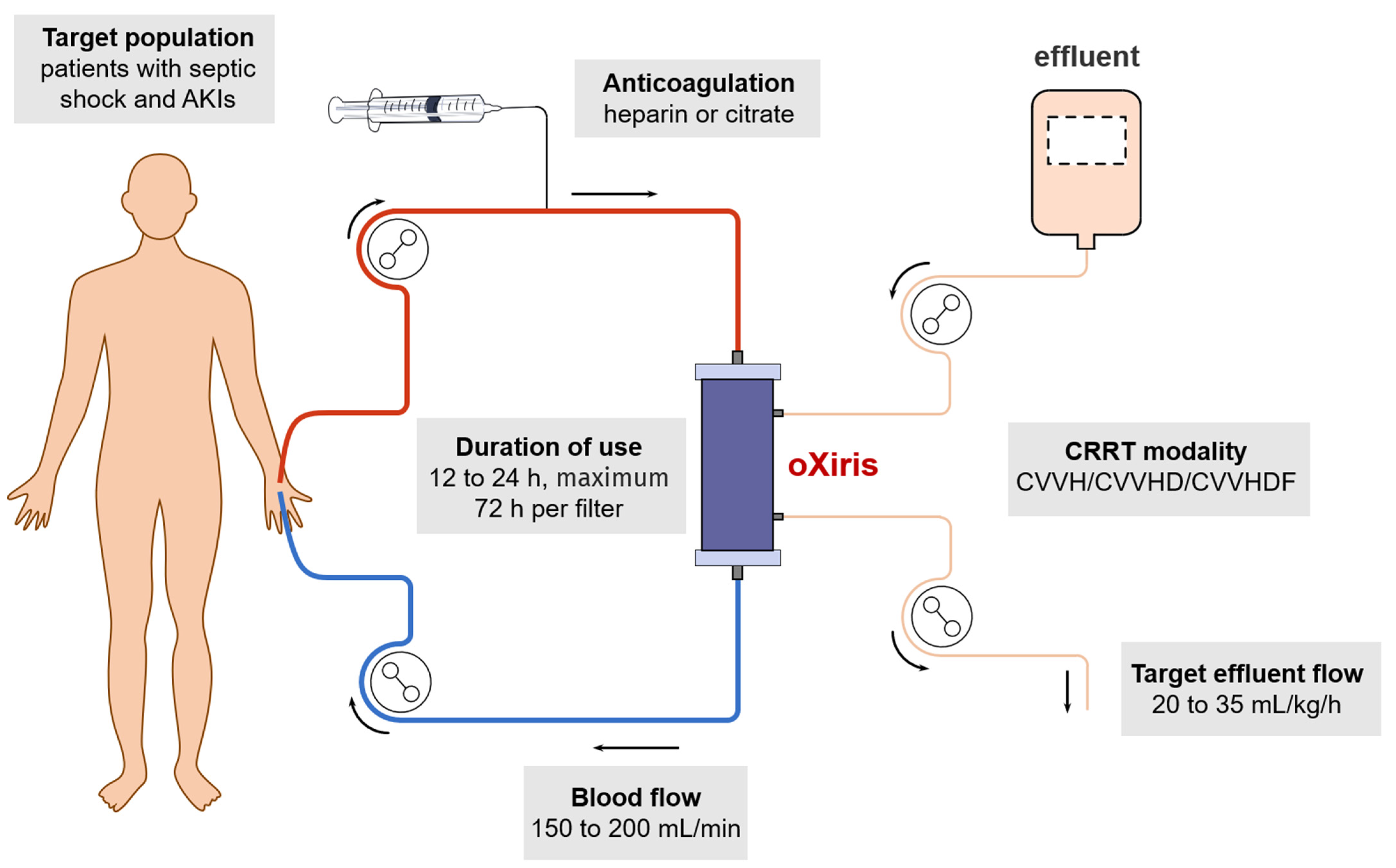
The Extracorporeal Circuit and Smart Pumps
The hardware of a CRRT system consists of an extracorporeal circuit—a series of specialized tubes and filters that move blood outside the body. To maintain a constant flow without damaging fragile blood cells, the system utilizes peristaltic pumps. These pumps are controlled by high-frequency microcontrollers that adjust speed based on real-time pressure feedback. If the resistance in the filter increases (clotting) or the patient’s access line becomes kinked, the software triggers an immediate response, recalibrating the motor torque or halting the flow to prevent technical failure.
Membrane Technology and Hemofilters
The “processor” of the CRRT system is the hemofilter. This is a cartridge filled with thousands of hollow fibers made from advanced polymers like polyarylethersulfone. The engineering challenge here is to create a semi-permeable membrane that allows toxins (like urea and creatinine) and excess water to pass through while keeping essential proteins and blood cells within the circuit. Modern filters utilize nanotechnology to optimize pore size and distribution, ensuring maximum clearance efficiency with minimal inflammatory response from the patient’s immune system.
Precision Fluid Management Systems
One of the most critical tech components in CRRT is the scale system. CRRT machines must manage fluid balance with extreme precision—often within a margin of 10 to 20 milliliters per hour. To achieve this, the hardware uses highly sensitive load cells (scales) that communicate with the fluid pumps. If the effluent bag (waste) becomes heavier than the replacement fluid bag, the software automatically adjusts pump speeds to maintain the “net fluid removal” target set by the technician. This closed-loop feedback system is a prime example of automated industrial control logic applied to human biology.
The Software Revolution: Automation and User Interface (UI)
Beyond the mechanical pumps and filters, the power of modern CRRT lies in its software. The transition from manual “dialysis machines” to intelligent CRRT platforms has significantly reduced human error and improved patient outcomes through automated safety protocols and intuitive user interfaces.
Intelligent Alarm Management and Risk Mitigation
One of the primary tech hurdles in critical care is “alarm fatigue.” CRRT systems are equipped with sophisticated algorithms designed to distinguish between “nuisance alarms” and “critical failures.” For instance, a temporary drop in pressure caused by a patient moving might be filtered out by the software, whereas a persistent trend indicating a clot would trigger a high-priority alert. This predictive logic uses historical trend data from the current session to identify anomalies before they become catastrophic system failures.
Automated Priming and Troubleshooting Tutorials
Modern CRRT platforms, such as the Baxter PrisMax or the Fresenius multiFiltratePRO, feature integrated software tutorials. When a nurse or technician sets up the device, the on-screen UI provides a step-by-step digital walkthrough. Using sensors embedded in the tubing connectors, the software can detect if a line is improperly connected and refuse to proceed until the hardware configuration matches the digital schematic. This “fail-safe” design is a cornerstone of modern medical software engineering.
Customization via Digital Prescriptions
The software allows for highly granular control over therapy parameters. Technicians can program specific “ramps” for fluid removal, much like an automated trading algorithm might execute a strategy over time. This allows the technology to mimic the slow, continuous work of a healthy kidney, preventing the “system shock” that often occurs with high-intensity, short-duration intermittent dialysis.
Connectivity and the Internet of Medical Things (IoMT)
As we move deeper into the era of Digital Health, CRRT machines are no longer isolated islands of technology. They are becoming integrated nodes within the hospital’s broader digital ecosystem, leveraging connectivity to improve data accuracy and remote monitoring.
EMR Integration and Data Analytics
Modern CRRT devices are equipped with Ethernet or Wi-Fi modules that allow them to sync directly with Electronic Medical Records (EMR). Previously, clinical data such as flow rates, fluid balance, and pressures had to be recorded manually by staff. Today, this data is streamed in real-time to a central server. This integration enables big-data analytics, allowing researchers to analyze thousands of CRRT sessions to identify the most effective flow rates and filter types for specific patient demographics.
Remote Monitoring and Tele-Nephrology
The integration of cloud connectivity allows for remote monitoring. A nephrologist located in a different part of the hospital—or even in a different city—can log into a secure dashboard to view the machine’s performance. While the doctor cannot change the physical hardware settings remotely for safety reasons, they can review the digital trends and provide real-time guidance to the bedside staff. This use of “digital twin” technology (a digital representation of the machine’s current state) is revolutionizing how critical care is delivered in rural or understaffed facilities.
Predictive Maintenance and Over-the-Air Updates
Just like a high-end electric vehicle or a smartphone, modern CRRT systems benefit from software updates. These updates can refine the filtration algorithms or add new therapy modes without requiring the hospital to purchase new hardware. Furthermore, predictive maintenance software monitors the “wear and tear” on the internal motors and sensors, alerting the hospital’s biomedical engineering department when a component is likely to fail, thus minimizing downtime.
Digital Security and Privacy in Extracorporeal Tech
With increased connectivity comes the significant challenge of digital security. Because CRRT machines are life-critical devices, protecting them from cyber threats is a top priority for medical device manufacturers and IT departments.
Protecting the Life-Line: Cybersecurity Protocols
The threat of a ransomware attack on a hospital is a growing concern. If a CRRT machine’s software were compromised, the results could be lethal. To combat this, manufacturers implement rigorous cybersecurity measures, including encrypted data transmission, secure boot processes, and “air-gapped” safety controllers. The safety controller is a secondary, independent processor that monitors the primary CPU; if the primary software is compromised or crashes, the safety controller can safely shut down the blood pumps and clamp the lines.
HIPAA Compliance and Patient Data Privacy
As CRRT machines stream data to the cloud, they must adhere to strict privacy regulations like HIPAA (Health Insurance Portability and Accountability Act). This involves stripping Personal Identifiable Information (PII) from the data stream before it is used for broader analytics. The tech stack for CRRT now includes robust encryption layers and secure authentication protocols to ensure that only authorized personnel can access a patient’s treatment history.
The Future: AI-Driven Autonomic Renal Support
Looking ahead, the next step in CRRT tech is the integration of Artificial Intelligence (AI) and Machine Learning (ML). Future systems may be able to autonomously adjust therapy based on real-time blood chemistry sensors. Imagine a CRRT machine that detects a rise in potassium through an inline sensor and automatically adjusts the dialysate composition via a precision dosing pump—all without manual intervention. We are moving toward a “Smart Kidney” model where the technology is not just a tool, but an intelligent partner in patient care.
Conclusion: The Convergence of Biology and Bitrate
CRRT is more than just a medical procedure; it is a pinnacle of modern technology that showcases how far we have come in replicating complex biological processes through hardware and software. From the precision of peristaltic pumps and the molecular engineering of hemofilters to the complex algorithms that manage fluid balance and the cybersecurity protocols that protect the system, CRRT is a testament to the power of MedTech.
As software continues to eat the world, it is also saving it—one milliliter of filtered blood at a time. For those in the tech industry, CRRT serves as a reminder that the most important “apps” aren’t on our phones, but are running the critical systems that sustain life in our hospitals. The future of this technology lies in even greater automation, deeper data integration, and the eventual transition toward wearable or implantable artificial kidneys, proving that the boundary between technology and biology is thinner than ever before.
aViewFromTheCave is a participant in the Amazon Services LLC Associates Program, an affiliate advertising program designed to provide a means for sites to earn advertising fees by advertising and linking to Amazon.com. Amazon, the Amazon logo, AmazonSupply, and the AmazonSupply logo are trademarks of Amazon.com, Inc. or its affiliates. As an Amazon Associate we earn affiliate commissions from qualifying purchases.