
What is Chicago the Musical about? To the casual theatergoer, it is a story of “murder, greed, corruption, violence, exploitation, adultery, and treachery—all those things we hold near and dear to our hearts.” But to a brand strategist or marketing professional, Chicago is about something much more clinical and impressive: the creation, maintenance, and global scaling of a premium entertainment brand that has defied the traditional lifecycle of Broadway productions.
While most musicals rely on high-budget spectacles or revolving set pieces, Chicago has built a multi-decade empire on a foundation of minimalism, a distinct visual identity, and a revolutionary “stunt casting” marketing model. It is a masterclass in how a brand can satirize the very media cycles it uses to remain relevant.

The Core Identity: Defining the “Chicago” Visual Brand
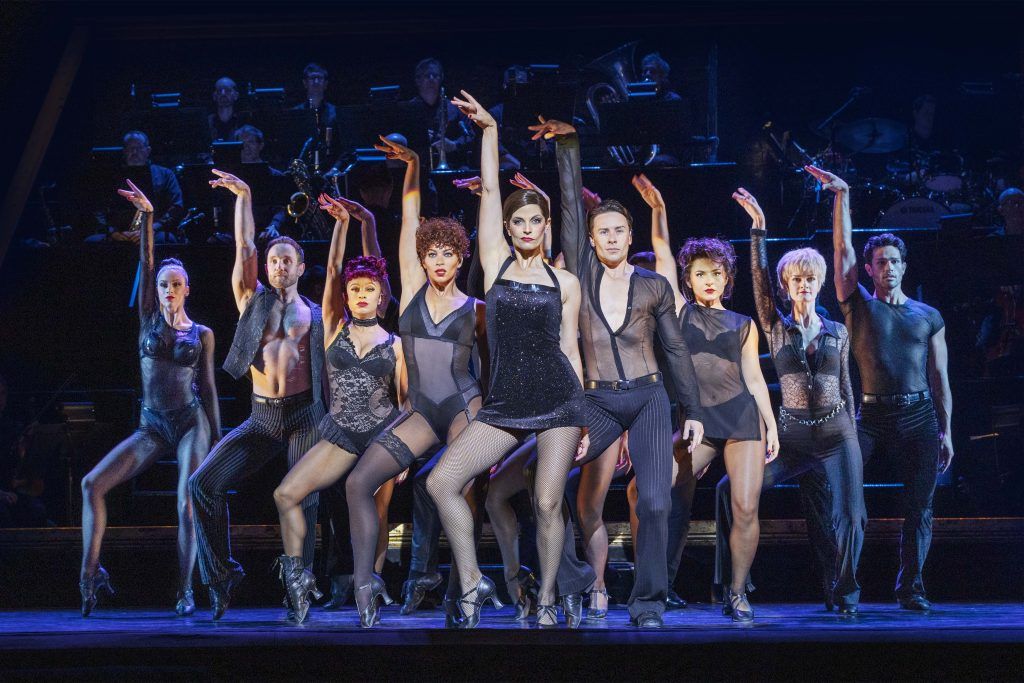
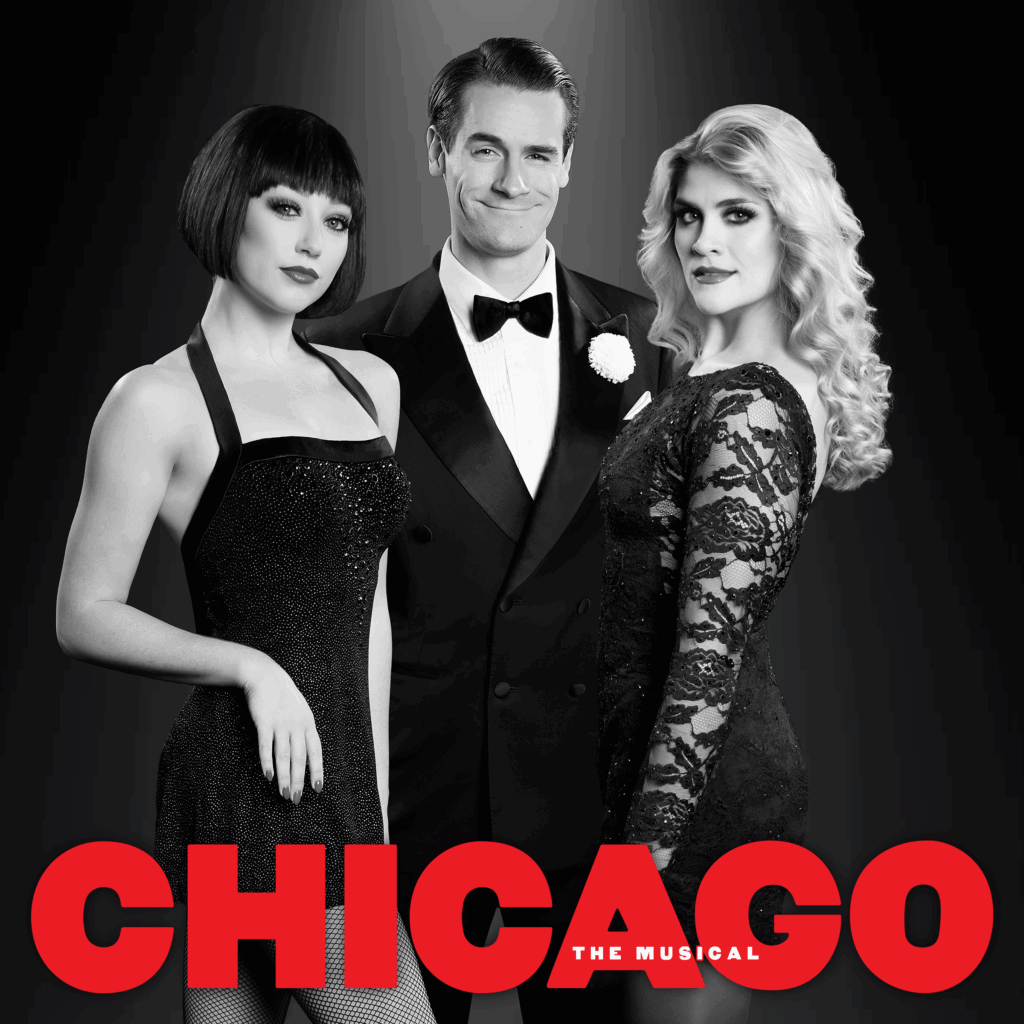
In branding, consistency is the bedrock of recognition. Chicago possesses one of the most recognizable visual identities in the history of performing arts. When a consumer sees a high-contrast black-and-white photo of a dancer in a bowler hat and fishnets against a stark red backdrop, they do not need to read the title to know the product.
The Minimalism of Noir as a Brand USP
The 1996 revival of Chicago made a daring brand decision: to strip away the traditional finery of the 1920s and replace it with a “stripped-down” aesthetic. This minimalism became the brand’s Unique Selling Proposition (USP). By removing elaborate sets, the brand forces the audience to focus on the choreography (the “Bobb Fosse” style) and the performers. From a strategic standpoint, this minimalism also allows the brand to be highly portable and scalable, making international tours and regional licenses more cost-effective while maintaining a “high-end” feel.
Consistent Visual Language Across Platforms
Whether it is a billboard in Times Square, a digital ad on Instagram, or a program in London’s West End, the Chicago brand utilizes a rigid style guide. The “Chicago font”—a bold, condensed serif—and the iconic silhouettes are never compromised. This creates an immediate sense of familiarity. In the world of brand strategy, this is known as “brand salience.” Chicago does not need to explain its plot in its marketing; it simply needs to project its attitude.
Marketing the “Celebrity” Narrative: The Stunt Casting Strategy
The story of Chicago is a cynical look at how the media turns criminals into celebrities. In a stroke of marketing genius, the production’s brand strategy mirrors its plot. The show has become the industry leader in “stunt casting”—the practice of hiring well-known television stars, athletes, or pop icons to fill lead roles for limited engagements.
Leveraging the Star Vehicle for Brand Rejuvenation
The brand understands that a long-running show faces the “fatigue” stage of its product lifecycle. To combat this, Chicago uses a revolving door of celebrities to create “mini-launches” throughout the year. Every time a new Velma Kelly or Billy Flynn is announced, it generates a fresh PR cycle. This allows the brand to tap into the existing fan bases of these celebrities, effectively lowering the cost of customer acquisition by leveraging the “Personal Brands” of its stars to bolster the “Corporate Brand” of the musical.
Media Satire as a Brand Asset
What is Chicago truly about? It is about the commodification of fame. By leaning into this theme, the brand’s marketing feels authentic rather than exploitative. When the show hires a reality TV star to play a woman desperate for fame (Roxie Hart), it creates a meta-narrative that the press loves to cover. This alignment between the product’s message and its marketing tactics is a rare feat in brand management, ensuring that the marketing never feels “off-brand.”
Global Expansion and Localization Strategies
A key challenge for any global brand is maintaining quality and identity across different markets. Chicago has successfully navigated the transition from a Broadway hit to a global franchise by employing a “Global-Local” (Glocal) approach.
The “Cookie-Cutter” Excellence Model
The Chicago brand is managed with the precision of a high-end luxury franchise. Whether the show is being performed in Tokyo, Berlin, or Mexico City, the choreography, lighting cues, and costumes are replicas of the Broadway original. This ensures that the “brand promise” of a high-quality, Fosse-style experience is delivered regardless of geography. For investors and international partners, this reliability reduces risk and builds brand equity.
Adapting to Digital Markets and Modern Audiences
While the show is set in the 1920s, its brand strategy is firmly in the 21st century. The marketing team has successfully transitioned the “Chicago” identity into the digital space. By utilizing high-energy video snippets of “The Cell Block Tango” on platforms like TikTok and Instagram, the brand has introduced its noir aesthetic to Gen Z and Millennial audiences. They aren’t just selling a ticket to a play; they are selling a “vibe” that is highly “Instagrammable.”
Brand Longevity and Emotional Resonance
A brand that lasts over 25 years must move beyond transactional relationships with its customers; it must create an emotional or cultural resonance. Chicago achieves this by positioning itself not just as a musical, but as a cultural institution.
Transcending the 1920s Setting
While the plot is historically situated, the brand’s themes—the desire for 15 minutes of fame, the manipulation of the justice system, and the “razzle-dazzle” of the entertainment industry—are more relevant today than they were when the show premiered in 1975. This relevance is a core part of the brand’s “Evergreen” status. It allows the marketing team to frame the show as a contemporary commentary on modern celebrity culture, keeping the brand from feeling like a museum piece.
The Sound of the Brand: Kander and Ebb’s Signature
Just as a tech company might have a signature “sonic brand” (like Intel’s bong or Apple’s startup chime), Chicago has a sonic identity. The brassy, jazz-inflected score by Kander and Ebb is inseparable from the brand. Songs like “All That Jazz” function as audio logos. When those first few notes of the overture play, the audience is immediately immersed in the brand environment. This auditory consistency reinforces the brand’s luxury positioning and theatrical authority.
Conclusion: A Masterclass in Brand Management
When we ask “what is Chicago the Musical about,” we are looking at a product that has mastered the art of identity. It is a brand that knows exactly what it is: dark, sexy, cynical, and sophisticated.
Through its rigid adherence to a minimalist visual style, its innovative use of celebrity partnerships to drive PR, and its ability to scale globally without losing its soul, Chicago has moved beyond the realm of theater and into the realm of iconic global brands. It proves that in a crowded marketplace, the brands that survive are those that can distill their essence into a single, unmistakable image—and then sell it with enough “Razzle Dazzle” to keep the world coming back for more.
For brand strategists, the lesson of Chicago is clear: focus on your core identity, embrace the power of the PR cycle, and never be afraid to strip away the clutter to let your USP shine. As the show itself suggests, give them an act with lots of flash in it, and the brand will never grow old.
aViewFromTheCave is a participant in the Amazon Services LLC Associates Program, an affiliate advertising program designed to provide a means for sites to earn advertising fees by advertising and linking to Amazon.com. Amazon, the Amazon logo, AmazonSupply, and the AmazonSupply logo are trademarks of Amazon.com, Inc. or its affiliates. As an Amazon Associate we earn affiliate commissions from qualifying purchases.