
In the landscape of modern gastronomy, few products illustrate the intersection of agricultural thrift and high-market valuation quite like black pudding. To the casual diner, it is a staple of a traditional breakfast; to the economist and the business strategist, it is a case study in “nose-to-tail” financial efficiency and the successful “premiumization” of a byproduct. While the culinary definition involves a blend of blood, suet, and cereal, the commercial reality of black pudding is built on complex supply chains, stringent regulatory frameworks, and a rapidly evolving niche market that has transitioned from a waste-reduction strategy into a high-margin artisanal asset.
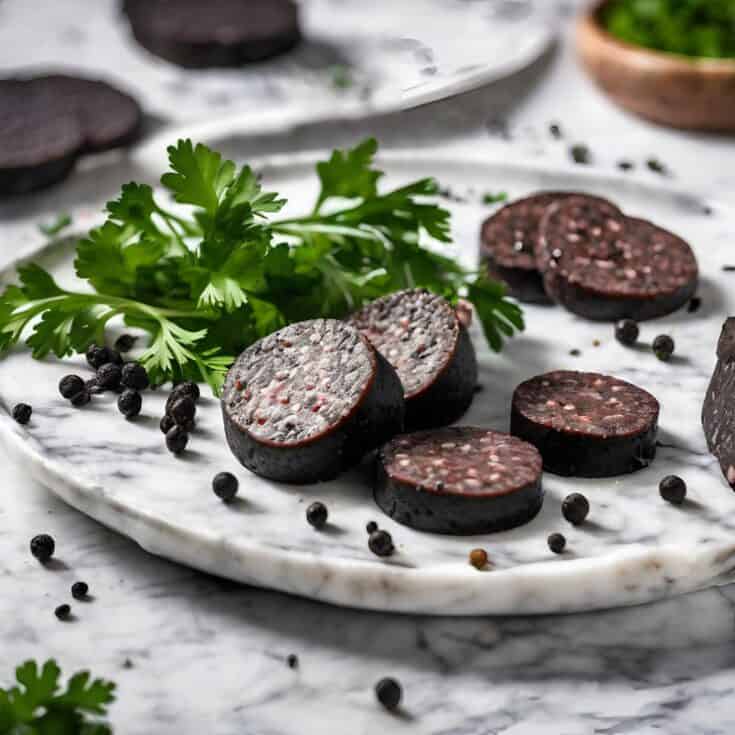
Understanding what black pudding is “made of” requires looking past the recipe and into the financial structures that sustain its production, the investment required to scale a traditional product, and the market forces driving its current resurgence.
The Commodities of the Blood Pudding Supply Chain
At its core, the production of black pudding is an exercise in resource optimization. The primary raw materials—porcine or bovine blood, cereal fillers (usually oatmeal or barley), and animal fats—are essentially industrial byproducts of the wider meat-processing sector. However, the transformation of these low-cost inputs into a high-value consumer good is where the business logic becomes compelling.
Raw Material Arbitrage and Value Addition
The meat industry operates on razor-thin margins. To achieve profitability, processors must maximize the “carcass value” of every animal. Historically, blood was a waste product that presented a disposal cost due to environmental regulations. By diverting this “waste” into black pudding production, manufacturers engage in value addition that turns a liability into a revenue stream.
In a commercial context, the “recipe” is a calculation of cost-to-yield. The choice between fresh blood and dried blood powder, for instance, is a significant financial decision. While fresh blood offers superior flavor and commands a “premium” label, it carries higher logistics costs and shorter shelf-life risks. Dried blood powder, conversely, offers stability and lower shipping costs, appealing to large-scale manufacturers focusing on volume and consistency.
The Role of Cereal Fillers as a Price Stabilizer
Oats and barley act as the structural “hedge” in the black pudding market. These grains are relatively stable commodities compared to animal proteins. By adjusting the ratio of cereal to protein—within the bounds of quality standards—manufacturers can manage their Cost of Goods Sold (COGS) during periods of fluctuating livestock prices. This allows the black pudding industry to maintain more stable retail pricing than primary meat cuts like loin or fillet, making it a reliable performer in a diversified food portfolio.
Investing in the “Superfood” Narrative and Market Growth
The financial trajectory of black pudding changed significantly over the last decade when nutritional studies began labeling it a “superfood” due to its high iron and protein content. This shift in consumer perception opened doors for entry into the health-conscious and “foodie” demographics, moving the product from a cheap filler to a gourmet item.
Capitalizing on Protected Geographical Indication (PGI)
For investors and brand owners, the true “ingredient” of a successful black pudding business is its intellectual property and regional heritage. Products like the Stornoway Black Pudding have secured PGI status, which acts as a powerful economic “moat.” This legal protection prevents competitors from using the name unless they produce the product within a specific region using traditional methods.
From a business perspective, PGI status creates a localized monopoly that allows for premium pricing. It transforms a generic commodity into a luxury brand. Investors looking into the artisanal food space often prioritize companies with these designations because they offer defensible market positions and are less susceptible to price wars with generic supermarket brands.

The Rise of the Artisanal Middle Class
The market is currently seeing a “barbell” distribution. On one end, there is high-volume, low-cost production for the hospitality sector. On the other, there is a burgeoning artisanal sector where small-scale producers command 200–300% price premiums. These small-to-medium enterprises (SMEs) are leveraging “craft” branding to attract a consumer base that is willing to pay more for transparency in sourcing, such as heritage-breed pork and organic cereals. For venture capital or private equity focusing on the “Farm-to-Table” trend, these high-margin artisanal producers represent significant growth potential.
Regulatory Compliance and the Cost of Market Entry
While the ingredients of black pudding may seem simple, the regulatory environment surrounding its production is one of the most rigorous in the food industry. For any entrepreneur or business entity looking to enter this space, “what it’s made of” includes a significant investment in compliance, cold-chain logistics, and food safety infrastructure.
The High Cost of Bio-Security and Hygiene
Because the product is blood-based, the risk of bacterial contamination is higher than in many other processed meats. This necessitates high capital expenditure (CAPEX) in specialized processing equipment, stainless steel facilities, and rigorous testing protocols. For a startup, the barrier to entry isn’t the secret family recipe; it’s the cost of achieving and maintaining HACCP (Hazard Analysis and Critical Control Points) certification and meeting government health standards.
These regulatory hurdles serve as a barrier to entry, protecting established players from new, low-cost competitors. This market structure favors established butcheries and large-scale processors who can amortize these compliance costs across higher volumes of production.
Labor Costs and the Skill Gap
The manufacturing of high-quality black pudding remains a labor-intensive process that requires specialized knowledge—specifically in the timing of the “cook” and the management of natural casings. As the industry moves toward automation to reduce labor costs, there is a growing financial divide between automated producers (who focus on the mass market) and traditional producers (who focus on the premium market). The scarcity of skilled traditional butchers is driving up wages in the artisanal sector, which must be offset by higher retail price points.
Future Outlook: The ROI of Synthetic and Vegan Alternatives
The most significant disruption to the black pudding industry is the rise of the “Plant-Based” and “Lab-Grown” sectors. As ESG (Environmental, Social, and Governance) investing becomes a priority for large food conglomerates, the definition of what black pudding is made of is expanding to include non-animal proteins.
The Profitability of the “V-Pudding”
Vegan black puddings, made from black beans, beetroot, and pearl barley, often carry higher profit margins than their traditional counterparts. This is because plant-based proteins can be cheaper to source and do not require the same level of bio-security infrastructure as blood-based products. Furthermore, these products tap into the rapidly growing flexitarian market, allowing brands to diversify their revenue streams and reduce their exposure to the volatility of the livestock market.
Research and Development as a Competitive Advantage
Companies that are investing in food tech to replicate the iron-rich, metallic tang of traditional black pudding using plant-based heme or lab-grown blood are positioning themselves for a future where traditional meat production may face higher carbon taxes. In this context, the “recipe” becomes a patented technological asset. For the forward-thinking investor, the value of a black pudding brand may soon lie more in its chemical engineering and “clean-label” credentials than in its traditional butchery roots.
Conclusion: A Multi-Layered Financial Asset
When we ask what black pudding is made of, we are looking at a complex matrix of agricultural economics, branding strategy, and regulatory compliance. It is a product that exemplifies the beauty of the circular economy—taking animal byproducts and elevating them through skill and storytelling into a globally recognized delicacy.
For the business owner, it represents a high-yield opportunity to maximize carcass value. For the investor, it is a resilient niche market with strong cultural “moats” and a growing health-conscious audience. While the ingredients—blood, fat, and grain—remain constant, the economic value of black pudding continues to rise, proving that even the most traditional products can find new life and profitability in the modern financial landscape.
aViewFromTheCave is a participant in the Amazon Services LLC Associates Program, an affiliate advertising program designed to provide a means for sites to earn advertising fees by advertising and linking to Amazon.com. Amazon, the Amazon logo, AmazonSupply, and the AmazonSupply logo are trademarks of Amazon.com, Inc. or its affiliates. As an Amazon Associate we earn affiliate commissions from qualifying purchases.