
In the rapidly evolving landscape of decentralized technology, the term “bridge” has transitioned from a physical architectural concept to a critical infrastructure component of the digital economy. As the blockchain ecosystem matures, it has moved away from the dominance of a single chain toward a fragmented, multi-chain reality. However, these independent networks—like Ethereum, Solana, Avalanche, and various Layer 2 solutions—are inherently siloed. They operate on different protocols, use different consensus mechanisms, and maintain distinct ledgers.
This is where a “Bridge” comes in. In the tech sector, a bridge (specifically a blockchain or cross-chain bridge) is a protocol that allows for the transfer of data, assets, or information from one blockchain network to another. Understanding the technical nuances of these bridges is essential for comprehending how the future of a unified, decentralized internet—Web3—will function.

The Fundamental Mechanics of Cross-Chain Bridges
At its core, a bridge does not “move” cryptocurrency in the way one might move a physical object. Instead, it uses complex software logic to synchronize state changes across two different networks. Because a token on Ethereum cannot exist natively on the Bitcoin network, the bridge acts as a translator and a facilitator.
How Asset Wrapping Works
The most common technical mechanism used by bridges is the “Lock-and-Mint” model. When a user wants to bridge an asset, they send their native tokens to a specific smart contract on the source chain. These assets are “locked” or held in escrow. Once the bridge confirms the transaction, it triggers a command on the destination chain to “mint” an equivalent number of “wrapped” tokens. For example, when you bridge Bitcoin to Ethereum, you receive WBTC (Wrapped Bitcoin). These wrapped tokens represent a claim on the original asset held on the source chain, effectively maintaining a 1:1 value peg.
The Role of Smart Contracts in Verification
The integrity of a bridge relies heavily on its verification layer. Smart contracts serve as the automated intermediaries that execute the bridging logic. When a request is made to move assets, the bridge must verify that the transaction on the source chain is finalized and valid. This involves monitoring the source chain’s state, relaying that information to the destination chain, and ensuring that the minting process only occurs after consensus is reached. The technical sophistication of these contracts determines the speed, cost, and security of the bridging experience.
Types of Bridge Architectures: Trusted vs. Trustless
In the world of software engineering and digital security, the trade-off between convenience and decentralization is a constant theme. This friction is most evident in the two primary architectural designs of bridges: Trusted and Trustless.
Centralized (Trusted) Bridges
Trusted bridges rely on a central authority or a federation of entities to manage the locking and minting of assets. These are often operated by large exchanges or dedicated bridge providers. From a technical standpoint, they are highly efficient and offer lower latency. However, they require users to “trust” that the operator will not mismanage the funds or be compromised by a security breach. The assets are essentially held in a custodial wallet, making the operator a single point of failure. Despite these risks, trusted bridges remain popular due to their user-friendly interfaces and high liquidity.
Decentralized (Trustless) Bridges
Trustless bridges aim to uphold the core ethos of blockchain by removing the intermediary. Instead of a company, these bridges use mathematical proofs and decentralized validator sets to secure transactions. Technically, these often utilize “Light Clients” or “Zk-Proofs” (Zero-Knowledge Proofs). A light client on the destination chain can verify the block headers of the source chain without needing to download the entire history. This allows the network itself to confirm the validity of a transfer. While significantly more secure and resistant to censorship, trustless bridges are computationally expensive to run and can be slower than their centralized counterparts.
Why Bridging is Essential for the Multi-Chain Future
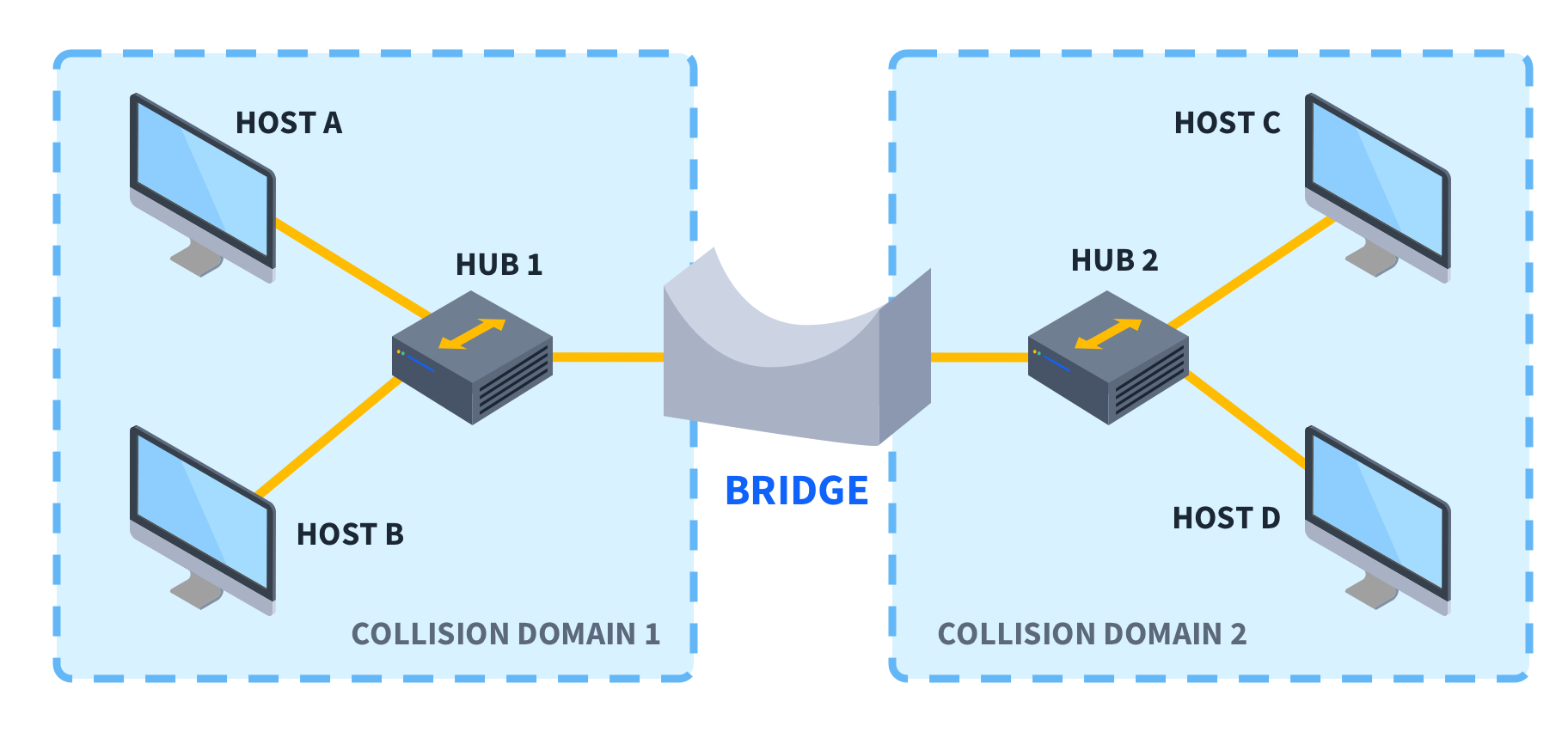
As software ecosystems expand, fragmentation becomes a significant hurdle. Imagine if a user on a Mac could not send an email to a user on Windows—that is the level of isolation blockchains face without bridges. Bridging technology is the “TCP/IP” of the blockchain world, providing the connectivity layer required for a functional global network.
Solving the Liquidity Fragmentation Problem
One of the biggest challenges in decentralized tech is “liquidity fragmentation.” When capital is spread across dozens of different blockchains, it becomes difficult for developers to build powerful financial applications. A bridge allows capital to flow to where it is most needed or where it can earn the highest yield. By enabling the seamless movement of assets, bridges consolidate the economic power of the entire ecosystem, allowing a decentralized exchange (DEX) on a smaller chain to tap into the massive liquidity pools of a larger chain like Ethereum.
Enabling Cross-Chain Decentralized Finance (DeFi)
The true power of bridges extends beyond simple asset transfers; it enables “cross-chain composability.” This is the tech-driven ability for smart contracts on different chains to interact with one another. For example, a user could use their collateral on one chain to take out a loan on another, or participate in a governance vote on a third chain. This interconnectedness allows developers to build “Super-Apps” that leverage the specific strengths of different networks—using one for its high security and another for its low transaction costs—simultaneously.
The Security Landscape: Risks and Vulnerabilities
While bridges are a technological marvel, they are also one of the most significant attack vectors in the digital asset space. Because bridges often hold massive amounts of locked collateral in a single location (the bridge’s smart contract), they are prime targets for sophisticated hackers.
Notable Exploits and Lessons Learned
The history of bridging is marked by high-profile security breaches, such as the Ronin Bridge and Nomad Bridge exploits. These incidents usually stem from vulnerabilities in the smart contract code or a compromise of the validator keys. Technically, if a hacker can find a bug that allows them to “mint” tokens on the destination chain without “locking” them on the source chain, they can drain the bridge’s value. These failures have led to a renewed focus on “formal verification”—a mathematical approach to proving the correctness of code—to ensure that the bridge logic is bulletproof before deployment.
Best Practices for User Security
For those interacting with bridge technology, security is a matter of technical hygiene. Users are increasingly moving toward “Canonical Bridges”—bridges officially developed and endorsed by the blockchain teams themselves—rather than third-party providers. Additionally, the industry is seeing a shift toward “multi-sig” requirements and “timelocks,” which prevent large amounts of capital from being moved instantly without multiple layers of authorization. Understanding the “security assumptions” of a bridge—knowing exactly who or what is validating your transaction—is the most critical step in digital security.
The Evolution of Connectivity: From Bridges to Interoperability Layers
The tech industry is currently moving away from simple “point-to-point” bridges toward more holistic “Interoperability Layers.” The goal is to move beyond the “Lock-and-Mint” model, which is cumbersome and risky, toward generalized message passing.
Layer 0 Protocols and Beyond
New protocols, often referred to as “Layer 0,” are being designed to sit beneath the blockchains themselves. Technologies like LayerZero, Polkadot (with its Relay Chain), and Cosmos (with IBC – Inter-Blockchain Communication) provide a universal language for chains to talk to each other. Instead of building a unique bridge for every pair of blockchains, these protocols create a standardized framework. This reduces the technical debt for developers and creates a “mesh network” of blockchains that are natively interoperable.
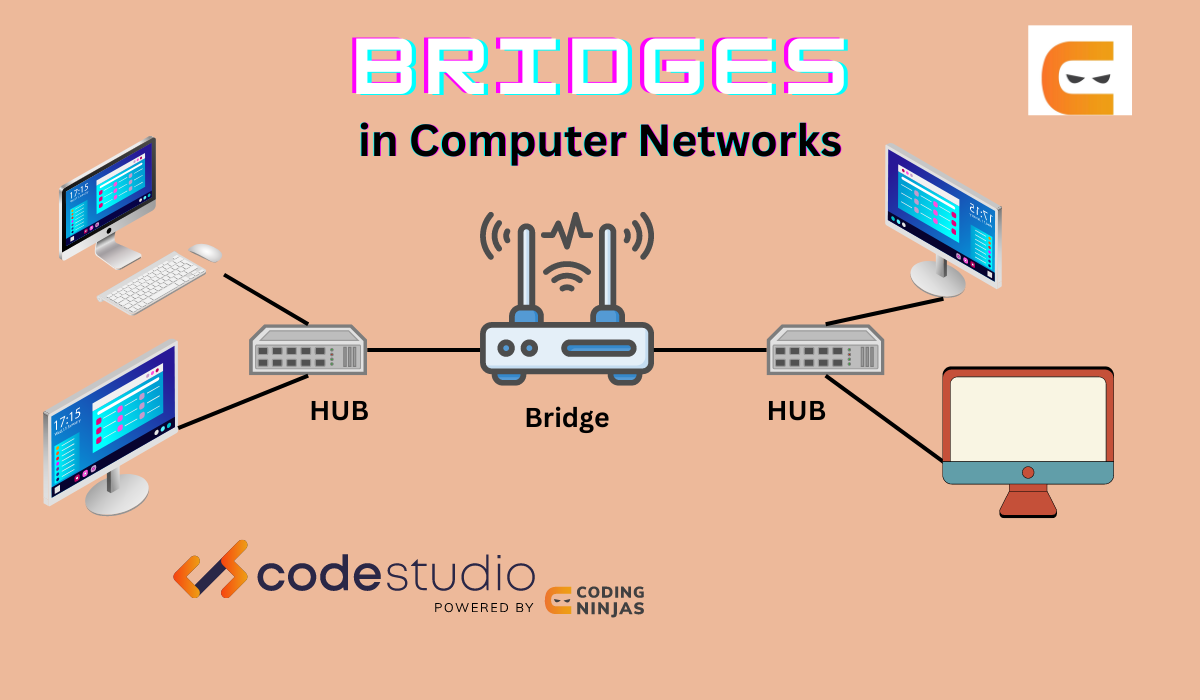
The Rise of Native Asset Transfers
The future of bridging likely involves the elimination of “wrapped” assets entirely. Newer tech focuses on “Native-to-Native” swaps using liquidity pools on both ends. In this model, if you want to move USDC from Chain A to Chain B, you deposit native USDC on Chain A, and the bridge unlocks native USDC on Chain B from a pre-existing pool. This removes the risk associated with synthetic wrapped tokens and simplifies the user experience. As these technologies mature, the “bridge” will likely become invisible to the end-user, functioning as a background process in the same way that data packets move across the internet today.
In conclusion, a “bridge” in the modern tech context is the vital connective tissue of the decentralized web. By solving the challenges of isolation, bridges allow for a fluid, scalable, and interconnected digital future. While technical and security hurdles remain, the ongoing innovation in bridge architecture is paving the way for a seamless multi-chain world.
aViewFromTheCave is a participant in the Amazon Services LLC Associates Program, an affiliate advertising program designed to provide a means for sites to earn advertising fees by advertising and linking to Amazon.com. Amazon, the Amazon logo, AmazonSupply, and the AmazonSupply logo are trademarks of Amazon.com, Inc. or its affiliates. As an Amazon Associate we earn affiliate commissions from qualifying purchases.