
In the modern landscape of healthcare, the term “PA-C doctor” is a source of both confusion and significant financial interest. To clarify the terminology first: a PA-C is a Physician Assistant-Certified. While they are not medical doctors (MDs or DOs), the “doctor” title is increasingly associated with the profession as many PAs now pursue a Doctor of Medical Science (DMSc) or a Doctor of Physician Assistant Studies (DPAS). From a “Money” perspective, this distinction is more than just a title change; it represents a strategic career pivot designed to maximize earning potential, leadership opportunities, and professional ROI.
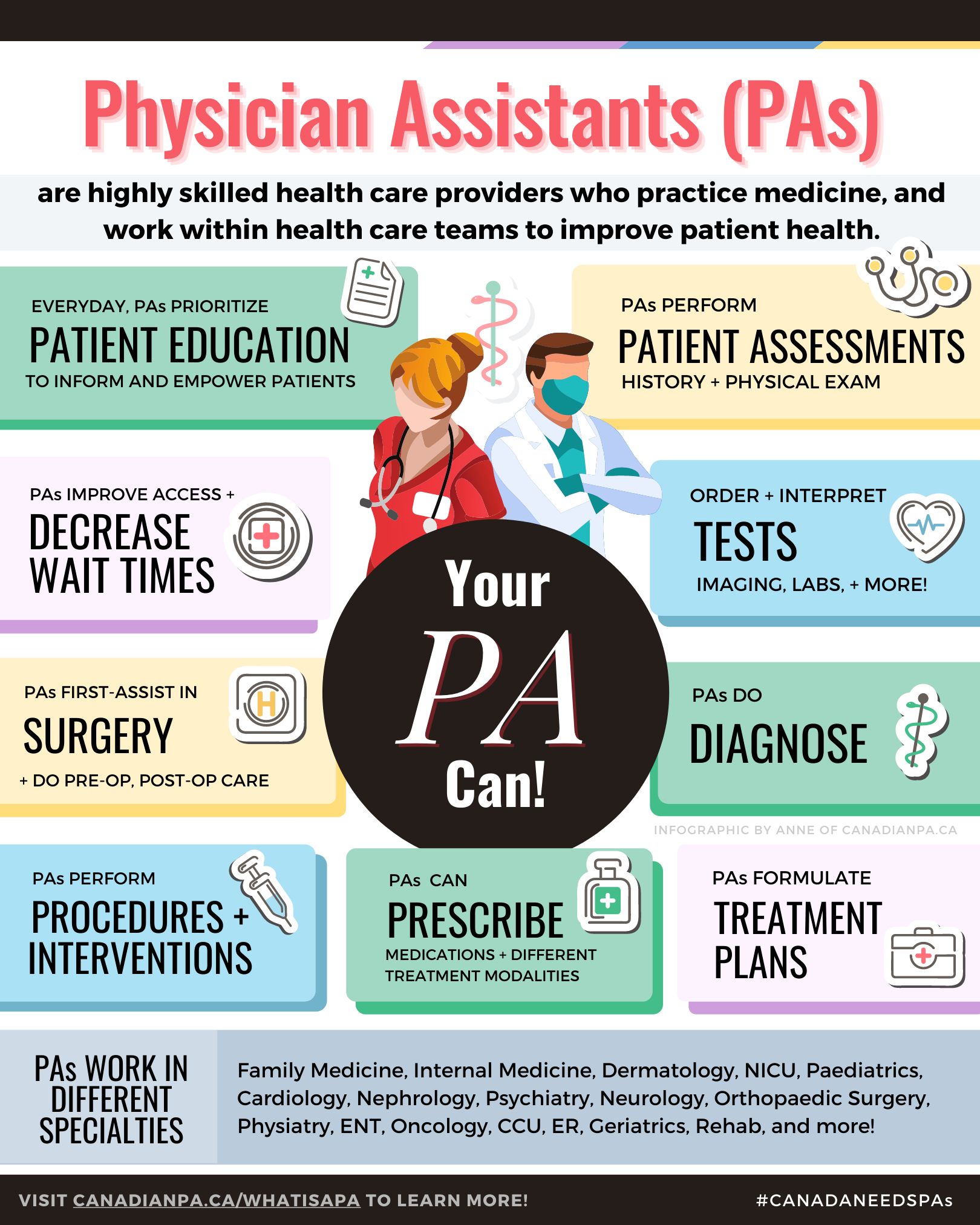
Choosing to become a PA-C is a high-stakes financial decision. It involves navigating significant student debt, evaluating specialized market demand, and understanding the unique business model that allows these professionals to be high-level revenue generators for medical practices. This article provides a comprehensive financial breakdown of the PA-C profession, analyzing it as a business investment and a vehicle for long-term wealth creation.
The Initial Investment: Analyzing the Cost of Becoming a PA-C
Before a professional can earn their first paycheck as a PA-C, they must navigate a rigorous and expensive educational pathway. Unlike many other master’s-level degrees, the Physician Assistant program is a high-intensity, full-time commitment that often precludes students from working during their studies, adding a layer of “opportunity cost” to the direct tuition expenses.
Tuition and Educational Debt
The cost of PA school has risen sharply over the last decade. According to the Physician Assistant Education Association (PAEA), the average tuition for a resident at a public institution can range from $70,000 to $95,000, while private institutions often exceed $130,000 for the duration of the 27-month program. When you factor in living expenses, books, and clinical rotation travel, many PA-Cs enter the workforce with a debt burden between $150,000 and $200,000.
From a financial planning standpoint, the “Debt-to-Income” (DTI) ratio is a critical metric for new PA-Cs. While the starting salaries are high, the interest rates on Grad PLUS loans can erode net worth if not managed aggressively.
The Opportunity Cost of Training
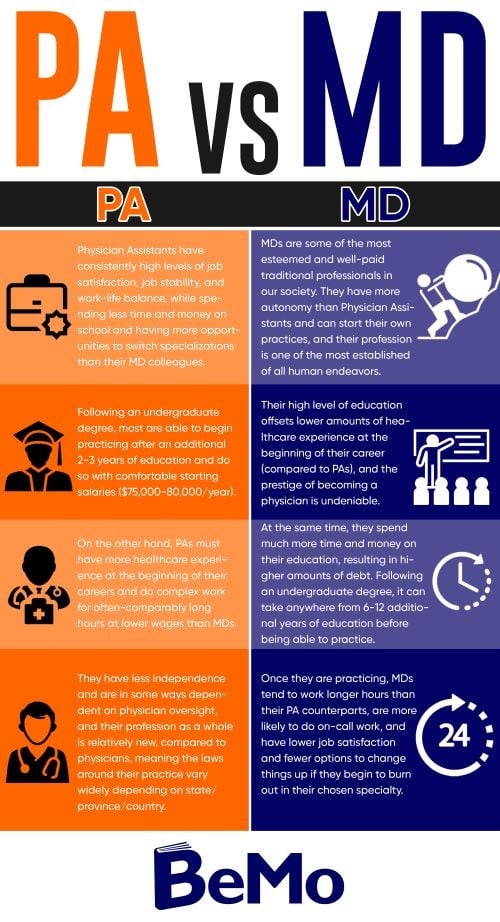
The financial impact of becoming a PA-C also includes the two to three years of lost wages while in school. Most PA students are required to have thousands of hours of prior healthcare experience (HCE), often working lower-paying roles like EMTs or medical assistants. The transition from a $40,000 salary to a $0 salary during school, followed by a jump to a $110,000+ salary, requires a sophisticated approach to cash flow management and a tolerance for temporary financial illiquidity.
The Financial Pivot: Pursuing the Doctorate (DMSc)
For those aiming for the “doctor” title within the PA profession, the Doctor of Medical Science (DMSc) represents an additional investment of $20,000 to $40,000. While this adds to the debt, the ROI is often found in administrative roles, executive leadership, and academia, where salaries can significantly outpace those of purely clinical PAs.
Earning Potential and Market Demand
The primary reason the PA-C role is considered one of the best “Money” moves in healthcare is the high floor for earnings and the rapid ceiling growth in specialized fields. As of 2024, the median annual wage for physician assistants is approximately $126,000, but this figure is highly variable based on niche and location.
High-Paying Specialties and Surgical Bonuses
In the world of personal finance and career growth, specialization is the key to wealth. A PA-C working in primary care may earn a respectable $115,000, but those who transition into high-demand surgical subspecialties—such as cardiovascular surgery, neurosurgery, or orthopedic surgery—can command salaries ranging from $150,000 to over $200,000.
Beyond base salary, many surgical PAs benefit from “call pay” and production bonuses. For a savvy PA-C, negotiating a contract that includes a percentage of the “collections” or “relative value units” (RVUs) they generate can add an extra $20,000 to $50,000 in annual income.
Geographic Variables in Compensation
Where a PA-C chooses to practice has a massive impact on their “real” earnings—the income remaining after taxes and cost of living. While states like California and New York offer the highest nominal salaries (often $150,000+), states with no income tax and lower costs of living, such as Texas or Florida, often provide a better path to building a high net worth. A PA-C in a rural “Health Professional Shortage Area” (HPSA) may also qualify for federal loan repayment programs, which can be worth $50,000 tax-free over two years—a significant boost to their financial bottom line.
The Rise of Locum Tenens
For PA-Cs looking to maximize their income in a short period, the “Locum Tenens” (traveling) market is a lucrative side hustle or full-time strategy. Traveling PAs can earn hourly rates significantly higher than staff positions, often ranging from $90 to $130 per hour, with housing and travel expenses covered. This allows for an aggressive “FIRE” (Financial Independence, Retire Early) strategy by minimizing living expenses while maximizing gross revenue.
The Business of Healthcare: Why PA-Cs are a Profitable Asset
To understand the PA-C role from a business finance perspective, one must look at it through the eyes of a hospital administrator or a private practice owner. The PA-C is not just a provider; they are a high-margin revenue generator.
Revenue Generation Models
A PA-C can perform roughly 80% to 90% of the duties a physician performs but at a fraction of the labor cost. In a private practice, a PA-C can see 20 to 25 patients a day. If each visit generates a median reimbursement of $100, the PA-C is bringing in $2,000 to $2,500 per day in gross revenue. Over a standard work year, a single PA-C can generate $500,000 to $700,000 for a practice.
When you subtract the PA-C’s salary, benefits, and malpractice insurance (totaling perhaps $180,000), the profit margin for the business owner is substantial. This is why the demand for PA-Cs is projected to grow by 27% through 2032—it is a winning financial formula for the healthcare industry.
Lower Overhead for Practices
Hiring a physician involves massive recruitment fees, higher malpractice premiums, and higher base salaries. By utilizing PA-Cs, clinics can scale their patient volume without the exponential increase in overhead. Furthermore, PAs help reduce “leakage”—the loss of revenue when patients have to wait too long for an appointment and go elsewhere. By increasing access, PAs stabilize the cash flow of a medical business.
Incident-To Billing and Financial Optimization
Under current Medicare rules, PAs can bill for services “incident-to” a physician’s services at 100% of the physician fee schedule under specific conditions, or at 85% when billing under their own NPI number. From a corporate finance perspective, the 15% discount is often offset by the fact that the PA’s salary is 50% lower than a physician’s. This creates a favorable “spread” that drives the profitability of large medical groups and private equity-owned practices.
Financial Planning for the PA-C Professional
Earning a high income is only half of the “Money” equation. For a PA-C—especially one who might eventually hold a “doctorate” title—wealth preservation and strategic investment are essential to capitalize on their high-earning years.
Student Loan Refinancing and Forgiveness Strategies
Given the high debt loads mentioned earlier, the first financial priority for a PA-C is a debt-reduction strategy. Those working for non-profit hospitals often utilize the Public Service Loan Forgiveness (PSLF) program, which forgives the remaining balance after 120 qualifying payments. For those in the private sector, aggressive refinancing to lower interest rates is the standard move. By reducing an interest rate from 7% to 4%, a PA-C can save tens of thousands of dollars over the life of the loan.
Tax Strategy and Incorporation
As PA-Cs move into the top tax brackets, tax mitigation becomes a primary focus. Many PAs who work as independent contractors or in Locum Tenens roles choose to incorporate as an S-Corp. This allows them to pay themselves a “reasonable salary” and take the remainder of their earnings as a distribution, avoiding a portion of self-employment taxes. Additionally, it opens the door to high-limit retirement accounts like the SEP-IRA or Solo 401(k), which allow for much larger tax-deductible contributions than a standard W-2 employee’s 401(k).
Strategic Career Pivots and Side Income
The PA-C credential is a versatile financial tool. Beyond clinical work, many PA-Cs leverage their expertise to create secondary income streams. These include:
- Medical Consulting: Advising health-tech startups or legal firms on medical malpractice cases.
- Aesthetics and Medical Spas: Owning or working in cash-pay aesthetic clinics, which avoids the complexities of insurance reimbursement and offers high profit margins.
- Academic Income: Teaching in PA programs or creating educational content for CME (Continuing Medical Education) providers.
Conclusion: The PA-C as a Wealth-Building Career
While the title “PA-C doctor” may be a point of semantic debate in clinical circles, in the world of finance, it represents a robust and resilient professional asset. The combination of a relatively short training period (compared to MDs), a high starting salary, and the ability to generate significant revenue for employers makes the PA-C role a premier choice for those focused on ROI.
By understanding the business of healthcare—from RVUs and billing codes to tax-advantaged retirement planning—a PA-C can transform a medical career into a vehicle for multi-generational wealth. The key is to view the profession not just as a job in medicine, but as a strategic business endeavor where clinical expertise meets financial savvy.
aViewFromTheCave is a participant in the Amazon Services LLC Associates Program, an affiliate advertising program designed to provide a means for sites to earn advertising fees by advertising and linking to Amazon.com. Amazon, the Amazon logo, AmazonSupply, and the AmazonSupply logo are trademarks of Amazon.com, Inc. or its affiliates. As an Amazon Associate we earn affiliate commissions from qualifying purchases.