
The term “gimp suit” often evokes a specific, potent imagery, immediately conjuring associations with fetish wear, alternative fashion, and certain subcultures. However, a deeper examination reveals a fascinating intersection of design, cultural signaling, and surprisingly, potential implications for branding and brand perception. While not a conventional corporate lexicon term, understanding the gimp suit’s aesthetic principles and its place within the broader landscape of visual identity offers valuable insights for those in the brand-building and design spheres.
At its core, a gimp suit is a full-body garment, typically made of leather or PVC, characterized by its restrictive nature and often featuring a built-in hood with eye, nose, and mouth openings. Its design prioritizes a smooth, seamless, and often form-fitting silhouette, creating an impression of anonymity, control, and a deliberate erasure of individual features. This deliberate design choice is what makes the gimp suit so visually striking and conceptually rich, offering a unique lens through which to explore aspects of branding.
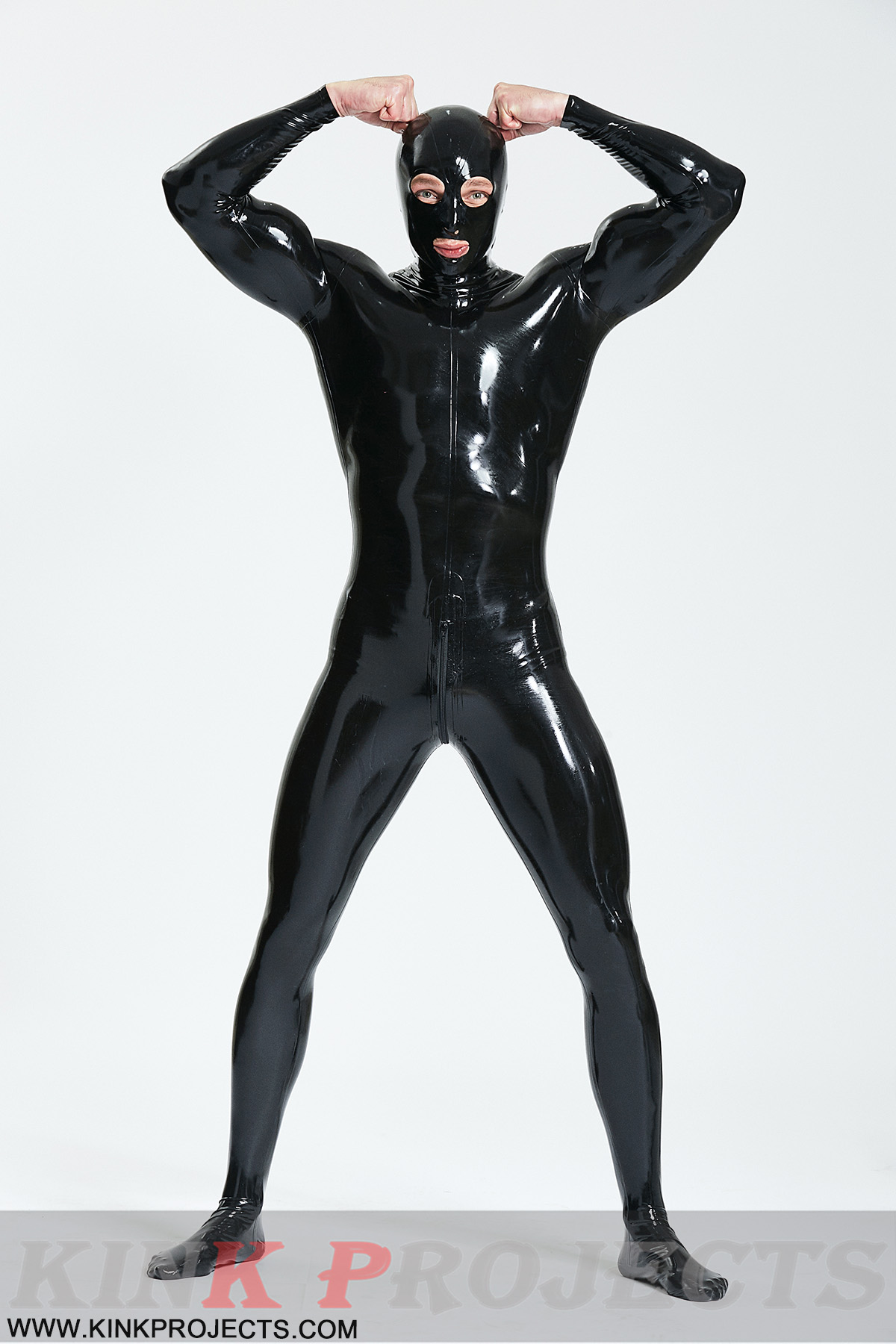
The Design Language of the Gimp Suit: A Study in Controlled Aesthetics
The visual impact of a gimp suit is undeniable and is a direct result of its specific design choices. These choices, when stripped of their sexual connotations, reveal principles of aesthetic control and material utilization that resonate within design and branding discussions.
Materiality and Texture: The Foundation of Impression
The primary materials used in gimp suits – typically leather and PVC – are not arbitrary. Their inherent properties play a crucial role in the suit’s overall aesthetic and the impressions it creates.
- Leather: Offers a rich, tactile texture, exuding an aura of luxury, durability, and a certain classic edginess. The way leather drapes, creases, and shines can convey a sense of sophistication, tradition, and even a rebellious elegance. In branding, leather is often associated with premium products, craftsmanship, and a sense of enduring quality. Think of luxury car interiors, high-end watch straps, or designer handbags. The gimp suit leverages leather’s inherent gravitas to create a powerful visual statement.
- PVC (Polyvinyl Chloride): Presents a starkly different textural experience. Its high-gloss, synthetic sheen is futuristic, artificial, and often evokes a sense of the industrial or the overtly sexualized. PVC is smooth, reflective, and creates a distinct visual noise. Brands that utilize PVC often aim for a modern, avant-garde, or even playfully provocative image. This material choice can signify innovation, a departure from the organic, and a bold embrace of the artificial.
The interplay of these materials, or the choice of one over the other, communicates distinct messages about the wearer and, by extension, the identity being projected. This is a fundamental principle in branding: the material choices in packaging, product design, and even advertising reflect and reinforce brand values.
Silhouette and Form: The Power of the Uninterrupted Line
The gimp suit’s defining characteristic is its complete coverage of the body, creating an unbroken, often sleek silhouette. This intentional design choice has profound implications for how the garment is perceived and how it can be analyzed from a branding perspective.
- Anonymity and Abstraction: By concealing the wearer’s features, the gimp suit transforms the individual into a more abstract form. This can be interpreted as a deliberate erasure of individuality, focusing attention instead on the garment itself and the statement it makes. In branding, this concept can be explored through abstract logos, minimalist designs, or campaigns that prioritize a feeling or an idea over a specific individual. Brands that aim for universal appeal or a sense of mystery might draw inspiration from this principle of abstraction.
- Control and Precision: The form-fitting nature of many gimp suits suggests a deliberate shaping and control over the body’s natural contours. This translates visually into a sense of order, precision, and perhaps even dominance. For brands, this translates to a projection of competence, reliability, and a mastery over their offerings. Think of brands that emphasize engineering precision, meticulous craftsmanship, or an unwavering commitment to quality.
- The Uncanny Valley and Visual Intrigue: The smooth, featureless mask of a gimp suit can sometimes venture into the uncanny valley, creating a sense of unease or fascination. This deliberate departure from natural human appearance can be a powerful tool for capturing attention and generating intrigue, elements that are highly sought after in marketing and brand building. Brands that push boundaries or aim for a memorable, almost unsettling aesthetic might leverage such principles.
Cultural Resonance and Brand Alliances: Beyond the Fetish
While the gimp suit is undeniably associated with specific sexual practices and fetish communities, its influence extends beyond these realms into broader cultural conversations and, consequently, into the territory of branding and artistic expression.
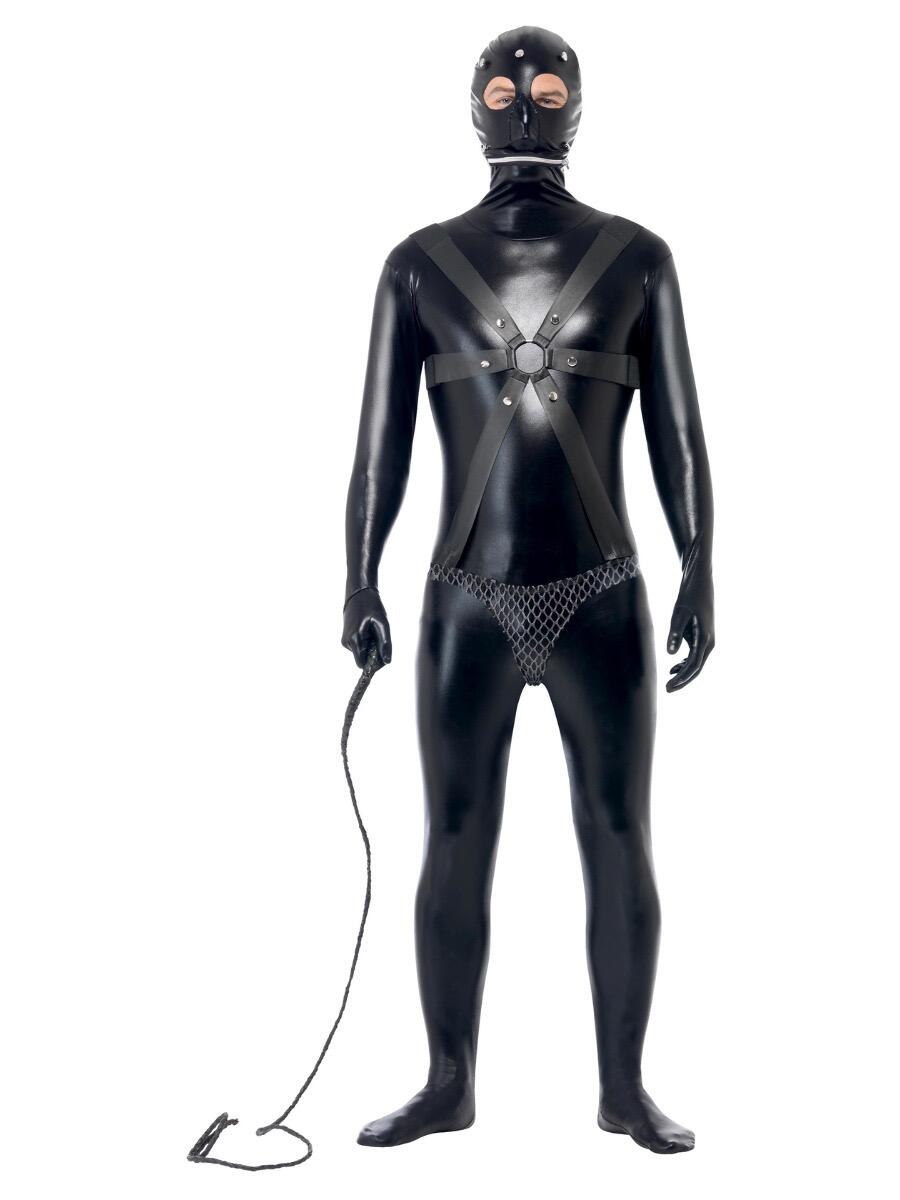
Subcultural Identity and Visual Codes
Within its primary context, the gimp suit serves as a potent visual signifier of specific subcultural identities, sexual preferences, and power dynamics. This is akin to how certain fashion styles, logos, or even color palettes become recognizable codes within various subcultures, communicating belonging, ideology, and shared values.
- Visual Storytelling: Brands often seek to tap into the visual language of subcultures to appear authentic, relevant, and to connect with specific demographics. While directly adopting gimp suit aesthetics might be too extreme for most mainstream brands, the principles of using strong visual cues to communicate identity are universal. Understanding how a gimp suit functions as a visual shorthand for certain concepts can inform how brands develop their own visual lexicons.
- Edge and Rebellion: Historically, elements of fetish wear have permeated mainstream fashion, often as a nod to rebellion, sexual liberation, or a desire for a more daring aesthetic. Brands that aim to appear edgy, avant-garde, or to disrupt the status quo might subtly incorporate design elements that echo the boldness and provocative nature associated with items like gimp suits, albeit in a highly stylized and abstracted manner.
Artistic Expression and Conceptual Branding
The gimp suit’s striking visual presence has also made it a subject and tool in various forms of artistic expression, from photography and film to avant-garde fashion shows. These artistic explorations often delve into themes of identity, anonymity, power, and the human form, all of which are relevant to conceptual branding.
- Provocation and Disruption: Artists and designers, much like innovative brands, often use provocative imagery to challenge perceptions and spark dialogue. The gimp suit, with its inherent shock value and thematic depth, offers fertile ground for such exploration. Brands that aim to be thought-provoking or to disrupt conventional narratives might draw inspiration from the way artists use such strong visual metaphors.
- Performance and Presence: The gimp suit is inherently performative. It dictates how the wearer moves, interacts, and is perceived. This performative aspect is crucial in branding, where a brand’s “performance” – its customer service, its marketing campaigns, its product launches – all contribute to its overall presence and how it is experienced by its audience. The deliberate staging and persona projection inherent in wearing a gimp suit can be seen as an extreme, albeit illustrative, example of creating a brand presence.
The Gimp Suit as a Metaphor for Brand Control and Identity Projection
Beyond its literal form, the gimp suit can serve as a powerful metaphor for several key concepts within the realm of branding and identity development.
The Art of Concealment and Revelation
The gimp suit’s ability to conceal while simultaneously revealing through its form is a fascinating paradox. The anonymity it provides can paradoxically draw attention to the garment and the statement it makes, rather than the individual.
- Brand Archetypes: This can be likened to certain brand archetypes that intentionally maintain an air of mystery or focus on an abstract ideal. Think of brands that don’t rely on celebrity endorsements but instead cultivate a distinct aura through their design and messaging. The gimp suit embodies a form of “blind branding” where the product or the concept takes precedence over the personal.
- Controlled Narratives: Brands carefully curate their image, controlling the narrative they present to the public. The gimp suit’s complete coverage can be seen as an extreme form of this control, where every visible aspect is intentional and designed to convey a specific message. In branding, this involves meticulous attention to detail in logos, color palettes, typography, and marketing collateral.

The Power of Uniformity and Collective Identity
The uniformity of the gimp suit, where all wearers share the same visual presentation, speaks to the power of a singular, recognizable identity.
- Brand Consistency: In branding, consistency is paramount. A unified visual identity ensures that a brand is instantly recognizable across all touchpoints. The gimp suit, in its uniformity, offers a stark, albeit extreme, example of how a consistent aesthetic can create a powerful, cohesive identity.
- Community and Belonging: While the motivations for wearing a gimp suit are varied, the uniformity can also foster a sense of community and shared identity among those who adopt it. Brands often aim to cultivate a similar sense of belonging among their customers, creating loyal communities around their products or values.
In conclusion, while the “gimp suit” may not appear in a marketing textbook, its design, cultural impact, and the metaphorical weight it carries offer a unique and insightful perspective for understanding branding. The deliberate choices in materiality, silhouette, and the resulting cultural resonance all contribute to a powerful visual language. By analyzing such elements, even those found in seemingly unconventional attire, we can glean valuable lessons about the art of crafting compelling brand identities, controlling visual narratives, and making profound statements through design.
aViewFromTheCave is a participant in the Amazon Services LLC Associates Program, an affiliate advertising program designed to provide a means for sites to earn advertising fees by advertising and linking to Amazon.com. Amazon, the Amazon logo, AmazonSupply, and the AmazonSupply logo are trademarks of Amazon.com, Inc. or its affiliates. As an Amazon Associate we earn affiliate commissions from qualifying purchases.