
In the annals of history, Valley Forge is often remembered as a site of physical suffering—a freezing winter where George Washington’s Continental Army faced starvation, disease, and the elements. However, from a modern strategic perspective, what happened at Valley Forge was the most significant organizational rebranding and cultural transformation in American history. It was not a battle against a foreign enemy, but a battle for the soul and identity of an organization.
For brand strategists, corporate leaders, and marketing professionals, Valley Forge offers a masterclass in how to rebuild an identity under extreme pressure, standardize operations to ensure brand consistency, and emerge from a crisis as a dominant market force.
The Identity Crisis of 1777: A Fragmented Brand
Before the winter of 1777, the Continental Army suffered from a profound lack of unified identity. It was less a cohesive “brand” and more a loose collection of regional startups. Soldiers identified with their individual states—Virginia, Massachusetts, or Pennsylvania—rather than a central national entity. This fragmentation led to inefficiencies, lack of trust, and a diluted mission statement.
From Ragtag Militia to Professional Identity
In the world of brand strategy, fragmentation is the enemy of growth. In 1777, the “Continental Army” brand was failing. Its “employees” (soldiers) were demoralized, and its “stakeholders” (the Continental Congress) were losing faith. To survive, the organization needed to pivot from a ragtag militia to a professional military force.
What happened at Valley Forge was the intentional dismantling of these regional silos. Washington realized that for the brand to succeed, the internal culture had to be rebuilt from the ground up. This meant moving away from the “startup” mentality of independent, uncoordinated actions toward a unified corporate identity that could withstand the “market volatility” of the Revolutionary War.
The Role of Symbolic Leadership
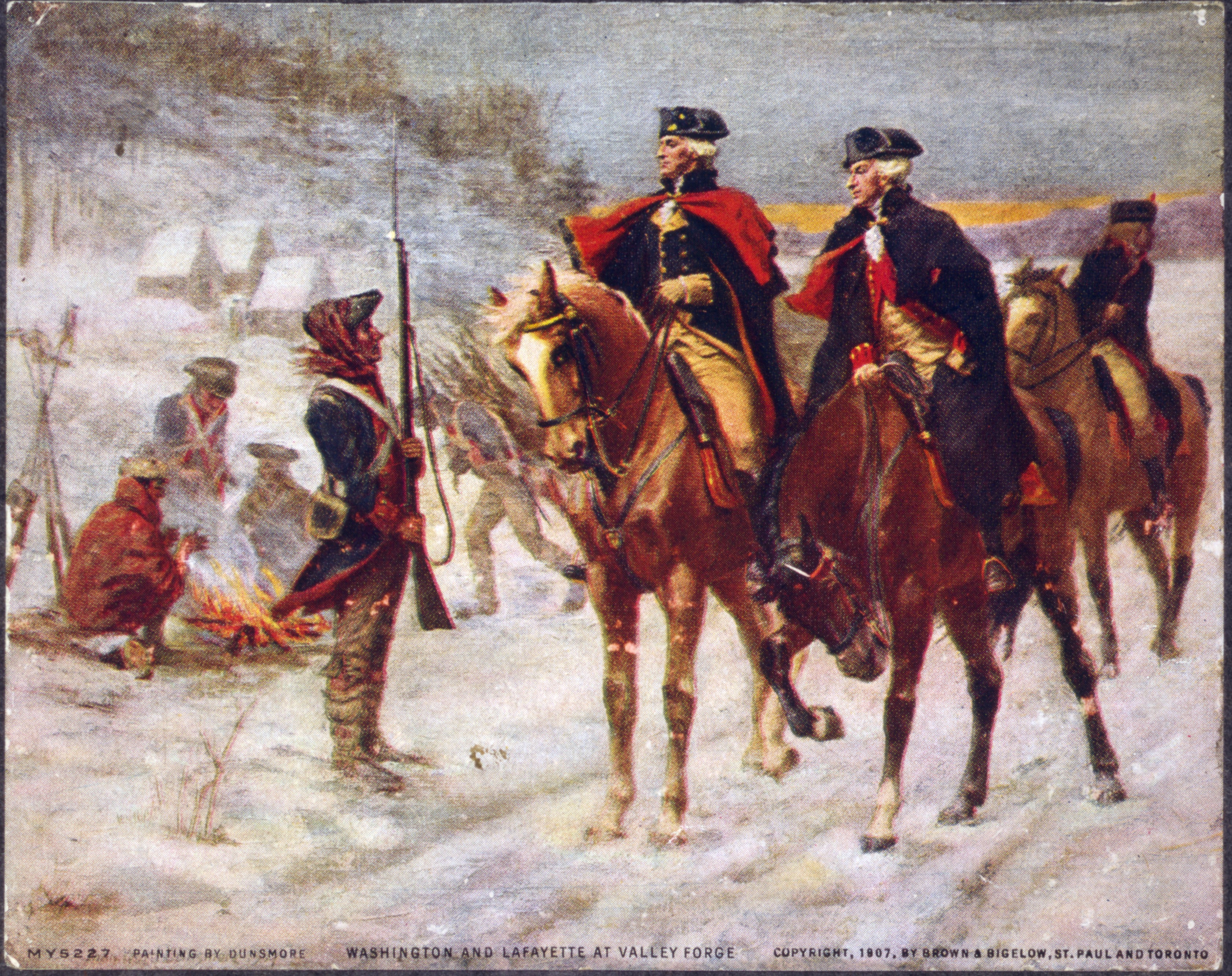
George Washington’s presence at Valley Forge was a masterstroke in personal branding and leadership alignment. Instead of retreating to a comfortable headquarters far from the front lines, he shared the hardships of his team. In modern brand terms, this is “walking the talk.”
A brand is only as strong as the integrity of its leadership. By staying on-site, Washington reinforced the brand values of resilience and shared sacrifice. He wasn’t just a CEO issuing memos from a corner office; he was a leader reinforcing the brand narrative in the trenches. This alignment between executive behavior and organizational values is what prevented the “brand” from collapsing entirely during its darkest hour.
The Baron von Steuben Effect: Standardizing the Brand Narrative
If Washington was the CEO and visionary, Baron Friedrich Wilhelm von Steuben was the high-level brand consultant brought in to overhaul the operations. When von Steuben arrived at Valley Forge, he found an organization with no “Brand Guidelines.” Every regiment practiced different drills, used different equipment, and followed different protocols.
Creating a Unified “Corporate” Manual
Von Steuben recognized that a brand cannot scale without standardization. He set out to draft what would eventually become the Regulations for the Order and Discipline of the Troops of the United States, often called the “Blue Book.” This was effectively the first comprehensive Brand Identity Manual for the United States military.
He simplified complex maneuvers into repeatable processes. He taught the soldiers how to move as one, how to maintain their “equipment” (muskets), and how to organize their “workspaces” (campsites) for maximum efficiency and hygiene. For a modern brand, this is the equivalent of creating a design system or a tone-of-voice guide. It ensures that no matter where a customer interacts with the brand—whether it’s a soldier from Georgia or a soldier from New Hampshire—the experience and “output” are identical.
The Importance of Internal Consistency
Standardization at Valley Forge did more than improve efficiency; it built confidence. When employees (soldiers) know exactly what is expected of them and see their peers following the same protocols, the internal brand strengthens.
Von Steuben didn’t just train the masses; he used a “train-the-trainer” model. He worked with a model company of 100 men, who then went out and trained the rest of the army. In corporate strategy, this is the equivalent of identifying “Brand Champions” within an organization to lead a cultural rollout. By the time the snow melted, the Continental Army spoke a single operational language for the first time.
Enduring the Winter: Protecting the Brand Under Pressure
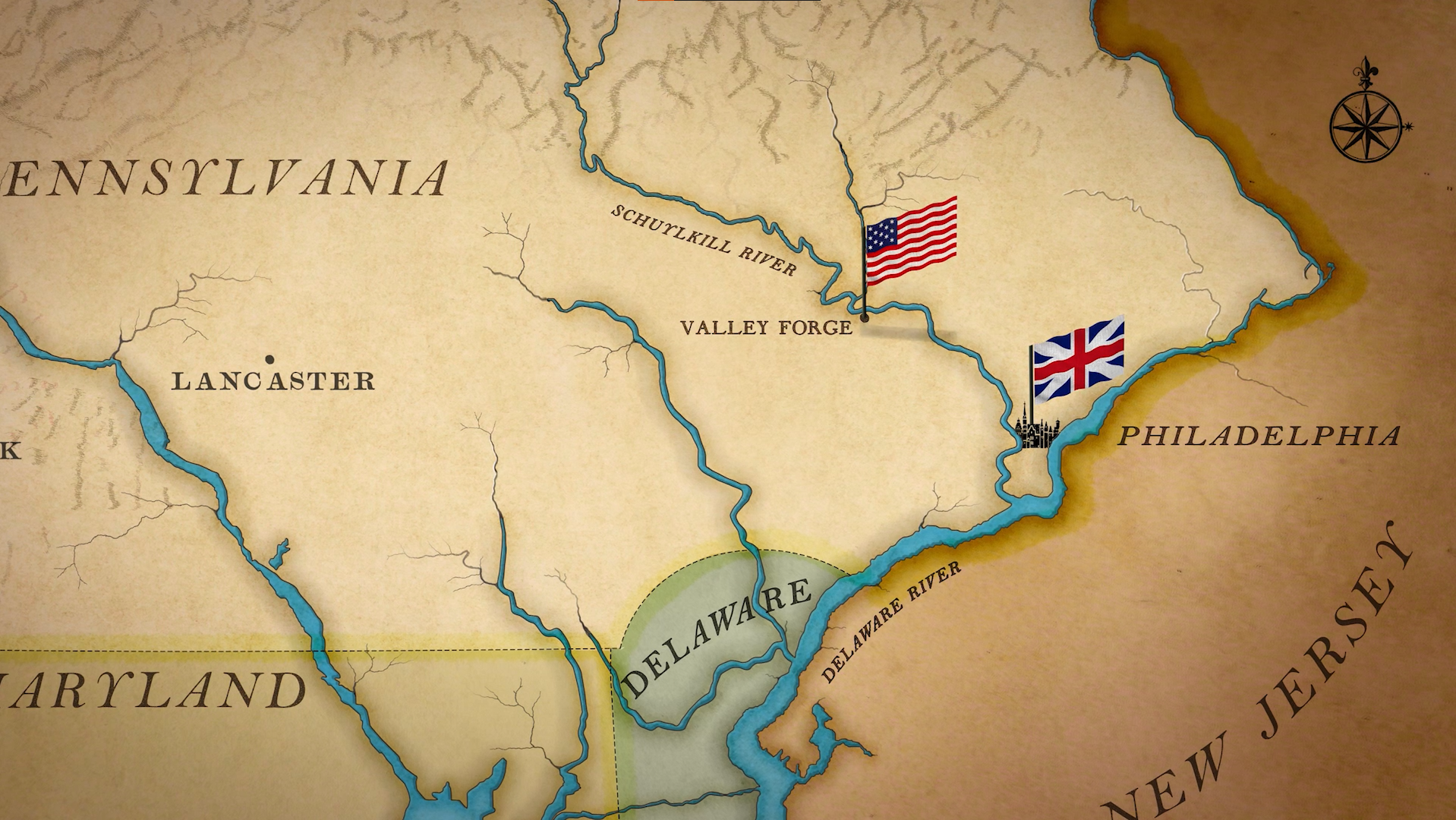
Every major brand eventually faces a “winter”—a period of economic downturn, PR crisis, or intense competition. What happened at Valley Forge demonstrates that the strength of a brand is not measured during times of prosperity, but by its ability to maintain its core identity when resources are scarce.
Crisis Management and Morale
During the winter of 1777–1778, the Continental Army faced a supply chain collapse. There was no meat, no shoes, and very little clothing. In business terms, the company was insolvent. However, the leadership focused on “Internal Marketing.”
Washington and his officers focused on the long-term vision—the “Why” behind the brand. They leveraged the power of storytelling to remind the troops that they were fighting for a cause greater than their immediate discomfort. This is a critical lesson for modern corporate identity: when a company is going through a lean period, the brand’s “Purpose” must be amplified to prevent talent attrition and maintain morale.
Building Loyalty through Shared Sacrifice
The “Valley Forge Brand” became synonymous with grit. This period created a level of brand loyalty that money couldn’t buy. The soldiers who survived Valley Forge didn’t just feel like employees; they felt like stakeholders in a revolutionary enterprise.
In modern marketing, we often talk about “Brand Communities.” These are groups of people who feel a deep, emotional connection to a brand because of shared values or shared experiences. Valley Forge was the crucible that forged the first true American brand community. The bond created during those months of hardship ensured that the army would not desert when things got difficult again in the future.
The Outcome: Re-Emergence and Market Dominance
By June 1778, when the Continental Army finally marched out of Valley Forge to pursue the British, they were a fundamentally different organization. They had undergone a total “rebrand.” They were no longer a collection of militias; they were a professional, standardized, and highly motivated “global player.”
The Pivot from Survival to Offensive
The true test of the Valley Forge rebranding came at the Battle of Monmouth. For the first time, the Continental Army stood toe-to-toe with the British regulars—the “market leaders” of the time—and did not retreat.
This pivot from a defensive, survival-based posture to an offensive, growth-oriented posture is the ultimate goal of any brand transformation. The technical training provided by von Steuben and the cultural unity fostered by Washington allowed the organization to execute its “business plan” with precision. They had successfully moved from the “Early Stage” of a struggling startup to the “Growth Stage” of a competitive enterprise.
Legacy: The Permanent Value of the Brand
The brand identity forged at Valley Forge didn’t just win the war; it set the standard for the United States military for centuries to come. The “Blue Book” remained the official manual for decades. The values of resilience, standardization, and visionary leadership became the DNA of the American military brand.
In the corporate world, a successful rebranding effort should have this kind of longevity. It shouldn’t just be a new logo or a catchy slogan; it should be a fundamental shift in how the organization operates and perceives itself.
Conclusion: Applying the Valley Forge Strategy Today
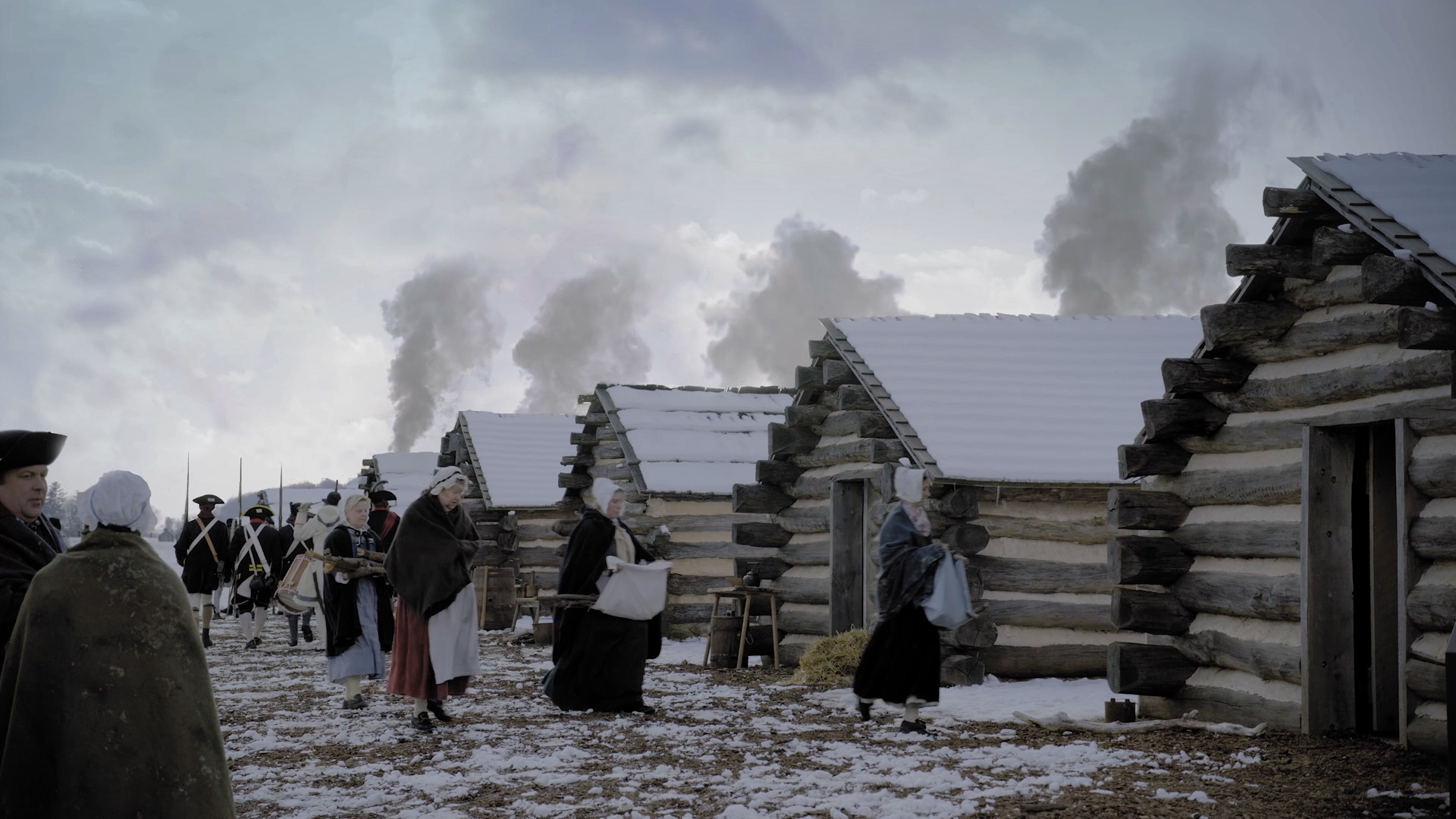
What happened at Valley Forge was much more than a historical footnote about a cold winter. It was a strategic transformation that saved a failing brand and prepared it for world-changing success.
For modern brand strategists, the lessons are clear:
- Unity over Fragmentation: A brand cannot survive if its internal culture is divided.
- Standardization is Scalability: Without clear “Brand Guidelines” and operational protocols, growth is impossible.
- Leadership through Action: Executives must embody the brand’s values, especially during a crisis.
- The Power of Purpose: When resources are low, a clear brand “Why” is the only thing that maintains loyalty.
Whether you are managing a global corporation or a personal brand, your “Valley Forge” moments—those periods of extreme pressure and scarcity—are your greatest opportunities for rebranding. It is in the “winter” of your business cycle that your true identity is forged, your standards are set, and your future dominance is decided. By embracing the principles of standardization, symbolic leadership, and cultural unity, any organization can emerge from its darkest hour stronger, more professional, and ready to conquer the market.
aViewFromTheCave is a participant in the Amazon Services LLC Associates Program, an affiliate advertising program designed to provide a means for sites to earn advertising fees by advertising and linking to Amazon.com. Amazon, the Amazon logo, AmazonSupply, and the AmazonSupply logo are trademarks of Amazon.com, Inc. or its affiliates. As an Amazon Associate we earn affiliate commissions from qualifying purchases.