
In the volatile world of high fashion, where trends are often as fleeting as a seasonal runway show, few entities have managed to transform the “used” market into a pinnacle of aspirational branding. “What Goes Around Comes Around” (WGACA) is not merely a retailer; it is a masterclass in brand positioning, heritage storytelling, and the strategic curation of luxury. By redefining the second-hand experience as a “vintage luxury” journey, the brand has carved out a unique niche that bridges the gap between historical reverence and modern consumerism. This article explores the sophisticated brand strategy that allows WGACA to command premium prices and maintain an aura of exclusivity in an increasingly crowded resale market.

The Architecture of Curated Prestige
The primary pillar of the “What Goes Around Comes Around” brand strategy is the shift from a volume-based inventory model to a curation-based prestige model. Unlike mass-market resale platforms that rely on algorithms and user-generated listings, WGACA functions as a high-end editor of fashion history.
Redefining “Pre-Owned” as “Vintage Luxury”
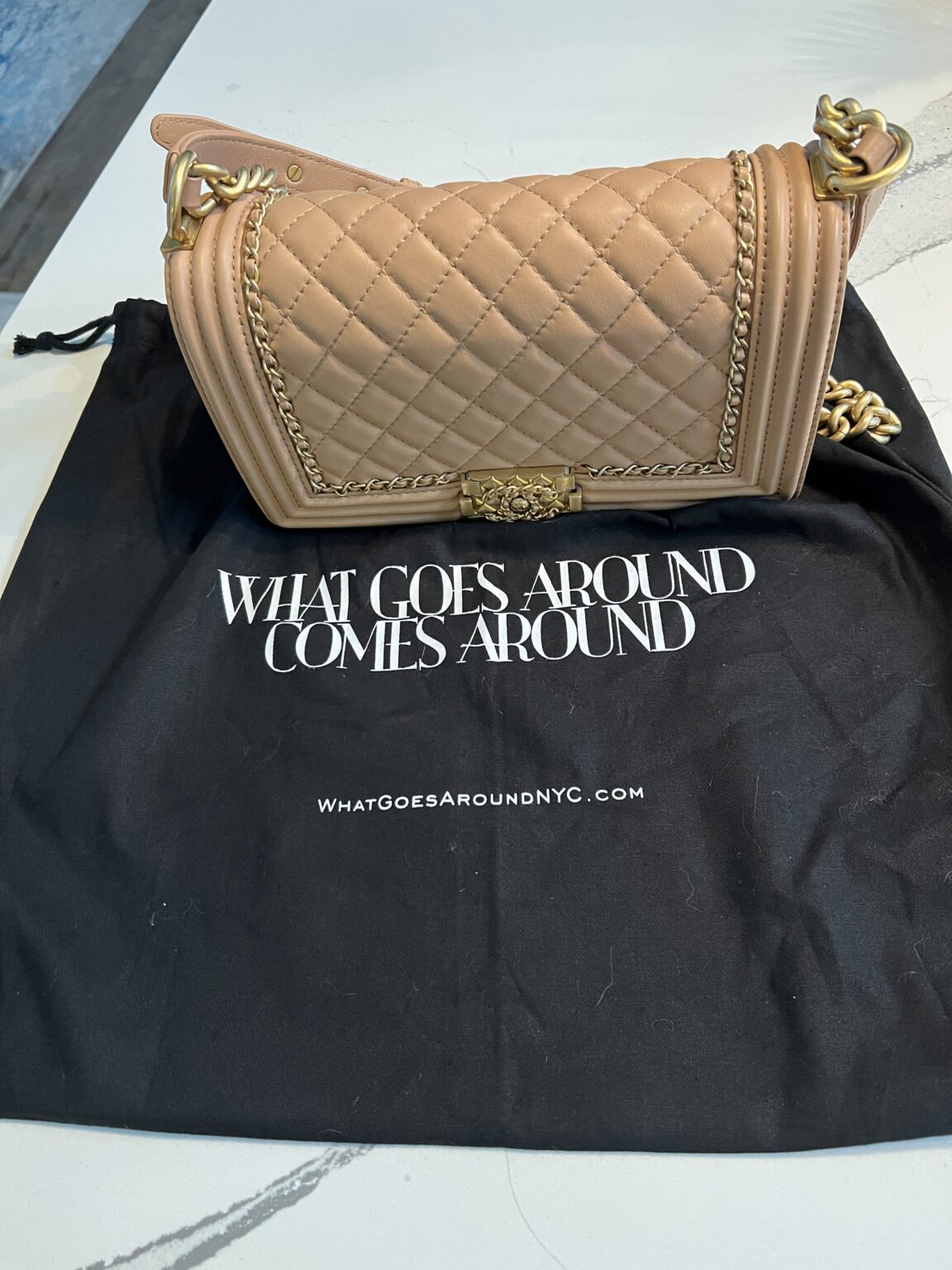
The word “used” carries a connotation of depreciation. WGACA’s brand strategy successfully scrubbed this stigma by replacing it with the concept of “vintage luxury.” This isn’t just a semantic choice; it is a psychological positioning tactic. By focusing on the “archival” nature of their handbags—specifically pieces from “The Big Three”: Chanel, Hermès, and Louis Vuitton—they elevate the product from a discarded item to a collectible artifact. The brand communicates that these handbags are not just survivors of time but are actually improved by their history.
The Power of Curation over Inventory
In branding, less is often more. WGACA’s identity is built on the rigorous selection of “the best of the best.” Their brand promise revolves around the idea that their buyers have already done the difficult work of sifting through thousands of items to find the one “unicorn” piece. This editorial approach creates a “brand filter” that adds value. When a customer buys a handbag from WGACA, they aren’t just buying a bag; they are buying the WGACA “seal of approval,” which signifies that the item is stylistically relevant and historically significant.
Building Trust in a High-Stakes Marketplace
For any brand operating in the luxury resale space, the greatest existential threat is the counterfeit market. WGACA has turned this challenge into a core brand strength by positioning itself as the ultimate authority on authenticity.
Authentication as a Brand Pillar
In the luxury sector, trust is the most valuable currency. WGACA has integrated its authentication process into its brand DNA. It isn’t just a back-office function; it is a marketing highlight. By emphasizing their decades of experience and their proprietary multi-step inspection processes, they position the brand as a safe haven for collectors. In a market flooded with “super-fakes,” the WGACA brand stands for peace of mind, allowing them to charge a premium over unverified peer-to-peer marketplaces.
Establishing Authority through Heritage Expertise
A brand’s identity is often bolstered by its founder’s story and expertise. WGACA leverages the deep knowledge of its founders, Seth Weisser and Gerard Maione, to project an image of scholarly expertise in fashion history. This “expert-led” branding transforms the company from a retail store into a cultural institution. When the brand speaks about the specific year of a Chanel 2.55 or the leather grain of a 1990s Birkin, it reinforces its position as the custodian of luxury heritage, making the brand indispensable to the serious collector.
Marketing the Circular Economy: The Psychology of Resale
The rise of the circular economy has provided a fertile ground for WGACA to refine its marketing narrative. They have successfully aligned the brand with contemporary values of sustainability without losing the “glamour” that defines luxury.
The Aspiration of Accessibility
One of the most brilliant aspects of the WGACA brand strategy is how it manages the “aspiration gap.” For many consumers, a brand-new Hermès Birkin is inaccessible, not just because of the price, but because of the legendary “waitlists” and gatekeeping at primary boutiques. WGACA markets “immediate access” as a brand luxury. They position themselves as the brand that provides the “ungettable.” This strategy appeals to the modern consumer’s desire for instant gratification while maintaining the high-status allure of the product.
Sustainability as a Luxury Status Symbol
Modern branding requires a conscience. WGACA has pivoted its narrative to highlight the environmental benefits of “pre-loved” fashion. However, unlike “fast-fashion” recycling programs, WGACA’s version of sustainability is rooted in the “buy less, buy better” philosophy. Their marketing emphasizes that a luxury handbag is a lifetime investment that doesn’t need to be manufactured again. By framing the purchase as an eco-conscious choice, they allow the consumer to feel ethically superior while indulging in high-end consumption—a powerful dual-benefit brand message.
Brand Partnerships and Retail Synergy
A key component of WGACA’s growth strategy has been its ability to integrate with established luxury giants, rather than competing against them. Through strategic wholesale and retail partnerships, they have expanded their brand reach into traditional high-end spaces.
Scaling via Luxury Department Store Integrations
WGACA’s presence in prestigious department stores like Bloomingdale’s and Neiman Marcus is a cornerstone of their brand authority. This “store-within-a-store” model provides an immediate halo effect. By sitting alongside brand-new luxury collections, WGACA handbags are validated by the department store’s own reputation. For the consumer, this proximity blurs the line between “new” and “vintage,” further solidifying the idea that a vintage Chanel is just as relevant as the current season’s offering.
Collaborative Exclusivity
The brand has mastered the art of the “pop-up” and the exclusive collaboration. By creating limited-time installations in high-profile locations (such as the Hamptons or Beverly Hills), they use the brand principle of “scarcity” to drive demand. These events are often marketed as “curated drops,” a term borrowed from streetwear culture that resonates with younger, affluent demographics. This allows the brand to stay culturally relevant and “trendy” despite dealing in items that are decades old.

Conclusion: The Future of Brand Longevity
The success of “What Goes Around Comes Around” lies in its ability to treat a commodity—a handbag—as a piece of intellectual property. They do not just sell leather and hardware; they sell a curated experience, a verified history, and a commitment to timeless style. By focusing on the brand pillars of trust, curation, and heritage, they have insulated themselves from the price wars of the broader resale market.
As the luxury landscape continues to evolve toward a more circular model, WGACA’s brand strategy provides a roadmap for how to maintain prestige in a secondary market. Their ability to command the narrative—turning “old” into “vintage” and “used” into “archival”—is the hallmark of a truly sophisticated brand. For WGACA, the name is more than a slogan; it is a cyclical business model that ensures as long as there is luxury, there will be a market for the history that comes around with it. The brand’s future will likely depend on its ability to continue innovating its authentication technology and its digital storytelling, ensuring that the “vintage luxury” experience remains as polished and exclusive as the handbags themselves.
aViewFromTheCave is a participant in the Amazon Services LLC Associates Program, an affiliate advertising program designed to provide a means for sites to earn advertising fees by advertising and linking to Amazon.com. Amazon, the Amazon logo, AmazonSupply, and the AmazonSupply logo are trademarks of Amazon.com, Inc. or its affiliates. As an Amazon Associate we earn affiliate commissions from qualifying purchases.