
For many, the path to becoming a Registered Nurse (RN) is driven by a desire to help others and a passion for healthcare. However, from a pragmatic “Money” perspective, pursuing a nursing degree is one of the most significant financial investments an individual will ever make. It is not merely a matter of which classes to take; it is a complex calculation of tuition costs, debt-to-income ratios, and the long-term Return on Investment (ROI) of various educational pathways.
In an era where student debt is a national crisis, choosing the right educational route to becoming an RN requires a strategic financial mindset. This guide analyzes the financial landscape of nursing education, comparing the costs of different degrees and outlining how to maximize the fiscal benefits of a career in nursing.
Investing in the Foundation: Comparing the Costs of RN Educational Pathways
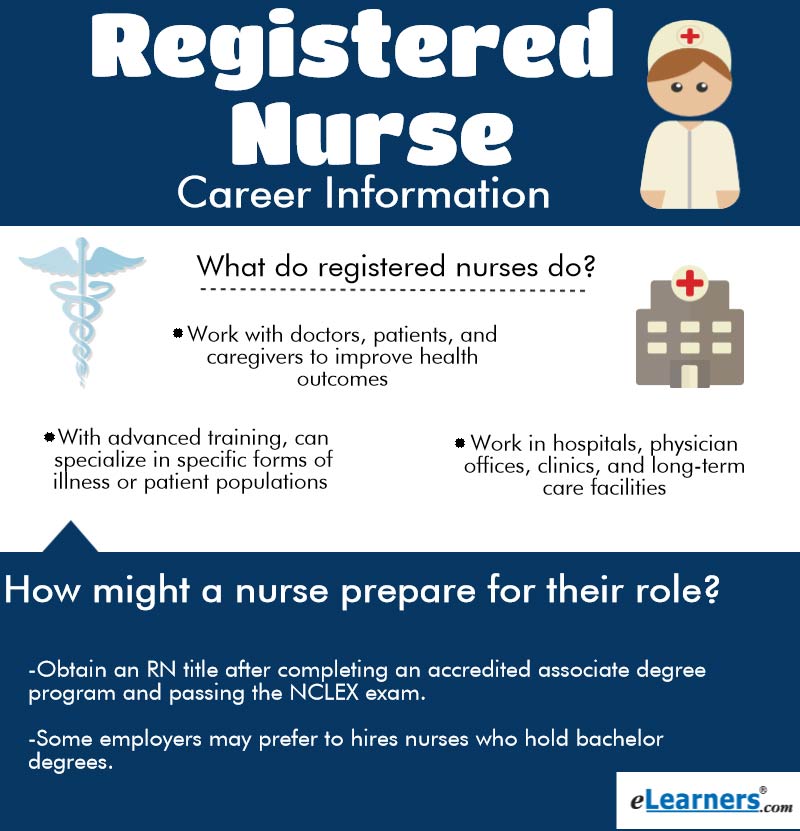
The primary question for any prospective nurse is which degree to pursue: an Associate Degree in Nursing (ADN) or a Bachelor of Science in Nursing (BSN). While both allow you to sit for the NCLEX-RN exam and become a licensed nurse, the price tags and financial outcomes differ significantly.
The Associate Degree in Nursing (ADN): The Low-Cost Entry Point
The ADN is often cited as the most cost-effective way to enter the nursing profession. Typically offered by community colleges, these programs usually take two to three years to complete. From a financial standpoint, the tuition for an ADN is a fraction of what a four-year university charges.
By choosing a local community college, students can often graduate with minimal or no debt. This allows for an immediate entry into the workforce, where the salary for a new RN with an ADN is often comparable to that of a BSN holder in the same hospital system. For those focused on a quick “break-even” point on their education investment, the ADN is the gold standard.
The Bachelor of Science in Nursing (BSN): The Premium Investment
A BSN is a four-year degree typically earned at a university. While the upfront costs—tuition, room, board, and university fees—are significantly higher than an ADN, the BSN is increasingly becoming the industry standard. Many high-paying Magnet hospitals require a BSN for employment.
From a long-term financial perspective, the BSN offers higher “earning ceilings.” It is the prerequisite for leadership roles, specialized certifications, and graduate-level education. While the initial debt may be higher, the lifetime earnings of a BSN-prepared nurse often outpace those of an ADN-prepared nurse due to increased mobility and access to management positions.
Accelerated BSN (ABSN) Programs for Career Changers
For individuals who already hold a degree in another field, the Accelerated BSN offers a fast-track route to nursing, usually in 12 to 18 months. However, these programs are often the most expensive option per credit hour. From a “Money” niche perspective, the ABSN is an intensive capital investment designed for those who want to pivot their career quickly and begin earning a nursing salary as soon as possible, minimizing the “opportunity cost” of being out of the workforce.
Financing Your Future: Strategies for Minimizing Debt and Maximizing Subsidies
The cost of nursing education can range from $10,000 at a community college to over $100,000 at a private university. Navigating this requires a sophisticated understanding of financial tools and federal incentives.
Leveraging Federal and State Grants
Before looking at loans, savvy nursing students must exhaust all “free money” options. The Federal Pell Grant and state-specific nursing grants are essential tools. Many states, facing nursing shortages, offer “service-cancelable loans” or grants where the debt is forgiven if the graduate agrees to work in an underserved area for a specified period. This is essentially a guaranteed ROI before the career even begins.
Employer Tuition Reimbursement and “RN-to-BSN” Bridge Programs
One of the most effective financial strategies in the nursing world is the “Step-Up” method. An individual earns an ADN at a low cost, begins working as an RN, and then utilizes their employer’s tuition reimbursement benefits to pay for an RN-to-BSN bridge program.

Many healthcare corporations offer $3,000 to $5,000 per year in tuition assistance. By utilizing these benefits, a nurse can effectively earn their BSN for free or at a significantly reduced cost while earning a full-time salary. This strategy maximizes cash flow and prevents the accumulation of high-interest student debt.
Public Service Loan Forgiveness (PSLF) and HRSA Programs
For those who graduate with significant federal student loan debt, the Public Service Loan Forgiveness (PSLF) program is a critical financial tool. By working for a non-profit hospital or a government agency and making 120 qualifying payments, the remaining balance is forgiven tax-free. Additionally, the Health Resources & Services Administration (HRSA) offers the NURSE Corps Loan Repayment Program, which pays off up to 85% of unpaid nursing education debt for those who work in critical shortage facilities.
The Return on Investment: Salary Expectations and Wealth Building
Once the education is complete, the focus shifts from managing costs to maximizing income. Nursing is a unique profession because it offers a high floor for entry-level earnings and multiple avenues for “side hustles” and income scaling.
Understanding Starting Salaries and Geographic Arbitrage
The ROI of a nursing degree is heavily dependent on location. In states like California or New York, starting salaries can exceed $90,000, whereas, in the Midwest or South, they may hover around $60,000. However, the cost of living must be factored into the equation. “Geographic arbitrage”—earning a high salary in an area with a relatively low cost of living—is one of the fastest ways for a nurse to achieve financial independence.
Specialized Certifications and Their Impact on Income
Nursing is not a monolithic field. Specializing in areas such as the Intensive Care Unit (ICU), Operating Room (OR), or Emergency Room (ER) can lead to shift differentials and specialty pay. Furthermore, obtaining certifications (such as a CCRN for critical care) often triggers automatic raises or annual bonuses. From a financial management perspective, these certifications represent a low-cost investment with a recurring annual return.
The Business of Travel Nursing
For nurses looking to maximize their short-term income, travel nursing remains a lucrative “side hustle” or full-time business model. Travel nurses are contracted to fill gaps in staffing, often receiving tax-free stipends for housing and meals on top of a high hourly wage. During peak demand periods, travel nurses can earn double or triple the salary of a staff nurse. Strategically taking travel contracts for 2–3 years can allow a nurse to pay off all educational debt and build a significant investment portfolio.
Strategic Career Advancement: The Financial Logic of Graduate Nursing Degrees
For those looking beyond the role of an RN, graduate education—Master of Science in Nursing (MSN) or Doctor of Nursing Practice (DNP)—represents a major shift in earning potential.
Nurse Practitioners (NP) and Physician Assistants (PA)
Advancing to an NP role requires a significant financial outlay for graduate school. However, the median salary for NPs often exceeds $120,000. When calculating the ROI, one must consider the “break-even” point—how many years of the higher NP salary will it take to pay off the graduate school loans and cover the lost wages during school? For most, the transition pays for itself within five to seven years.
Certified Registered Nurse Anesthetists (CRNA): The High-Income Pinnacle
The CRNA pathway is the most expensive and rigorous nursing educational route, but it offers the highest financial reward. With average salaries often exceeding $200,000, CRNAs are among the highest-paid professionals in the healthcare industry. While the tuition for a CRNA program can be daunting, the lifetime wealth-building potential is comparable to that of many physicians, making it a highly attractive investment for those with the academic and clinical stamina.
Nursing Administration and Informatics
Not all high-paying nursing roles are clinical. Nursing Informatics—a blend of nursing science and data analytics—is a growing tech-adjacent niche within the nursing world. Nurses who move into informatics or executive leadership (CNO roles) often enjoy high six-figure salaries and corporate bonus structures. This path is ideal for those looking to move away from the physical demands of the bedside while continuing to leverage their clinical education for financial gain.

Conclusion: Engineering a Profitable Nursing Career
Becoming a Registered Nurse is more than a career choice; it is a sophisticated financial maneuver. By carefully selecting the initial educational pathway (ADN vs. BSN), strategically utilizing employer benefits and federal forgiveness programs, and eyeing high-ROI specializations or graduate degrees, an RN can build a life of significant financial stability.
The “Money” of nursing lies in the balance between the cost of the degree and the agility of the career. Whether it is through the low-cost entry of a community college or the high-stakes investment of a CRNA program, the education needed to become a nurse remains one of the most reliable and scalable investments in the modern economy. For the financially savvy nurse, the degree is not just a license to practice—it is a license to build wealth.
aViewFromTheCave is a participant in the Amazon Services LLC Associates Program, an affiliate advertising program designed to provide a means for sites to earn advertising fees by advertising and linking to Amazon.com. Amazon, the Amazon logo, AmazonSupply, and the AmazonSupply logo are trademarks of Amazon.com, Inc. or its affiliates. As an Amazon Associate we earn affiliate commissions from qualifying purchases.