
In the competitive landscape of global commerce, a brand’s visual identity serves as its silent ambassador. Before a consumer reads a single line of copy or engages with a product’s features, they process visual cues—the most potent of which is color. Among the spectrum of choices available to designers and strategists, green occupies a unique and multifaceted position.
What does the color green mean in the context of branding? It is a color of paradoxes: it represents both the stillness of nature and the aggressive growth of high finance; it signals safety and “go,” yet it can also warn of toxicity or envy. For brand strategists, understanding the nuances of green is not merely an aesthetic choice; it is a fundamental component of psychological positioning. This article explores the strategic application of green, its psychological underpinnings, and how it shapes consumer perception across various industries.

1. The Psychology of Green: Why We React the Way We Do
To understand green’s impact on branding, one must first look at human evolutionary biology. Green is the most common color in the natural world, and as a result, the human eye is evolved to detect more shades of green than any other color. This heightened sensitivity makes green a versatile tool for brand designers, offering a vast range of emotional “temperatures.”
The Association with Growth and Vitality
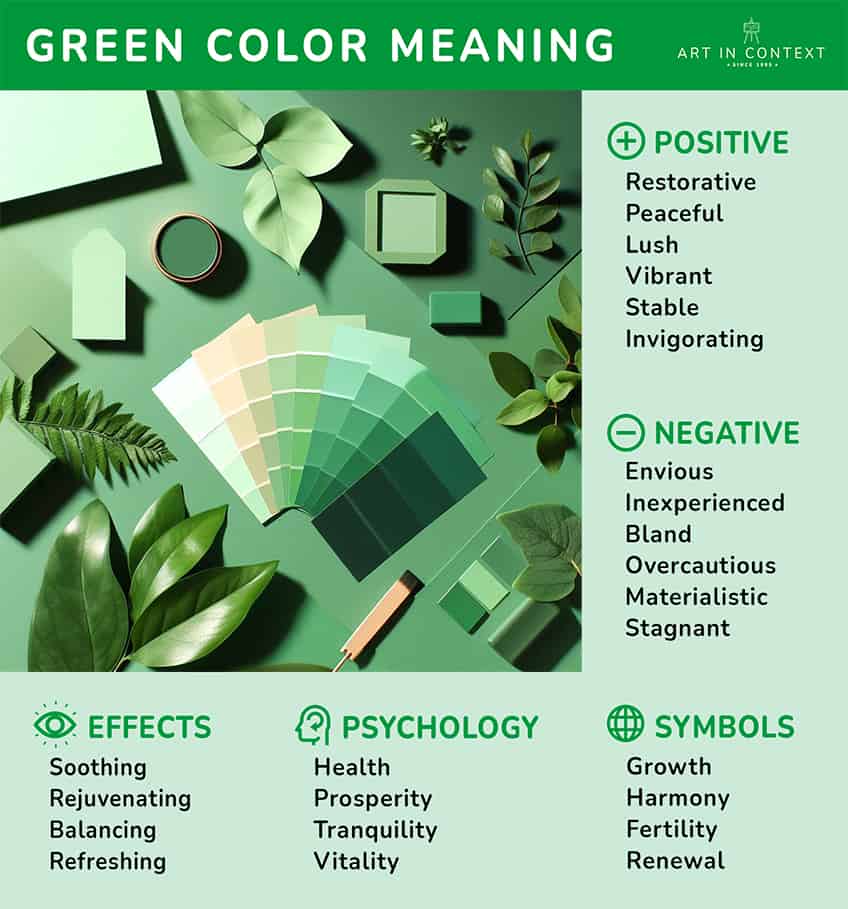
At its core, green is the color of life. In brand psychology, it is used to evoke feelings of renewal, freshness, and organic growth. When a brand adopts a mid-to-light green, it subconsciously communicates that the company is evolving, healthy, and vibrant. This is why green is the primary choice for startups in the wellness, agriculture, and biotech sectors. It suggests that the brand is not a stagnant entity but a living, breathing ecosystem.
Safety, Permission, and the “Go” Signal
In the semiotics of daily life, green is the universal signal for “clearance.” From traffic lights to digital “online” status indicators, green tells the brain that it is safe to proceed. Strategically, brands use this to reduce consumer friction. Financial services or security firms often incorporate green to reassure nervous clients that their assets are safe and that they have the “green light” to trust the institution.
The Calming Effect and Stress Reduction
Color theorists have long noted that green has a lower frequency than warm colors like red or orange, making it restful for the eyes. In a high-stress digital world, brands like Spotify or Evernote use green to create a sense of focused calm. It provides a visual “buffer” that allows users to engage with a digital interface for longer periods without experiencing the cognitive fatigue associated with more aggressive hues.
2. Green as a Symbol of Sustainability and Corporate Responsibility
In the 21st century, green has become synonymous with the “Eco-brand.” As consumer awareness regarding climate change and ethical sourcing reaches an all-time high, the strategic use of green has shifted from an aesthetic preference to a moral claim.
The Rise of the “Eco-Brand” Revolution
For companies looking to emphasize their commitment to the environment, green is the non-negotiable anchor of their visual identity. Whether it is a luxury skincare line using recycled packaging or a tech firm powered by renewable energy, green acts as a shorthand for “responsible.” It bridges the gap between corporate profit and environmental stewardship. Brands like Whole Foods Market leverage forest and olive greens to reinforce their “organic” and “farm-to-table” credentials, ensuring that the consumer perceives the store as an extension of nature itself.
Navigating the “Greenwashing” Trap
However, the ubiquity of green in environmental branding has led to a phenomenon known as “greenwashing.” This occurs when a brand uses green imagery and palettes to deceptively suggest environmental friendliness. From a brand strategy perspective, this is a high-risk maneuver. Modern consumers are increasingly skeptical; if a brand uses “eco-green” but lacks the transparent supply chain or ethical practices to back it up, the color choice can backfire, leading to a total loss of brand equity. Strategists must ensure that the use of green is an authentic reflection of the brand’s core values, rather than a superficial mask.
The Shift to “Sustainable Luxury”
Traditionally, luxury brands relied on black, gold, and white. Recently, however, a new “Green Luxury” tier has emerged. High-end brands are now using deep, emerald greens to signify “conscious wealth.” This shade suggests that the brand is not just expensive, but also thoughtful, enduring, and ethically conscious—a powerful combination for the modern affluent demographic.
3. Industry-Specific Applications: Case Studies in Green
The meaning of green shifts dramatically depending on the industry context. By examining successful global brands, we can see how different shades of green are curated to serve specific strategic goals.

Starbucks: The Green of Relaxation and Third-Place Identity
The Starbucks green is perhaps one of the most recognized brand colors in the world. Originally brown, the brand shifted to a deep “Deep Sea Green” to reflect growth and a fresh start. More importantly, in the context of a coffee shop, green promotes a “Third Place” atmosphere—a spot between work and home where one can relax. The color invites the customer to linger, sit down, and enjoy a premium experience, contrasting with the high-energy reds and yellows of “fast food” competitors that prioritize rapid turnover.
Spotify: Neon Green and the Energy of Sound
Spotify’s use of a vibrant, neon “high-visibility” green serves a different purpose entirely. In the crowded app market, Spotify needed a color that felt modern, digital, and energetic. This specific shade of green communicates a “vibe” rather than a “forest.” It positions the brand as a tech-forward disruptor. The neon quality ensures that the app icon stands out on a cluttered smartphone home screen, effectively claiming the “green space” in the digital music industry.
Fidelity and H&R Block: The Color of Prosperity
In the United States and several other markets, green is inextricably linked to currency. Financial brands use this association to build trust. Fidelity Investments utilizes a solid, dark green to suggest stability, wealth accumulation, and professional growth. In this niche, the color doesn’t mean “trees”; it means “profit.” It reassures the investor that their capital is in a fertile environment where it can grow.
4. Design Strategy: Implementing Green in Your Brand Palette
Choosing to “go green” is only the first step. The strategic execution involves selecting the right saturation, brightness, and secondary colors to avoid common branding pitfalls.
Selecting the Right Shade
The “meaning” of green is highly dependent on its technical properties:
- Lime and Neon Greens: These suggest speed, youth, and technological innovation. They are excellent for “disruptor” brands but can be perceived as “cheap” if overused in professional services.
- Forest and Hunter Greens: These evoke tradition, masculinity, and stability. They are the go-to for heritage brands and outdoor equipment (e.g., John Deere).
- Sage and Mint Greens: These are soft and therapeutic. They are widely used in the cosmetics and healthcare industries to communicate cleanliness and a “gentle” touch.
Complementary Palettes and Visual Hierarchy
In brand design, green is rarely used in isolation. Pairing green with white creates a “clean” and “airy” feel, common in the medical tech sector. Pairing it with earth tones like brown or tan doubles down on the “organic” narrative. For a more modern, high-contrast look, many tech brands pair green with dark charcoal or black, which makes the green appear to “glow,” emphasizing the digital nature of the product.
Accessibility and Digital Legibility
From a technical brand strategy perspective, green can be tricky in digital interfaces. Certain shades of green can be difficult for color-blind users to distinguish from red or gray. A robust brand identity must include “accessible” versions of its green palette to ensure that the brand remains inclusive and compliant with international design standards. This attention to detail reinforces the brand’s image as a sophisticated, user-centric entity.
5. The Global Context: Cultural Variations in Green
For brands operating on a global scale, it is vital to recognize that the “meaning” of green is not universal. Cultural nuances can turn a successful domestic palette into a strategic liability abroad.
Western vs. Eastern Interpretations
In Western cultures, green is heavily associated with luck (Ireland), money (USA), and the environment. However, in some Eastern cultures, the connotations change. For example, in China, a “green hat” is a colloquialism for infidelity, making it a color that must be used with extreme caution in fashion or personal branding. Conversely, in the Middle East, green is a deeply sacred color, often associated with paradise and the Islamic faith, requiring a respectful and dignified application in branding.
Green in Tropical vs. Arid Regions
In countries with lush tropical environments, green may be seen as common or “ordinary.” In contrast, in arid or desert climates, green is a symbol of luxury, water, and life-sustaining resources. A brand strategist must adjust the intensity and usage of the color based on the local environment to ensure the brand evokes the desired emotional response—whether that is “standing out” or “fitting in.”
Conclusion: The Versatile Future of Green
In the world of brand strategy, the color green is a high-performance tool. It has the power to soothe a restless consumer, signal environmental stewardship, and represent the accumulation of wealth. As we move further into an era defined by sustainability and digital transformation, the importance of green will only continue to grow.
By carefully selecting the right shade and understanding the psychological and cultural baggage that comes with it, brands can use green to build a deep, subconscious connection with their audience. Whether you are a fintech startup aiming for a “go” signal or a luxury heritage brand rooted in tradition, green offers a spectrum of meaning that—when applied with precision—can define the success of a corporate identity. In the end, green doesn’t just mean “nature” or “money”; it means whatever a strategic brand identity dictates it should mean, provided that the execution is as vibrant as the color itself.
aViewFromTheCave is a participant in the Amazon Services LLC Associates Program, an affiliate advertising program designed to provide a means for sites to earn advertising fees by advertising and linking to Amazon.com. Amazon, the Amazon logo, AmazonSupply, and the AmazonSupply logo are trademarks of Amazon.com, Inc. or its affiliates. As an Amazon Associate we earn affiliate commissions from qualifying purchases.