
The concept of “income security” within the context of a federal budget is a multifaceted and critical element, deeply intertwined with the economic well-being of a nation’s citizens and the stability of its financial landscape. It’s not a singular, easily quantifiable line item but rather an overarching goal that influences and is influenced by a wide array of government policies and spending decisions. Understanding income security requires dissecting how federal budgets aim to provide a foundational level of financial stability for individuals and families, mitigating the risks associated with unemployment, illness, old age, and economic downturns. This involves examining the mechanisms by which governments collect revenue and allocate funds to programs designed to ensure that citizens have a predictable and sufficient income to meet their basic needs and participate in the economy.

The Pillars of Federal Income Security Programs
The federal budget’s commitment to income security is primarily manifested through a suite of programs designed to provide a safety net and promote economic participation. These programs are not static; they evolve in response to demographic shifts, economic conditions, and societal values, all of which are debated and prioritized within the budgetary process.
Social Insurance Programs: The Foundation of Stability
At the core of federal income security are social insurance programs. These are designed to pool risk across the population, providing benefits to individuals who have contributed through payroll taxes or other means.
Social Security: A Cornerstone for Retirement and Disability
Social Security stands as arguably the most significant income security program in many developed nations, particularly the United States. Funded primarily through dedicated payroll taxes, it provides retirement income, disability benefits, and survivor benefits. The federal budget allocates substantial resources to Social Security, ensuring its solvency and adjusting benefits based on inflation and wage growth. Debates surrounding Social Security’s future often revolve around its long-term financial sustainability, demographic projections of an aging population, and the adequacy of current benefit levels. The budgetary implications include not only current payouts but also actuarial studies and potential adjustments to tax rates or eligibility criteria.
Unemployment Insurance: A Buffer Against Job Loss
Unemployment insurance (UI) is another critical component of federal income security. Funded through employer taxes, it provides temporary financial assistance to individuals who have lost their jobs through no fault of their own. The federal government often plays a role in setting guidelines, providing supplemental funding during economic crises, and managing the overall system. The budget’s allocation to unemployment benefits fluctuates significantly based on economic conditions; during recessions, higher unemployment rates necessitate increased spending, while during periods of robust job growth, expenditures decrease. The design of UI programs, including benefit levels, duration, and eligibility requirements, are all budgetary considerations that directly impact income security.
Public Assistance and Income Support: Addressing Immediate Needs
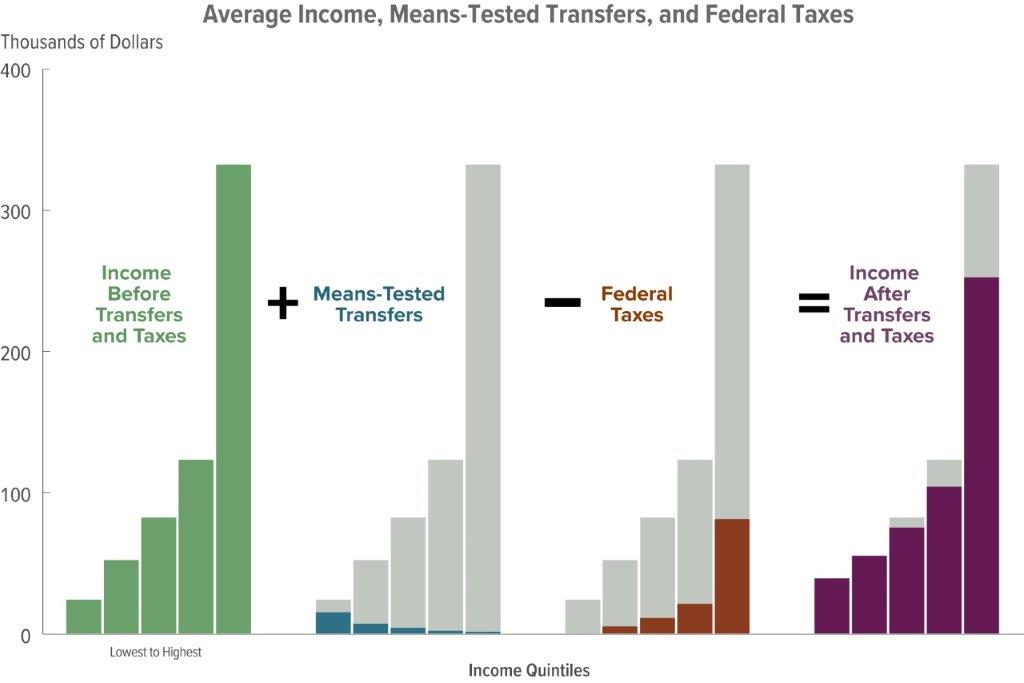
Beyond social insurance, federal budgets also fund programs aimed at providing direct assistance to individuals and families facing immediate financial hardship. These programs are often means-tested, meaning eligibility is based on income and asset levels.
Welfare Programs and Poverty Reduction
Federal welfare programs, such as food assistance (e.g., SNAP in the US), housing subsidies, and cash assistance programs, are designed to lift individuals and families out of poverty and ensure basic needs are met. The budgetary allocations for these programs reflect societal priorities regarding poverty reduction, child well-being, and support for vulnerable populations. These expenditures are often debated in terms of their effectiveness, potential for dependency, and the overall cost to taxpayers. The federal budget’s commitment to these programs directly influences the income security of low-income households.
Discretionary Spending for Social Services
While much of income security falls under mandatory spending, discretionary funding also plays a role. This can include allocations for job training programs, early childhood education initiatives, and other social services that aim to enhance earning potential and long-term financial stability. These investments, while not always directly providing income, are crucial for building human capital and fostering pathways to sustained income security.

The Economic Impact and Budgetary Trade-offs
The federal budget’s approach to income security has profound economic implications, influencing consumer spending, labor force participation, and overall economic growth. However, these allocations also represent significant trade-offs within the budget itself.
Stimulating the Economy Through Income Support
Providing income security through various federal programs acts as an economic stabilizer. When individuals have a predictable income, they are more likely to spend on goods and services, thereby stimulating demand and supporting businesses. During economic downturns, unemployment benefits and other forms of income support can prevent a sharp decline in consumer spending, mitigating the severity of recessions. The federal budget’s role in maintaining this safety net is therefore not just about social welfare but also about macroeconomic stability.
Budgetary Constraints and Prioritization
Allocating funds for income security programs necessitates difficult decisions within the federal budget. These programs often represent a substantial portion of government spending, requiring either higher taxation or cuts to other areas, such as defense, infrastructure, or education. The ongoing debate about the size and scope of government spending is directly linked to how much is dedicated to ensuring income security. Policymakers must constantly balance the desire to provide robust support with fiscal responsibility and the need to fund other essential government functions. This often leads to political discussions about the optimal level of government intervention in income support.
Investing in Human Capital for Long-Term Security
Beyond direct income support, federal budgets can also allocate resources to programs that invest in human capital, fostering long-term income security. Initiatives in education, job training, and healthcare can equip individuals with the skills and well-being necessary to secure stable and well-paying employment. While these may not appear as direct income payments, they represent crucial investments that can reduce reliance on safety net programs in the future and enhance the overall earning capacity of the population. The budgetary debate often centers on whether to prioritize immediate income relief or long-term human capital development.
The Evolving Landscape of Federal Income Security
The concept of income security within the federal budget is not static. It is continually shaped by emerging economic trends, technological advancements, and evolving societal expectations.
Adapting to the Future of Work and Automation
The rise of automation, artificial intelligence, and the gig economy presents new challenges to traditional notions of income security. As the nature of work changes, federal budgets may need to adapt to support new forms of income, such as portable benefits, universal basic income pilots, or enhanced retraining programs. The budgetary implications of these shifts are significant, requiring a proactive approach to understanding how to ensure economic stability in an increasingly dynamic labor market. Discussions around these topics often involve projections of future workforce needs and the potential impact of technological displacement.
Demographic Shifts and Program Sustainability
Aging populations and changing family structures also influence the demand for income security programs. For instance, an increasing proportion of retirees places greater demand on social security and healthcare systems. Federal budgets must account for these demographic shifts to ensure the long-term sustainability of these programs. This can involve exploring reforms to eligibility, benefit formulas, or funding mechanisms, all of which have direct budgetary consequences. The intergenerational implications of fiscal policy are a key consideration when discussing the future of income security.
Global Economic Influences and National Resilience
Finally, global economic trends and geopolitical events can significantly impact national income security. Federal budgets must be flexible enough to respond to external shocks, such as global recessions, trade disruptions, or international crises. The allocation of resources for emergency preparedness, economic stimulus packages, and international cooperation all play a role in safeguarding the income security of a nation’s citizens in an interconnected world. The budget’s ability to pivot and respond to unforeseen circumstances is a testament to its role in ensuring overarching economic resilience.
aViewFromTheCave is a participant in the Amazon Services LLC Associates Program, an affiliate advertising program designed to provide a means for sites to earn advertising fees by advertising and linking to Amazon.com. Amazon, the Amazon logo, AmazonSupply, and the AmazonSupply logo are trademarks of Amazon.com, Inc. or its affiliates. As an Amazon Associate we earn affiliate commissions from qualifying purchases.