
Inclusion in the workplace is no longer a buzzword; it’s a fundamental pillar of a thriving and progressive organizational culture. It goes beyond mere diversity, which focuses on representation, to actively foster an environment where every individual feels valued, respected, and empowered to contribute their unique perspectives and talents. This article delves into the multifaceted nature of workplace inclusion, exploring its core tenets, its tangible benefits, and the strategic approaches organizations can adopt to cultivate truly inclusive environments.
The Foundations of an Inclusive Workplace
At its heart, inclusion is about creating a sense of belonging for everyone. This means moving beyond superficial gestures and embedding principles of equity and respect into the very fabric of an organization’s operations, policies, and interactions. It acknowledges that diverse teams, when truly included, are inherently more innovative, productive, and resilient.

Beyond Diversity: The Evolution of Belonging
Diversity, while a crucial starting point, is only one piece of the inclusion puzzle. Diversity is about the “what” – the mix of people with different backgrounds, experiences, and identities. Inclusion, on the other hand, is about the “how” – how we ensure that this diverse mix can thrive and contribute fully. Without inclusion, diversity can lead to tokenism, where individuals from underrepresented groups are present but not truly heard or empowered. An inclusive workplace actively works to dismantle systemic barriers that might prevent certain groups from feeling comfortable, valued, or able to advance. This includes recognizing and addressing unconscious biases, promoting equitable opportunities, and ensuring that everyone has a voice that is respected and acted upon.
The Pillars of Inclusive Practices
Several key elements form the bedrock of an inclusive workplace:
- Psychological Safety: This is perhaps the most critical component. Psychological safety means creating an environment where employees feel safe to take risks, voice dissenting opinions, admit mistakes, and ask questions without fear of embarrassment, rejection, or punishment. When individuals feel psychologically safe, they are more likely to be innovative, collaborate effectively, and engage deeply with their work.
- Equity and Fairness: Inclusion demands a commitment to equity, which means providing resources and opportunities tailored to the needs of different individuals to achieve fair outcomes. This contrasts with equality, which treats everyone the same. In an inclusive workplace, policies and practices are designed to address historical disadvantages and ensure that everyone has a genuine opportunity to succeed. This applies to hiring, promotions, compensation, and access to development opportunities.
- Respect and Dignity: Every individual deserves to be treated with respect and dignity, regardless of their background, role, or any other characteristic. This means actively listening to others, valuing their contributions, and avoiding any form of discrimination, harassment, or microaggressions. It involves creating a culture where differences are not just tolerated but celebrated.
- Authenticity: An inclusive workplace allows individuals to bring their authentic selves to work. This means not having to hide or suppress aspects of their identity, beliefs, or personality to fit in. When employees can be authentic, they are more engaged, motivated, and likely to feel a strong sense of loyalty to the organization.
The Tangible Benefits of an Inclusive Workplace
The pursuit of inclusion is not merely a matter of social responsibility; it yields significant, measurable advantages for businesses. Organizations that prioritize inclusion unlock a wealth of benefits that impact their bottom line, innovation capacity, and overall market position.
Enhanced Innovation and Creativity
Diverse teams, when coupled with an inclusive culture, are a breeding ground for innovation. Different perspectives challenge assumptions, spark new ideas, and lead to more robust problem-solving. When individuals feel empowered to share their unique viewpoints without fear of judgment, the collective intelligence of the team is amplified. This can lead to the development of novel products, services, and strategies that cater to a broader range of customer needs and market demands.
Improved Employee Engagement and Retention
When employees feel included and valued, their commitment to the organization naturally increases. They are more likely to be engaged in their work, go the extra mile, and feel a sense of loyalty. This directly translates to higher retention rates, reducing the significant costs associated with employee turnover. A reputation for inclusivity also makes an organization an employer of choice, attracting top talent from a wider pool.
Stronger Reputation and Brand Image
In today’s socially conscious world, consumers and potential employees increasingly scrutinize a company’s values and practices. An inclusive workplace fosters a positive brand image, signaling to the market that the organization is ethical, forward-thinking, and committed to social good. This can lead to increased customer loyalty, positive media coverage, and a stronger competitive advantage.

Better Decision-Making and Problem-Solving
Inclusion fosters a more comprehensive approach to decision-making. When a variety of perspectives are considered, potential risks and opportunities are more likely to be identified. This leads to more informed, well-rounded decisions that are less prone to groupthink or blind spots. Complex problems can be tackled more effectively by drawing on the diverse experiences and skill sets within an inclusive team.
Increased Profitability and Financial Performance
Numerous studies have demonstrated a strong correlation between diversity and inclusion and financial success. Companies with more diverse leadership teams and inclusive cultures tend to outperform their less diverse counterparts in terms of profitability, revenue growth, and market share. This is a testament to the combined impact of innovation, talent retention, and effective decision-making that inclusive environments cultivate.
Cultivating a Culture of Inclusion: Strategic Imperatives
Building an inclusive workplace is an ongoing journey, not a destination. It requires a strategic and proactive approach that integrates inclusion into every aspect of the employee lifecycle and organizational strategy.
Leadership Commitment and Accountability
Inclusion must be championed from the top. Leaders play a pivotal role in setting the tone, modeling inclusive behaviors, and holding themselves and others accountable for creating an inclusive environment. This involves openly discussing the importance of inclusion, allocating resources to diversity and inclusion initiatives, and ensuring that diversity and inclusion goals are integrated into performance metrics. Leaders who visibly and consistently advocate for inclusion signal its importance to the entire organization.
Inclusive Policies and Practices
Organizations need to review and revise their policies and practices to ensure they are equitable and inclusive. This includes:
- Recruitment and Hiring: Implementing blind resume reviews, diverse interview panels, and structured interview processes to mitigate bias. Expanding recruitment efforts to reach a wider range of talent pools.
- Compensation and Benefits: Ensuring fair and equitable pay practices, and offering benefits that cater to the diverse needs of employees, such as parental leave, flexible work arrangements, and comprehensive health coverage.
- Performance Management and Promotion: Establishing clear, objective criteria for performance evaluations and promotions. Providing opportunities for mentorship and sponsorship for individuals from underrepresented groups.
- Training and Development: Offering ongoing training on unconscious bias, cultural competence, and inclusive leadership for all employees, especially those in management positions.
Fostering Inclusive Communication and Collaboration
Creating an environment where everyone feels heard and respected is paramount. This involves:
- Active Listening: Encouraging employees to listen attentively and empathetically to colleagues, seeking to understand different perspectives.
- Inclusive Language: Promoting the use of respectful and inclusive language that avoids stereotypes and assumptions.
- Open Feedback Channels: Establishing safe and accessible channels for employees to provide feedback, voice concerns, and report any instances of exclusion or discrimination.
- Inclusive Meetings: Ensuring that meetings are structured to allow everyone an opportunity to contribute, with facilitators actively encouraging participation from all attendees.
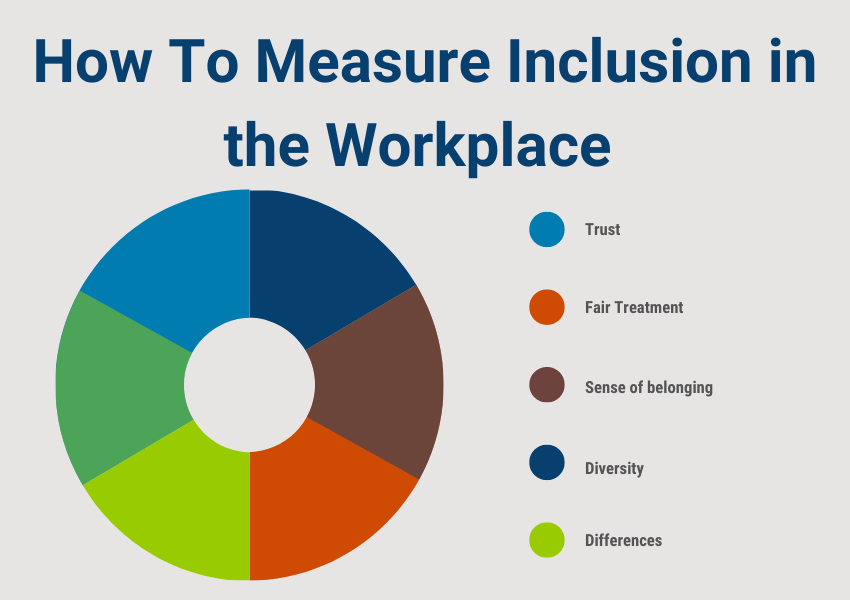
Measuring and Iterating for Continuous Improvement
To ensure that inclusion efforts are effective, organizations must regularly measure their progress and be prepared to adapt their strategies. This can involve:
- Employee Surveys: Conducting regular surveys to gauge employee perceptions of inclusion, belonging, and psychological safety.
- Data Analysis: Tracking diversity metrics across all levels of the organization, from hiring and promotion to retention and leadership representation. Analyzing pay equity data.
- Focus Groups and Listening Sessions: Engaging in qualitative feedback mechanisms to understand the lived experiences of employees from different backgrounds.
- Benchmarking: Comparing inclusion metrics against industry best practices and setting ambitious targets for improvement.
By embracing inclusion as a strategic imperative, organizations can cultivate workplaces where every individual is empowered to contribute their best, leading to greater innovation, stronger performance, and a more equitable and fulfilling work environment for all.
aViewFromTheCave is a participant in the Amazon Services LLC Associates Program, an affiliate advertising program designed to provide a means for sites to earn advertising fees by advertising and linking to Amazon.com. Amazon, the Amazon logo, AmazonSupply, and the AmazonSupply logo are trademarks of Amazon.com, Inc. or its affiliates. As an Amazon Associate we earn affiliate commissions from qualifying purchases.