
The Pillars of Lipid Panel Comprehension: Understanding the Core Components
A lipid panel, also known as a lipid profile or cholesterol test, is a crucial blood test that measures specific fats, called lipids, in your blood. These lipids play vital roles in your body, but elevated levels of certain types can significantly increase your risk of cardiovascular disease, including heart attacks and strokes. Understanding what is included in a lipid panel is the first step towards proactive health management and informed discussions with your healthcare provider. This comprehensive examination goes beyond a simple “good” or “bad” cholesterol assessment, providing a detailed picture of your lipid metabolism and its implications for your long-term health.

Total Cholesterol: The Overall Picture
Total cholesterol is the sum of all the cholesterol in your blood, including low-density lipoprotein (LDL) cholesterol, high-density lipoprotein (HDL) cholesterol, and other lipid components. It provides a broad overview of your body’s cholesterol levels. While a high total cholesterol number can be concerning, it’s essential to look at the individual components to understand the nuances of your lipid health.
Understanding the Significance of Total Cholesterol Levels
The significance of your total cholesterol level is directly tied to your overall cardiovascular risk profile. A higher total cholesterol number, particularly when combined with unfavorable levels of LDL and HDL, suggests a greater likelihood of plaque buildup in your arteries. This buildup, known as atherosclerosis, narrows the arteries, restricting blood flow and increasing the risk of blood clots. Healthcare professionals use total cholesterol as a foundational metric in risk stratification, often alongside other blood pressure, smoking status, and diabetes.
Low-Density Lipoprotein (LDL) Cholesterol: The “Bad” Cholesterol
LDL cholesterol is often referred to as the “bad” cholesterol because high levels of it can lead to plaque buildup in your arteries. This plaque can harden and narrow the arteries, reducing blood flow to your heart and brain. The primary goal of many lipid-lowering therapies is to reduce LDL cholesterol levels.
The Mechanisms of LDL Cholesterol’s Detrimental Effects
LDL particles are responsible for transporting cholesterol from the liver to the cells throughout the body. However, when there are too many LDL particles circulating in the bloodstream, or when the LDL particles themselves are small and dense, they are more prone to entering the artery wall. Once in the artery wall, they can become oxidized, triggering an inflammatory response. This inflammatory process attracts other cells, leading to the formation of foam cells and the gradual development of atherosclerotic plaques. Over time, these plaques can grow, rupture, and lead to the formation of blood clots, which can cause heart attacks or strokes. The size and density of LDL particles, which are not directly measured in a standard lipid panel but are often inferred from other markers, can also influence their atherogenicity.
High-Density Lipoprotein (HDL) Cholesterol: The “Good” Cholesterol
HDL cholesterol is commonly known as the “good” cholesterol because it helps remove excess cholesterol from your bloodstream and transports it back to the liver for processing and removal from the body. Higher levels of HDL cholesterol are generally associated with a lower risk of heart disease.
The Protective Functions of HDL Cholesterol
HDL particles act as scavengers, collecting cholesterol from peripheral tissues, including the walls of arteries, and transporting it back to the liver. This process, known as reverse cholesterol transport, is a critical mechanism for preventing or slowing down the development of atherosclerosis. HDL particles can also possess anti-inflammatory, antioxidant, and anti-thrombotic properties, further contributing to their cardioprotective effects. Think of HDL as the cleanup crew, diligently working to keep your arteries clear and healthy.
Triglycerides: Another Type of Fat in the Blood
Triglycerides are another type of fat found in your blood. Your body converts any calories it doesn’t need to use right away into triglycerides, which are stored in your fat cells. When your body needs energy between meals, it releases these triglycerides. High levels of triglycerides are also linked to an increased risk of heart disease, especially when combined with low HDL cholesterol or high LDL cholesterol.
Factors Influencing Triglyceride Levels and Health Implications
Triglyceride levels are influenced by a variety of factors, including diet, physical activity, body weight, and genetics. Consuming excessive amounts of calories, particularly from carbohydrates and saturated fats, can lead to elevated triglyceride levels. Obesity, lack of exercise, and excessive alcohol consumption are also significant contributors. Furthermore, medical conditions such as diabetes, hypothyroidism, and kidney disease can impact triglyceride levels. Chronically high triglycerides can contribute to atherosclerosis by promoting inflammation and the formation of abnormal LDL particles. They are also a hallmark of metabolic syndrome, a cluster of conditions that increase the risk of heart disease, stroke, and type 2 diabetes.
Beyond the Basics: Deeper Dives into Lipid Panel Interpretation
While the core components of a lipid panel provide essential information, a complete understanding often involves considering these metrics in conjunction with other laboratory values and clinical factors. This allows for a more nuanced interpretation and a personalized approach to cardiovascular risk assessment and management.
Non-High-Density Lipoprotein Cholesterol (Non-HDL-C): A More Comprehensive Metric
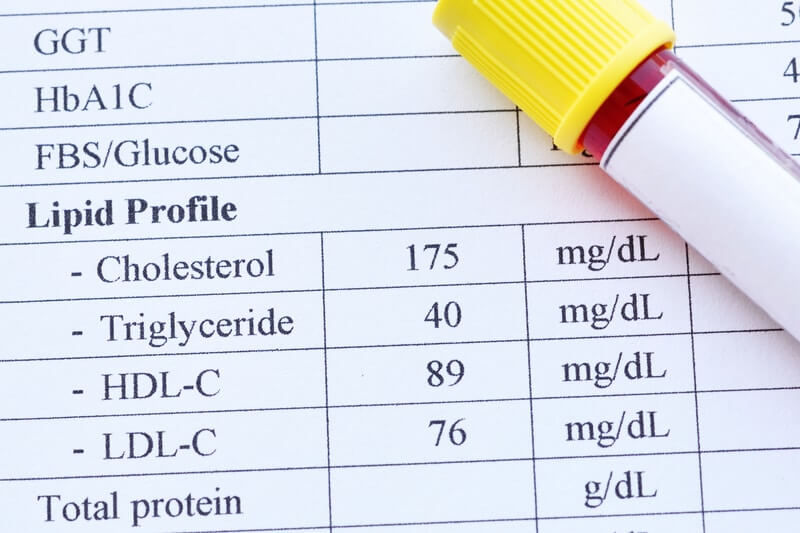
Non-HDL cholesterol is calculated by subtracting HDL cholesterol from total cholesterol. This metric provides a more accurate picture of the atherogenic (plaque-forming) lipoproteins in your blood because it includes LDL cholesterol, very-low-density lipoprotein (VLDL) cholesterol, and other potentially harmful lipoprotein remnants. Essentially, it captures all the “bad” fats.
The Rationale Behind Non-HDL-C Calculation and Its Clinical Utility
The rationale for calculating Non-HDL-C stems from the understanding that LDL is not the only culprit in driving atherosclerosis. VLDL particles, which are primarily composed of triglycerides, also contribute to arterial plaque formation. In individuals with high triglyceride levels, a significant portion of their cholesterol may be carried by VLDL and other remnant lipoproteins, which are not fully accounted for when only LDL-C is considered. By subtracting HDL-C from total cholesterol, Non-HDL-C offers a broader assessment of the lipoproteins that are likely to deposit cholesterol in the arteries, making it a particularly valuable metric for individuals with elevated triglycerides. Many guidelines now recommend targeting Non-HDL-C alongside or even in preference to LDL-C in certain populations, especially those with metabolic syndrome or diabetes, as it more comprehensively reflects their overall atherogenic lipoprotein burden.
The Role of Very-Low-Density Lipoprotein (VLDL) Cholesterol
VLDL cholesterol is a type of lipoprotein that carries triglycerides from the liver to the body’s tissues. High levels of VLDL are associated with an increased risk of heart disease, and it contributes to the overall atherogenic burden in the blood. In a standard lipid panel, VLDL cholesterol is not directly measured but is typically estimated based on triglyceride levels.
Estimating and Interpreting VLDL Cholesterol Values
The estimation of VLDL cholesterol is usually calculated using a formula: VLDL-C = Triglycerides / 5 (this formula is an approximation and assumes normal triglyceride metabolism; it can be less accurate with very high triglyceride levels). While not as directly actionable as LDL or HDL measurements, understanding VLDL’s contribution is crucial. Elevated VLDL signifies that the liver is producing a large amount of triglyceride-rich lipoproteins. This can be indicative of dietary habits, insulin resistance, or other metabolic disturbances. When VLDL levels are high, it often means that other atherogenic lipoproteins are also present in significant amounts, increasing the overall cardiovascular risk. The relationship between triglycerides and VLDL is a key indicator of metabolic health, and significant elevations in triglycerides often correlate with higher VLDL levels.
Contextualizing Your Lipid Panel Results: Beyond the Numbers
Interpreting your lipid panel results is not a solitary endeavor. It requires understanding the numerical values within the broader context of your individual health, lifestyle, and medical history. This holistic approach ensures that the information gleaned from the test translates into meaningful health decisions.
Age, Sex, and Genetic Predisposition
Your age and sex play a role in typical lipid levels. For instance, cholesterol levels tend to rise with age. Similarly, hormonal changes, particularly after menopause in women, can influence lipid profiles. Genetic predisposition is also a significant factor; some individuals inherit a tendency for higher cholesterol levels, even with a healthy lifestyle.
Understanding How These Factors Influence Lipid Profiles
As individuals age, the metabolic processes that regulate cholesterol can become less efficient. For women, the decline in estrogen levels after menopause is associated with an increase in LDL cholesterol and a decrease in HDL cholesterol, thus increasing cardiovascular risk. Genetic factors can manifest in various ways, from variations in genes that regulate cholesterol production and metabolism to inherited conditions like familial hypercholesterolemia, a genetic disorder that causes very high LDL cholesterol levels from birth. These genetic influences can significantly impact how your body processes lipids, sometimes overriding the effects of diet and exercise. Therefore, a familial history of heart disease or high cholesterol warrants closer attention to your lipid panel results and may necessitate more aggressive management strategies.
Lifestyle Factors: Diet, Exercise, and Smoking
Your daily habits have a profound impact on your lipid panel. A diet high in saturated and trans fats, coupled with a sedentary lifestyle, can lead to unfavorable lipid levels. Conversely, a balanced diet rich in fruits, vegetables, and whole grains, along with regular physical activity, can help improve your lipid profile. Smoking, on the other hand, can lower HDL cholesterol and damage blood vessel walls, exacerbating the risks associated with abnormal lipid levels.
The Interplay Between Lifestyle Choices and Lipid Health
The relationship between lifestyle and lipid health is a dynamic one. Dietary choices directly influence the amount of cholesterol and triglycerides circulating in your blood. For example, consuming foods rich in soluble fiber, like oats and beans, can help lower LDL cholesterol. Trans fats, found in many processed foods, are particularly detrimental, raising LDL and lowering HDL. Regular aerobic exercise has been shown to raise HDL cholesterol and can also help lower triglycerides. Weight management is also critical, as excess body fat, particularly abdominal fat, is linked to unfavorable lipid profiles and insulin resistance. Smoking’s negative effects are multifaceted; it not only lowers “good” cholesterol but also promotes inflammation and oxidative stress within the arteries, making them more susceptible to plaque buildup. Quitting smoking is one of the most impactful lifestyle changes an individual can make for cardiovascular health.
Medical Conditions and Medications
Certain medical conditions, such as diabetes, hypothyroidism, and kidney disease, can directly affect lipid levels. For instance, diabetes often leads to higher triglycerides and lower HDL cholesterol. Additionally, some medications, including certain diuretics, beta-blockers, and corticosteroids, can have an adverse effect on lipid profiles. It is crucial for your healthcare provider to be aware of all your medical conditions and medications when interpreting your lipid panel.
The Impact of Chronic Diseases and Pharmaceutical Interventions on Lipids
The presence of chronic diseases like diabetes mellitus profoundly impacts lipid metabolism. Insulin resistance, a hallmark of type 2 diabetes, disrupts the normal processing of fats, often leading to an increase in triglycerides and a decrease in HDL cholesterol, a pattern known as the “diabetic dyslipidemia.” This combination significantly elevates cardiovascular risk. Similarly, hypothyroidism can slow down metabolic processes, including the clearance of LDL cholesterol, leading to elevated levels. Conversely, medications prescribed for these conditions can also influence lipid profiles. For example, statins, a class of drugs widely used to lower LDL cholesterol, have revolutionized cardiovascular disease prevention. However, understanding that other medications might interfere with lipid levels is essential. For instance, some hormone replacement therapies can affect HDL and LDL levels, and certain antiretroviral medications used to treat HIV can also impact lipid profiles. A comprehensive medical history allows your doctor to differentiate between lipid abnormalities driven by disease, medication side effects, or primary genetic tendencies, thereby guiding the most appropriate management strategy.
Conclusion: Empowering Your Health Through Lipid Panel Knowledge
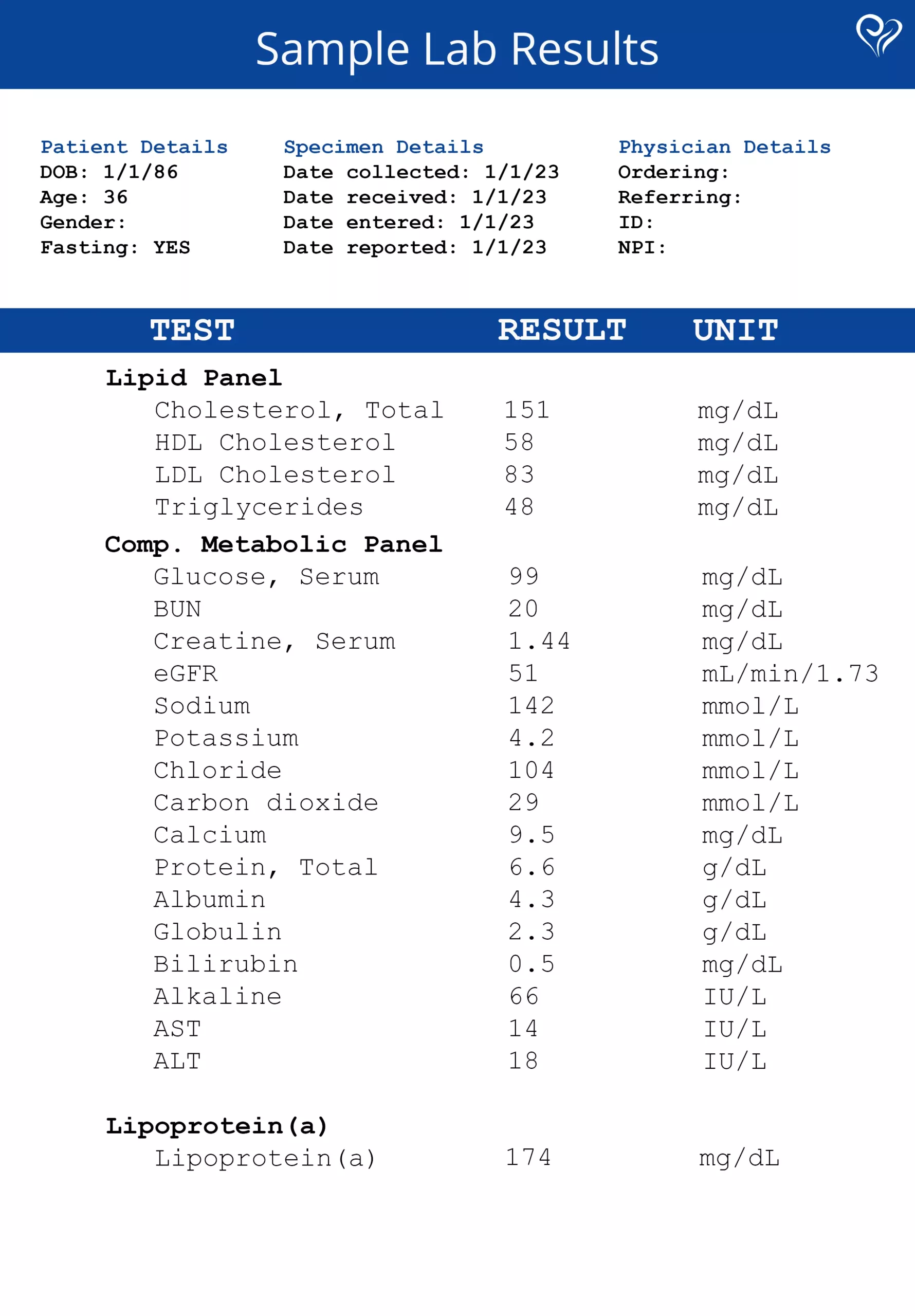
A lipid panel is more than just a routine blood test; it’s a vital diagnostic tool that provides critical insights into your cardiovascular health. By understanding what is included in a lipid panel – total cholesterol, LDL, HDL, and triglycerides – and appreciating the nuances of metrics like non-HDL cholesterol and VLDL, you gain the knowledge to engage proactively with your healthcare provider. This empowers you to make informed decisions about your lifestyle, diet, exercise, and, when necessary, medical interventions, all aimed at safeguarding your heart and promoting a longer, healthier life. Regular monitoring and a thorough understanding of your lipid profile are cornerstones of preventative cardiovascular care.
aViewFromTheCave is a participant in the Amazon Services LLC Associates Program, an affiliate advertising program designed to provide a means for sites to earn advertising fees by advertising and linking to Amazon.com. Amazon, the Amazon logo, AmazonSupply, and the AmazonSupply logo are trademarks of Amazon.com, Inc. or its affiliates. As an Amazon Associate we earn affiliate commissions from qualifying purchases.