
In the realm of modern domestic engineering, the refrigerator is no longer a passive “cold box.” It has evolved into a sophisticated piece of hardware, a node in the Internet of Things (IoT) that relies on complex algorithms, advanced sensors, and precision thermodynamics to maintain a delicate biological balance. While the average consumer may simply ask, “What is the ideal temperature for a fridge?” the answer, from a technological perspective, is a masterclass in software-integrated hardware management.
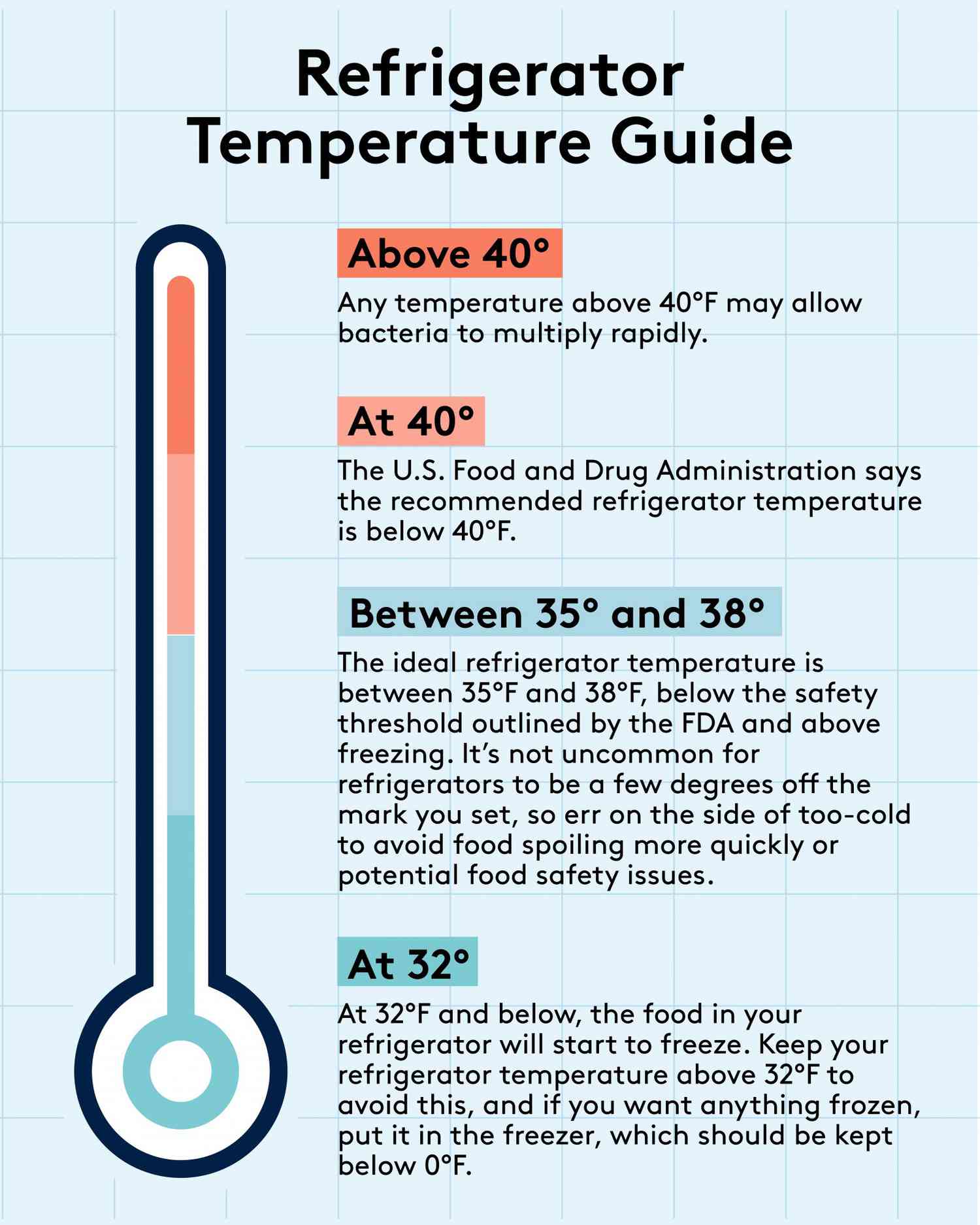
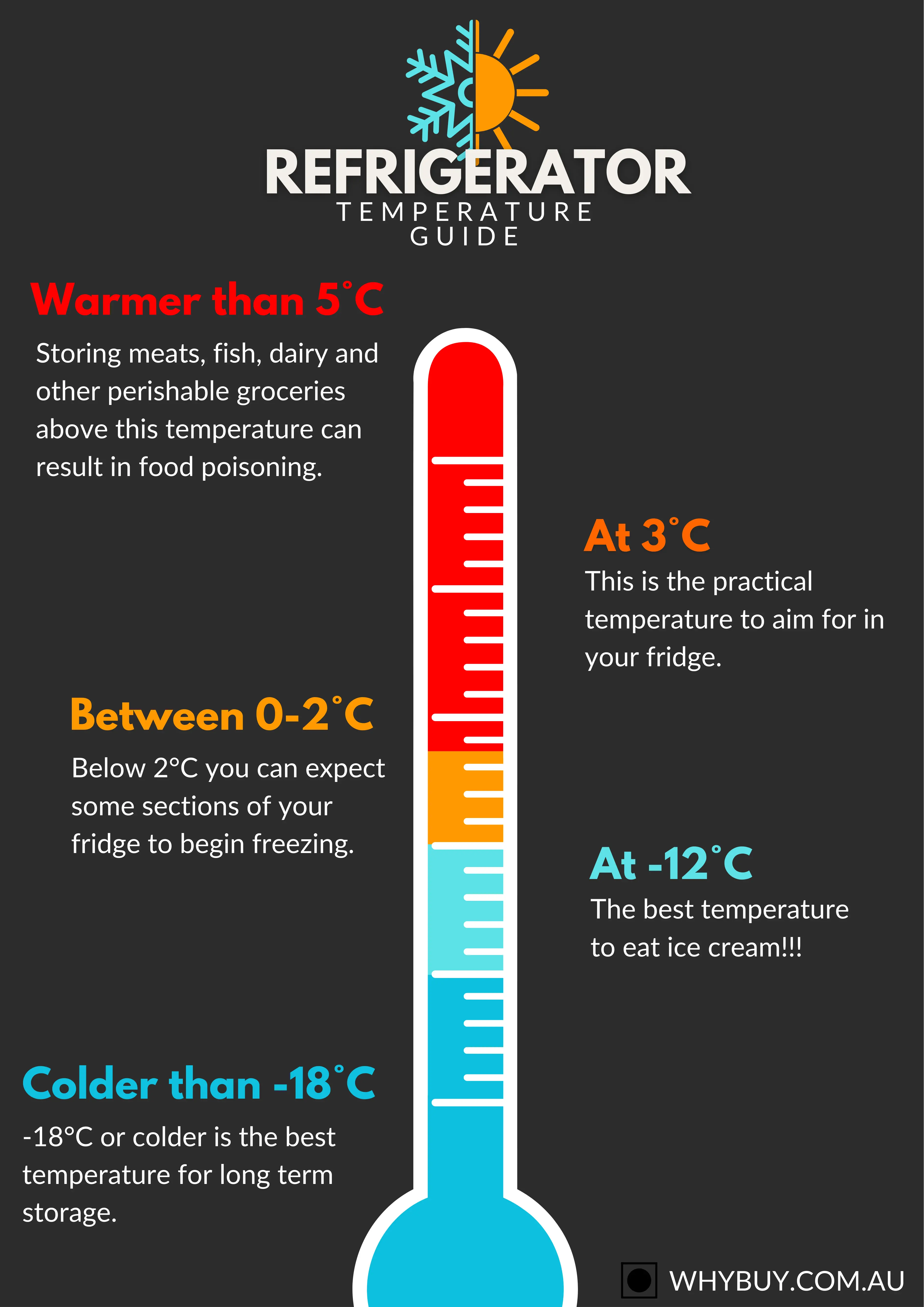
To maintain food safety while maximizing energy efficiency, the industry standard for the “ideal” temperature is widely recognized as 37°F (3°C). However, achieving and sustaining this specific number across varying loads, ambient temperatures, and usage patterns requires a level of technological intervention that was unimaginable just a decade ago.
The Thermodynamics of Precision: Sensors and Inverter Technology
At the heart of any high-tech cooling system lies the struggle against thermal entropy. In legacy appliances, temperature control was binary: a basic thermostat would trigger a compressor to run at full speed until a general “coldness” was reached, then shut off. This resulted in significant temperature swings, often fluctuating between 33°F and 42°F.
The Rise of Digital Inverter Compressors
Modern tech has solved this through Digital Inverter Technology. Unlike standard compressors that are either “on” or “off,” a digital inverter compressor operates like a car’s accelerator. It uses sophisticated software to vary its speed based on the cooling demand. When the fridge’s internal sensors detect a slight rise in temperature—perhaps from a warm container of leftovers—the software adjusts the compressor’s RPM to a precise level. This technical nuance ensures the fridge stays at that 37°F sweet spot with minimal deviation, reducing wear on the hardware and preventing the “micro-freezing” of delicate produce.
Multi-Sensor Arrays and NTC Thermistors
To maintain an ideal temperature, a single thermostat is insufficient. High-end smart fridges now utilize arrays of NTC (Negative Temperature Coefficient) thermistors placed strategically throughout the cabinet. These sensors feed real-time data to a central processing unit (CPU). This allows the appliance to distinguish between the temperature of the air near the door—which fluctuates every time the seal is broken—and the core temperature of the food items. By processing this data, the system can prioritize cooling to specific zones, ensuring that the dairy drawer stays at a constant temperature even if the door-mounted milk bin is exposed to kitchen heat.
IoT Integration: The Software Layer of Food Preservation
The “ideal temperature” is only useful if it is maintained consistently. This is where the intersection of software and hardware becomes critical. Today’s smart refrigerators are integral components of the smart home ecosystem, utilizing Wi-Fi connectivity and dedicated apps to provide a level of oversight previously reserved for industrial cold storage.
Remote Monitoring and Real-Time Telemetry
Through platforms like Samsung’s SmartThings or LG’s ThinQ, users can monitor their refrigerator’s internal environment from their smartphones. This is not merely a gimmick; it is a critical security feature for the domestic cold chain. If a compressor fails or a door is left slightly ajar, the software triggers a push notification. This real-time telemetry allows for proactive intervention before the internal temperature rises above the “danger zone” of 40°F (4°C), where bacterial growth accelerates.
Adaptive Defrost Algorithms
One of the greatest technical hurdles to maintaining a steady 37°F is frost accumulation on the evaporator coils. Traditional “auto-defrost” systems worked on a simple timer, regardless of whether defrosting was needed. Tech-forward appliances now use “Adaptive Defrost” algorithms. By monitoring compressor run time, door opening frequency, and even ambient humidity levels, the software calculates the exact moment a defrost cycle is necessary. This prevents the internal temperature from spiking unnecessarily during a defrost hit, keeping the environment more stable and the food fresher for longer.
Advanced Airflow Engineering: Eliminating Thermal Dead Zones
Even if a fridge’s sensor reads 37°F, that doesn’t mean the entire unit is at that temperature. In older models, “cold spots” near the back could freeze lettuce, while “warm spots” in the door could spoil mayonnaise. Modern appliance tech addresses this through advanced fluid dynamics and airflow engineering.
Multi-Air Flow and Metal Cooling Systems
To achieve a uniform temperature, manufacturers have implemented Multi-Air Flow systems. These consist of a series of vents located on every shelf level, which distribute chilled air evenly. Furthermore, many premium tech models now incorporate “Metal Cooling” plates. These stainless-steel interior panels act as thermal masses; they absorb coldness and help the cabinet recover its ideal temperature much faster after the door has been opened. From a technical standpoint, this utilizes the high thermal conductivity of metal to compensate for the low thermal mass of air.
Humidity-Controlled Micro-Climates
The “ideal temperature” for a steak is not necessarily the ideal environment for a head of kale. Technological innovation has led to the creation of independent cooling evaporators—Dual or Triple Cooling systems. By separating the airflow between the fridge and the freezer, and even between different drawers, the software can maintain high humidity in crisper bins (to prevent dehydration) while keeping the rest of the unit at a dry 37°F. This digital zoning is a hallmark of modern appliance tech, allowing for a customized environment within a single appliance.
The Future of Refrigeration: AI and Sustainability Tech
As we look toward the next generation of kitchen technology, the focus is shifting from simple temperature maintenance to predictive management and sustainable engineering.
AI-Driven Usage Patterns
Artificial Intelligence is beginning to play a role in how fridges manage their cooling cycles. By analyzing “Big Data” collected from thousands of units, or by learning the specific habits of a household, a smart fridge can predict when “high-load” events will occur—such as the frequent door-opening that happens during dinner preparation. The AI can pre-cool the cabinet by a degree or two in anticipation of this heat gain, ensuring the temperature never actually crosses the threshold of the ideal 37°F.
Vacuum Insulation and Eco-Friendly Tech
On the hardware side, the tech industry is moving away from bulky foam insulation toward Vacuum Insulation Panels (VIPs). These panels offer significantly higher R-values (thermal resistance), allowing for thinner walls and more internal storage space without sacrificing temperature stability. Additionally, the transition to R600a (Isobutane) refrigerant represents a technical shift toward more environmentally friendly chemicals that offer better thermodynamic properties than the HFCs of the past.
Digital Security in the Kitchen
As fridges become more like computers, digital security becomes a facet of “ideal” operation. A hacked smart appliance could, in theory, have its temperature settings altered remotely. Consequently, the latest firmware updates for smart fridges now include robust encryption and secure boot protocols. Maintaining the ideal temperature is now as much a matter of cybersecurity as it is of mechanical engineering.

Conclusion: The New Standard of Cold
The question of the “ideal temperature for a fridge” is no longer just a matter of turning a manual dial to a number between 1 and 5. In the current technological landscape, it is a complex orchestration of digital inverter hardware, multi-sensor telemetry, IoT connectivity, and AI-driven predictive modeling.
By maintaining a precise 37°F, modern tech does more than just keep milk cold; it optimizes energy consumption, reduces food waste through precision preservation, and integrates seamlessly into the broader digital life of the modern consumer. As sensors become more sensitive and algorithms more “intelligent,” the refrigerator will continue its journey from a humble appliance to the high-tech guardian of a household’s health and sustainability. The future of cold is not just about power—it is about the precision of the data that drives it.
aViewFromTheCave is a participant in the Amazon Services LLC Associates Program, an affiliate advertising program designed to provide a means for sites to earn advertising fees by advertising and linking to Amazon.com. Amazon, the Amazon logo, AmazonSupply, and the AmazonSupply logo are trademarks of Amazon.com, Inc. or its affiliates. As an Amazon Associate we earn affiliate commissions from qualifying purchases.