
Understanding the financial health of a business is paramount for investors, managers, and even employees. Among the key performance indicators (KPIs) that offer crucial insights, Gross Profit Margin (GP Margin) stands out as a fundamental metric. It’s a powerful tool that reveals how efficiently a company is managing its production or service delivery costs relative to its revenue. In the realm of business finance, grasping the nuances of GP Margin is not just beneficial; it’s essential for strategic decision-making, competitive analysis, and ultimately, sustainable profitability.
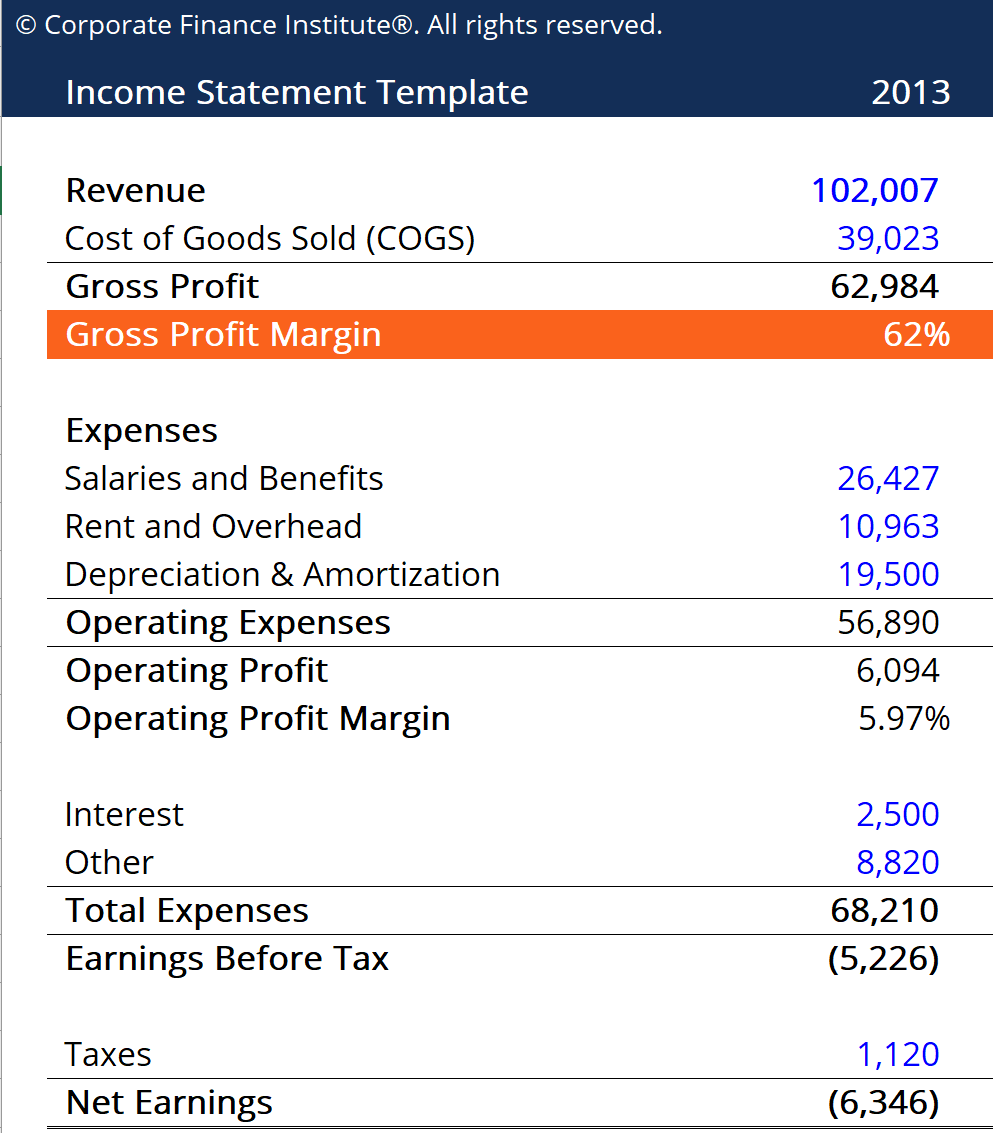
This article delves into the core of what GP Margin signifies, exploring its calculation, interpretation, and its profound implications across various business contexts. We will unpack its importance, examine factors that influence it, and discuss strategies for improvement, all within the dedicated niche of business finance.
The Fundamentals of Gross Profit Margin: Calculation and Meaning
At its heart, GP Margin is a profitability ratio that measures the percentage of revenue that remains after accounting for the direct costs associated with producing and selling a company’s goods or services. These direct costs are often referred to as the Cost of Goods Sold (COGS) or Cost of Services Rendered.
Unpacking the Formula: Revenue Minus COGS
The calculation of GP Margin is straightforward, yet its implications are far-reaching. The fundamental formula is:
Gross Profit Margin = (Revenue – Cost of Goods Sold) / Revenue * 100
Let’s break down the components:
-
Revenue: This represents the total income generated from a company’s primary business operations. For a retail store, it’s the total sales from merchandise. For a software company, it’s the subscription fees or license sales. For a service provider, it’s the fees charged for their expertise and time. Revenue is typically reported on the top line of an income statement.
-
Cost of Goods Sold (COGS): This encompasses all the direct expenses incurred in creating or acquiring the products or services sold. For a manufacturing company, COGS includes raw materials, direct labor involved in production, and manufacturing overhead directly attributable to production (like factory utilities and depreciation of manufacturing equipment). For a retailer, COGS is primarily the purchase price of the inventory they sell. For a service business, COGS can include direct labor costs for providing the service, and any direct materials or software licenses necessary for service delivery. It’s crucial to distinguish COGS from operating expenses, which are indirect costs like marketing, administrative salaries, and rent for office spaces.
-
Gross Profit: This is the difference between Revenue and COGS. It represents the profit a company makes before considering its operating expenses, interest, and taxes. Gross Profit is the first layer of profit on the income statement.
The GP Margin is then expressed as a percentage, providing a standardized way to compare profitability across different periods or even against competitors within the same industry. A higher GP Margin indicates that a company is more efficient at converting its sales into gross profit, leaving more funds available to cover other expenses and generate net profit.
Interpreting the GP Margin: A Snapshot of Operational Efficiency
The interpretation of GP Margin is highly context-dependent and industry-specific. However, some general principles apply:
-
Higher is Generally Better: A higher GP Margin suggests that the company is effectively controlling its production or service delivery costs. This could be due to superior sourcing of raw materials, efficient manufacturing processes, strong pricing power, or a high-value product/service offering that commands premium pricing.
-
Low GP Margin: A low GP Margin might signal issues with pricing, high production costs, or intense competition that forces prices down. It could also indicate inefficiencies in the supply chain or operational processes.
-
Trend Analysis: Observing the trend of GP Margin over time is as important as the absolute figure. An increasing GP Margin suggests improving operational efficiency or a successful pricing strategy. A declining GP Margin warrants a thorough investigation into its root causes.
-
Industry Benchmarking: To truly understand what a GP Margin means, it must be compared to industry averages. A 20% GP Margin might be excellent for a grocery store but alarmingly low for a software company. Analyzing industry benchmarks provides a vital context for assessing a company’s performance relative to its peers.
The Significance of GP Margin in Business Finance
The GP Margin is not merely an accounting figure; it’s a vital metric that underpins several critical aspects of business finance and strategy. Its influence extends from operational effectiveness to investment attractiveness and long-term sustainability.
Driving Profitability and Covering Operating Expenses
The most direct impact of GP Margin is its role in funding a company’s operations and ultimately generating net profit. The gross profit generated is the pool of money available to cover all other business expenses, including:
- Operating Expenses (OpEx): This includes sales and marketing, research and development (R&D), general and administrative (G&A) expenses, rent, utilities, and salaries for non-production staff.
- Interest Expenses: Costs associated with debt financing.
- Taxes: Corporate income taxes.
If a company’s GP Margin is too low, it may struggle to cover these essential operating expenses, leading to losses even if its revenue is high. A robust GP Margin provides a healthy buffer, allowing the company to absorb fluctuations in operating costs and still achieve profitability. For example, a company with a 60% GP Margin has significantly more room to maneuver when dealing with increased marketing spend or R&D investments compared to a company with a 20% GP Margin, assuming similar revenue levels.
Assessing Operational Efficiency and Cost Management
GP Margin is a potent indicator of a company’s ability to manage its direct costs effectively. A consistent or improving GP Margin points to efficient sourcing, streamlined production, optimized labor utilization, and disciplined inventory management. Conversely, a declining GP Margin might signal:
- Rising Raw Material Costs: Inflation, supply chain disruptions, or increased demand for raw materials can push up COGS.
- Inefficient Production Processes: Outdated machinery, poor workflow design, or excessive waste can inflate direct labor and manufacturing overhead.
- Suboptimal Procurement: Lack of negotiation power with suppliers or poor purchasing strategies can lead to higher input costs.
- Inventory Management Issues: Holding too much inventory can lead to obsolescence and spoilage, increasing COGS.
By analyzing the components of COGS, businesses can pinpoint specific areas where efficiencies can be gained, leading to a healthier GP Margin and improved profitability.
Informing Pricing Strategies and Competitive Positioning
The GP Margin plays a crucial role in shaping a company’s pricing strategy. Companies with higher GP Margins often have more flexibility in their pricing. They can:
- Offer Competitive Pricing: They can afford to match or even undercut competitor prices while still maintaining healthy profitability.
- Engage in Promotional Activities: They can more easily absorb the costs of discounts, sales, and marketing campaigns.
- Invest in Product Development: A strong GP Margin provides the resources to invest in innovation, research, and development, leading to potentially higher-value products and services that can command premium prices in the future.
Conversely, companies with lower GP Margins are often more constrained. They may need to price their products or services at a premium simply to cover their costs and achieve a basic level of profitability. This can make them vulnerable to competitors who can offer similar products at lower prices. Understanding GP Margin is therefore essential for strategic pricing decisions that balance market competitiveness with financial sustainability.
Attracting Investors and Securing Financing
For investors and lenders, GP Margin is a key metric that signals the underlying operational health and potential profitability of a business.

- Investor Confidence: A consistently high or improving GP Margin instills confidence in investors, suggesting that the company has a strong business model and effective cost controls. This can make the company a more attractive investment prospect.
- Lending Decisions: Lenders often scrutinize GP Margin as part of their risk assessment. A healthy GP Margin indicates a company’s ability to generate sufficient profits to service its debt obligations.
A strong GP Margin can translate into a higher valuation for the company, making it easier to raise capital for expansion, acquisitions, or research and development.
Factors Influencing Gross Profit Margin
Numerous internal and external factors can significantly impact a company’s GP Margin. Understanding these drivers is crucial for proactive management and strategic adjustments.
Internal Factors: Operational and Strategic Levers
These are the elements that a company has a direct degree of control over.
Cost of Goods Sold (COGS) Management
- Procurement and Supplier Relationships: Negotiating favorable terms with suppliers, diversifying supplier bases to mitigate risks, and leveraging bulk purchasing power can significantly reduce the cost of raw materials and components. Strong supplier relationships can also lead to better quality inputs, reducing waste and rework.
- Production Efficiency and Automation: Investing in modern, efficient manufacturing equipment, optimizing production workflows, reducing waste and scrap rates, and implementing automation where appropriate can dramatically lower direct labor costs and manufacturing overhead. Lean manufacturing principles and Six Sigma methodologies are often employed to enhance production efficiency.
- Inventory Management: Efficient inventory management practices, such as Just-In-Time (JIT) inventory systems or robust demand forecasting, can minimize holding costs, reduce the risk of obsolescence, and prevent capital from being tied up in idle stock. This directly impacts COGS by reducing warehousing costs and the need for write-offs.
- Product Design and Engineering: Designing products with cost-effectiveness in mind from the outset, using standardized components, and minimizing complexity can lower manufacturing costs without necessarily compromising quality or functionality.
Pricing Strategies and Value Proposition
- Product/Service Differentiation: Companies that offer unique, innovative, or highly valued products and services often have greater pricing power, allowing them to command higher prices and thus achieve higher GP Margins.
- Market Positioning: A premium brand image or a focus on a niche market segment can justify higher prices. Conversely, competing solely on price in a commoditized market typically leads to lower GP Margins.
- Dynamic Pricing: For some businesses, particularly in the digital space, dynamic pricing strategies can adjust prices based on demand, time of day, or customer segment, potentially optimizing revenue and GP Margin.
- Bundling and Upselling: Offering product bundles or successful upselling of higher-margin items can increase the average revenue per customer and, consequently, the overall GP Margin.
Product Mix and Sales Volume
- Profitability of Individual Products/Services: A company might sell a variety of products or services, each with its own GP Margin. A shift in sales towards higher-margin items will naturally boost the overall GP Margin, while a shift towards lower-margin items will depress it. Strategic decisions about product portfolio management are therefore critical.
- Economies of Scale: As sales volume increases, some fixed costs associated with production (like factory rent) are spread over a larger number of units, potentially lowering the per-unit COGS and increasing the GP Margin. However, this is primarily a benefit once operational efficiencies are in place.
External Factors: Market and Environmental Influences
These are elements largely outside of a company’s direct control, requiring adaptability and foresight.
- Economic Conditions: During economic downturns, consumer spending may decrease, forcing businesses to lower prices to maintain sales volume, which can compress GP Margins. Conversely, during periods of economic growth, demand typically rises, potentially allowing for higher prices and improved margins.
- Competition: The intensity of competition in an industry is a significant determinant of pricing power. Highly competitive markets often lead to price wars and lower GP Margins as companies vie for market share.
- Supplier Power and Commodity Prices: Fluctuations in the global prices of raw materials (e.g., oil, metals, agricultural products) directly impact COGS for many industries. The bargaining power of suppliers also plays a role; if a few dominant suppliers control essential inputs, they can dictate higher prices, squeezing GP Margins for their customers.
- Regulatory and Tax Environment: Changes in tariffs, import/export duties, or specific industry regulations can affect the cost of goods and the overall cost structure, thereby influencing GP Margin.
- Technological Advancements: New technologies can either lower COGS (e.g., automation) or disrupt existing business models, forcing price adjustments.
Strategies for Improving and Maintaining a Healthy GP Margin
A healthy GP Margin is not a static achievement but rather an ongoing focus for businesses. Implementing strategic initiatives can help improve and sustain this vital financial metric.
Optimizing Cost of Goods Sold (COGS)
This is often the most direct path to improving GP Margin.
Supply Chain Optimization
- Strategic Sourcing: Regularly review and renegotiate contracts with suppliers. Explore alternative suppliers, especially those offering better pricing or terms. Consider long-term contracts for stable inputs to hedge against price volatility.
- Vertical Integration (Selective): In some cases, taking control of certain stages of the supply chain (e.g., manufacturing key components) can reduce reliance on external suppliers and potentially lower costs, though this requires significant capital investment and operational expertise.
- Logistics and Distribution Efficiency: Streamlining shipping and transportation routes, optimizing warehouse operations, and reducing transit times can cut down on logistical costs that are often part of COGS.
Enhancing Production and Operational Efficiencies
- Process Improvement: Continuously analyze production processes to identify bottlenecks, waste, and inefficiencies. Implement lean manufacturing, Six Sigma, or other continuous improvement methodologies.
- Technology Adoption: Invest in modern equipment, automation, and software solutions that can increase output, reduce labor costs, and improve quality, thereby lowering per-unit production costs.
- Waste Reduction: Implement programs to minimize material waste, energy consumption, and defective products during the production process. This not only lowers COGS but also contributes to sustainability efforts.
Strategic Pricing and Product Management
While cost control is crucial, revenue management is equally important.
Value-Based Pricing
- Understand Customer Value: Instead of solely focusing on cost-plus pricing, understand the perceived value of your products or services to your customers. Price based on the benefits and solutions you provide, which can support higher price points.
- Segmentation: Tailor pricing to different customer segments based on their willingness to pay, usage patterns, or the value they derive.
Product Portfolio Analysis
- Identify High-Margin Products: Analyze the GP Margin of each product or service offered. Focus sales and marketing efforts on promoting and selling higher-margin items.
- Rationalize Low-Margin Products: Consider discontinuing or re-evaluating products or services that consistently yield very low GP Margins, especially if they do not serve a strategic purpose (e.g., drawing customers for other higher-margin sales).
- Innovation and Upgrades: Invest in R&D to develop new products or enhance existing ones. Premium features or new versions can often command higher prices and improved margins.
Monitoring and Benchmarking
Continuous oversight is key to sustained success.
Regular Financial Reporting and Analysis
- Track GP Margin Trends: Implement robust financial reporting systems to track GP Margin on a monthly, quarterly, and annual basis. Analyze any deviations from targets.
- Deep Dive into COGS Components: Regularly break down COGS into its constituent parts (raw materials, direct labor, manufacturing overhead) to identify specific areas for cost reduction.

Industry Benchmarking
- Compare Performance: Benchmark your GP Margin against industry averages and key competitors. This provides an objective assessment of your performance and highlights areas where you may be lagging or excelling.
- Learn from Best Practices: Analyze how high-performing companies in your industry achieve their GP Margins and identify potential strategies you can adapt.
By diligently focusing on these strategic areas, businesses can not only improve their Gross Profit Margin but also build a more resilient and profitable financial foundation for long-term success. GP Margin is a cornerstone of financial health, and its strategic management is an indispensable aspect of effective business finance.
aViewFromTheCave is a participant in the Amazon Services LLC Associates Program, an affiliate advertising program designed to provide a means for sites to earn advertising fees by advertising and linking to Amazon.com. Amazon, the Amazon logo, AmazonSupply, and the AmazonSupply logo are trademarks of Amazon.com, Inc. or its affiliates. As an Amazon Associate we earn affiliate commissions from qualifying purchases.