
Frybread. The very word evokes a visceral connection for many – a taste of tradition, a symbol of resilience, and a culinary cornerstone of Indigenous American culture. While seemingly simple, a fried dough, the narrative surrounding frybread is far richer and more complex than its ingredients suggest. It’s a story of cultural adaptation, community, and the enduring power of food as a brand. Understanding “what is frybread” through a brand lens reveals not just a recipe, but a powerful cultural identity that has evolved, adapted, and continues to resonate deeply.
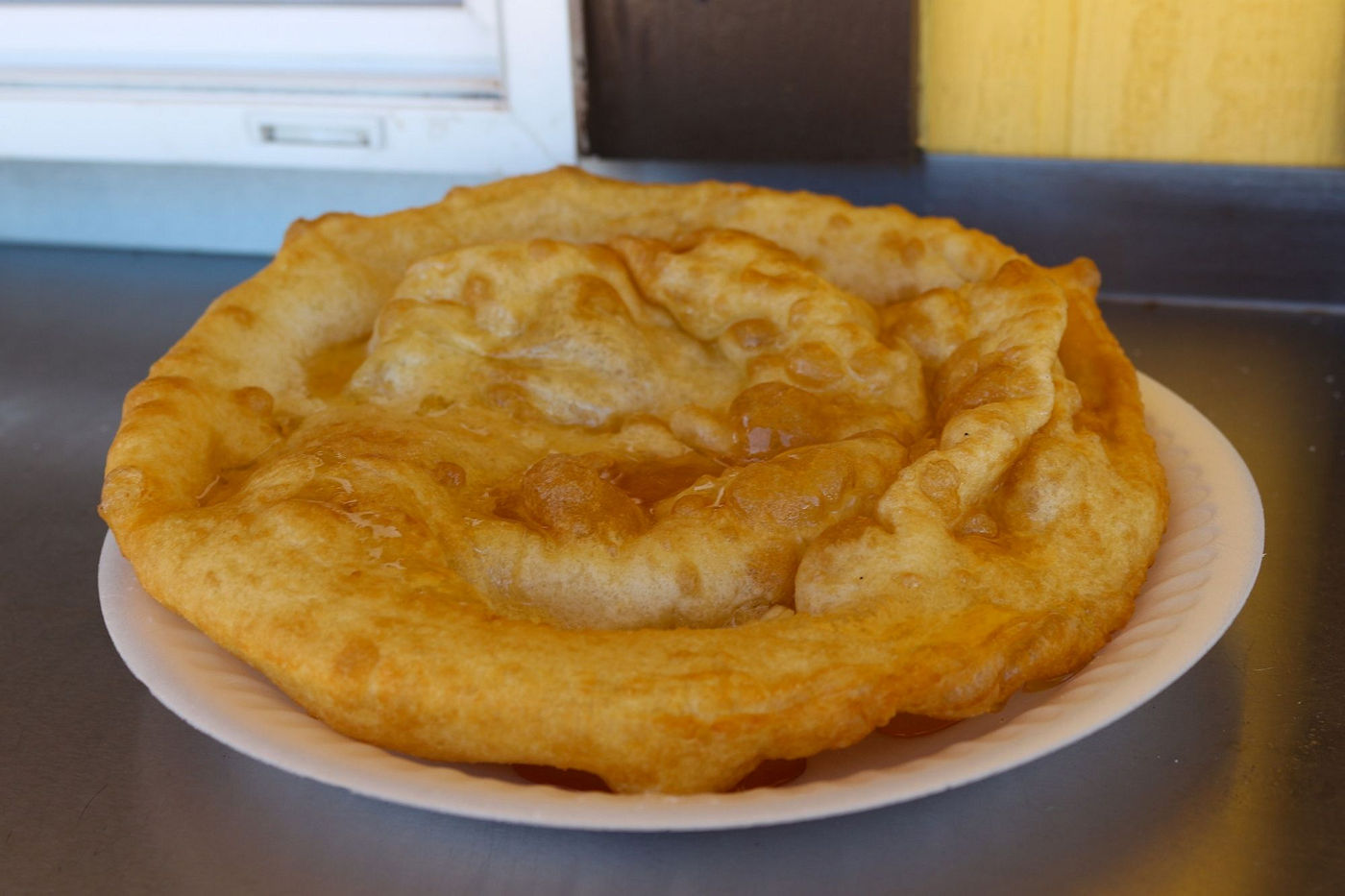
The “brand” of frybread is not a single entity consciously constructed by a marketing department. Instead, it is a collective, organic, and deeply ingrained cultural narrative that has been shaped over generations. Its brand identity is characterized by its historical roots, its versatility in expression, and its potent emotional associations. To truly grasp the brand of frybread, we must delve into its origins, explore its diverse manifestations, and understand the profound cultural capital it commands. This exploration will illuminate how a simple food item can transcend its physical form to become a powerful and enduring brand.
The Genesis of a Culinary Icon: From Hardship to Heritage
The origins of frybread are inextricably linked to a period of immense hardship for Indigenous peoples of North America. Understanding this genesis is crucial to appreciating the profound brand equity it holds today. The forced displacement and relocation onto reservations, a devastating consequence of colonial policies, brought with them scarcity and the introduction of new, often processed, food staples.
The Introduction of New Ingredients and Necessity
In the mid-19th century, as Indigenous communities were confined to reservations, their traditional food sources were disrupted. The U.S. government provided rations, which often included flour, sugar, lard, and salt. These ingredients, unfamiliar to many traditional diets, became the foundation for a new culinary creation born out of necessity. Indigenous women, renowned for their resourcefulness and adaptability, ingeniously combined these new staples with water and a leavening agent (or simply relied on the steam from hot fat) to create a dough. This dough was then fried in the readily available lard, resulting in the birth of frybread.
This was not a deliberate act of brand creation but rather an act of survival and adaptation. The initial “brand promise,” if one could call it that, was sustenance. It was a way to make meager rations palatable and to provide nourishment for families in challenging circumstances. The act of cooking and sharing frybread became a ritual, a way to maintain cultural continuity and a sense of community amidst profound upheaval.
The Symbolism of Resilience and Survival
Over time, frybread transcended its initial utilitarian purpose to become a potent symbol. The very act of transforming scarce, often undesirable, government-issued ingredients into a comforting and delicious food represented resilience. It embodied the ability of Indigenous peoples to adapt and thrive in the face of immense adversity. The golden-brown crust, the fluffy interior, and the simple yet satisfying taste became associated with survival, perseverance, and the enduring spirit of Indigenous cultures. This inherent symbolism is a core component of frybread’s powerful brand identity. It speaks to a narrative of overcoming, a testament to the strength and ingenuity of its creators.
This historical context imbues frybread with a unique cultural capital. It’s not just a food; it’s a tangible link to a past that is both challenging and deeply proud. This foundational narrative is what gives frybread its emotional resonance and establishes its initial brand positioning as a symbol of resilience.
The Multifaceted Brand Expressions of Frybread
While the core elements of frybread remain consistent – flour, water, fat for frying – its manifestations are incredibly diverse, reflecting the rich tapestry of Indigenous cultures across North America. This inherent versatility is a key strength of its brand, allowing it to be both universally recognized and locally nuanced.
Regional Variations and Tribal Signatures
Frybread is not a monolithic entity. Different tribes and regions have developed their own distinct styles and preparations. These variations are akin to different product lines within a brand, each catering to specific preferences and cultural traditions. For instance, some frybread is thick and fluffy, almost biscuit-like, while others are thin and crispy. Some are served plain, while others are topped with unique regional ingredients.
- Navajo Frybread (Diné Bahaneʼ Beeʼ Naʼastsʼǫǫdii): Often considered the archetype, Navajo frybread is typically thick, chewy, and slightly sweet, a perfect canvas for a variety of toppings.
- Oglala Lakota Frybread: Known for its lighter, airier texture, often enjoyed with honey or jam.
- Cree Frybread: Can vary, with some preparations leaning towards a crispier finish.
These regional variations are not mere culinary differences; they are expressions of tribal identity. They represent the unique ways in which communities have adapted the fundamental concept of frybread to their specific environments, available ingredients, and cultural tastes. This allows the “frybread brand” to maintain a sense of unity while celebrating diversity.
Sweet and Savory: A Versatile Brand Proposition
The brand proposition of frybread is remarkably adaptable, seamlessly transitioning between sweet and savory applications. This duality significantly broadens its appeal and reinforces its utility.
As a Sweet Indulgence: Dessert and Treat
The inherent slight sweetness from the flour and the frying process makes frybread a natural base for sweet toppings. This is where the “dessert” aspect of the brand truly shines.
- Toppings: Common sweet toppings include powdered sugar, honey, cinnamon, fruit preserves, whipped cream, and even ice cream. These additions transform frybread into a delightful treat, a reward, and a celebratory food.
- Frybread Tacos (Sweet Version): In some contexts, sweet frybread can be used as a base for dessert tacos, filled with fruits, chocolate, or other sweet confections, showcasing its playful and innovative potential.

As a Savory Staple: Mealtime and Main Dish
Conversely, frybread’s neutral flavor profile and satisfying texture make it an excellent vehicle for savory dishes. This is where its grounding and comforting qualities are most evident.
- Frybread Tacos (Savory Version): This is arguably the most iconic savory application. Frybread is topped with seasoned ground meat (beef or bison), lettuce, tomatoes, cheese, salsa, and sour cream, creating a hearty and flavorful meal. This fusion dish has become a modern staple, demonstrating the brand’s ability to evolve and incorporate new culinary influences.
- As a Bread Substitute: Frybread can be served alongside traditional stews, chilis, or beans, acting as a filling and flavorful accompaniment. Its slightly chewy texture holds up well to saucy dishes.
This duality in its application – from a comforting breakfast to a hearty meal or a delightful dessert – is a testament to frybread’s enduring brand strength. It’s a chameleon of the culinary world, capable of fulfilling multiple roles and satisfying diverse cravings, all under the umbrella of its established identity.
The Emotional Resonance and Community Building of the Frybread Brand
Beyond its ingredients and applications, the true power of the frybread brand lies in its profound emotional resonance and its role as a catalyst for community building. It is a brand that evokes nostalgia, connection, and belonging.
Nostalgia and Memory: A Taste of Home
For many, the taste and smell of frybread are deeply intertwined with cherished memories. It’s the scent of a grandmother’s kitchen, the taste of family gatherings, and the feeling of comfort and security. This strong connection to personal history creates an emotional bond that transcends simple taste preference.
- Intergenerational Connections: The preparation and sharing of frybread often involve multiple generations, passing down culinary knowledge and cultural stories. This act of shared experience strengthens familial bonds and ensures the continuation of cultural traditions.
- Childhood Memories: The simple pleasure of a warm piece of frybread, perhaps with a drizzle of honey, is a formative childhood memory for many. These early associations contribute to a lifelong positive brand perception.
The brand of frybread is therefore deeply personal for millions of people. It represents more than just sustenance; it represents a connection to one’s roots, a reminder of loved ones, and a tangible link to a shared past.
Community Gatherings and Cultural Celebrations
Frybread is a staple at community events, powwows, and cultural festivals across Indigenous communities. Its presence signifies celebration, unity, and shared heritage.
- Powwow Staple: At powwows, frybread vendors are ubiquitous, offering a taste of tradition to attendees. The smell of frying dough is an integral part of the powwow atmosphere, a sensory cue that signals a gathering of community.
- Fundraisers and Potlucks: Frybread is a popular item for fundraisers and community potlucks, a reliable crowd-pleaser that brings people together. Its affordability and widespread appeal make it an ideal food for communal events.
- Cultural Identity Preservation: In the context of a globalized world, frybread serves as a vital tool for preserving and celebrating Indigenous cultural identity. Its continued popularity and presence in contemporary Indigenous life are a powerful statement of cultural resilience and pride.
The act of sharing frybread at these events fosters a sense of togetherness and collective identity. It reinforces the idea that this food is not just for individual consumption but is a communal offering, a symbol of shared experience and belonging. This aspect is arguably the most potent part of its brand equity – its ability to unite and strengthen communities.
The Evolving Brand and its Future Trajectory
While deeply rooted in tradition, the brand of frybread is not static. It continues to evolve, adapt, and find new expressions in the contemporary world. This dynamic nature ensures its continued relevance and enduring appeal.
Modern Interpretations and Culinary Innovation
Contemporary chefs and home cooks are exploring new ways to prepare and present frybread, pushing its boundaries while respecting its heritage.
- Gourmet Applications: Some chefs are incorporating frybread into more refined dishes, using high-quality ingredients and innovative flavor combinations. This elevates frybread beyond its humble origins and introduces it to new audiences.
- Fusion Cuisine: The continued popularity of frybread tacos demonstrates the ongoing trend of fusion cuisine, where traditional elements are integrated with global influences. This adaptability is a hallmark of a strong brand.
- Healthier Alternatives: As dietary awareness grows, there are ongoing explorations into healthier versions of frybread, using alternative flours or cooking methods, though the traditional preparation remains the most revered.
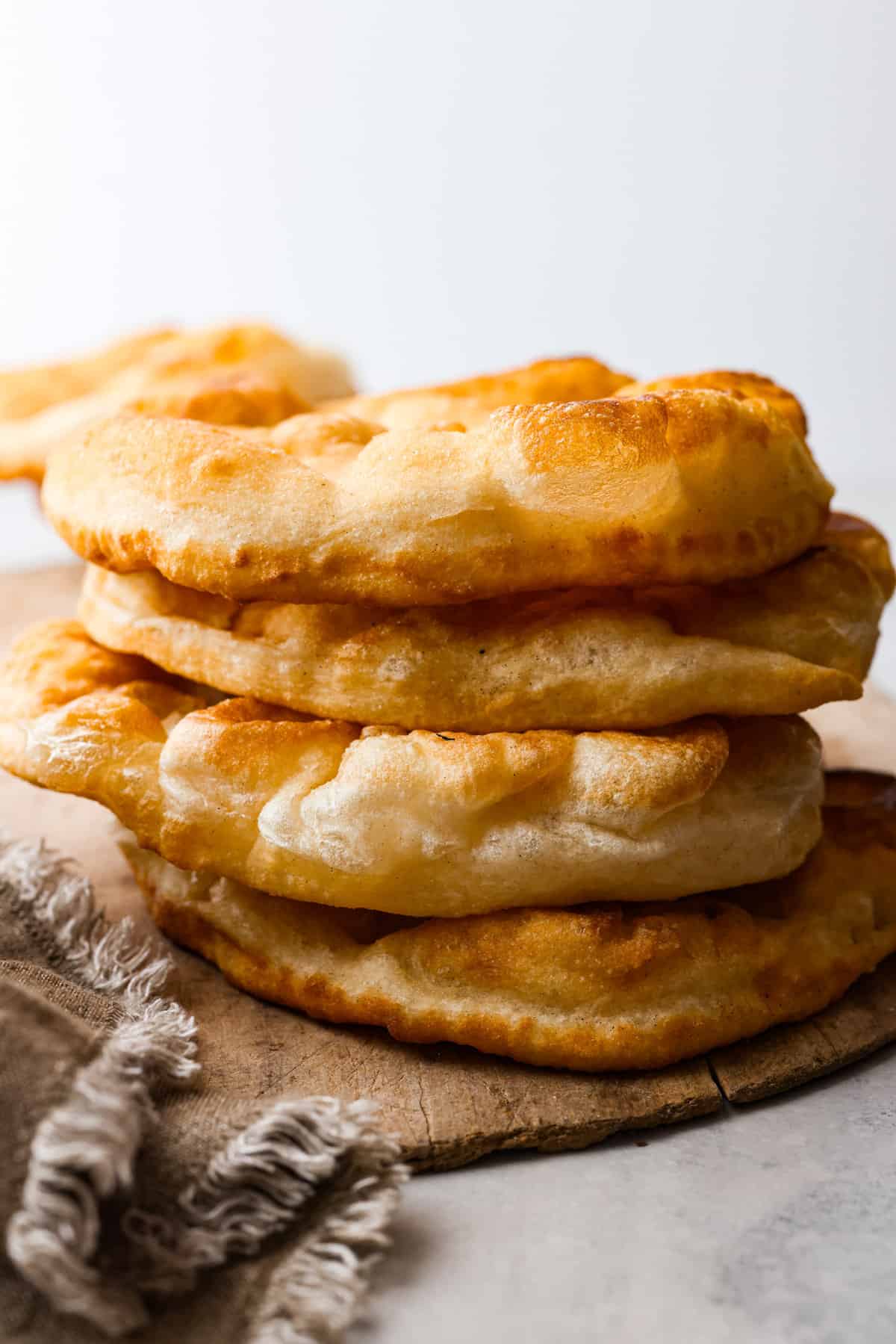
The Brand’s Global Reach and Cultural Diplomacy
While deeply rooted in Indigenous American cultures, the story and taste of frybread are increasingly reaching a global audience.
- Cultural Exchange Programs: Frybread is often shared during cultural exchange programs and international food festivals, serving as a delicious ambassador for Indigenous culinary traditions.
- Educational Initiatives: Many educational initiatives and culinary schools now feature frybread, teaching its history, cultural significance, and preparation techniques. This helps to ensure that the brand’s narrative is passed on to future generations.
- Social Media Influence: The visual appeal of frybread, especially in its taco form, has made it a popular subject on social media platforms, further broadening its reach and accessibility.
The future of the frybread brand appears bright. Its ability to connect with people on an emotional level, its inherent versatility, and its deep cultural significance provide a strong foundation for continued relevance. As long as there are stories to tell, communities to gather, and a desire for comforting, delicious food, frybread will undoubtedly continue to hold its esteemed place as a cherished culinary icon and a powerful, enduring brand. Its journey from a symbol of survival to a celebrated cultural icon is a testament to the enduring power of food to shape identity, foster community, and tell profound stories.
aViewFromTheCave is a participant in the Amazon Services LLC Associates Program, an affiliate advertising program designed to provide a means for sites to earn advertising fees by advertising and linking to Amazon.com. Amazon, the Amazon logo, AmazonSupply, and the AmazonSupply logo are trademarks of Amazon.com, Inc. or its affiliates. As an Amazon Associate we earn affiliate commissions from qualifying purchases.