
PayPal’s “Friends and Family” feature is a cornerstone of its peer-to-peer payment system, designed to facilitate seamless, fee-free transactions between individuals. This functionality, often contrasted with PayPal’s “Goods and Services” option, is specifically intended for sending money to people you know personally, such as family members and friends. Understanding the nuances of this feature is crucial for navigating PayPal effectively, ensuring you utilize it correctly to avoid unexpected charges and to maintain compliance with PayPal’s terms of service. While seemingly straightforward, the Friends and Family option carries specific implications for both the sender and the receiver, particularly concerning buyer protection and tax reporting.
This article will delve into the core aspects of PayPal’s Friends and Family service, exploring its purpose, how it operates, the advantages it offers, and the critical considerations users must be aware of. We will examine the underlying mechanics that allow for fee-free transfers, differentiate it from commercial transactions, and discuss the scenarios where it is most appropriately used. Furthermore, we will touch upon the implications for personal finance management and the importance of clarity in communication when using this feature.
The Core Functionality of PayPal Friends and Family
At its heart, the Friends and Family feature is about simplifying personal money transfers. It’s designed to replicate the ease of handing cash to a friend or transferring funds within a family, but in a digital realm. This means sending money for shared expenses like dinner bills, contributing to a group gift, or sending allowances. The primary benefit for users is the absence of transaction fees for most domestic transfers, making it an attractive option for everyday financial interactions between acquaintances.
How Fees Work (and Don’t Work)
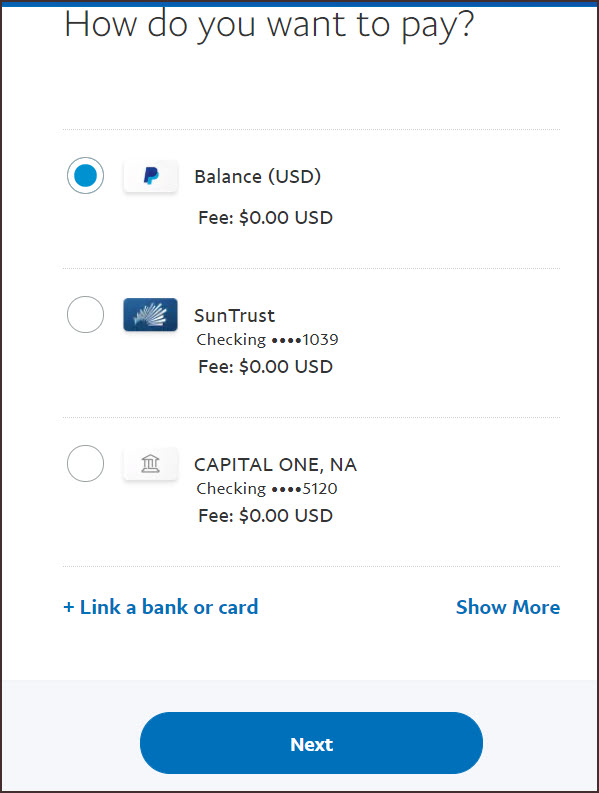
The fee structure for PayPal Friends and Family is a key differentiator. For standard domestic transactions funded by a linked bank account or PayPal balance, there are typically no fees charged to either the sender or the receiver. This is a significant advantage over using the “Goods and Services” option, which incurs a percentage-based fee for the seller. However, it’s essential to note that if the sender uses a credit card or debit card to fund a Friends and Family payment, PayPal will usually charge a fee. This fee covers the costs associated with processing credit card transactions, which are higher for PayPal. International transfers, even within the Friends and Family category, may also incur fees depending on the currency conversion and the countries involved. These fees are clearly displayed before the transaction is confirmed, so users have the opportunity to review them.
Differentiating Friends and Family from Goods and Services
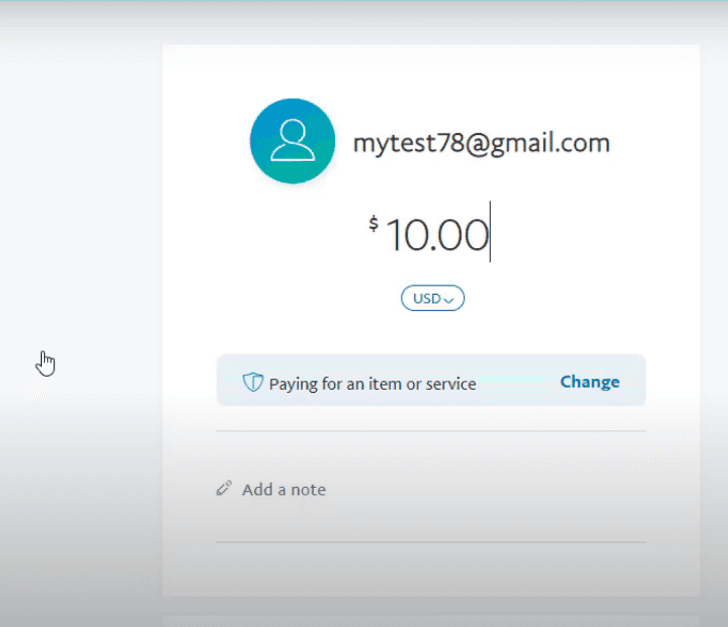
The distinction between PayPal’s Friends and Family and Goods and Services options is paramount. The Friends and Family option is strictly for personal payments to individuals you know and trust. It does not offer any buyer protection, meaning if a dispute arises or a purchase is unsatisfactory, PayPal will not intervene to resolve it. This lack of protection is what allows PayPal to offer the service without charging fees.
Conversely, the Goods and Services option is designed for commercial transactions, where a buyer is purchasing an item or service from a seller. This option includes PayPal’s robust buyer and seller protection policies, which safeguard both parties in case of fraud, non-delivery, or misrepresentation. Because of the added security and dispute resolution services, PayPal charges a fee to the seller for each Goods and Services transaction. Misusing the Friends and Family option for commercial purposes can lead to PayPal freezing accounts or reversing transactions, as it violates their terms of service. It’s crucial to select the correct payment type to avoid such complications.
Practical Applications and Scenarios for Friends and Family Payments
The versatility of the PayPal Friends and Family feature makes it suitable for a wide array of personal financial interactions. Its primary appeal lies in its speed and simplicity for common financial exchanges between individuals. Understanding these applications helps users leverage the tool effectively and ethically.
Everyday Peer-to-Peer Transfers
The most common use case for PayPal Friends and Family is for everyday peer-to-peer transfers. This includes:
- Splitting Bills: When dining out with friends or sharing household expenses like rent or utilities, Friends and Family allows for easy division and repayment of individual shares.
- Gifts and Contributions: Collecting money for a group birthday gift, a wedding present, or contributing to a friend’s fundraiser can be streamlined through this feature.
- Allowances and Pocket Money: Parents can use it to send money to their children, and individuals can send small amounts to family members for minor expenses.
- Reimbursements: If you lend money to a friend or cover an expense on their behalf, they can easily send it back to you via Friends and Family.
The speed at which these transfers occur, often instantly, makes it ideal for these immediate needs.
Personal Loans and Small Advances
While not a formal lending platform, the Friends and Family feature can be used for small, informal personal loans between trusted individuals. If a friend needs a small amount of cash quickly to tide them over until payday, a quick PayPal transfer can bridge the gap. However, it’s vital to remember that these are informal arrangements, and there’s no official mechanism for repayment reminders or enforcement. Relying on this for significant loans can be risky, and it’s always best to have a clear verbal agreement about repayment terms.
International Transfers to Loved Ones
For individuals with family or friends living abroad, PayPal Friends and Family can be a convenient way to send money, especially for smaller amounts. While international transfers might involve currency conversion fees, they can still be more straightforward than traditional wire transfers for certain scenarios. It’s important to be aware of the exchange rates and any potential international transaction fees that PayPal may apply. Always compare these costs with other international money transfer services to ensure you’re getting the best value.
Potential Pitfalls and Important Considerations
Despite its user-friendliness, the PayPal Friends and Family feature comes with inherent risks and limitations that users must be aware of to avoid misunderstandings or financial losses. These primarily stem from the lack of buyer protection and the potential for misuse.
The Absence of Buyer Protection
This is the most critical point to reiterate. When you send money using the Friends and Family option, you forfeit PayPal’s buyer protection. This means if you send money for an item that never arrives, or if the item you receive is not as described, PayPal will not intervene to help you get your money back. This is because PayPal assumes that you are sending money to someone you know and trust, and therefore, a level of inherent trust is expected. If you are purchasing an item from an unknown seller, or if you are concerned about the legitimacy of the transaction, you should always opt for the “Goods and Services” option, even if it means paying a small fee.
Risks of Misusing the Feature for Commercial Transactions
Using the Friends and Family option for business transactions is a direct violation of PayPal’s User Agreement. If PayPal suspects that you are using this feature to sell goods or services, they have the right to:
- Hold or reverse transactions: PayPal can freeze funds from these transactions.
- Charge fees retroactively: They may apply the standard “Goods and Services” fees to all past transactions that were misclassified.
- Limit or close your account: Repeated violations can lead to severe restrictions or the permanent closure of your PayPal account.
It’s essential for both buyers and sellers to be honest about the nature of their transactions to avoid these penalties. If you are selling something, clearly indicate it as a “Good or Service” to your buyer.
Tax Implications of Receiving Money
While sending money to friends and family is generally not a taxable event for the sender, the recipient might need to consider tax implications, especially if the payments are frequent or substantial. If you are receiving money as gifts, there are often annual exclusion limits set by tax authorities. However, if the funds received represent payment for services rendered or income from a side hustle, they are likely taxable. It’s crucial for individuals to maintain records of their PayPal transactions and consult with a tax professional to ensure they are complying with all relevant tax laws. PayPal itself does not issue tax forms for personal transfers, but users are responsible for reporting any income that is taxable.
Maximizing the Benefits and Ensuring Secure Usage
To fully leverage the advantages of PayPal’s Friends and Family feature while mitigating potential risks, a proactive and informed approach is necessary. This involves understanding the platform’s functionalities, adhering to best practices, and staying vigilant about security.
Verifying Recipient Details
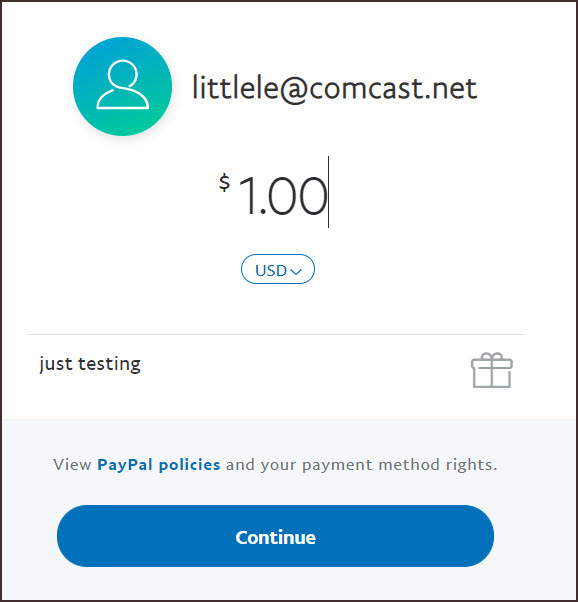
Before completing any Friends and Family transaction, it is critical to double-check the recipient’s PayPal email address or phone number. A simple typo can result in money being sent to the wrong person, and due to the lack of buyer protection, recovering these funds can be challenging. If the money has already been claimed by another user, PayPal may not be able to reverse the transaction. Always confirm the correct details with the intended recipient before hitting “Send.”
Using a Secure Internet Connection
Whenever conducting any financial transaction online, including through PayPal, it is paramount to use a secure and trusted internet connection. Avoid using public Wi-Fi networks, as these can be vulnerable to interception by malicious actors. Whenever possible, connect through your home Wi-Fi or a secure cellular data connection. This helps protect your account information and personal data from unauthorized access.
Enabling Two-Factor Authentication (2FA)
Two-factor authentication adds an extra layer of security to your PayPal account. When enabled, in addition to your password, you will be required to provide a second form of verification, usually a code sent to your phone, to log in or authorize certain transactions. This significantly reduces the risk of unauthorized access to your account, even if your password is compromised. Regularly reviewing your account activity for any suspicious transactions is also a vital security practice.
Keeping Records and Communication Clear
For any significant or recurring transfers, maintaining clear records of transactions is advisable. This can include screenshots of transaction confirmations or a personal log. Furthermore, clear and open communication with the person you are sending money to is essential. If the payment is for a shared expense or a repayment, ensure both parties are clear on the amount and purpose. While PayPal Friends and Family is designed for informal transfers, a little bit of organization can prevent misunderstandings and ensure smooth financial interactions within your personal network.
In conclusion, PayPal’s Friends and Family feature offers a convenient and often fee-free method for personal money transfers. By understanding its intended use, differentiating it from commercial transactions, and adhering to security best practices, users can effectively utilize this tool for everyday financial exchanges while avoiding potential pitfalls.
aViewFromTheCave is a participant in the Amazon Services LLC Associates Program, an affiliate advertising program designed to provide a means for sites to earn advertising fees by advertising and linking to Amazon.com. Amazon, the Amazon logo, AmazonSupply, and the AmazonSupply logo are trademarks of Amazon.com, Inc. or its affiliates. As an Amazon Associate we earn affiliate commissions from qualifying purchases.