
In an era where digital footprints are as indelible as physical ones, the concept of forensic evidence has dramatically expanded beyond traditional fingerprints and DNA. The interrogation of crimes, disputes, and even internal investigations now heavily relies on the meticulous examination of digital artifacts. This transformation is largely driven by advancements in technology, the proliferation of digital devices, and the development of sophisticated tools and techniques to extract, preserve, and analyze digital information. Forensic evidence, in its modern context, is the bedrock upon which digital investigations are built, providing objective, verifiable data to reconstruct events, identify perpetrators, and establish facts.
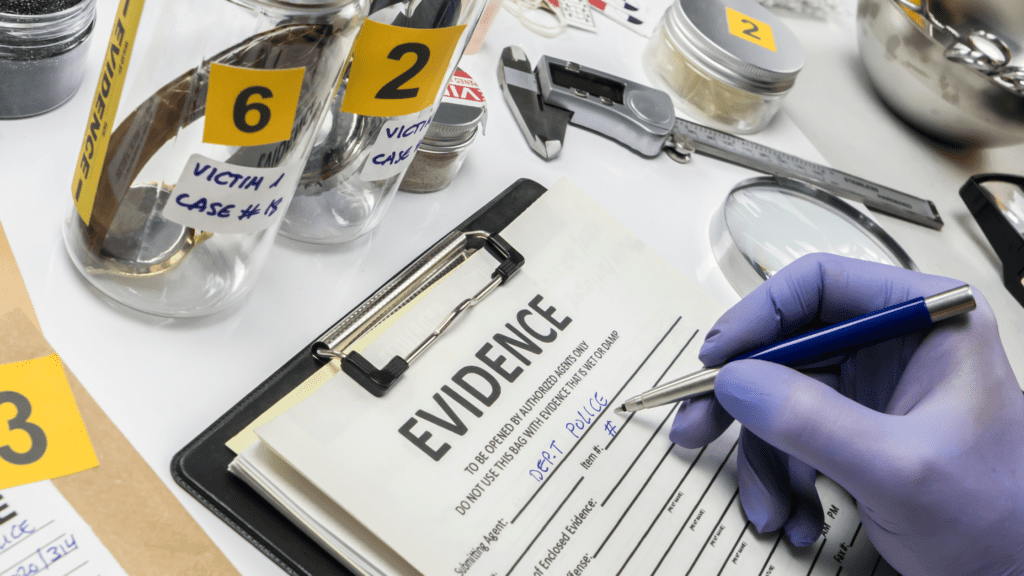
The Evolving Landscape of Forensic Evidence
The definition of forensic evidence has broadened significantly with the advent of the digital age. What was once confined to the physical realm has now expanded to encompass the vast and complex world of data. This evolution necessitates a deep understanding of technological principles and specialized tools.
From Physical Traces to Digital Artifacts
Historically, forensic evidence referred to tangible items found at a crime scene—hair fibers, tool marks, footprints, biological samples. These were analyzed using scientific methods to link suspects to a crime or establish chains of custody. The digital revolution introduced a new paradigm. Now, electronic devices—smartphones, computers, servers, cloud storage, IoT devices—act as repositories of critical information. This information, often referred to as digital evidence, is the modern manifestation of forensic evidence. It includes:
- System Logs: Records of system activity, user logins, software executions, and errors on computers and servers. These can reveal unauthorized access, malicious activity, or system tampering.
- Communication Records: Emails, text messages, instant messages, call logs, and social media interactions can provide crucial context, establish communication patterns, and reveal intent or alibis.
- File Metadata: Data embedded within files, such as creation dates, modification dates, author information, and geolocation tags, can help reconstruct timelines and establish the origin of digital content.
- Internet Activity: Browser history, search queries, downloaded files, and IP addresses can trace an individual’s online behavior, interests, and movements.
- Application Data: Data generated by specific applications, from word processing documents and spreadsheets to financial transaction records and GPS navigation data, can offer detailed insights into activities.
- Multimedia Files: Photos, videos, and audio recordings can provide direct evidence of events, individuals, or locations.
The challenges in handling this type of evidence are immense. Unlike a physical object that can be visually inspected, digital evidence is often volatile, easily altered, and requires specialized knowledge to access and interpret. The integrity of this evidence is paramount, making the technical processes involved in its collection and analysis critically important.
The Role of Technology in Digital Forensics
Technology is not merely the source of forensic evidence; it is also the engine that drives its investigation. Digital forensics relies on a sophisticated suite of hardware and software tools, coupled with rigorous methodologies, to ensure that digital evidence is admissible in legal and investigative proceedings.
- Imaging and Acquisition Tools: These tools create bit-for-bit copies of storage media, ensuring that the original data remains unaltered. Forensic disk duplicators and specialized software capture every sector of a hard drive, USB drive, or memory card.
- Analysis Software: Powerful forensic analysis platforms, such as EnCase, FTK (Forensic Toolkit), and Autopsy, are designed to sift through vast amounts of data, recover deleted files, reconstruct file fragments, identify malicious code, and analyze network traffic. These tools employ advanced algorithms and techniques to present complex data in an understandable and actionable format.
- Mobile Forensics Tools: The ubiquity of smartphones has led to the development of specialized tools for extracting data from mobile devices. These tools can bypass passcodes, recover deleted messages, extract application data, and analyze device location history, often requiring intricate knowledge of operating system vulnerabilities and proprietary protocols.
- Network Forensics Tools: For investigations involving network intrusion, data exfiltration, or cyber-espionage, network forensics tools are essential. These tools capture and analyze network traffic, identify anomalies, trace the source of attacks, and reconstruct communication flows. Examples include Wireshark for packet analysis and intrusion detection systems.
- Cloud Forensics Tools: As more data migrates to cloud platforms, the field of cloud forensics has emerged. Specialized tools and techniques are required to securely access, preserve, and analyze data stored in services like Google Drive, Dropbox, Microsoft Azure, and AWS, often involving navigating complex legal and technical access protocols.
The effectiveness of digital forensic investigations hinges on the correct application of these technologies, adherence to established forensic procedures, and the expertise of the forensic practitioners.
The Process of Digital Forensic Evidence Handling
The journey of digital evidence from its source to its presentation in a court of law or an investigative report is a multi-stage process, each stage governed by strict technical protocols to maintain evidence integrity and admissibility.
Identification and Preservation: The Foundation of Trust
The first and arguably most critical step in handling digital evidence is its identification and subsequent preservation. This phase requires a deep understanding of where digital evidence might reside and how to secure it without contamination.
- Locating Potential Evidence Sources: Investigators must identify all relevant digital devices, accounts, and data repositories that may contain evidence. This could include computers, servers, mobile phones, external storage devices, cloud accounts, and network infrastructure. The sheer volume of potential sources in complex investigations can be daunting.
- Chain of Custody: A rigorous chain of custody must be established from the moment evidence is identified. This documentation trail tracks who has handled the evidence, when, where, and for what purpose. Any break in this chain can render the evidence inadmissible. In digital forensics, this extends to tracking the acquisition devices and the digital media used for storage.
- Write Blocking and Imaging: To prevent any alteration of the original data, forensic practitioners employ hardware or software write-blockers. These devices intercept any write commands to the storage media, ensuring that the data remains pristine. A forensic image, a bit-for-bit copy of the original media, is then created. This image becomes the working copy for analysis, leaving the original evidence untouched. The integrity of the imaging process is verified using cryptographic hash functions (e.g., MD5, SHA-1, SHA-256), which generate unique digital fingerprints for both the original and the image. If the hashes match, it confirms the integrity of the copied data.
The meticulous attention to detail in this initial phase sets the stage for a reliable and defensible investigation. Any compromise here can undermine the entire process.

Examination and Analysis: Uncovering the Truth
Once the digital evidence has been safely preserved, the painstaking process of examination and analysis begins. This is where specialized tools and techniques are employed to extract meaningful information from the captured data.
- Data Recovery: Deleted files, fragmented data, and hidden partitions are common in digital investigations. Forensic analysis software is designed to recover this information, piecing together remnants of deleted data that may still exist on storage media. This often involves understanding file system structures and recovery algorithms.
- Timeline Reconstruction: A key objective of digital forensics is to reconstruct a chronological sequence of events. By analyzing timestamps embedded in file metadata, system logs, internet history, and application activity, investigators can build a detailed timeline of user actions, system events, and data access. This can be crucial for corroborating or refuting witness testimonies.
- Malware Analysis: In cases of cybercrime, analyzing malicious software is paramount. Forensic analysts use specialized tools and techniques to examine the behavior of malware, identify its origin, understand its purpose (e.g., data theft, system disruption), and determine its impact. This often involves sandboxing the malware in a controlled environment to observe its actions without risking further compromise.
- Keyword Searching and Pattern Matching: To efficiently sift through large volumes of data, forensic tools employ advanced keyword searching and pattern matching capabilities. This allows investigators to quickly identify relevant documents, communications, or specific types of information based on predefined criteria.
- User Activity Profiling: By analyzing logs, browser history, application usage patterns, and communication records, forensic analysts can build a profile of a user’s digital activities. This can reveal their habits, interests, associations, and movements, providing valuable context for an investigation.
The analysis phase requires not only technical proficiency with forensic tools but also a deep understanding of computer systems, operating systems, file systems, and various applications.
Reporting and Presentation: Communicating Findings
The culmination of a digital forensic investigation is the clear and concise presentation of findings. This phase requires translating complex technical data into understandable and actionable insights for legal proceedings, internal reviews, or other stakeholders.
- Detailed Forensic Reports: Forensic examiners produce comprehensive reports that document their methodology, the tools used, the data analyzed, and the conclusions reached. These reports must be objective, factual, and presented in a manner that is accessible to individuals without a deep technical background.
- Expert Testimony: In legal cases, forensic examiners may be required to provide expert testimony in court. This involves explaining their findings, the scientific principles behind their methods, and their professional opinions in a clear and persuasive manner, subject to cross-examination.
- Visualization and Data Representation: Effectively communicating complex data often involves the use of charts, graphs, timelines, and other visual aids. These can help to illustrate patterns, relationships, and key findings from the digital evidence, making it easier for juries, judges, or management to comprehend.
- Admissibility Standards: Throughout the entire process, the paramount concern is the admissibility of the evidence in a legal or investigative context. This requires strict adherence to established scientific principles, documented procedures, and a verifiable chain of custody, all of which are underpinned by technological best practices.
The ability to effectively communicate the results of a digital forensic investigation is as crucial as the technical analysis itself, ensuring that the truth revealed by the digital evidence can be understood and acted upon.
The Future of Forensic Evidence: Emerging Technologies
The rapid evolution of technology presents both challenges and opportunities for the field of forensic evidence. As new forms of data emerge and new technologies become pervasive, the methods and tools of digital forensics must constantly adapt.
The Rise of the Internet of Things (IoT)
The proliferation of interconnected devices—smart home appliances, wearable technology, industrial sensors, connected vehicles—creates a vast new frontier for digital evidence. Each IoT device generates logs, sensor data, and communication records that can be invaluable in investigations. However, securing and analyzing this disparate data, often stored in proprietary formats and accessed through various cloud platforms, presents significant technical hurdles. Developing standardized protocols for data acquisition and analysis for IoT devices is a critical ongoing effort.
Artificial Intelligence (AI) and Machine Learning (ML) in Forensics
AI and ML are beginning to play a transformative role in digital forensics. These technologies can automate tedious analysis tasks, detect subtle anomalies that human analysts might miss, and enhance the speed and accuracy of investigations. For example, AI can be used to:
- Automate Malware Detection and Classification: ML algorithms can be trained to identify and categorize new and evolving malware strains with greater efficiency.
- Enhance Data Correlation: AI can process massive datasets and identify complex relationships between disparate pieces of evidence, accelerating the reconstruction of events.
- Predictive Analysis: In certain contexts, AI could potentially be used to identify patterns indicative of future malicious activity or policy violations, allowing for proactive intervention.
However, the use of AI in forensics also raises new questions regarding transparency, bias in algorithms, and the interpretability of AI-generated findings, which will require careful consideration and validation.

Blockchain and Decentralized Data
The rise of blockchain technology and decentralized data storage presents unique challenges for forensic investigators. The immutable and distributed nature of blockchain can make it difficult to alter or tamper with records, which is beneficial for evidence integrity. However, tracing ownership, identifying individuals involved in transactions on public blockchains, and accessing data stored in decentralized systems require specialized tools and expertise, pushing the boundaries of traditional forensic methodologies.
The field of forensic evidence, intrinsically linked to technological advancement, is a dynamic and ever-evolving discipline. As technology continues to reshape our world, so too will the methods by which we uncover, preserve, and interpret the digital traces left behind. The commitment to rigorous scientific principles and continuous innovation will remain paramount in ensuring that forensic evidence continues to serve as a reliable cornerstone of truth and justice in the digital age.
aViewFromTheCave is a participant in the Amazon Services LLC Associates Program, an affiliate advertising program designed to provide a means for sites to earn advertising fees by advertising and linking to Amazon.com. Amazon, the Amazon logo, AmazonSupply, and the AmazonSupply logo are trademarks of Amazon.com, Inc. or its affiliates. As an Amazon Associate we earn affiliate commissions from qualifying purchases.