
The persistent unwelcome guest on our foreheads – acne – has long been a subject of concern. While many associate it with biological factors, hormonal shifts, or diet, a significant and often overlooked contributor in the modern era is the very technology we interact with daily. In a world saturated with screens, wireless signals, and the constant hum of digital devices, it’s time to explore the often-unseen ways our tech habits can manifest as blemishes on our skin, specifically on the forehead. This isn’t about simply blaming our smartphones; it’s about understanding the nuanced relationship between our digital lives and our dermal health.
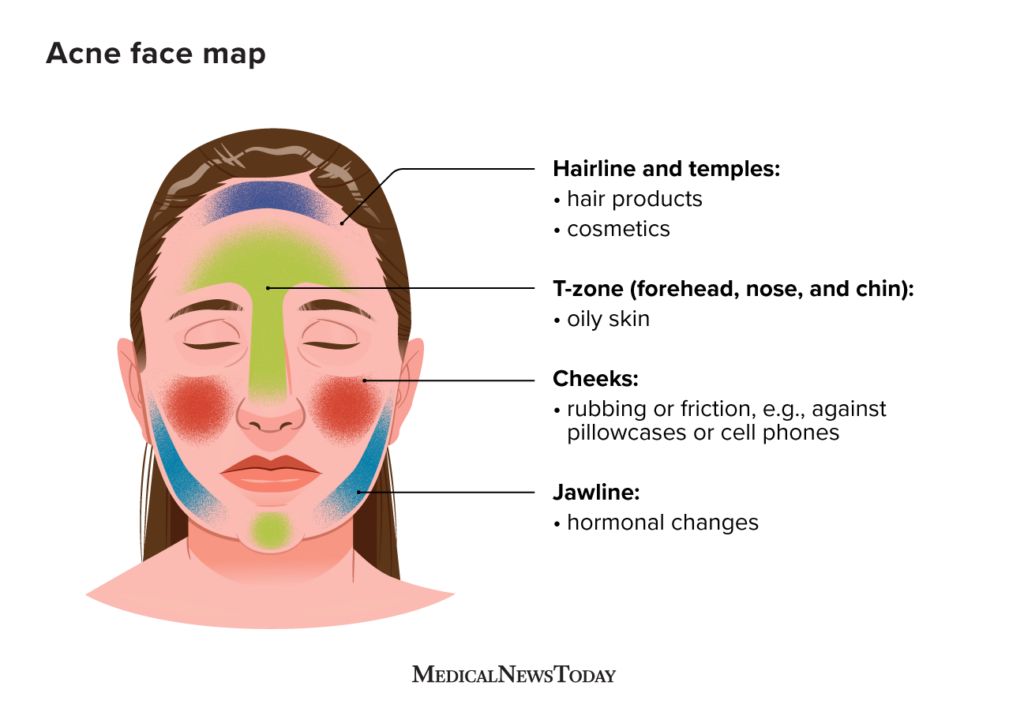
Our foreheads, being a prominent and often exposed area, are particularly susceptible to accumulating the remnants of our tech interactions. From the oils and dirt transferred from our hands and devices to the potential impact of electromagnetic frequencies and the psychological stress of constant connectivity, the digital landscape presents a unique set of challenges for clear skin. This article will delve into the specific technological culprits behind forehead acne, offering insights and practical strategies to mitigate their impact, all within the realm of technological influences on our well-being.
The Germ Warfare of Our Devices: A Digital Dirtbag’s Delight
Our smartphones, tablets, and even our laptops are more than just windows to the digital world; they are also unwitting incubators for bacteria and grime. The constant handling, the placement on various surfaces, and the proximity to our faces make these devices prime vectors for the transfer of microscopic adversaries. Forehead acne, in particular, can be exacerbated by the direct contact our foreheads have with these germ-laden surfaces.
The Ubiquitous Smartphone: A Forehead’s Frenemy
Consider the journey of your smartphone. It’s in your pocket, on your desk, in your bag, and inevitably, it’s pressed against your face during calls or when you’re checking notifications. Studies have repeatedly shown that smartphone screens harbor a significant number of bacteria, including Staphylococcus epidermidis and Propionibacterium acnes, the very bacteria implicated in acne formation. When you hold your phone to your ear, or even when your forehead brushes against it while you’re texting or scrolling, these bacteria can be directly transferred to your skin.
-
The Transfer Mechanism: The oily residue from our skin mixes with the dirt, dust, and bacteria present on the phone’s surface. This mixture creates an environment ripe for pore-clogging. When your forehead comes into contact with this contaminated surface, the oils, dead skin cells, and bacteria can be deposited, leading to inflammation and the development of acne lesions. The consistent, often unconscious, habit of touching your phone and then your face amplifies this risk.
-
Cleaning and Disinfection Protocols: The most straightforward solution lies in hygiene. Regular and thorough cleaning of your devices is paramount. Using disinfectant wipes specifically designed for electronics, or a soft cloth lightly dampened with isopropyl alcohol, can significantly reduce the bacterial load. Make it a habit to clean your phone at least once a day, especially if you tend to touch your face frequently.
Keyboard and Mouse Contamination: Indirect, Yet Potent
While not directly touching the forehead, contaminated keyboards and mice can contribute indirectly to forehead acne. When you touch these devices and then subsequently touch your face, or if you lean your forehead against your hand while working, you can transfer any accumulated bacteria and oil. The constant interaction with these peripherals in work or gaming environments makes them potential reservoirs for acne-causing agents.
-
The Indirect Transfer Chain: Think of it as a chain reaction. Germs on keyboards and mice get onto your hands. Your hands then touch your face. Even if you’re not directly pressing your forehead onto the keyboard, the transfer is still efficient enough to cause breakouts. This is especially relevant for individuals who spend long hours in front of a computer.
-
Workstation Hygiene: Establishing a routine for cleaning your workspace, including your keyboard and mouse, is essential. Compressed air can help remove dust and debris, while antibacterial wipes can sanitize the surfaces. Regular handwashing, especially after using shared computer equipment or after touching surfaces in public spaces, is a non-negotiable step in preventing this indirect contamination.
The Digital Glow: Blue Light and Its Unseen Impact
The prevalence of electronic devices has introduced a new environmental factor into our lives: artificial blue light. While its effects on sleep patterns are widely discussed, emerging research suggests that prolonged exposure to blue light emitted from screens may also have implications for skin health, potentially contributing to inflammation and exacerbating acne.
Blue Light and Skin Inflammation
Blue light, also known as high-energy visible (HEV) light, penetrates deeper into the skin than UV radiation. While some blue light from the sun is beneficial, excessive exposure to artificial blue light from screens is a growing concern. Studies have indicated that blue light can generate reactive oxygen species (ROS) in skin cells, leading to oxidative stress and inflammation. This inflammation can create a more favorable environment for Propionibacterium acnes to thrive, thus potentially worsening existing acne or contributing to new breakouts.
- Oxidative Stress and Acne: Oxidative stress damages skin cells and can disrupt the skin’s natural barrier function, making it more vulnerable to infection and inflammation. The sebaceous glands, which produce oil, can become more active in response to inflammation, leading to increased sebum production and a higher likelihood of clogged pores.

- Protective Measures Against Blue Light: While the direct link between screen-emitted blue light and acne is still an area of active research, taking preventative measures is prudent. Employing screen filters that block blue light on your devices, utilizing “night mode” or blue light reduction settings in your device’s software, and establishing screen-free periods, especially before bed, can help minimize exposure.
The “Tech Neck” Phenomenon and Forehead Strain
The ergonomic challenges presented by our constant interaction with technology can also indirectly influence forehead acne. The “tech neck” phenomenon, characterized by the forward tilting of the head to view screens, can lead to increased strain on the neck and shoulders. This posture, however, also forces the forehead into a more compressed and potentially sweatier position, especially during periods of prolonged use or physical activity while on devices.
-
Increased Sweat and Oil Accumulation: When the forehead is constantly angled downwards, it can trap heat and moisture. This creates a damp environment where sweat and natural skin oils can accumulate. If this trapped moisture isn’t addressed, it can mix with bacteria and dead skin cells, leading to clogged pores and breakouts.
-
Ergonomic Adjustments and Posture Awareness: Being mindful of your posture is crucial. Adjusting your screen height to be at eye level can alleviate the strain of “tech neck.” Taking regular breaks to stretch and realign your posture can also help. For those who frequently use laptops or tablets, consider using an external keyboard and mouse to achieve a more ergonomic setup that minimizes forehead strain and direct contact with potentially soiled devices.
The Psychological Interface: Stress, Sleep, and Screen Time
Beyond the physical contact and light exposure, our digital habits have a profound impact on our psychological well-being, which in turn, can significantly influence our skin. The constant connectivity, the pressure to be always “on,” and the disruption of natural sleep cycles are all intertwined with the technology we use and can manifest as visible skin issues like forehead acne.
The Stress-Acne Connection Amplified by Digital Demands
Stress is a well-documented trigger for acne. When we’re stressed, our bodies release cortisol, a hormone that can increase oil production in the skin. In the digital age, the lines between work and personal life have blurred, leading to increased screen time and a feeling of perpetual connection. This can create a chronic stress response that directly impacts our skin.
-
Cortisol’s Role in Sebum Production: Elevated cortisol levels signal the sebaceous glands to produce more sebum. This excess oil can mix with dead skin cells and bacteria, creating the perfect storm for acne development. The forehead, with its abundance of sebaceous glands, is particularly susceptible to this hormonal influence.
-
Digital De-Stressing Techniques: Implementing conscious strategies to manage digital stress is vital. This includes setting boundaries for work-related emails and notifications, scheduling regular digital detox periods, and engaging in offline activities that promote relaxation and mindfulness. Practicing deep breathing exercises or meditation, even for a few minutes a day, can help regulate cortisol levels.
Sleep Deprivation: The Digital Enemy of Skin Regeneration
The blue light emitted from screens is notorious for disrupting our circadian rhythms and interfering with melatonin production, the hormone that regulates sleep. Inadequate or poor-quality sleep is detrimental to our overall health, and the skin is no exception. During sleep, our bodies undertake crucial repair and regeneration processes, including skin cell turnover. When sleep is compromised, these processes are impaired, making the skin more vulnerable and less able to heal.
-
Impaired Skin Repair Mechanisms: Lack of sleep can lead to increased inflammation throughout the body, including the skin. It can also hinder the skin’s ability to repair damage and effectively shed dead skin cells. This can result in a buildup of debris in the pores, contributing to the formation of acne.
-
Prioritizing Sleep Hygiene: Establishing healthy sleep habits is paramount. This includes creating a consistent sleep schedule, ensuring your bedroom is dark and cool, and most importantly, avoiding screens for at least an hour before bedtime. If you must use devices, utilize blue light filters and dim the screen brightness.
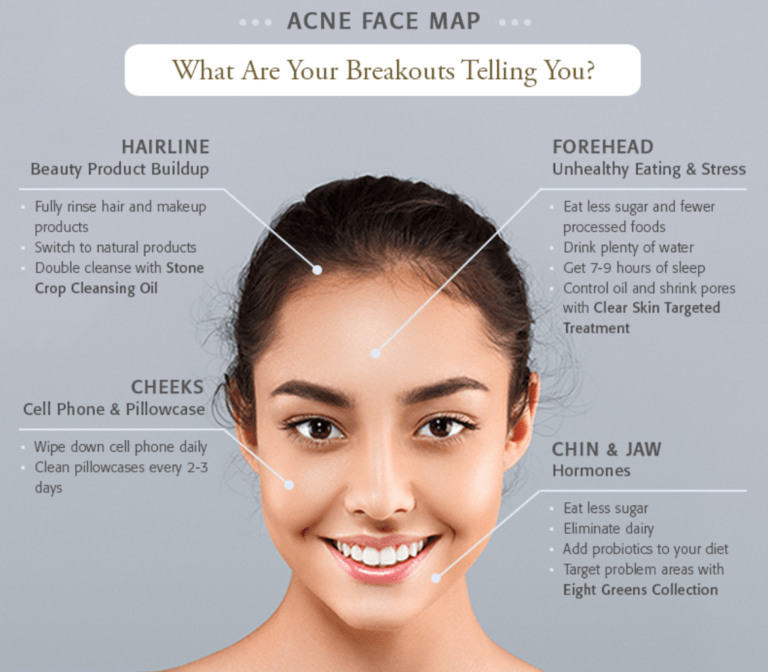
Conclusion: Navigating the Digital Dermatological Landscape
Forehead acne, often perceived as a purely biological issue, is increasingly intertwined with our digital lives. From the germ-laden surfaces of our devices to the unseen effects of blue light and the psychological toll of constant connectivity, technology presents a multifaceted challenge to clear skin. By understanding these digital culprits, we can empower ourselves to adopt more conscious and mindful technological habits.
The good news is that many of these issues are addressable. Regular device hygiene, mindful screen time, ergonomic adjustments, and a commitment to managing digital stress and prioritizing sleep can make a significant difference. It’s not about abandoning technology, but about cultivating a healthier relationship with it, one that supports both our digital well-being and the clarity of our skin. By acknowledging the technological roots of forehead acne, we can proactively manage its occurrence and foster a more balanced, and clearer, digital-meets-dermal existence.
aViewFromTheCave is a participant in the Amazon Services LLC Associates Program, an affiliate advertising program designed to provide a means for sites to earn advertising fees by advertising and linking to Amazon.com. Amazon, the Amazon logo, AmazonSupply, and the AmazonSupply logo are trademarks of Amazon.com, Inc. or its affiliates. As an Amazon Associate we earn affiliate commissions from qualifying purchases.