
In the realm of brand strategy and corporate identity, the words we choose are as critical as the logos we design. Every piece of copy, from a high-level manifesto to a simple social media caption, carries a specific point of view (POV). Understanding what first, second, and third person perspectives are—and knowing when to deploy them—is a fundamental pillar of modern marketing. These linguistic choices dictate how a brand is perceived: as a relatable friend, a dedicated servant, or a prestigious authority.
When a brand communicates, it isn’t just delivering information; it is establishing a relationship. The grammatical “person” used in a brand’s copy serves as the emotional bridge between the organization and its audience. Choosing the wrong perspective can create a disconnect, making a boutique personal brand feel cold or a global financial institution feel uncomfortably informal. This guide explores the strategic nuances of grammatical perspective within the context of brand identity and marketing.
The Power of Perspective in Brand Strategy
Perspective is the lens through which your audience views your brand. In branding, the choice of “person” is rarely accidental; it is a calculated decision designed to evoke a specific psychological response. Before a brand can decide on its perspective, it must first define its core identity.
Defining First, Second, and Third Person for Marketing
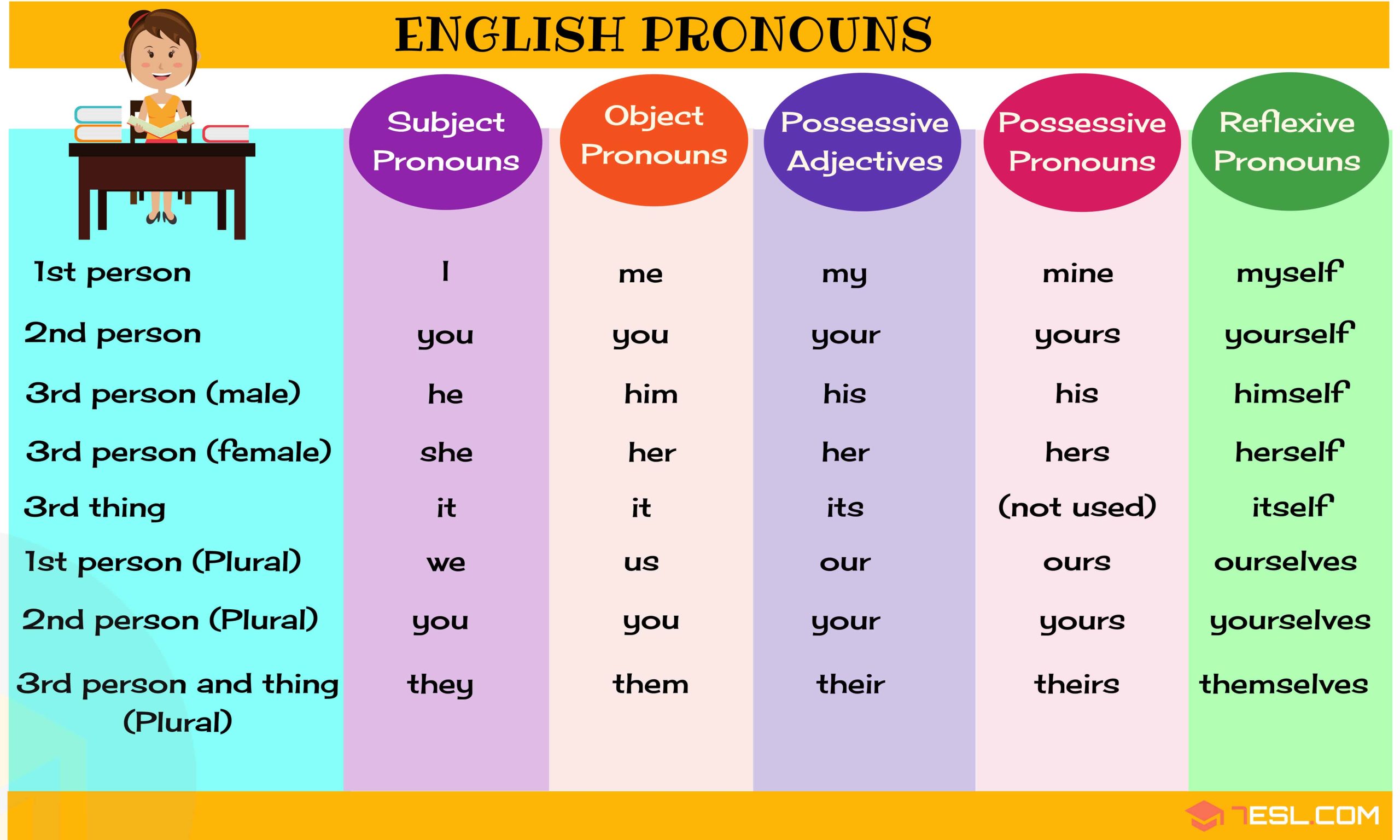
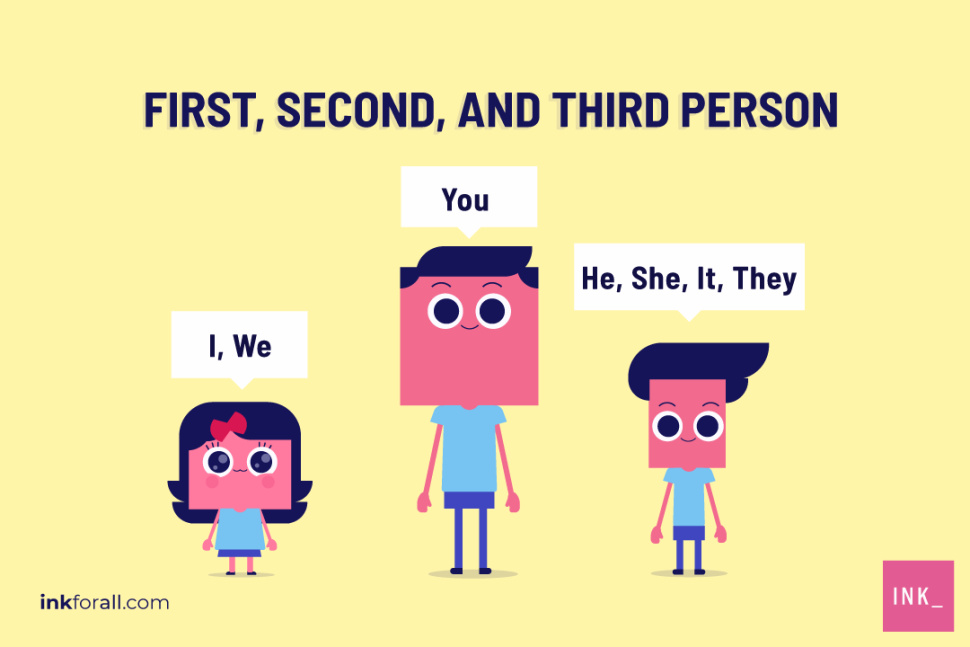
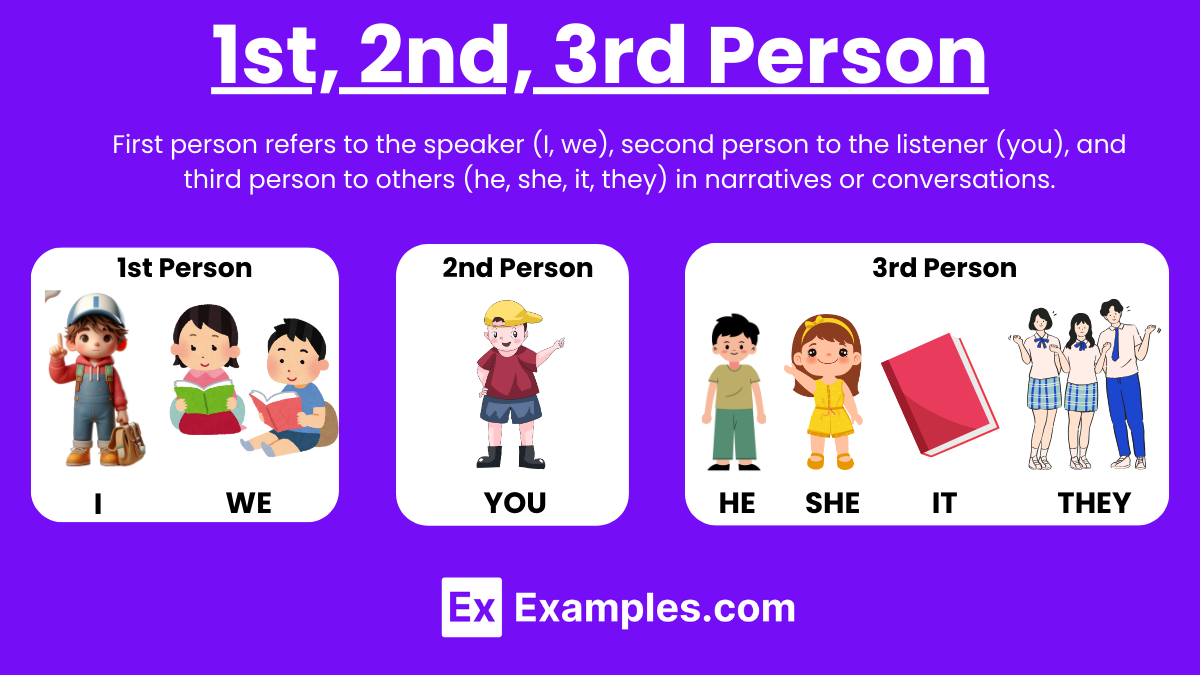
To apply these concepts to branding, we must first understand their basic definitions. The first person uses pronouns like “I,” “me,” “we,” and “us.” It positions the speaker as the protagonist. In branding, this is the voice of the company or the founder.
The second person utilizes “you,” “your,” and “yours.” This perspective turns the spotlight onto the audience, making the customer the protagonist of the story. Finally, the third person uses “he,” “she,” “it,” “they,” or the brand’s name itself. This creates a sense of distance and objectivity, positioning the brand as an observer or an established entity.
Why Tone and Voice Dictate Brand Loyalty
Brand loyalty is built on consistency. If a brand fluctuates between a casual “we” and a formal third-person narrative without a strategic reason, it confuses the consumer. A consistent perspective builds a “persona” that the customer can recognize and trust. For instance, a brand that consistently uses the second person feels empathetic and attentive to the customer’s needs. Conversely, a brand that uses a strictly objective third person may be seen as a reliable, albeit distant, industry leader. The strategic selection of these perspectives allows a brand to control the “proximity” it has with its target demographic.
The First Person: Building Personal Connection and Authenticity
The first-person perspective is the most intimate of the three. It is widely used by brands that want to emphasize their human element, their values, and their mission. By saying “we,” a brand invites the customer into its inner circle.
“I” vs. “We”: Personal Branding vs. Corporate Unity
In the world of personal branding—think consultants, creators, and public figures—the “I” perspective is king. It conveys vulnerability, individual expertise, and direct accountability. When a founder writes, “I started this company to solve a problem I faced,” it creates an immediate bond of trust.
However, for larger organizations, the “we” perspective is more common. “We” signifies a collective effort and a unified front. It suggests a team of experts working together toward a common goal. For a brand like Patagonia, “we” represents a community of environmentalists; for a tech giant, “we” might represent a global force of innovators. The shift from “I” to “we” is often a milestone in a brand’s evolution, signaling a transition from a solo venture to a scalable institution.
When to Use the First Person for Maximum Impact
The first person is most effective in “About Us” pages, mission statements, and crisis communication. When a brand needs to take responsibility or share its “why,” the first person provides the necessary warmth. It is the language of storytelling. By sharing internal perspectives, a brand moves away from being a faceless corporation and becomes a living entity with a heartbeat. This is particularly crucial in the modern market, where “authenticity” is a high-value currency.
The Second Person: The Customer-Centric Narrative
The second-person perspective is the most powerful tool in a copywriter’s arsenal. By using “you,” the brand steps out of the spotlight and allows the customer to take center stage. This is the hallmark of “customer-centric” branding.
The Psychology of “You” in Direct Response Marketing
Marketing is most effective when the consumer can visualize themselves using the product or service. The second person facilitates this visualization. Instead of saying, “Our software helps businesses grow,” a brand says, “Grow your business faster than ever before.”
The word “you” acts as a psychological trigger. It captures attention and forces the reader to internalize the message. In brand strategy, this is often referred to as “problem-solution” framing. By addressing the customer directly, the brand acknowledges their pain points and positions its offerings as the direct answer to the customer’s specific needs.
Balancing Empathy and Authority in Customer Education
While “you” is excellent for sales, it is also vital for user experience (UX) and customer education. When a brand provides tutorials or guides, the second person acts as a mentor. It guides the user through a process, making them feel empowered rather than lectured. However, there is a delicate balance to strike. Overusing “you” can sometimes feel aggressive or overly sales-oriented. Strategic brands soften this by blending the second person with empathetic language, ensuring the customer feels supported rather than pressured.
The Third Person: Establishing Professional Authority and Objectivity
While it may seem “old-fashioned” in the age of social media, the third-person perspective remains a vital component of corporate identity, especially for legacy brands and institutions where prestige and neutrality are paramount.
Institutional Trust and the Third-Person Narrative
Luxury brands, legal firms, and high-level medical institutions often utilize the third person to maintain an air of professional detachment and grandeur. Consider a high-end watchmaker like Rolex. Their copy doesn’t often say, “We make great watches for you.” Instead, it might say, “The Oyster Perpetual represents the pinnacle of horological engineering.”
By referring to the product or the brand in the third person, the company creates a sense of permanence. It suggests that the brand exists independently of any single person or customer. This perspective builds institutional trust, signaling that the brand is an objective authority in its field.
Case Studies and White Papers: The Role of the Objective Observer
In B2B (business-to-business) marketing, third-person narration is the standard for technical documentation, white papers, and formal case studies. In these contexts, the goal is to provide data-driven proof of success. Using a third-person, objective tone removes the bias of the “we” and the emotionality of the “you.” It presents the brand’s achievements as empirical facts. For a corporate brand looking to establish thought leadership, mastering the third-person perspective is essential for appearing credible to stakeholders and investors.
Orchestrating the Pivot: How to Transition Between Perspectives
The most sophisticated brands rarely stick to a single perspective across all channels. Instead, they pivot between first, second, and third person depending on the customer’s location in the marketing funnel.
Mapping POV to the Customer Journey
During the Awareness stage, a brand might use the third person to establish its category authority or the first person to share a compelling origin story. As the customer moves into the Consideration phase, the brand often shifts to the second person (“you”) to address specific needs and build a personalized connection. Finally, in the Retention phase, a mix of “we” and “you” (creating a “we’re in this together” sentiment) fosters long-term community loyalty.
Avoiding “Point of View Fatigue”
Consistency is key, but monotony is a risk. “Point of view fatigue” occurs when a brand stays too long in one perspective, causing the audience to tune out. A brand that only talks about itself (first person) becomes arrogant; a brand that only talks to the customer (second person) can become exhausting; a brand that is purely objective (third person) becomes cold.
The secret to masterful brand communication lies in the fluid, intentional movement between these perspectives. By understanding the linguistic mechanics of first, second, and third person, brand strategists can craft a narrative architecture that is not only cohesive but deeply resonant with the human experience. Whether you are building a personal brand or a corporate empire, the “person” you choose to speak from will define the soul of your business.
aViewFromTheCave is a participant in the Amazon Services LLC Associates Program, an affiliate advertising program designed to provide a means for sites to earn advertising fees by advertising and linking to Amazon.com. Amazon, the Amazon logo, AmazonSupply, and the AmazonSupply logo are trademarks of Amazon.com, Inc. or its affiliates. As an Amazon Associate we earn affiliate commissions from qualifying purchases.