
Counter-Strike: Global Offensive, or CS:GO as it’s widely known, is more than just a video game; it’s a global phenomenon, a cornerstone of the esports industry, and a testament to the enduring appeal of strategic, skill-based first-person shooter (FPS) gameplay. Launched in 2012 by Valve and Hidden Path Entertainment, CS:GO is the fourth iteration in the venerable Counter-Strike series, a franchise that has shaped the landscape of competitive online gaming for over two decades. Its enduring popularity stems from a deceptively simple premise that belies deep strategic complexity, requiring immense teamwork, precise aim, and an intricate understanding of game mechanics.
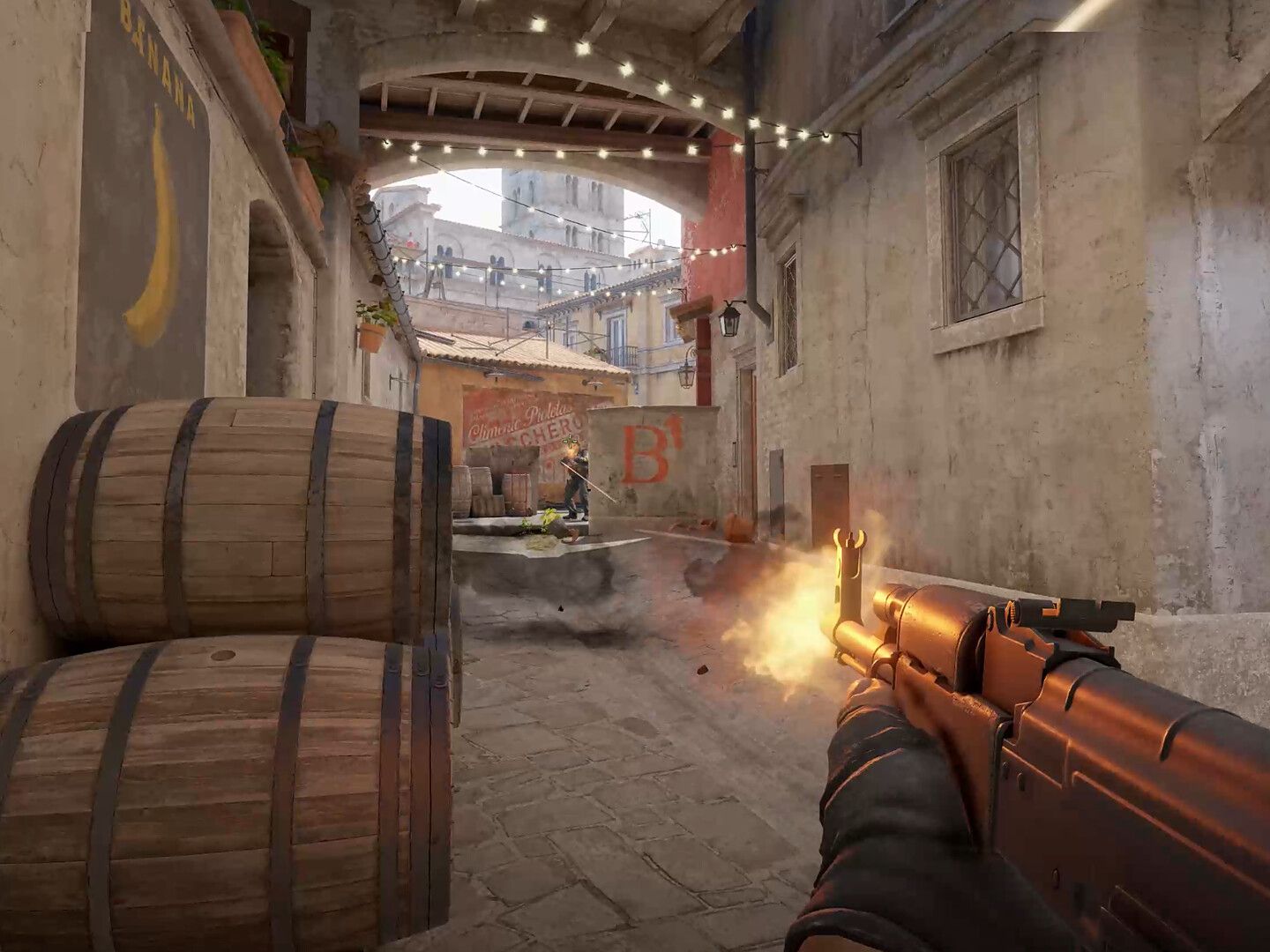
The core gameplay loop of CS:GO revolves around two opposing teams: Terrorists (T) and Counter-Terrorists (CT). These teams engage in a series of objective-based rounds, most commonly the bomb defusal mode. In this mode, Terrorists aim to plant a bomb at one of two designated sites (A or B) on the map, while Counter-Terrorists strive to prevent them from doing so, either by eliminating all Terrorists or by defusing the bomb if it’s planted. Alternatively, Terrorists can win by eliminating all Counter-Terrorists, and Counter-Terrorists can win by eliminating all Terrorists. Rounds are short, intense, and played to a set number of victories. This rapid pacing, combined with the high stakes of each engagement, creates a thrilling and addictive experience.
Beyond the fundamental mechanics, CS:GO distinguishes itself through its emphasis on economy management, tactical utility usage, and map knowledge. Players earn in-game currency based on their performance in previous rounds, allowing them to purchase a wide array of weapons, armor, and grenades. The strategic allocation of these resources, known as the “buy system,” adds a layer of financial strategy to each round, influencing team compositions and offensive or defensive strategies. Furthermore, the effective use of grenades – smoke, flashbang, incendiary, and HE – is crucial for controlling sightlines, disrupting enemy positions, and creating openings for engagements. Mastering the intricate layouts and chokepoints of the game’s iconic maps is equally vital for success, transforming players into strategic navigators of virtual battlefields.
The Pillars of CS:GO Gameplay
At its heart, CS:GO’s gameplay is built upon a foundation of several key elements that contribute to its depth and longevity. These pillars are what players continuously hone and refine to achieve mastery, making the game a compelling experience for both newcomers and seasoned veterans.
Precise Aim and Reflexes
The most immediate and apparent skill in CS:GO is the ability to aim accurately and react quickly. Unlike games that rely on character abilities or complex weapon systems, CS:GO’s combat is largely deterministic. Weapon recoil patterns are learnable and, to some extent, controllable. This means that a player’s success in gunfights is heavily influenced by their mechanical skill – their ability to track targets, flick to enemies, and control their spray.
Crosshair Placement and Recoil Control
Mastering crosshair placement is fundamental. This involves keeping your crosshair at head-level in common enemy locations, reducing the time and effort needed to acquire a target. Similarly, understanding and controlling weapon recoil is paramount. Each weapon in CS:GO has a distinct spray pattern that can be learned and mitigated through mouse movements. This skill allows players to consistently land shots, even during sustained fire, which is critical for winning duels and holding angles. The ability to consistently win one-on-one gunfights, often referred to as “duels,” is a hallmark of skilled CS:GO players.
Movement and Peeking
Movement in CS:GO is not just about traversing the map; it’s a critical component of combat. Strafing, counter-strafing (briefly tapping the opposite direction key to stop instantly and shoot accurately), and carefully peeking corners are essential for gaining advantages and minimizing exposure to enemy fire. Knowing when and how to peek, whether it’s a wide swing or a tight jiggle, can mean the difference between securing a kill and being eliminated. This dynamic interplay of movement and aiming is what gives CS:GO its signature fluid yet precise gunplay.
Strategic Teamwork and Communication
While individual skill is important, CS:GO is fundamentally a team-based game. Success at higher levels of play hinges on seamless coordination, effective communication, and a shared understanding of objectives and strategies. Lone wolves rarely succeed in the long run; it’s the cohesive unit that triumphs.
Voice Communication and Callouts
Real-time communication is the lifeblood of a CS:GO team. Players constantly relay enemy positions, utility usage, and strategic intentions. Concise and accurate “callouts” – short descriptions of enemy locations or actions – are essential for rapid decision-making and coordinated assaults or defenses. Effective communication allows teams to react to threats, exploit opportunities, and avoid being outmaneuvered.
Role Specialization and Synergy
Within a team, players often adopt specific roles. An “entry fragger” might lead the charge into a bombsite, aiming to get the first kill. A “support player” might focus on using utility to facilitate the entry fragger or provide backup. A “lurker” might play a more independent role, trying to catch rotating enemies off guard. The ability of these specialized roles to synergize and work together, understanding each other’s responsibilities and limitations, is crucial for creating a well-oiled machine on the virtual battlefield.
Economic Management and Utility Usage
The strategic layer of CS:GO extends beyond immediate combat to encompass resource management and the tactical deployment of grenades. These elements add a significant degree of foresight and planning to the game.
The Buy System and Round Economy
Each round begins with players having the opportunity to spend their earned money on weapons, armor, and utility. Deciding whether to “force buy” (spending money even if it means a weaker buy for the next round), “eco” (saving money for a full buy in the subsequent round), or execute a “buy” (a balanced purchase) significantly impacts a team’s economic advantage over several rounds. Understanding these economic cycles and making intelligent purchasing decisions is a strategic art form.

Grenade Mechanics and Tactical Application
Grenades are not mere distractions in CS:GO; they are vital tools for control and execution. Smoke grenades can block off sightlines, allowing teams to advance or disengage safely. Flashbangs can blind enemies, creating openings for aggressive plays. Incendiary grenades and molotov cocktails can deny areas or flush out enemies from defensive positions. Mastering the lineups for specific grenades – the precise throws that land them in desired locations – is a complex but rewarding aspect of the game, allowing for predictable and devastating utility plays.
The Esports Ecosystem of CS:GO
CS:GO’s competitive scene has exploded into a massive global esport, attracting millions of viewers and professional players. Its structured tournament system, developer support, and passionate community have solidified its place as a premier esport title.
Professional Leagues and Tournaments
From Valve-sanctioned Majors to third-party leagues like ESL Pro League and BLAST Premier, the professional CS:GO circuit is a year-round spectacle. These events feature the world’s best teams battling for significant prize pools and prestigious titles. The high level of play, coupled with engaging production values, makes for compelling viewing.
The Intel Grand Slam and Major Championships
The Intel Grand Slam is a coveted achievement, requiring a team to win four qualifying premier tournaments within a specific timeframe. Major Championships, sponsored by Valve, are the pinnacle of CS:GO esports, often drawing hundreds of thousands of concurrent viewers online and filling arenas. These events are steeped in history and prestige, with winning a Major being the ultimate goal for any professional CS:GO player.
Player Skill Progression and Community Engagement
The path to becoming a professional CS:GO player is one of dedication, practice, and continuous improvement. The game’s high skill ceiling means there’s always room for growth, fostering a culture of constant learning and refinement within the player base.
Ranked Matchmaking and the Road to Global Elite
CS:GO features a robust competitive matchmaking system that allows players to earn ranks based on their performance. From Bronze all the way up to the coveted “Global Elite,” this system provides a clear progression path and a goal for aspiring players. The journey through these ranks is a microcosm of the skills required at higher levels, demanding teamwork, strategic thinking, and mechanical proficiency.
Content Creation and Streaming Culture
The popularity of CS:GO has spawned a massive content creation ecosystem. Streamers on platforms like Twitch and YouTube provide entertainment, educational content, and insights into high-level gameplay. This accessible content not only entertains but also serves as a valuable resource for players looking to improve their skills, further fueling the game’s community engagement.
The Enduring Appeal and Future of CS:GO
Despite its age, CS:GO continues to thrive, a testament to its well-designed core mechanics and the vibrant community it has fostered. Valve’s ongoing commitment to updates, alongside the community’s dedication, ensures its relevance.
Longevity Through Constant Evolution
While the core gameplay remains largely consistent, Valve periodically introduces updates, including new operations, weapon balances, and map pool rotations, which keep the game fresh. The introduction of new maps and the refinement of existing ones ensure that the meta-game is always evolving, preventing stagnation.
Map Pool Rotation and Meta Shifts
The competitive map pool in CS:GO is not static. Maps are periodically added or removed from active duty, forcing players and teams to adapt their strategies. These shifts in the available maps can dramatically alter the meta-game, requiring new approaches to offense, defense, and utility usage, thereby keeping the game dynamic.
The Transition to Counter-Strike 2
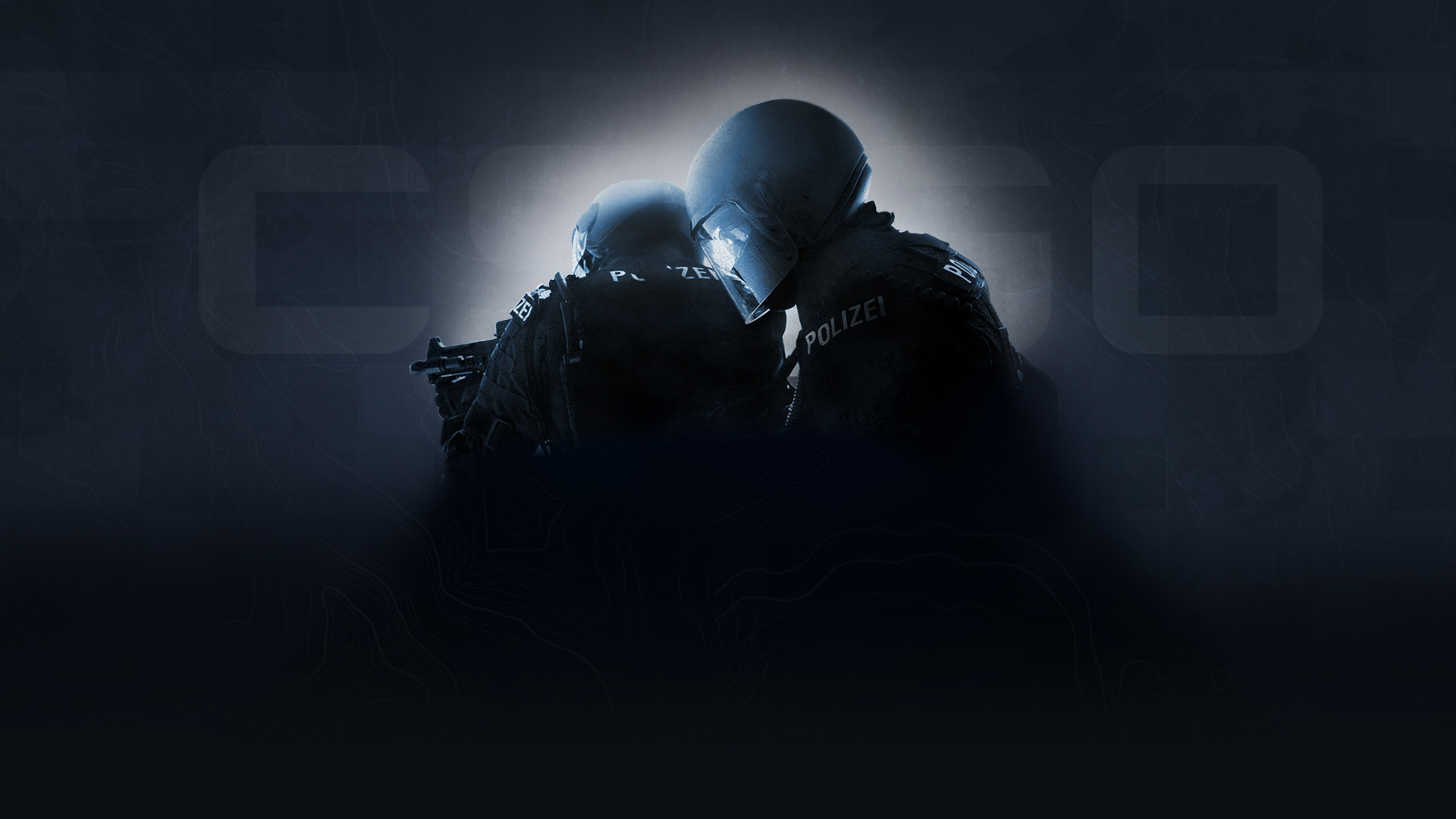
In 2023, Valve announced and began rolling out Counter-Strike 2, a significant upgrade to CS:GO built on the Source 2 engine. This transition represents a new era for the franchise, promising enhanced graphics, improved networking, and a more modern gameplay experience. While the core tenets of CS:GO are expected to carry over, the shift to Source 2 marks a pivotal moment, aiming to solidify the game’s future for years to come. The introduction of new technologies like sub-tick updates promises a more responsive and consistent gameplay feel, further refining the precision that is so central to the Counter-Strike experience. This evolution ensures that the legacy of CS:GO, in its new form, will continue to captivate and challenge players worldwide.
aViewFromTheCave is a participant in the Amazon Services LLC Associates Program, an affiliate advertising program designed to provide a means for sites to earn advertising fees by advertising and linking to Amazon.com. Amazon, the Amazon logo, AmazonSupply, and the AmazonSupply logo are trademarks of Amazon.com, Inc. or its affiliates. As an Amazon Associate we earn affiliate commissions from qualifying purchases.