
Clay soil, a ubiquitous component of the Earth’s crust, is far more than just a horticultural curiosity. From an economic standpoint, understanding its properties is crucial for a diverse range of industries, impacting everything from agricultural yields and construction feasibility to the viability of renewable energy projects and the financial returns on real estate investments. This article delves into the financial implications of clay soil, exploring its challenges and opportunities for those operating within the realm of business finance, investment, and land development.
The Economic Impact of Clay Soil’s Unique Properties
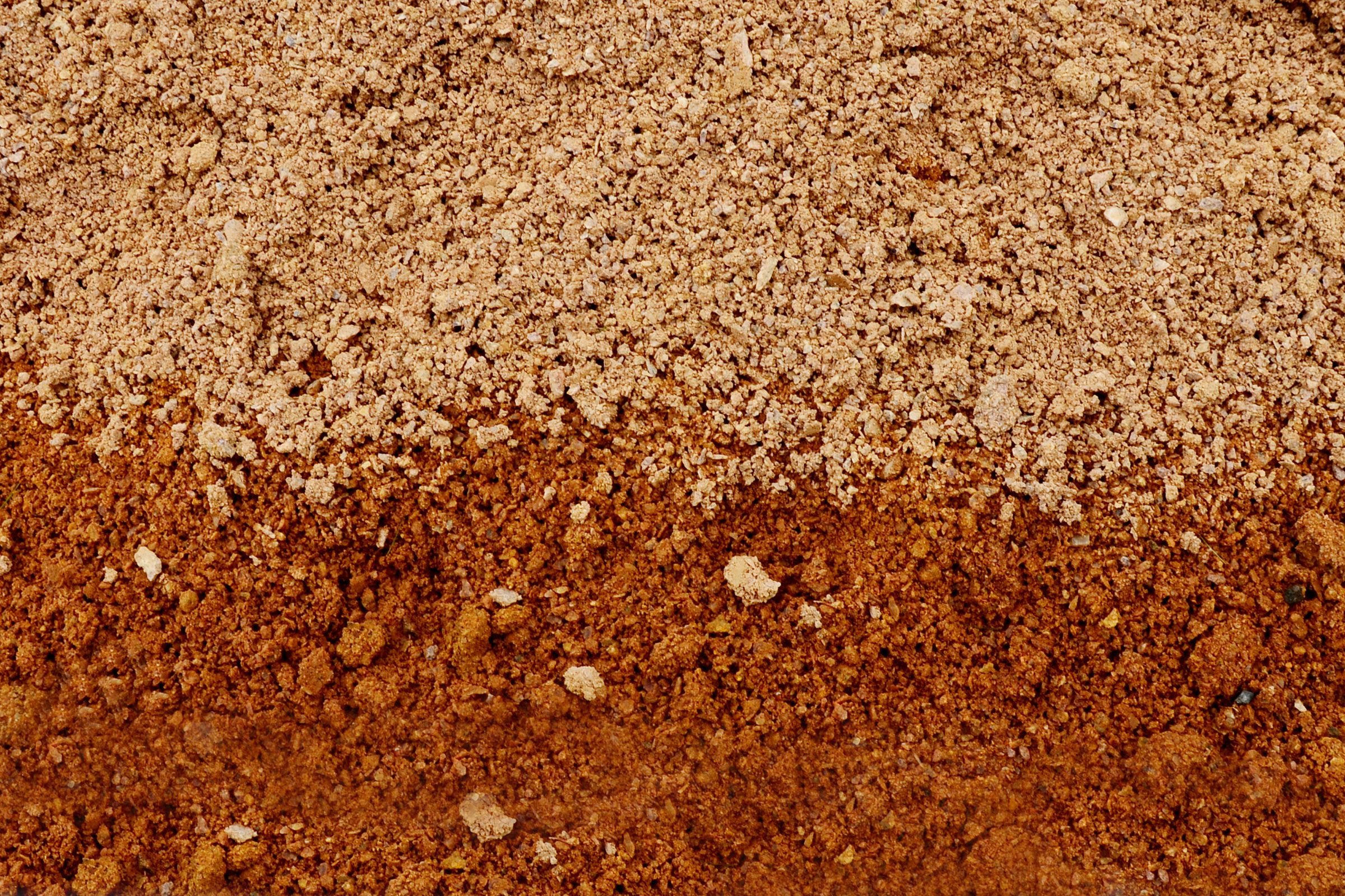
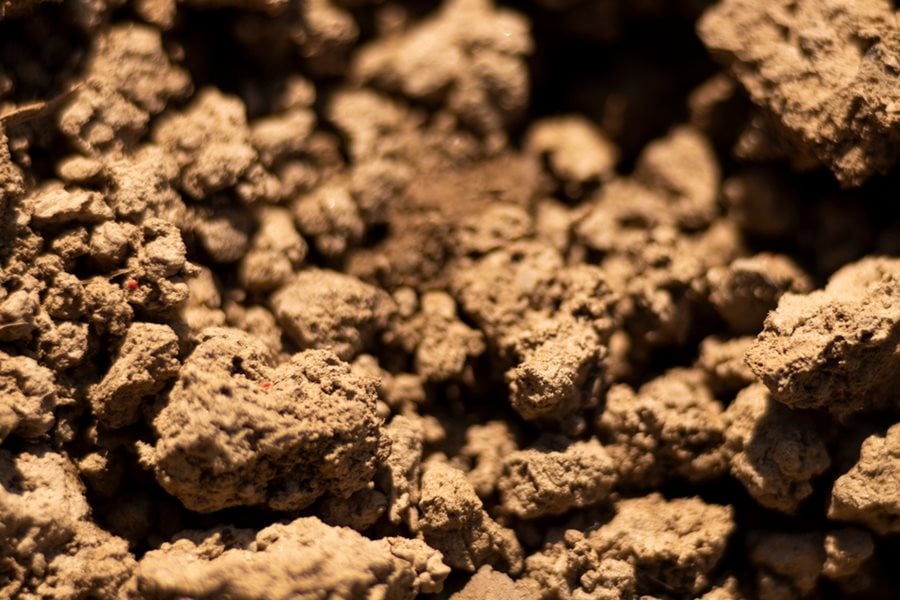
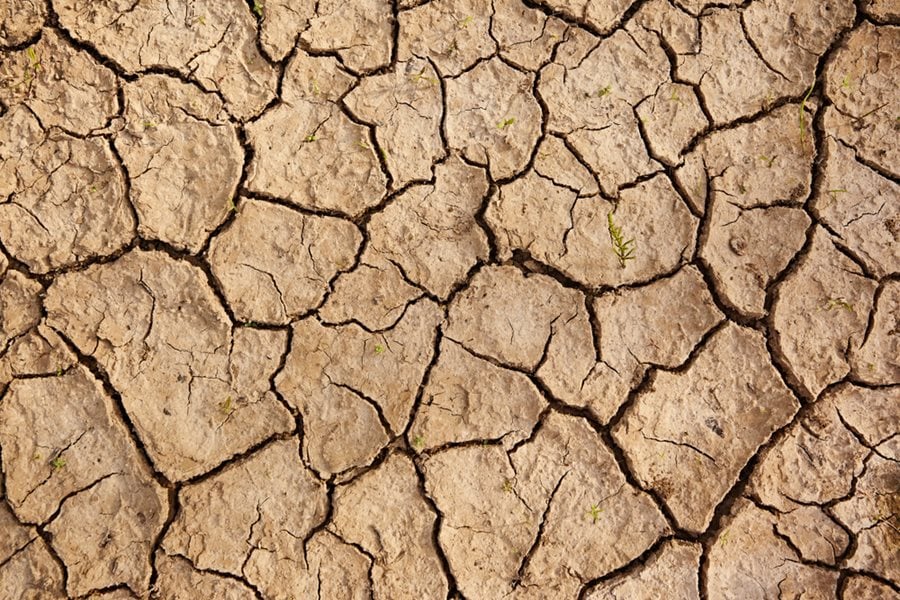
Clay soil is characterized by its extremely small particle size, typically less than 0.002 millimeters in diameter. This fineness leads to a unique set of physical and chemical properties that have direct and significant financial consequences. When water is present, these tiny particles create a dense, impermeable layer, restricting drainage and aeration. Conversely, when dry, clay soil can become exceptionally hard and develop deep cracks. These characteristics translate into tangible costs and potential revenue streams across multiple sectors.
Agricultural Returns and Input Costs
For the agricultural sector, clay soil presents a double-edged sword. Its ability to retain moisture can be a significant advantage in arid regions or during dry spells, reducing the need for irrigation, which in turn lowers operational costs and conserves a precious resource. However, this moisture retention also means that waterlogging is a common problem, especially in regions with high rainfall. Poor drainage leads to oxygen deprivation for plant roots, hindering growth and increasing the susceptibility to diseases.
This necessitates substantial investment in drainage systems. Agricultural land with heavy clay soil often requires complex and costly subsurface drainage solutions, such as tile drainage systems, to make it commercially viable for many crops. The installation and maintenance of these systems represent a significant capital expenditure for farmers, impacting their profitability and return on investment.
Furthermore, the dense nature of clay soil makes cultivation more challenging. Tilling requires more powerful machinery and higher fuel consumption compared to lighter soils. This increased operational cost directly affects the bottom line. Crop selection also becomes a critical financial decision. While certain crops, like rice or specific types of vegetables, can thrive in clay soils, others, such as root vegetables that require loose soil for proper development, may be unsuitable, limiting market diversification and potential revenue.
The financial strategy for farmers operating on clay soil must therefore involve a careful balance of investing in drainage and soil improvement technologies, optimizing crop selection for market demand and soil suitability, and managing the higher operational costs associated with cultivation. For investors in agricultural land, the presence of clay soil can signify a lower initial purchase price but also a higher potential for ongoing investment in infrastructure to achieve optimal yields, thus influencing the long-term financial projections.
Construction Challenges and Infrastructure Costs
The construction industry faces some of the most pronounced financial challenges when dealing with clay soil. Its expansive and contractive properties are a major concern for building foundations, roads, and other infrastructure projects. When clay soil absorbs moisture, it swells, exerting upward pressure on structures, which can lead to cracking in foundations, walls, and pavements. Conversely, when it dries out, it shrinks, creating voids and causing structures to settle unevenly.
This means that engineers and developers must factor in significant additional costs for foundation design and preparation. Techniques like deep piling, using robust geotextiles, and extensive soil stabilization measures are often required. These are not merely minor adjustments; they can represent a substantial percentage of the total construction budget. The cost of specialized equipment for excavation and compaction in clay soil also adds to the overall expense.
Moreover, the long-term maintenance of infrastructure built on clay soil is often more costly. Roads may require more frequent resurfacing due to the underlying soil’s movement. Buildings may need ongoing structural assessments and repairs. The financial risk associated with construction on expansive clay soils can deter investment or lead to higher project costs that are passed on to the end-user, whether through property prices or public infrastructure levies.
For investors in real estate development, a thorough geotechnical survey identifying clay soil is a critical early-stage expense. The findings of this survey will directly influence the project’s feasibility, budget, and projected profitability. Developers must have robust financial models that account for the increased construction and long-term maintenance costs. Conversely, understanding these challenges can also present opportunities for specialized construction firms that have expertise in mitigating clay soil issues, allowing them to command premium pricing for their services.
Financial Opportunities in Clay Soil Management and Utilization
While clay soil presents numerous financial hurdles, it also offers unique opportunities for innovation and investment, particularly in areas of resource management and specialized material applications.
Water Management and Resource Recovery
The high water retention capacity of clay soil, while problematic for agriculture and construction, can be leveraged for beneficial purposes. In regions facing water scarcity, engineered clay structures can play a role in water harvesting and management. For instance, the construction of reservoirs or ponds with clay liners can significantly reduce water seepage, making water storage more efficient. This can have direct economic benefits by increasing the availability of water for irrigation, industrial use, and domestic supply, thereby supporting economic activity.
Furthermore, the fine particle size and chemical properties of clay make it an excellent adsorbent. This property is being increasingly exploited in environmental remediation and water treatment technologies. Clay-based filters and membranes are effective in removing pollutants, heavy metals, and other contaminants from wastewater. Companies developing and implementing these clay-based solutions can find a lucrative market, as regulatory pressures for clean water increase globally. The investment in research and development for advanced clay filtration systems can yield significant returns as demand for sustainable water management grows.
Geothermal Energy and Renewable Resource Potential
Clay soil’s thermal properties also present financial opportunities in the renewable energy sector, specifically geothermal energy. Clay soil has a relatively high thermal conductivity, meaning it can efficiently transfer heat. This makes it an ideal medium for ground-source heat pump systems. These systems utilize the stable underground temperature to heat and cool buildings, offering significant energy savings compared to conventional HVAC systems.
The initial investment in installing a geothermal system can be substantial, involving drilling into the ground to install pipes that circulate a heat-transfer fluid. However, the long-term operational cost savings, coupled with government incentives for renewable energy adoption, can provide an attractive return on investment for property owners and developers. For investors looking at the burgeoning renewable energy market, companies specializing in the design and installation of geothermal systems, particularly those with expertise in assessing and working with diverse soil types like clay, represent a growth area. The financial models for geothermal projects are increasingly demonstrating their viability as a cost-effective and environmentally friendly energy solution.
Specialized Material Applications and Value-Added Products
Beyond its use as a building material in its raw form (like adobe or rammed earth construction, which can be cost-effective in specific regions), clay soil is a key ingredient in numerous industrial products, creating significant economic value. The ceramics industry, for instance, relies heavily on various types of clay to produce tiles, sanitaryware, tableware, and decorative items. The global ceramics market is a multi-billion dollar industry, and the quality and availability of suitable clay deposits directly influence the profitability of companies within this sector.
Furthermore, processed clays are used in the manufacturing of paper, paints, plastics, and even certain pharmaceuticals. Specialized clay minerals, such as kaolin and bentonite, have unique properties that make them indispensable in these applications. Companies that can efficiently extract, process, and refine these clays can achieve substantial financial gains. Investment in advanced processing technologies that can produce high-purity clays or clays with tailored properties can unlock premium markets and enhance competitive advantage.
For venture capitalists and private equity firms, identifying and investing in companies with proprietary technologies for clay extraction, processing, or innovative applications can be a strategic move. The demand for these specialized materials is often driven by technological advancements and evolving consumer preferences, creating opportunities for significant capital appreciation.
Financial Considerations for Land Acquisition and Development
When considering land acquisition, particularly for development purposes, understanding the prevalence and characteristics of clay soil is paramount from a financial perspective.
Due Diligence and Risk Assessment
Before any financial commitment is made, comprehensive due diligence is essential. This includes thorough geotechnical investigations to determine the type and extent of clay soil present, as well as its properties, such as plasticity, expansion potential, and bearing capacity. The cost of these investigations, while an upfront expense, is minuscule compared to the potential financial losses incurred from undertaking a project on unsuitable soil.
Financial analysts and investors must work closely with geotechnical engineers to interpret these reports and translate them into financial risk assessments. A property with significant clay soil issues might have a lower acquisition cost, but this must be weighed against the projected costs of mitigating those issues during construction and the potential for long-term maintenance expenses.
Infrastructure Development and Public Utilities
The impact of clay soil extends to the provision of public utilities and infrastructure. Laying pipes for water, sewage, and gas lines can be more challenging and expensive in areas with expansive clay soils. The ground movement can stress and damage these pipelines, leading to leaks, service disruptions, and costly repairs. Utility companies must factor these increased installation and maintenance costs into their operational budgets, which can ultimately affect service charges to consumers or the profitability of utility investments.
Developers must also consider the cost of extending or upgrading infrastructure to a site with problematic soil conditions. This can include the need for specialized trenching, backfilling, and pipe bedding techniques. In some cases, the sheer cost of bringing essential services to a parcel of land with challenging clay soil may render the development financially unviable.
Investment Strategies in Property Development
For real estate investors, the presence of clay soil necessitates a nuanced investment strategy.
- Risk Mitigation: Investing in areas with well-documented, manageable clay soil conditions and engaging reputable engineering firms can reduce risks.
- Niche Markets: Focusing on developments where clay soil is an advantage, such as specialized agricultural ventures or projects utilizing natural building materials, can be profitable.
- Long-Term Value: While initial construction costs might be higher, properties built on well-engineered foundations that account for clay soil’s properties can offer long-term stability and value appreciation, provided these costs are adequately factored into the initial pricing.
- Infrastructure Investment: Investors might consider projects that involve improving infrastructure to overcome clay soil challenges, thereby increasing the value of surrounding land.
The financial success of any project involving land with clay soil hinges on a proactive and informed approach. By understanding the fundamental properties of clay soil and their tangible economic consequences, investors, developers, and businesses can make more astute financial decisions, mitigate risks, and capitalize on the unique opportunities this prevalent soil type presents.
Conclusion: A Financially Savvy Approach to Clay Soil
In conclusion, clay soil is not merely an environmental factor; it is a significant economic determinant across a multitude of industries. From the agricultural sector’s battle with drainage and cultivation costs to the construction industry’s battle with foundation integrity and infrastructure expenses, the financial implications are profound. However, by understanding its unique properties, such as water retention and thermal conductivity, new financial opportunities emerge in water management, renewable energy, and the production of value-added materials.
For those operating within the financial sphere, a detailed understanding of clay soil is no longer optional. It is a prerequisite for accurate risk assessment, strategic investment, and ultimately, sustainable profitability. Whether it’s optimizing crop yields, ensuring the longevity of built structures, or harnessing the earth’s thermal energy, a financially savvy approach to clay soil management and utilization is key to unlocking its economic potential and safeguarding investments in an increasingly resource-conscious world.
aViewFromTheCave is a participant in the Amazon Services LLC Associates Program, an affiliate advertising program designed to provide a means for sites to earn advertising fees by advertising and linking to Amazon.com. Amazon, the Amazon logo, AmazonSupply, and the AmazonSupply logo are trademarks of Amazon.com, Inc. or its affiliates. As an Amazon Associate we earn affiliate commissions from qualifying purchases.