
In the hyper-competitive landscape of seasonal marketing, few products achieve the level of “household name” status without a multi-million dollar advertising budget. Yet, every December, a specific confectionary phenomenon takes over social media feeds, office parties, and gift baskets. Known colloquially as “Christmas Crack,” this combination of saltine crackers, toffee, and chocolate has become more than just a recipe; it is a masterclass in organic brand building, seasonal positioning, and consumer psychology.
To the uninitiated, Christmas Crack is a simple homemade candy. To a brand strategist, however, it represents a fascinating case study in how a product can achieve market dominance through community-driven identity, viral nomenclature, and the strategic leveraging of seasonal scarcity.
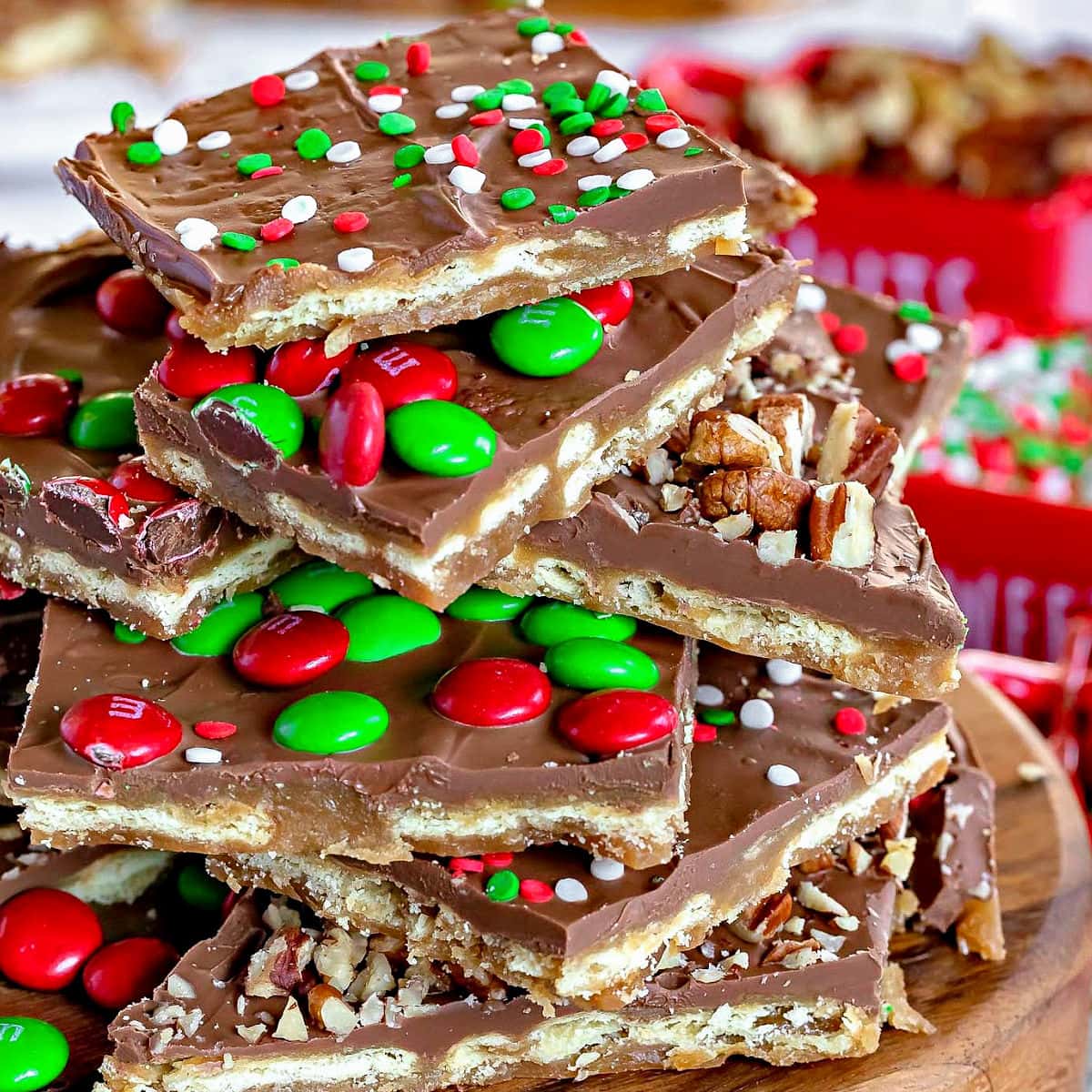
The Anatomy of a Viral Food Brand
When we analyze why certain products “stick” in the public consciousness, we look at brand identity and the emotional resonance of the name. Christmas Crack possesses an identity that is both edgy and comforting, a dichotomy that fuels its longevity.
The Psychology of the Name
The name “Christmas Crack” is arguably its greatest brand asset. In marketing, the goal of a name is to be memorable, evocative, and descriptive of the user experience. By using the colloquialism “crack,” the brand identity immediately signals that the product is addictive, high-energy, and impossible to stop consuming. While the term is irreverent, it creates a “sticky” brand recall that “Saltine Toffee” simply cannot match. It transforms a generic food item into a conversational centerpiece, giving it an edge that appeals to a modern, social-media-savvy audience.
Accessibility and the “Budget Luxury” Brand Position
From a brand strategy perspective, Christmas Crack occupies a unique niche: Budget Luxury. The ingredients are humble—saltines, butter, sugar, and chocolate chips—yet the final product is presented as a decadent treat worthy of gifting. This low barrier to entry allows the “brand” to scale rapidly. Anyone can participate in the trend regardless of their culinary skill level or financial status. By making the brand inclusive, the “Christmas Crack” movement ensures maximum market penetration, as the “consumers” are also the “manufacturers.”
Cultural Currency and Digital Distribution
Traditional brands spend decades trying to build the kind of organic reach that Christmas Crack enjoys every Q4. The secret to its success lies in its status as “cultural currency”—a product that people share not just because it tastes good, but because sharing it says something about their own brand as a curator of trends.
Pinterest and TikTok as Brand Engines
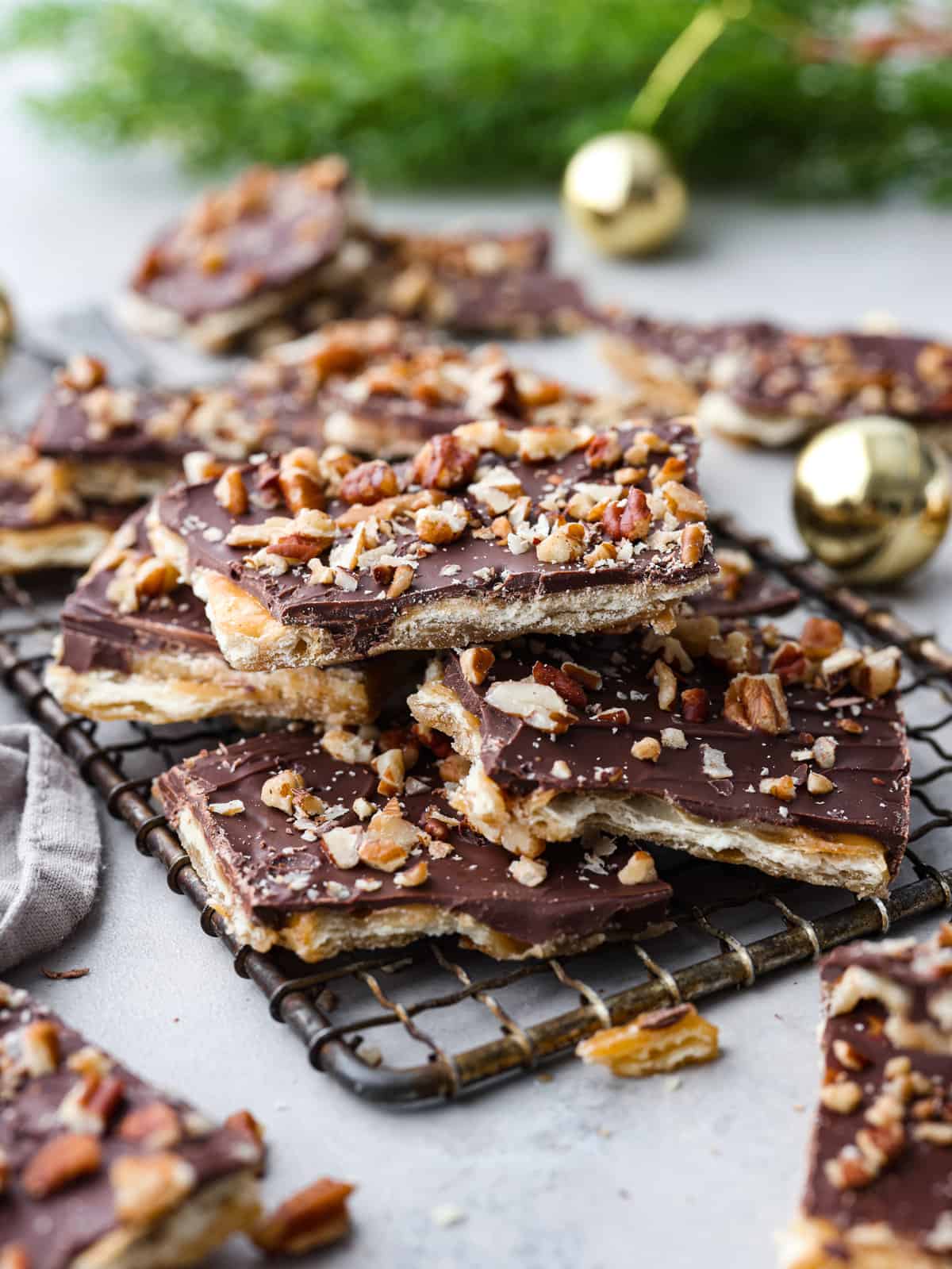
The visual appeal of Christmas Crack is a significant factor in its digital distribution. The process of making it—the bubbling caramel, the melting chocolate, and the satisfying “snap” of the finished product—is tailor-made for short-form video content. On platforms like TikTok and Instagram, the hashtag #ChristmasCrack garners millions of views annually. This isn’t just luck; it is a result of the product’s “Instagrammability.” The brand thrives because it is visually transactional; it rewards the creator with high engagement, which in turn encourages more people to produce and share the “brand.”
User-Generated Content (UGC) as Organic Marketing
In modern marketing, User-Generated Content is the “Holy Grail.” Christmas Crack is effectively a 100% UGC-driven brand. There is no corporate headquarters for Christmas Crack; instead, it exists as a decentralized franchise. Every home baker who posts a photo of their batch is acting as a brand ambassador. This decentralization makes the brand feel authentic and “of the people,” which is a powerful psychological driver in an era where consumers are increasingly cynical about traditional corporate advertising.
Seasonal Scarcity and Psychological Positioning
One of the core tenets of brand strategy is the management of supply and demand. Christmas Crack utilizes the “Limited Time Offer” (LTO) model to perfection, despite not being a corporate entity.
The Power of the “LTO” Effect
Because the brand is inextricably linked to the holiday season, it benefits from intense seasonal scarcity. If Christmas Crack were available year-round under a different name, it would likely lose its luster. By tethering the brand identity to a specific window of time (late November through December), it creates a “now or never” consumer mindset. This psychological pressure drives high-volume consumption and sharing within a concentrated period, ensuring the brand dominates the cultural conversation for those six weeks.
Nostalgia as a Brand Pillar
Successful branding often taps into deep-seated emotions, and nostalgia is one of the most potent tools available. Christmas Crack leverages the “homemade” aesthetic to evoke feelings of warmth, family, and tradition. Even for those who did not grow up eating it, the brand’s presentation—typically in tins or cellophane bags with ribbons—aligns with the “classic Americana” holiday aesthetic. This emotional anchoring ensures that the brand doesn’t just feel like a trend, but like a tradition, which is the ultimate goal for any long-term brand strategy.
Monetizing the Viral Recipe: From Home Kitchens to Commercial Strategy
While Christmas Crack started as a grassroots movement, its success provides a blueprint for how businesses can productize viral trends. We are seeing a shift where professional bakeries and CPG (Consumer Packaged Goods) companies are looking to “officialize” the recipe for the retail market.
White Labeling and Productization
Many small-scale confectioneries have begun to offer their own versions of “Christmas Crack,” often rebranded as “Holiday Toffee Crunch” or “Cracker Bark” to avoid potential trademark issues while still capitalizing on the trend’s momentum. This is a classic example of market followers capitalizing on a category creator’s success. By recognizing the brand equity in the “salty-sweet-crunchy” profile, businesses can capture a slice of the market share that the viral trend has already pre-sold to the public.
Intellectual Property and the “Common Domain” Dilemma
The Christmas Crack phenomenon raises interesting questions about intellectual property (IP) in the digital age. Because the recipe and name have entered the “common domain” of internet culture, no single entity can claim ownership. This prevents any one company from monopolizing the brand, but it also means the “brand” is vulnerable to dilution. For marketers, the lesson here is the value of “open-source branding.” By allowing a brand to be co-opted and adapted by the public, you lose control but gain infinite scale.

Lessons for Modern Brand Strategists
The rise of Christmas Crack offers several key takeaways for anyone looking to build a brand in the 21st century. It proves that a product doesn’t need a massive budget if it has the right “hooks.”
- Community over Corporate: A brand that belongs to the people will always have more staying power than one that is forced upon them. By creating something that people want to make and share themselves, the brand becomes part of their personal identity.
- The Importance of the “Snap”: In a world of infinite scrolling, products need a sensory “hook.” For Christmas Crack, it’s the visual and auditory satisfaction of the crunch. Every brand needs a “sensory signature” that translates well to digital media.
- The Naming Advantage: Do not play it safe with naming. A name that is slightly provocative or highly descriptive of the “feeling” of the product will always outperform a generic, descriptive name.
In conclusion, “Christmas Crack” is not just a holiday snack; it is a recurring seasonal brand that successfully navigates the complexities of modern consumer behavior. It utilizes scarcity, leverages social proof through UGC, and maintains a high-low brand position that makes it accessible to everyone. As we move further into a creator-led economy, the success of Christmas Crack serves as a reminder that the most powerful brands are those that we build together in our own kitchens and share across our own networks.
aViewFromTheCave is a participant in the Amazon Services LLC Associates Program, an affiliate advertising program designed to provide a means for sites to earn advertising fees by advertising and linking to Amazon.com. Amazon, the Amazon logo, AmazonSupply, and the AmazonSupply logo are trademarks of Amazon.com, Inc. or its affiliates. As an Amazon Associate we earn affiliate commissions from qualifying purchases.