
The realm of health and wellness is a rapidly evolving landscape, with new discoveries and delivery methods constantly emerging. Among these, berberine has garnered significant attention for its potential health benefits, ranging from metabolic support to cardiovascular health. However, the efficacy and bioavailability of any compound are heavily influenced by its formulation. This is where the concept of “berberine phytosome” enters the conversation, representing a sophisticated advancement in how we can harness the power of this natural alkaloid. Understanding what a berberine phytosome is involves delving into the science behind its creation, the advantages it offers, and its implications for consumers seeking optimized health outcomes.
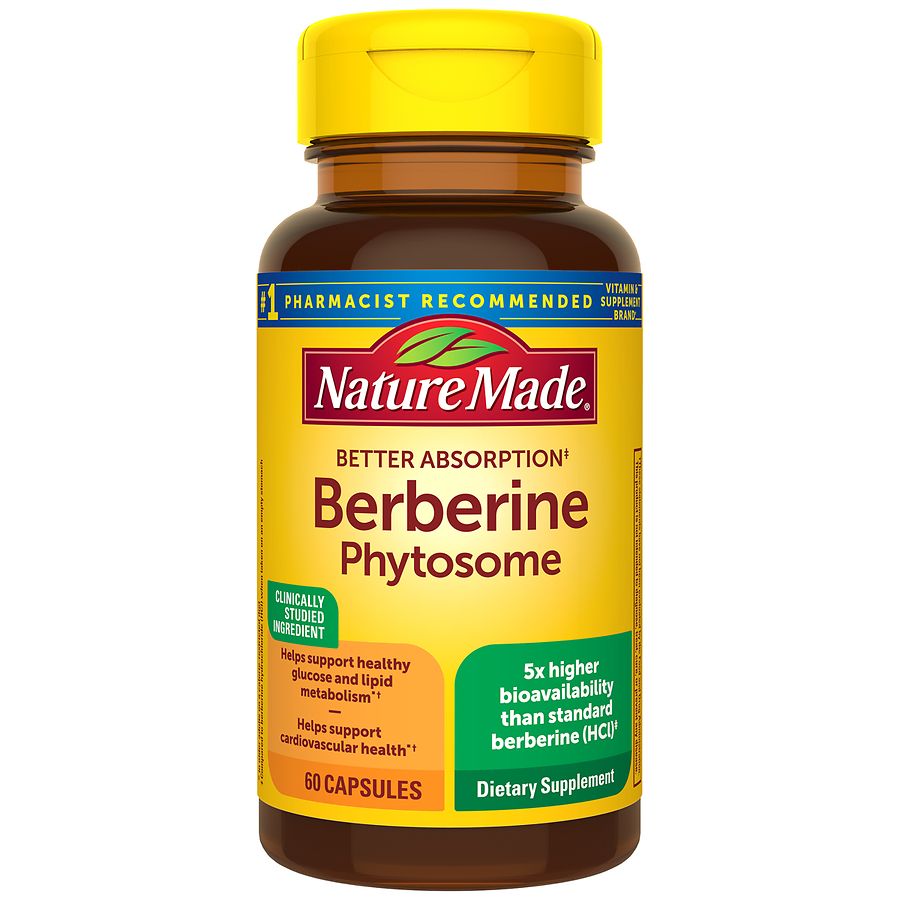
The Science Behind Berberine Phytosomes: Enhanced Bioavailability
Berberine, a bioactive compound found in various plants like barberry, goldenseal, and Oregon grape, has been a staple in traditional medicine for centuries. Its therapeutic potential is attributed to its ability to interact with various cellular targets, influencing pathways related to metabolism, inflammation, and gut health. However, a significant challenge with orally administered berberine is its relatively low bioavailability. This means that only a small fraction of the ingested compound actually reaches the bloodstream and exerts its intended effects. The development of the phytosome technology aims to address this fundamental limitation, significantly improving the absorption and utilization of berberine by the body.
Understanding Phytosome Technology
The phytosome is not a new molecule but rather a novel delivery system. It’s a patented technology that involves binding a botanical extract (in this case, berberine) to a phospholipid. Phospholipids are naturally occurring lipids that are essential components of cell membranes. The most commonly used phospholipid in phytosome technology is phosphatidylcholine, often derived from soy or sunflower lecithin.
The process of creating a phytosome involves a specific chemical reaction where the berberine molecule is chemically bonded to the phosphatidylcholine molecule. This creates a complex where the berberine is encapsulated within the lipid structure of the phospholipid. This intricate structure is crucial for its enhanced efficacy. Unlike simple mixtures or suspensions, the phospholipid becomes an integral part of the berberine molecule in a phytosome.
The Bioavailability Advantage
The primary driver for developing berberine phytosomes is the dramatic improvement in bioavailability. Traditional berberine supplements often suffer from poor absorption in the gastrointestinal tract due to their hydrophilic (water-loving) nature, which limits their passage across the lipophilic (fat-loving) cell membranes of the intestinal wall.
Phytosome technology fundamentally alters this dynamic. By binding berberine to phosphatidylcholine, the resulting complex becomes more lipophilic. This enhanced lipophilicity allows the berberine phytosome to more easily traverse the lipid bilayer of the intestinal cells. The phospholipid component acts as a “carrier,” facilitating the passage of berberine across the gut barrier and into the lymphatic system, which is a more efficient route for absorbing fat-soluble compounds.
Furthermore, once absorbed, the phospholipid can help protect the berberine from degradation in the liver, allowing more of the active compound to reach systemic circulation. This translates to a higher concentration of berberine available to exert its therapeutic effects at a cellular level, even at lower doses compared to conventional berberine formulations. Studies comparing the bioavailability of berberine phytosomes to standard berberine hydrochloride have consistently shown significantly higher absorption rates and blood levels for the phytosome form.
The Benefits of Enhanced Berberine Delivery
The improved bioavailability offered by berberine phytosomes unlocks a cascade of potential health benefits that may be more pronounced and reliably achieved compared to traditional berberine supplements. This enhanced delivery system ensures that more of the active compound reaches target tissues, leading to potentially greater therapeutic impact across various physiological systems.
Metabolic Health Support
One of the most well-researched areas for berberine is its impact on metabolic health. Berberine has demonstrated the ability to influence key metabolic pathways, and the phytosome formulation amplifies these effects.
- Blood Sugar Regulation: Berberine is known to activate AMP-activated protein kinase (AMPK), often referred to as the “master metabolic switch.” AMPK plays a crucial role in regulating energy balance, improving insulin sensitivity, and reducing glucose production in the liver. With enhanced absorption, berberine phytosomes can more effectively activate AMPK, leading to better blood sugar control. This can be particularly beneficial for individuals managing prediabetes and type 2 diabetes.
- Cholesterol Management: Berberine has also shown promise in supporting healthy cholesterol levels. It can help reduce LDL (“bad”) cholesterol and triglycerides while potentially increasing HDL (“good”) cholesterol. The increased presence of berberine in the bloodstream from phytosome delivery allows for a more substantial impact on lipid metabolism.
- Weight Management: By influencing metabolic pathways and improving insulin sensitivity, berberine can indirectly support weight management efforts. Enhanced absorption means that the body can better utilize berberine’s potential to influence appetite, fat storage, and energy expenditure.
Cardiovascular Health
Beyond metabolic regulation, berberine has shown positive effects on cardiovascular health, and phytosome technology enhances its capacity to deliver these benefits.
- Blood Pressure Support: Research suggests that berberine may contribute to maintaining healthy blood pressure levels. The improved cellular uptake facilitated by the phytosome structure allows berberine to exert its influence on vascular function more effectively.
- Inflammation Reduction: Chronic inflammation is a significant risk factor for cardiovascular disease. Berberine possesses anti-inflammatory properties, and the enhanced delivery of berberine phytosomes ensures that these beneficial compounds are available to modulate inflammatory pathways throughout the body, including within the cardiovascular system.
Gut Health and Microbiome Modulation

The intricate relationship between berberine and the gut microbiome is another area of significant interest. The phytosome formulation can optimize its interaction with the gastrointestinal tract.
- Microbiome Balance: Berberine has demonstrated antimicrobial properties that can help rebalance the gut microbiome by reducing the proliferation of certain harmful bacteria while supporting the growth of beneficial ones. The improved absorption means that berberine can reach the gut in sufficient concentrations to exert these modulating effects.
- Gut Barrier Integrity: Emerging research suggests that berberine may also play a role in supporting the integrity of the gut barrier, preventing “leaky gut” syndrome. The enhanced bioavailability of berberine phytosomes could contribute to stronger intestinal lining.
Comparing Berberine Phytosome to Other Formulations
The innovation behind berberine phytosomes is best understood by contrasting it with other common delivery methods. This comparison highlights the specific advantages and why this particular formulation is gaining traction in the supplement market.
Standard Berberine Supplements (e.g., Berberine HCl)
Berberine hydrochloride (HCl) is the most common form of berberine found in dietary supplements. While it provides the active compound, its primary limitation is poor oral bioavailability, as discussed earlier. This means that to achieve a similar therapeutic effect, a higher dose of berberine HCl might be required compared to a phytosome formulation. This can lead to potential gastrointestinal discomfort in some individuals due to the unabsorbed berberine.
Berberine with Piperine (BioPerine®)
Another common strategy to enhance the bioavailability of various compounds, including berberine, is to combine them with piperine. Piperine, an alkaloid found in black pepper, inhibits certain enzymes in the liver and intestines that are responsible for metabolizing and eliminating compounds from the body. By inhibiting these enzymes, piperine can increase the amount of berberine that enters the bloodstream.
While effective to a degree, this method works by slowing down the breakdown of berberine rather than directly improving its absorption across the intestinal wall. The phytosome technology, on the other hand, enhances absorption by altering the physiochemical properties of the berberine molecule itself, making it more readily accepted by the body’s absorption mechanisms.
Berberine Phytosome: The Pinnacle of Delivery
The phytosome technology represents a more sophisticated approach to bioavailability enhancement. It’s not about inhibiting breakdown or simply mixing ingredients; it’s about fundamentally altering how the berberine molecule interacts with the body’s natural absorption pathways. The result is a formulation that can potentially deliver a more potent and consistent therapeutic effect at lower doses, with a more favorable gastrointestinal experience for many individuals. This makes berberine phytosome a compelling option for those looking to maximize the benefits of berberine for their health.
Consumer Considerations and Future Outlook
As with any dietary supplement, understanding the nuances of berberine phytosomes empowers consumers to make informed choices. While the scientific backing for this delivery system is strong, a few key considerations are important for individuals exploring its use.
Dosage and Quality Assurance
Due to the enhanced bioavailability, the effective dose of berberine phytosome is generally lower than that of standard berberine formulations. Consumers should carefully follow the dosage recommendations provided by reputable manufacturers and healthcare professionals. It’s also crucial to prioritize products from brands that prioritize quality assurance, including third-party testing for purity and potency. Look for certifications that verify the integrity of the phytosome formulation itself.
Potential Side Effects and Interactions
While generally well-tolerated, berberine, in any form, can cause mild gastrointestinal side effects such as nausea, diarrhea, or constipation in some individuals, particularly at higher doses. The improved absorption of phytosomes might, in some cases, lead to a more rapid onset of action, which could be perceived differently by individuals.
It is also important for individuals to consult with their healthcare provider before starting any new supplement regimen, especially if they have underlying health conditions or are taking medications. Berberine can interact with certain medications, including those for diabetes, blood pressure, and blood thinning. A healthcare professional can assess individual needs and potential interactions, ensuring safe and effective use.

The Future of Nutraceutical Delivery
The success of phytosome technology with compounds like berberine is indicative of a broader trend in the nutraceutical industry: a shift towards sophisticated delivery systems. As our understanding of bioavailability and cellular uptake mechanisms deepens, we can expect to see more innovations in how natural compounds are formulated. These advancements are not merely about creating novel products but about making the inherent power of natural substances more accessible and effective for human health. Berberine phytosome stands as a prime example of this progress, offering a compelling solution for those seeking to leverage the extensive health benefits of berberine with greater confidence and efficacy. As research continues to unfold, the significance of optimized delivery systems like phytosomes will only grow, promising a future where natural therapeutics are more potent, targeted, and beneficial than ever before.
aViewFromTheCave is a participant in the Amazon Services LLC Associates Program, an affiliate advertising program designed to provide a means for sites to earn advertising fees by advertising and linking to Amazon.com. Amazon, the Amazon logo, AmazonSupply, and the AmazonSupply logo are trademarks of Amazon.com, Inc. or its affiliates. As an Amazon Associate we earn affiliate commissions from qualifying purchases.