
Artisan bread. The term evokes images of rustic loaves, crackling crusts, and a depth of flavor that mass-produced alternatives simply can’t replicate. But beyond the sensory appeal, what truly defines artisan bread, and what are the underlying economic and business considerations that make it a distinct and valuable category within the food industry? This exploration delves into the essence of artisan bread, focusing on the business principles, marketing strategies, and financial viability that underpin its creation and success.
The Essence of Artisan: Craftsmanship and Quality
At its core, artisan bread is defined by its meticulous production process, prioritizing quality ingredients and traditional techniques over speed and volume. This commitment to craft translates directly into a higher perceived value and a discerning customer base, forming the bedrock of its economic appeal.
Slow Fermentation and Natural Leavening
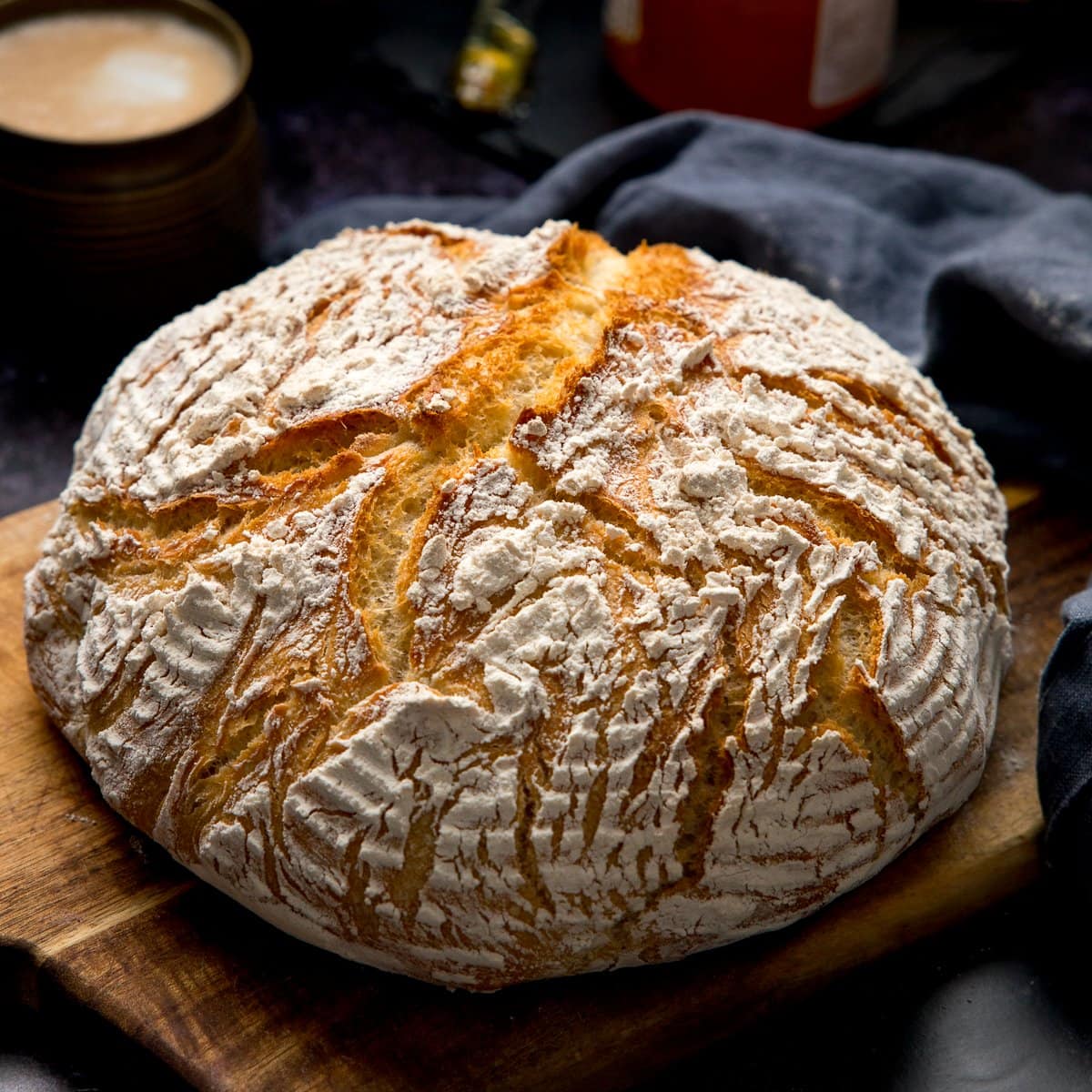
The soul of artisan bread lies in its fermentation process. Unlike commercially produced bread that often relies on fast-acting commercial yeast and dough conditioners, artisan bread champions slow fermentation. This extended period, often involving sourdough starters – a living culture of wild yeast and lactic acid bacteria – allows for the development of complex flavors and aromas. The natural acids produced during fermentation also contribute to a better texture, a chewier crumb, and a longer shelf life, all of which command a premium in the market.
This slow process is not just about taste; it’s a strategic business decision. Bakers who invest in time for fermentation are investing in a product that stands out. They are cultivating a unique selling proposition (USP) that differentiates them from the homogenous offerings of large-scale bakeries. The narrative of “slow food” and “traditional methods” is a powerful marketing tool, appealing to consumers increasingly seeking authenticity and a connection to their food sources.
High-Quality, Minimal Ingredients
Artisan bread typically eschews artificial additives, preservatives, and dough conditioners. The focus is on simple, high-quality ingredients: flour, water, salt, and a leavening agent (natural or commercial yeast, but used with care). The type of flour used is also a critical differentiator. Bakers often opt for stone-ground, heritage grains, or organic flours, which contribute unique flavor profiles and textures.
From a business perspective, sourcing these premium ingredients represents an upfront investment. However, it’s an investment that pays dividends through superior product quality, which justifies higher price points. Consumers are willing to pay more for bread they perceive as healthier, more flavorful, and produced with integrity. This ingredient-centric approach builds trust and brand loyalty, as customers learn to associate the artisan baker with a commitment to excellence.
Hand-Shaping and Traditional Baking Methods
The “artisan” in artisan bread also speaks to the human touch involved in its creation. Hand-shaping loaves, scoring the dough, and baking in hearth ovens or on baking stones are all hallmarks of this craft. These methods, while labor-intensive, are essential for achieving the characteristic crust, crumb structure, and oven spring that define a superior loaf.
For a small business, the investment in skilled labor and specialized equipment (like deck ovens) is significant. However, this investment is what allows them to create a product that cannot be easily automated or replicated by industrial processes. The visible evidence of this craftsmanship – the unique scoring patterns, the irregular crumb – becomes a visual cue to the consumer that they are purchasing something special, something made with care and expertise.
The Business of Artisan Bread: Market Positioning and Profitability
The principles of artisan bread production are intrinsically linked to a successful business model. Understanding the market, effectively communicating value, and managing costs are crucial for turning a passion for baking into a sustainable enterprise.
Differentiating in a Competitive Market
The bread market is undoubtedly competitive, with a wide spectrum of offerings from supermarket in-house bakeries to large industrial producers. Artisan bread carves out a niche by deliberately moving away from this mass-market competition. Its USP is not price but quality, craftsmanship, and a story.
Businesses that succeed in the artisan bread space understand the importance of brand identity. This goes beyond a logo; it encompasses the entire customer experience, from the aesthetic of the bakery to the knowledge and passion of the staff. Marketing efforts often focus on educating consumers about the benefits of artisan bread – the superior taste, texture, digestibility, and the absence of undesirable additives. This educational aspect builds a discerning customer base that values the product and is less susceptible to price wars.
Furthermore, the rise of farmers’ markets, specialty food stores, and direct-to-consumer sales channels has provided accessible platforms for artisan bakers to reach their target audience. These channels allow for direct interaction with customers, fostering community and building personal relationships that are difficult for larger corporations to replicate.
Pricing Strategies and Value Perception
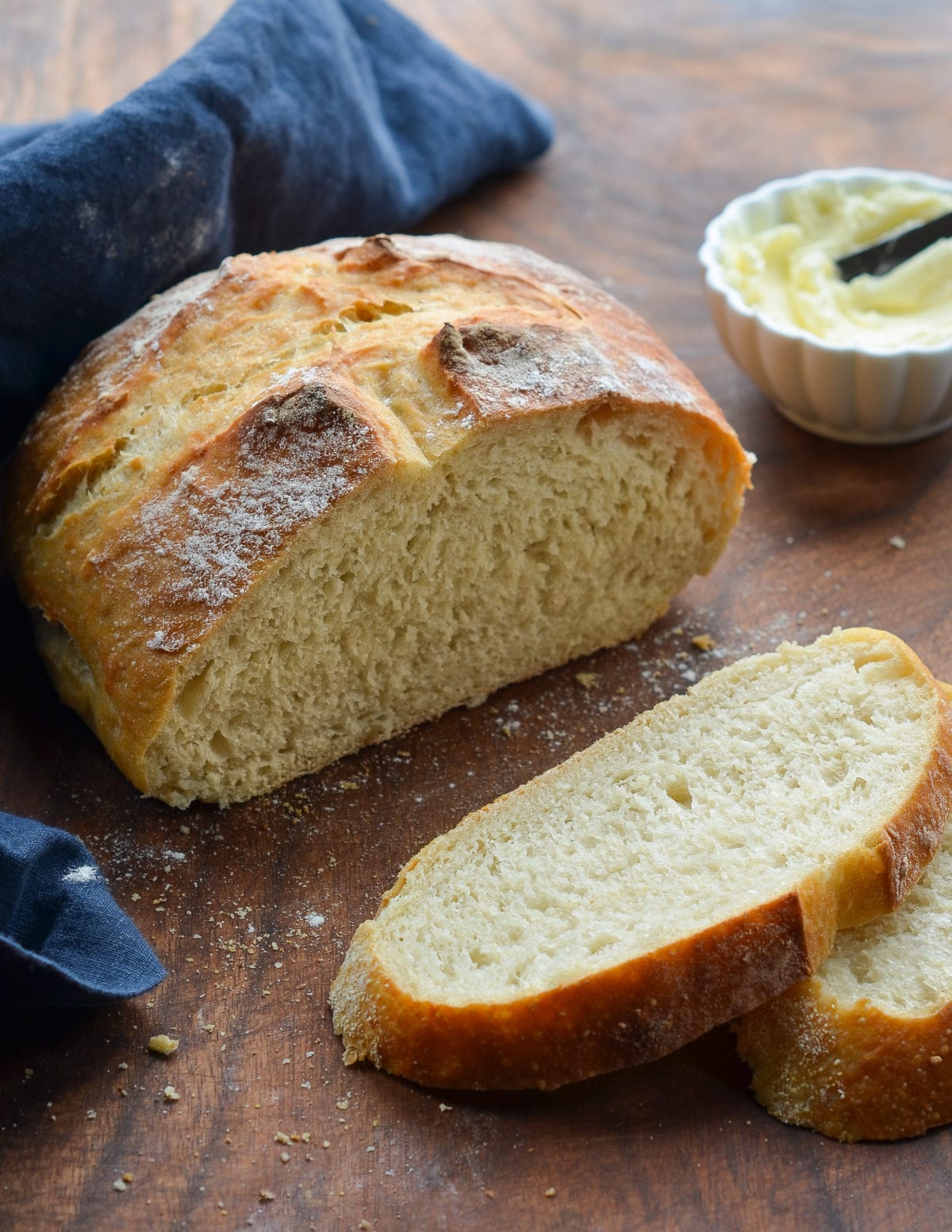
The pricing of artisan bread reflects its higher production costs and its inherent value. Unlike commodity bread, which is priced for mass consumption, artisan bread commands a premium. This premium is justified by the quality of ingredients, the time and skill invested, and the superior sensory experience.
Value perception is key here. Businesses need to effectively communicate why their bread is worth more. This can be achieved through:
- Storytelling: Sharing the origin of ingredients, the baker’s journey, and the traditional methods used.
- Transparency: Being open about the ingredients and the production process.
- Education: Informing customers about the health benefits and the nuanced flavors of their bread.
- Sensory Marketing: Offering samples, creating an inviting bakery atmosphere, and ensuring beautiful presentation.
By focusing on the intrinsic value and the unique attributes of their product, artisan bakers can move away from competing solely on price and establish a sustainable profit margin.
Supply Chain and Ingredient Sourcing: A Strategic Advantage
The sourcing of ingredients is a critical strategic decision for artisan bread businesses. While relying on basic ingredients, the quality and origin of these ingredients can become a significant competitive advantage.
- Local Sourcing: Partnering with local farmers for flour, grains, or even specialty ingredients like herbs or fruits can enhance the narrative of freshness, community support, and reduced environmental impact. This also creates opportunities for co-marketing and strengthening local economies.
- Heritage Grains: The revival and use of heritage grains offer distinct flavor profiles and textures not found in modern wheat varieties. This appeals to adventurous eaters and those seeking unique culinary experiences. The investment in these potentially more expensive grains is justified by the distinctiveness they bring to the product.
- Organic and Sustainable Practices: Aligning with organic and sustainable farming practices resonates with a growing segment of consumers who prioritize ethical and environmentally conscious food choices. This can be a powerful differentiator and a core tenet of the brand’s identity.
Managing the supply chain for these specialized ingredients requires careful planning and strong relationships with suppliers. It can also present challenges in terms of consistency and availability, which the artisan baker must skillfully navigate. However, these challenges often become part of the brand’s story, highlighting the dedication and effort involved in producing a truly exceptional product.
The Economic Ripple Effect of Artisan Bread
Beyond the immediate business of baking, artisan bread contributes to a broader economic ecosystem, fostering entrepreneurship, supporting local communities, and influencing consumer spending habits.
Entrepreneurship and Small Business Growth
The artisan bread movement is a powerful engine for entrepreneurship. It allows individuals with a passion for baking and a commitment to quality to establish independent businesses. These small businesses, in turn, create jobs, contribute to local tax bases, and inject vibrancy into their communities.
The relatively low barrier to entry in terms of initial equipment (compared to other food manufacturing sectors) makes it an attractive venture for aspiring bakers. However, success hinges on a solid business plan, effective marketing, and a deep understanding of both baking science and market dynamics. The financial models for artisan bakeries often involve a blend of direct sales (through their own shops or farmers’ markets) and wholesale accounts with restaurants, cafes, and specialty grocers.
Impact on Local Economies and Food Systems
Artisan bread businesses often have a significant positive impact on local economies. By prioritizing local sourcing for ingredients, they support regional agriculture and create a more resilient and sustainable food system. This “farm-to-loaf” connection not only enhances the quality and story of the bread but also keeps economic activity within the community.
Furthermore, artisan bakeries can act as hubs for community engagement. They can host workshops, cooking classes, and events, fostering a sense of connection and shared experience around food. This community-building aspect contributes to the social fabric of a town or city, making it a more desirable place to live and work.
Influencing Consumer Demand and Food Culture
The growing popularity of artisan bread has undeniably influenced consumer demand and food culture. Consumers are becoming more educated about the origins of their food, the importance of quality ingredients, and the value of craftsmanship. This shift in demand has put pressure on larger food manufacturers to adapt, sometimes leading to the introduction of “artisan-style” products by industrial players.
However, true artisan bread, with its inherent dedication to craft and quality, continues to hold a special place. It has raised the bar for what consumers expect from their baked goods and has encouraged a broader appreciation for the culinary arts. This influence extends to the restaurant industry, where a well-chosen artisan bread can elevate a dining experience and become a talking point for chefs and patrons alike.
In conclusion, “what is artisan bread” is a question that extends far beyond flour and water. It delves into a philosophy of production that prioritizes quality, time, and skill, translating into a distinct and economically viable product category. The success of artisan bread is a testament to the power of craftsmanship, strategic brand building, and a deep understanding of consumer desires in a food landscape increasingly seeking authenticity and value.
aViewFromTheCave is a participant in the Amazon Services LLC Associates Program, an affiliate advertising program designed to provide a means for sites to earn advertising fees by advertising and linking to Amazon.com. Amazon, the Amazon logo, AmazonSupply, and the AmazonSupply logo are trademarks of Amazon.com, Inc. or its affiliates. As an Amazon Associate we earn affiliate commissions from qualifying purchases.