
In the modern digital landscape, we encounter a specific ritual almost daily: downloading an app, installing a software update, or signing up for a new SaaS platform. Before the progress bar begins its journey, a window pops up—a wall of dense legal text followed by a checkbox and a button that says, “I Agree.” This is the End User License Agreement, or EULA.
For the vast majority of users, the EULA is a mere formality, a hurdle to be cleared as quickly as possible. However, from a technology and digital security perspective, the EULA is one of the most significant documents in the ecosystem. it defines the relationship between the human user and the software developer, setting the ground rules for how technology is consumed, protected, and restricted.
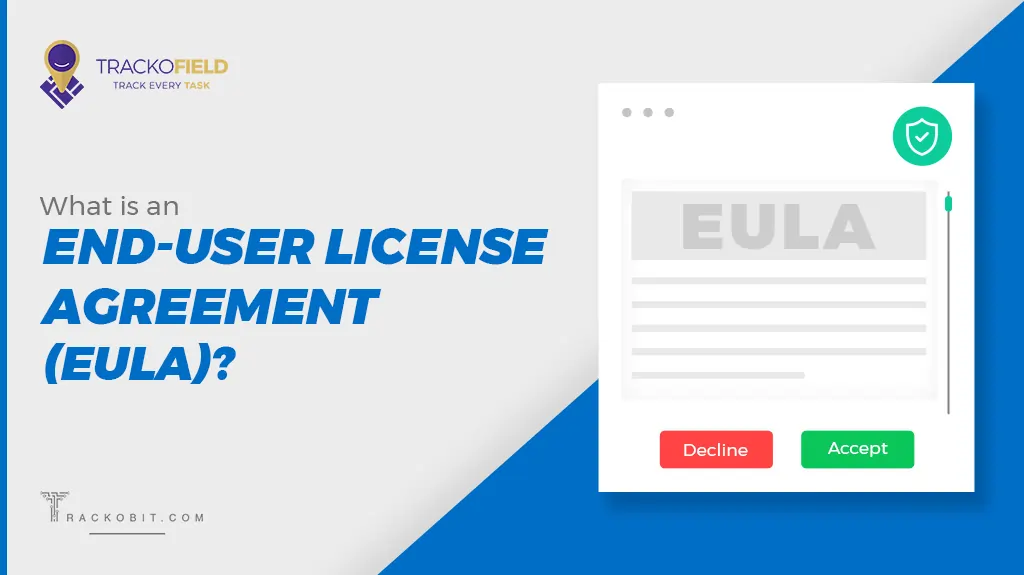
Understanding the Mechanics of the EULA
At its core, a EULA is a legally binding contract between a software developer (or publisher) and the person who installs or uses the software. Unlike a standard sales contract, which transfers ownership of a physical good, a EULA governs the “license” to use digital property.
Defining the Legal Bridge Between Developer and User
The EULA serves as the primary legal bridge in the tech world. When you “buy” software, you are rarely buying the code itself. Instead, you are purchasing a limited, non-exclusive right to use that code under specific conditions. The EULA outlines these conditions in detail. It establishes that the developer retains all intellectual property (IP) rights, while the user is granted a temporary or conditional pass to interact with the software. This distinction is vital for tech companies to prevent the unauthorized redistribution or modification of their proprietary tools.
Why Software Isn’t “Bought” but “Licensed”
The concept of “licensing” rather than “owning” is a fundamental pillar of the software industry. If a user truly owned a piece of software, they would theoretically have the right to take it apart, change the code, and resell it to others. By utilizing a EULA, tech companies protect their trade secrets and revenue streams. This model allows developers to push updates, revoke access if terms are violated, and control the environment in which their software operates. In the age of digital transformation, this licensing model has become the standard for everything from mobile games to enterprise-level AI frameworks.
Core Components and Clauses in Modern EULAs
To the untrained eye, a EULA looks like a mountain of jargon. However, most agreements are built upon a few critical pillars that dictate the user experience and the developer’s protections. Understanding these components is essential for anyone navigating the tech sector, whether as a consumer or a professional.
Scope of Use and Restrictions
The “Scope of Use” clause is perhaps the most important technical restriction. it defines where and how the software can be used. For instance, a license might be limited to a single device, or it might allow for installation across an entire corporate network.
Common restrictions include:
- No Reverse Engineering: A standard clause in tech EULAs that forbids users from deconstructing the software to see how it works.
- No Redistribution: Prohibits the user from sharing or selling their access to others.
- Non-Commercial Use: Often found in “free” versions of software, restricting the tool’s use to personal projects rather than for-profit business activities.
Privacy Policies and Data Harvesting
In the current era of “Big Data,” the intersection of the EULA and the Privacy Policy is a critical area of concern. Most modern software requires a constant connection to the cloud, allowing developers to collect telemetry data—information about how you use the app, your hardware specifications, and sometimes even your location or browsing habits. The EULA often grants the developer the right to collect this data, ostensibly to improve the product or provide security patches. For users concerned with digital security, this section requires the most scrutiny, as it dictates how much of your digital footprint is being traded for the convenience of the software.
Limitation of Liability and Warranty Disclaimers
One of the most tech-centric aspects of a EULA is the “As-Is” clause. Developers rarely guarantee that their software will be 100% bug-free or compatible with every piece of hardware. The “Limitation of Liability” clause protects the tech company from being sued if a software glitch results in data loss or system downtime. While this seems one-sided, it is a pragmatic reality of software development; the infinite combinations of hardware and third-party apps make it impossible for a developer to guarantee absolute stability.
The Evolution of the EULA in the Era of SaaS and AI
As technology evolves, so too does the nature of the EULA. We have transitioned from the physical era of “shrink-wrap” licenses to the invisible, automated era of cloud computing and artificial intelligence.
From Shrink-Wrap to Click-Wrap: The Shift in Consent
Historically, EULAs were known as “shrink-wrap” licenses—the terms were printed on the box, and by breaking the plastic seal, you agreed to them. As software moved to downloads, we entered the era of “click-wrap” (where you must click a button) and “browse-wrap” (where your continued use of a website implies consent). This shift has made it easier for tech companies to update terms on the fly. In a SaaS (Software as a Service) model, the EULA is often a living document, subject to change every time you log into the platform.
AI Tools and the New Frontier of Licensing
The rise of Generative AI has introduced entirely new complexities to EULAs. When you use an AI tool, who owns the output? Does the developer have the right to use your inputs to train future iterations of their model? Modern AI EULAs are currently the site of intense legal and technical debate. Many professional-grade AI tools now include specific clauses regarding “data residency” and “model training opt-outs” to satisfy the security requirements of enterprise clients who cannot afford to have their proprietary data leaked into a public AI’s knowledge base.
Digital Security and the Risks of the “I Agree” Button
From a cybersecurity perspective, the EULA is more than just a legal document—it is a map of the software’s permissions. Failure to understand what is in a EULA can lead to significant security vulnerabilities for both individuals and organizations.
Identifying “Grayware” and Bundled Software
One of the most common tech risks associated with EULAs is the inclusion of “bundled” software. Often, free utilities or “freeware” will include clauses in their EULA that allow for the installation of third-party toolbars, adware, or tracking software. This is often referred to as “grayware.” By clicking “I Agree” too quickly, a user might unintentionally give permission for a secondary program to monitor their web traffic or change their system settings, creating a back door for potential malware.
The Importance of Due Diligence for Enterprise Tech
For businesses, the EULA is a critical component of the “Tech Stack” evaluation. IT departments must review EULAs to ensure that a new tool doesn’t violate corporate security protocols. For example, if a EULA states that all data processed by the app is stored on a server in a jurisdiction with weak privacy laws, it could lead to a compliance failure. Reviewing these agreements is a fundamental part of “Vendor Risk Management,” ensuring that every piece of software added to the company’s ecosystem is secure and legally sound.
Best Practices for Developers and Consumers
As the digital world becomes more complex, the need for transparency and comprehension in licensing increases. Both those who write the code and those who use it have a role to play in making the EULA system work effectively.
Creating Transparent Agreements for Better UX
Forward-thinking tech companies are moving away from “legalese” toward more human-readable agreements. A good User Experience (UX) should extend to the legal documents. Some developers now provide a “TL;DR” (Too Long; Didn’t Read) summary alongside the full legal text, highlighting key points like data usage, cost, and cancellation policies. This transparency builds trust and reduces the likelihood of users feeling deceived by hidden clauses.

Key Red Flags for Users to Watch For
For the tech-savvy consumer, there are a few red flags to look for when skimming a EULA:
- Overreaching Data Permissions: If a simple calculator app asks for access to your contacts and microphone in the EULA, it is a major red flag.
- Perpetual Licenses for Personal Content: Watch out for clauses that give the developer a “perpetual, irrevocable license” to any content you create using their tool.
- Arbitration Clauses: Many tech EULAs force users to settle disputes through private arbitration rather than the court system, which can limit your legal recourse.
In conclusion, the End User License Agreement is far more than a nuisance—it is the foundational document of the software world. It defines the limits of our digital tools, the safety of our data, and the rights of the creators who build the technologies we rely on. By understanding the EULA, we become more than just passive users; we become informed participants in the digital economy.
aViewFromTheCave is a participant in the Amazon Services LLC Associates Program, an affiliate advertising program designed to provide a means for sites to earn advertising fees by advertising and linking to Amazon.com. Amazon, the Amazon logo, AmazonSupply, and the AmazonSupply logo are trademarks of Amazon.com, Inc. or its affiliates. As an Amazon Associate we earn affiliate commissions from qualifying purchases.