
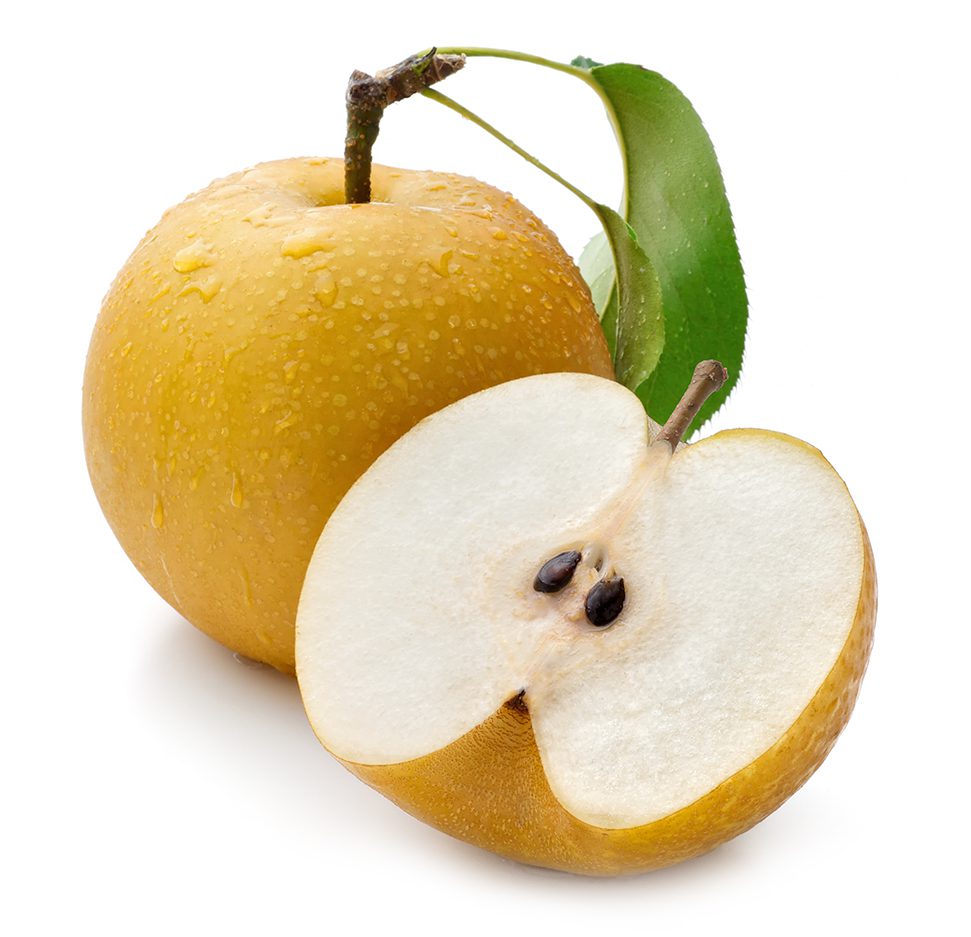
The unassuming Asian pear, with its crisp texture and subtle sweetness, is far more than just a delightful snack. For those navigating the financial landscape, understanding the economics behind its cultivation, distribution, and market positioning can offer valuable insights into agricultural markets, niche product development, and consumer demand trends. This exploration delves into the financial dimensions of the Asian pear, from its journey from orchard to table to its role in global trade and the potential for investment.
The Cultivation Landscape: From Orchard Investment to Yield Economics
The financial viability of any agricultural product begins with its cultivation. Asian pears, while sharing some similarities with their Western counterparts, possess unique requirements and market advantages that influence their economic trajectory. Understanding the initial investment and ongoing operational costs is crucial for assessing their profitability.
Initial Orchard Investment and Setup Costs
Establishing an Asian pear orchard requires significant upfront capital. This includes the purchase or lease of suitable land, which can vary dramatically in cost depending on location and agricultural zoning. Beyond land, the investment extends to:
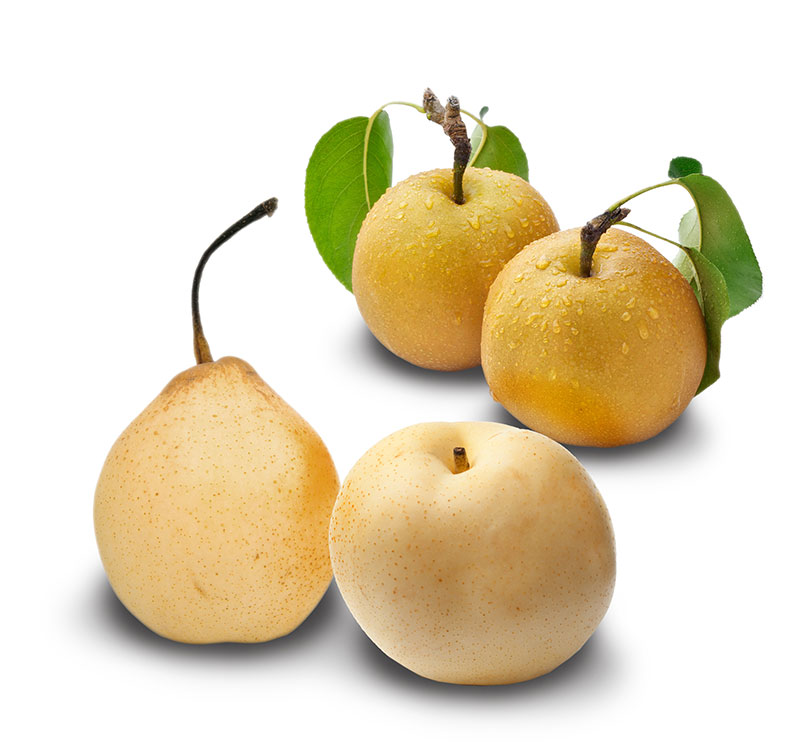
- Planting Material: High-quality Asian pear saplings are essential for ensuring good yield and disease resistance. The cost of these saplings can be substantial, especially for specialized or patented varieties known for their market appeal. Different varieties, such as Hosui, Nijisseiki (20th Century), and Shinseiki, will have varying price points based on their demand and propagation difficulty.
- Trellising and Support Systems: Many Asian pear varieties are trained on trellises to optimize sunlight exposure, facilitate harvesting, and manage growth. This requires materials like posts, wires, and ties, adding to the initial infrastructure costs.
- Irrigation Systems: Consistent and appropriate watering is critical for fruit development and quality. The installation of drip irrigation or micro-sprinkler systems represents a significant investment, but one that pays dividends in terms of water efficiency and crop yield.
- Pest and Disease Management Infrastructure: While specific to the agricultural sector, the upfront investment in equipment for spraying, monitoring, and potentially implementing integrated pest management (IPM) systems is a factor. This can include sprayers, weather stations, and sensors.
Operational Costs and Yield Management
Once the orchard is established, ongoing operational costs become the primary drivers of profitability. These include:
- Labor: This is often the most significant operational expense. Labor is required for pruning, thinning (crucial for fruit size and quality), pest and disease monitoring, harvesting, and packing. The availability and cost of skilled agricultural labor can significantly impact profit margins.
- Fertilizers and Soil Amendments: Maintaining soil health and providing essential nutrients for optimal fruit production requires ongoing application of fertilizers, compost, and other soil amendments. The cost of these inputs fluctuates based on market prices and availability.
- Pest and Disease Control: While infrastructure might be in place, the recurring cost of pesticides, fungicides, and other control agents (or the cost of organic alternatives) is a significant factor. Protecting the crop from common pests and diseases like scab and fire blight is essential to prevent substantial yield losses.
- Water Costs: For irrigated orchards, the cost of water, whether from wells, municipal sources, or surface water rights, can be a considerable ongoing expense.
- Harvesting and Post-Harvest Handling: The act of harvesting itself is labor-intensive. Following harvest, pears require careful handling to avoid bruising, followed by sorting, grading, and packing. Cooling and storage facilities also incur energy and maintenance costs.
- Marketing and Distribution: While not strictly cultivation, the costs associated with getting the product to market – transportation, wholesale fees, marketing efforts – are integral to the financial success of the enterprise.
The yield of an Asian pear orchard is directly tied to its economic performance. Factors influencing yield include variety, age of trees, orchard management practices, climate, and the effectiveness of pest and disease control. A well-managed orchard can produce anywhere from 20 to 40 tons per acre, but this can be significantly reduced by adverse conditions. Maximizing yield while maintaining high quality is the core objective for financial success in Asian pear cultivation.
Market Dynamics and Consumer Value: Pricing, Demand, and Profitability
The economic value of Asian pears is shaped by a complex interplay of market dynamics, consumer perception, and global demand. Understanding these factors is critical for growers, distributors, and anyone interested in the financial ecosystem surrounding this fruit.
Pricing Strategies and Profit Margins
The pricing of Asian pears is influenced by several key factors:
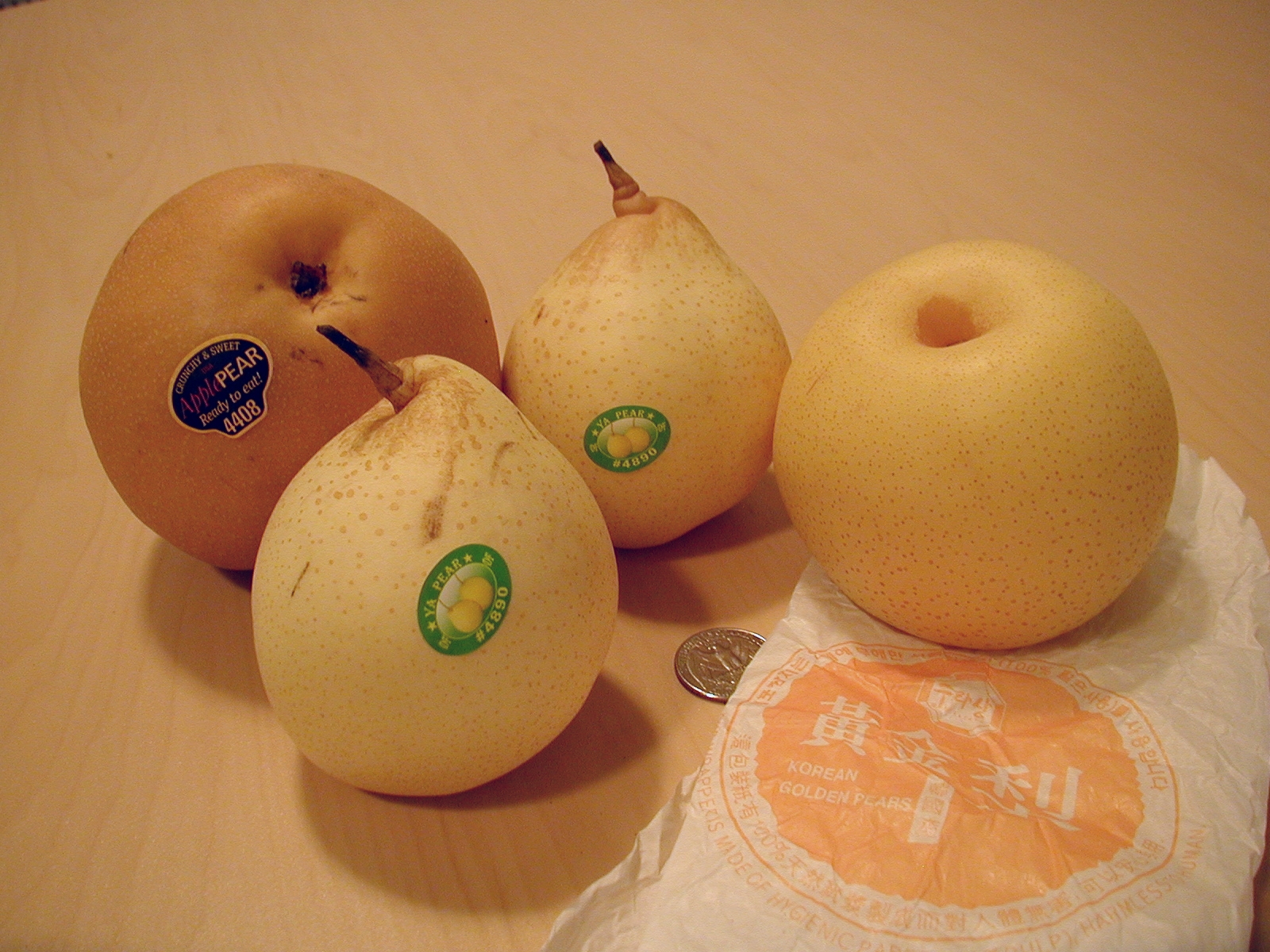
- Quality and Grade: Pears are typically graded based on size, color, shape, and the absence of blemishes or defects. Higher grades command premium prices. Consumers are often willing to pay more for perfectly formed, blemish-free fruit.
- Variety: Certain varieties of Asian pears, due to their unique flavor profiles, textures, or shelf life, may fetch higher prices. For example, varieties that are particularly sweet or have a crisp, juicy texture might be marketed as specialty items.
- Seasonality and Supply: Like most agricultural products, Asian pear prices fluctuate with supply. During peak harvest season, prices may be lower due to abundance. Conversely, out-of-season availability, often achieved through cold storage or imports, can command higher prices.
- Geographic Market: Prices can differ significantly between wholesale markets, farmers’ markets, supermarkets, and specialty stores. Urban centers with higher disposable incomes may see premium pricing compared to rural areas.
- Competition: The presence of other fruits, both domestic and imported, influences pricing. If there is an oversupply of competing fruits, Asian pear prices may be pressured downwards.
Profit margins for Asian pear growers can vary considerably. After accounting for all cultivation and operational costs, the net profit per acre is the ultimate measure of success. Growers who can consistently produce high-quality fruit, manage their costs effectively, and access lucrative markets are best positioned for financial gain.
Consumer Demand and Market Niche
Asian pears have carved out a distinct niche in the global fruit market. While not as ubiquitous as apples or bananas, they enjoy consistent demand, particularly among consumers seeking a refreshing and less acidic alternative.
- Health-Conscious Consumers: Asian pears are naturally low in calories and fat, and a good source of fiber and vitamin C. This appeals to the growing segment of consumers prioritizing healthy eating.
- Culinary Exploration: As global cuisines become more integrated, consumers are increasingly open to trying new fruits and incorporating them into their diets. Asian pears offer a unique texture and flavor that can elevate salads, desserts, and even savory dishes.
- Cultural Significance: In many Asian cultures, pears are traditionally associated with longevity and good health, contributing to their sustained demand in communities with Asian heritage.
- Premium Product Perception: Due to their often higher price point and distinct characteristics, Asian pears are sometimes perceived as a premium fruit, making them a desirable item for consumers looking for something a little special.
Understanding these demand drivers allows growers and marketers to tailor their strategies. Targeting specific consumer segments, emphasizing the unique benefits of Asian pears, and ensuring consistent availability of high-quality fruit are key to solidifying their market position and maximizing sales revenue.
Global Trade and Investment Opportunities in the Asian Pear Sector
The economic story of the Asian pear extends beyond individual farms and local markets; it is deeply intertwined with international trade and offers potential avenues for investment. The global demand and production landscape present both opportunities and challenges for financial stakeholders.
International Trade Flows and Tariffs
The Asian pear is cultivated in various countries, with significant production in China, Japan, South Korea, and the United States. This global production base leads to complex international trade flows.
- Export Markets: Countries with high domestic production often export surplus to regions with lower production or higher demand. This can include exporting to countries that do not grow Asian pears or have limited growing seasons.
- Import Markets: Developed economies with a strong consumer base for exotic and high-quality produce are significant import markets. This includes markets in North America, Europe, and other parts of Asia.
- Trade Agreements and Tariffs: International trade in agricultural products is subject to various trade agreements, quotas, and tariffs. These can significantly impact the landed cost of imported Asian pears, influencing their competitiveness in domestic markets. Tariffs imposed by importing countries can reduce demand for foreign-grown pears, while import tariffs in producing countries can affect the cost of inputs or the profitability of exports.
- Logistics and Cold Chain Management: The successful international trade of perishable goods like Asian pears relies heavily on efficient logistics and robust cold chain management. Maintaining the quality of pears during long-distance transportation requires sophisticated refrigeration and handling protocols, which add to the overall cost of imported produce.
Investment Potential in Cultivation and Value Chains
For investors looking to diversify their portfolios into the agricultural sector, the Asian pear market presents several potential avenues:
- Direct Orchard Investment: Investing in the establishment or expansion of Asian pear orchards can be a long-term, capital-intensive endeavor. This typically requires significant expertise in horticulture, agricultural management, and market access. Returns are tied to yield, quality, and market prices.
- Agri-Business Ventures: Investing in companies involved in the post-harvest handling, packing, and distribution of Asian pears can offer a more liquid investment. These businesses focus on optimizing the supply chain and ensuring that the fruit reaches consumers in optimal condition.
- Technological Innovations: Investment opportunities may also arise in companies developing innovative technologies for Asian pear cultivation, such as advanced pest and disease detection systems, precision irrigation, or improved post-harvest preservation methods.
- Niche Market Development: Investing in businesses that focus on developing new, high-demand varieties of Asian pears or creating unique marketing campaigns that target specific consumer segments can yield significant returns.
The economic success of the Asian pear sector is a testament to its resilience and its ability to meet specific consumer needs. By understanding the intricacies of its cultivation, market dynamics, and global trade, one can gain a comprehensive appreciation for its financial significance in the broader agricultural economy. Whether from a consumer’s perspective enjoying its crisp sweetness or from a financial perspective assessing its market value, the Asian pear stands as a compelling example of a successful niche agricultural product.
aViewFromTheCave is a participant in the Amazon Services LLC Associates Program, an affiliate advertising program designed to provide a means for sites to earn advertising fees by advertising and linking to Amazon.com. Amazon, the Amazon logo, AmazonSupply, and the AmazonSupply logo are trademarks of Amazon.com, Inc. or its affiliates. As an Amazon Associate we earn affiliate commissions from qualifying purchases.