
Architects are the visionaries and meticulous planners behind the built environment. Far more than mere designers of aesthetically pleasing structures, they are problem-solvers, navigators of complex regulations, and ultimately, the orchestrators of spaces that shape our daily lives. The role of an architect extends across a broad spectrum of responsibilities, from the initial conceptualization of a project to its final completion. This encompasses understanding client needs, translating those needs into tangible designs, ensuring structural integrity and safety, and managing the intricate process of construction.
The Architect’s Role in Project Conception and Design
The journey of an architectural project begins long before the first brick is laid. It’s a phase characterized by deep engagement with the client, thorough site analysis, and the genesis of creative ideas. Architects must possess a keen ability to listen and interpret, understanding not just the explicit desires of a client but also the implicit needs and aspirations tied to a particular space.
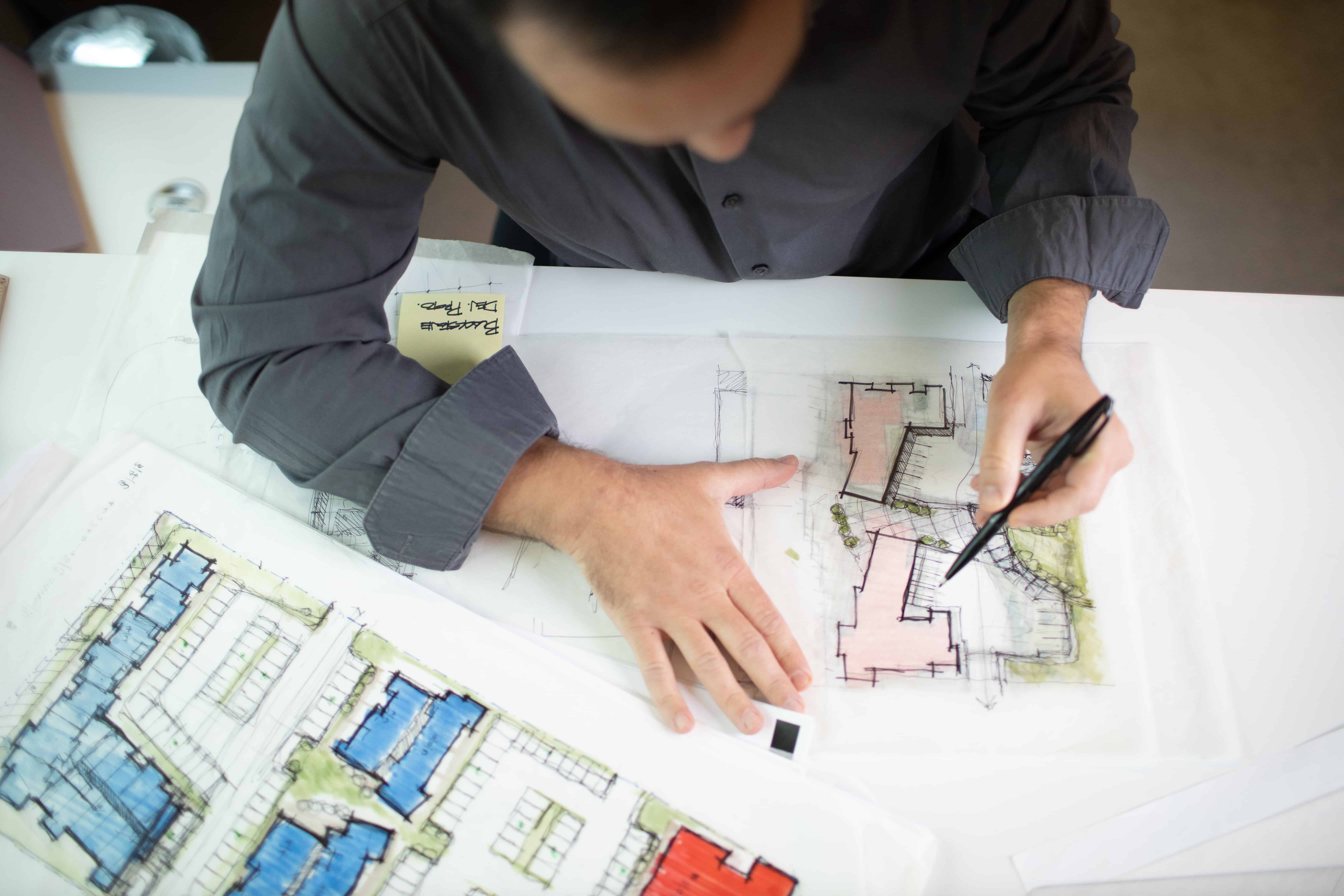
Understanding Client Needs and Project Briefs
At the core of every architectural endeavor is a client with a vision. This could range from a homeowner seeking to build their dream residence to a corporation requiring a new office complex, or a municipality envisioning a public park. The architect’s initial responsibility is to conduct a comprehensive consultation, delving into the client’s programmatic requirements. This involves understanding the intended use of the space, the number of users, the desired atmosphere, functional adjacencies, circulation patterns, and budget constraints.
This information is then synthesized into a detailed project brief, which serves as the foundational document for the entire design process. It acts as a roadmap, ensuring that all subsequent design decisions align with the client’s objectives. Architects must be adept at asking the right questions, probing for clarity, and identifying potential conflicts or unstated assumptions. They also consider the context in which the building will exist, including its historical, social, and environmental setting.
Site Analysis and Feasibility Studies
Equally crucial is the in-depth analysis of the proposed building site. Architects meticulously examine factors such as topography, soil conditions, climate, solar orientation, existing infrastructure (utilities, access roads), and surrounding urban or natural landscape. This analysis informs design decisions, helping to optimize building placement, maximize natural light and ventilation, mitigate environmental impact, and ensure structural stability.
Feasibility studies are often conducted during this early stage. These assessments determine if the project is viable from an economic, technical, and regulatory standpoint. Architects work with consultants such as structural engineers, mechanical engineers, and surveyors to gather the necessary data. They evaluate zoning laws, building codes, environmental regulations, and other jurisdictional requirements that will impact the design. This proactive approach helps to identify potential roadblocks early on, saving time and resources down the line.
Conceptualization and Schematic Design
With a solid understanding of the client’s needs and the site’s characteristics, the architect embarks on the creative process of conceptualization. This is where ideas begin to take shape, often through a series of sketches, diagrams, and preliminary models. The goal is to explore various design possibilities, balancing functionality with aesthetic appeal. Architects draw upon their knowledge of architectural history, theory, and contemporary design trends to generate innovative solutions.
Schematic design is the first formal phase of translating these concepts into a cohesive architectural form. It involves developing basic floor plans, elevations, and sections that illustrate the general layout, massing, and spatial relationships of the proposed building. This phase is highly iterative, involving close collaboration with the client to refine the design and ensure it meets their evolving understanding of the project. Decisions made at this stage, such as the overall shape and orientation of the building, have a profound impact on its performance, cost, and visual identity.
Translating Vision into Detailed Plans and Specifications
Once the conceptual design is approved, the architect moves into the more detailed phases of design development and construction documentation. This is where the preliminary ideas are fleshed out with precision, transforming abstract concepts into a comprehensive set of instructions for builders.
Design Development and Material Selection
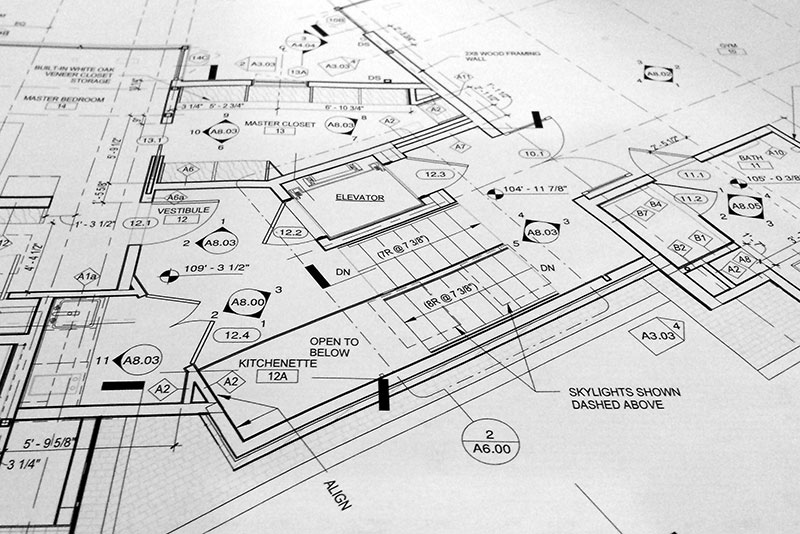
During the design development phase, the architect refines the schematic design, adding greater detail to the building’s systems, components, and finishes. This involves close collaboration with engineering consultants to integrate structural, mechanical, electrical, and plumbing systems seamlessly into the architectural design. Decisions are made regarding window types, door hardware, interior finishes, insulation, and the overall building envelope.
Material selection is a critical aspect of this phase. Architects consider a wide range of factors, including aesthetics, durability, cost, sustainability, and local availability. They must understand the properties of various materials – from concrete and steel to timber and glass – and how they will perform over time. The choice of materials significantly impacts the building’s appearance, its energy efficiency, and its environmental footprint. Architects often champion the use of sustainable materials and construction methods, contributing to greener building practices.
Construction Documentation and Technical Drawings
The culmination of the design process is the creation of construction documents. These are a highly detailed set of drawings and specifications that provide all the necessary information for a contractor to build the project accurately and safely. This includes:
- Architectural Drawings: Detailed floor plans, elevations, sections, and details illustrating the precise dimensions, materials, and construction methods for all architectural elements.
- Structural Drawings: Prepared by structural engineers, these drawings show the building’s frame, foundations, and load-bearing elements.
- Mechanical, Electrical, and Plumbing (MEP) Drawings: Developed by MEP engineers, these illustrate the layout of HVAC systems, electrical wiring, plumbing, and other building services.
- Specifications: Written documents that describe the quality of materials, workmanship, and performance standards required for the project.
These documents are meticulously prepared, often using advanced Computer-Aided Design (CAD) and Building Information Modeling (BIM) software. They serve as the legal basis for the construction contract, ensuring that the final built product conforms to the architect’s design intent. Accuracy and clarity in these documents are paramount to avoid costly errors and delays during construction.
Overseeing Construction and Ensuring Project Success
The architect’s involvement does not cease once the drawings are complete. A significant part of their responsibility lies in overseeing the construction process to ensure that the project is built according to the approved plans and specifications, and to the highest standards of quality and safety.
Bidding and Contractor Selection
Before construction begins, the architect typically assists the client in the bidding process. This involves preparing bid packages that include the construction documents and specifications, and then soliciting bids from qualified contractors. The architect helps the client evaluate these bids, assess the qualifications of potential contractors, and select the most suitable team for the project. This selection process is crucial for ensuring that the project is entrusted to experienced and reputable professionals.
Construction Administration and Site Visits
During construction, the architect acts as the client’s representative on-site, a role often referred to as construction administration. This involves making regular site visits to monitor progress, observe the construction process, and ensure that the work is being performed in accordance with the contract documents. Architects review shop drawings and submittals from contractors, which are detailed plans for specific building components. They also respond to requests for information (RFIs) from the contractor, clarifying any ambiguities in the drawings or specifications.
The architect plays a vital role in problem-solving during construction. Unforeseen conditions may arise, requiring the architect to collaborate with engineers and contractors to find practical and effective solutions without compromising the design integrity or safety of the building. They also manage change orders, which are formal amendments to the contract that document any modifications to the original scope of work.

Project Closeout and Post-Occupancy Evaluation
As construction nears completion, the architect oversees the punch list process, where they identify any deficiencies or incomplete work that needs to be rectified before final acceptance. They review the contractor’s closeout documentation, including as-built drawings (which reflect the final constructed conditions), operation and maintenance manuals, and warranty information.
In some cases, architects may also be involved in post-occupancy evaluations. This involves assessing how the building is performing after it has been occupied and used, gathering feedback from the occupants, and identifying any lessons learned that can be applied to future projects. This continuous feedback loop is essential for the ongoing improvement of architectural practice and the development of more effective and user-centered buildings. The architect’s role is thus a holistic one, encompassing creative vision, technical expertise, and rigorous project management from inception to realization and beyond.
aViewFromTheCave is a participant in the Amazon Services LLC Associates Program, an affiliate advertising program designed to provide a means for sites to earn advertising fees by advertising and linking to Amazon.com. Amazon, the Amazon logo, AmazonSupply, and the AmazonSupply logo are trademarks of Amazon.com, Inc. or its affiliates. As an Amazon Associate we earn affiliate commissions from qualifying purchases.