
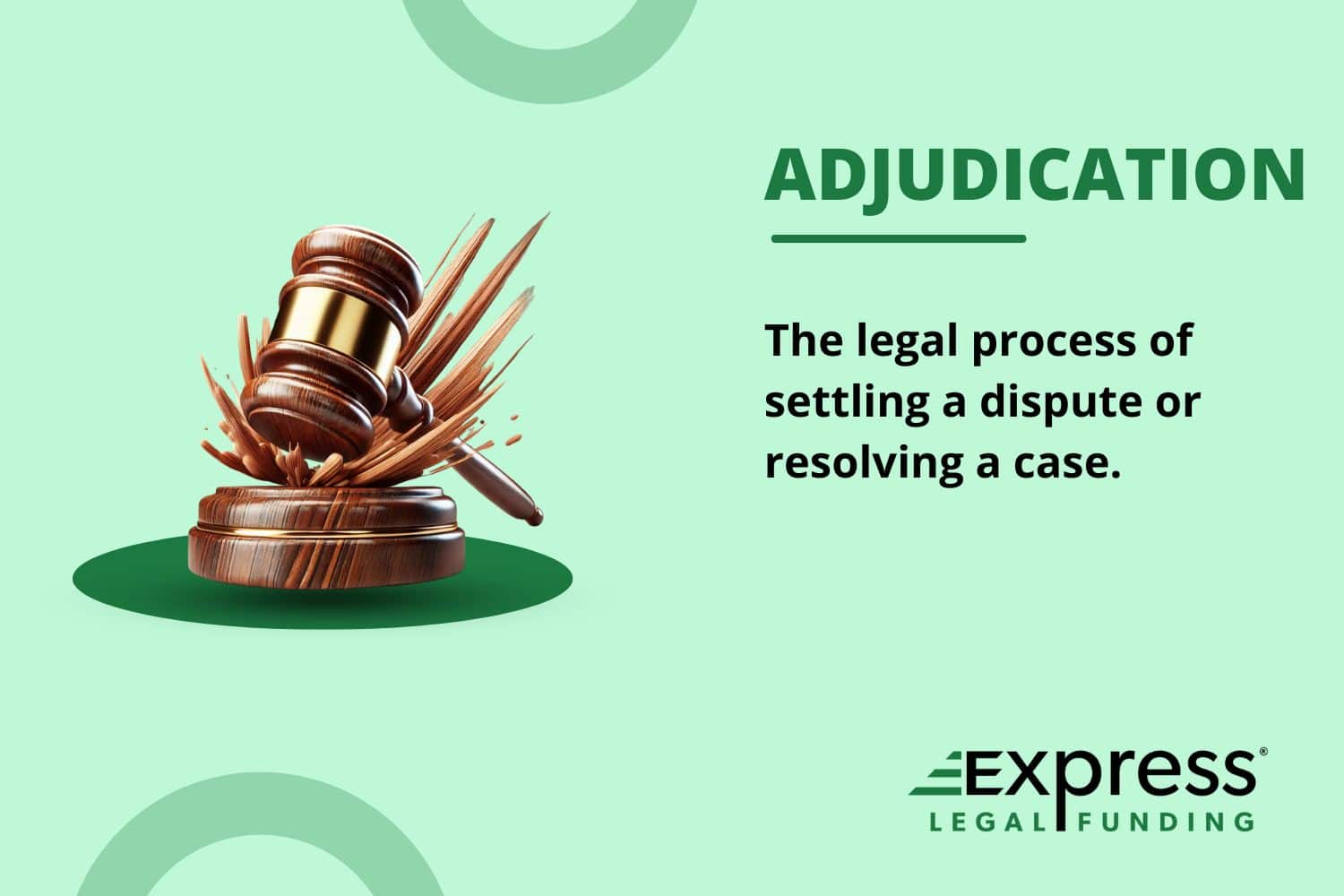
Adjudication, in its purest form, is the formal process of making a judgment or decision. While the term itself spans various legal and administrative contexts, within the dynamic and ever-evolving tech sector, adjudication takes on a unique and critical role. It’s the unseen engine that powers innovation, governs disputes, and ensures the integrity of the digital landscape. From the internal processes that greenlight new product features to the complex legal battles over intellectual property, understanding adjudication is key to grasping how the tech industry functions, adapts, and thrives. This article will explore the multifaceted nature of adjudication within the tech realm, dissecting its core functions, its impact on development and innovation, and the increasingly sophisticated tools and methodologies employed to facilitate it.

The Foundation of Technological Progress: Adjudication in Intellectual Property
At the heart of the tech industry lies a relentless pursuit of innovation, fueled by groundbreaking ideas and proprietary technologies. Protecting these innovations is paramount, and adjudication plays a pivotal role in this defense. Intellectual Property (IP) rights, including patents, copyrights, and trademarks, are the bedrock upon which many tech companies build their empires. When these rights are challenged or infringed upon, adjudication becomes the formal mechanism for resolution.
Patents: Securing the Seeds of Innovation
The patent system is a cornerstone of technological advancement. A patent grants inventors exclusive rights to their inventions for a limited period, encouraging further research and development by providing a period of market exclusivity. The process of obtaining a patent itself is an adjudicative one, involving rigorous examination by patent offices.
Patent Application and Examination
Prospective inventors submit patent applications detailing their inventions. This application then undergoes a thorough examination by patent examiners who assess its novelty, non-obviousness, and utility. This is a form of administrative adjudication, where the examiner acts as the adjudicator, weighing the evidence presented against existing knowledge. The outcome can range from outright rejection to the granting of a patent, often after several rounds of back-and-forth arguments and amendments, a process that itself embodies iterative adjudication.
Patent Infringement Disputes
When a company believes its patent has been infringed upon by another, it can initiate legal proceedings. These cases are highly complex, often involving intricate technical evidence and expert testimony. Courts, acting as adjudicators, must determine whether the alleged infringing product or process falls within the scope of the patent claims. The stakes are incredibly high, as a finding of infringement can lead to significant financial penalties, injunctions halting the sale of infringing products, and substantial damage to a company’s reputation and market position. The rise of software patents and the challenges of defining software as an “invention” further complicate this adjudicative landscape, leading to landmark court decisions that shape the future of software development.
Copyright and Trademark: Protecting Digital Assets and Brand Identity
Beyond patents, copyright and trademark law are crucial for protecting the tangible and intangible assets of tech companies.
Copyright in Software and Digital Content
Software code, digital art, music, and written content are all protected by copyright. Adjudication in this area often involves determining whether unauthorized copying or distribution has occurred. For instance, disputes over open-source software licensing compliance, or the unauthorized use of proprietary algorithms, often find their way to adjudication. The digital nature of these assets can make proving infringement more challenging, requiring sophisticated digital forensics and analytical adjudication.
Trademark Protection in the Digital Age
Trademarks protect brand names, logos, and other identifiers that distinguish a company’s products and services. In the tech world, where brand recognition is paramount, trademark disputes are common. This can involve issues like domain name cybersquatting, the unauthorized use of logos in advertising, or the creation of confusingly similar brand names. Adjudication here focuses on whether consumers are likely to be confused about the source of goods or services, safeguarding brand integrity and consumer trust.
Internal Adjudication: Navigating the Labyrinth of Product Development and Governance
While external legal disputes capture significant attention, a vast amount of adjudication occurs internally within tech companies. These processes, though less public, are vital for the smooth operation, ethical development, and strategic direction of the organization. This internal adjudication shapes everything from product roadmaps to employee conduct.
Product Feature Prioritization and Approval
Tech companies constantly evaluate new ideas, features, and product iterations. A formal or informal adjudicative process is typically in place to decide which ideas move forward. This often involves:
Cross-Functional Review Boards
Teams of product managers, engineers, designers, legal counsel, and marketing specialists convene to assess proposed features. They adjudicate based on factors like market potential, technical feasibility, resource availability, strategic alignment, and potential legal or ethical risks. This deliberative process ensures that resources are allocated effectively and that products align with the company’s overall vision.
Beta Testing and User Feedback Loops
The feedback gathered from beta testing and ongoing user engagement acts as a form of ongoing adjudication. It provides real-world data that can lead to the modification or even cancellation of features that don’t meet user expectations or introduce unforeseen problems. This iterative adjudication ensures that products evolve based on practical utility rather than solely on internal conjecture.
Ethical AI Development and Deployment
As Artificial Intelligence (AI) becomes increasingly integrated into tech products and services, ethical considerations surrounding AI development and deployment demand rigorous adjudication. This is a rapidly evolving area with significant societal implications.
AI Ethics Review Boards
Many leading tech companies are establishing AI ethics review boards. These bodies adjudicate the potential ethical risks associated with new AI models and applications. They scrutinize issues such as algorithmic bias, data privacy, transparency, and the potential for misuse. The recommendations and decisions of these boards are critical in ensuring that AI is developed and deployed responsibly.
Algorithmic Transparency and Accountability
When AI systems make decisions that impact individuals – such as loan approvals, hiring recommendations, or content moderation – the need for transparency and accountability is paramount. Adjudication in this domain involves determining how these algorithms function, whether they are fair, and who is responsible when errors or biases occur. This can involve internal audits, external regulatory oversight, and potentially, legal challenges to algorithmic decision-making.
Cybersecurity Incident Response and Forensics
The constant threat of cyberattacks necessitates robust adjudication processes for responding to and investigating security incidents.
Incident Triage and Analysis
When a security breach is detected, an immediate adjudicative process is triggered to triage the incident. This involves analyzing the nature and scope of the breach, assessing the potential damage, and determining the appropriate response. Security teams act as adjudicators, making critical decisions under pressure to contain the threat and minimize its impact.
Post-Incident Forensics and Remediation
Following an incident, a forensic investigation is conducted to understand how the breach occurred, identify vulnerabilities, and prevent future occurrences. This is a meticulous adjudicative process that involves gathering and analyzing digital evidence. The findings inform the remediation efforts and future security investments, effectively adjudicating the effectiveness of existing security measures and guiding improvements.
The Evolution of Adjudication in Tech: Tools and Methodologies
The sheer volume and complexity of decisions and disputes within the tech industry have spurred the development of specialized tools and methodologies to aid and even automate aspects of adjudication. This technological evolution is transforming how judgments are made and disputes are resolved.
AI and Machine Learning in Adjudication
Artificial Intelligence (AI) and Machine Learning (ML) are increasingly being leveraged to support adjudicative processes.
Predictive Analytics for Legal Outcomes
AI algorithms can analyze vast datasets of past legal cases and IP disputes to predict potential outcomes. This can inform strategic decision-making for companies involved in litigation, helping them assess the likelihood of success and allocate resources accordingly. This is a form of data-driven adjudication, where patterns and probabilities are weighed.
Automated Contract Review and Compliance
AI-powered tools can rapidly review and analyze complex legal contracts, identifying potential risks, compliance issues, and deviations from standard clauses. This significantly speeds up the process of due diligence and contract negotiation, acting as an automated adjudicator of contractual terms.
Content Moderation and Dispute Resolution Platforms
Social media platforms and online marketplaces employ AI to adjudicate vast amounts of user-generated content, identifying and removing violations of community guidelines. While often imperfect and subject to human oversight, these systems represent a scaled form of adjudication in the digital public square. Similarly, some platforms are experimenting with AI-assisted dispute resolution for smaller claims between users.
Blockchain and Smart Contracts: Decentralized Adjudication
Blockchain technology and smart contracts offer a glimpse into future models of decentralized adjudication, particularly for automated agreements.
Smart Contracts as Self-Executing Adjudicators
Smart contracts are self-executing contracts with the terms of the agreement directly written into code. When predefined conditions are met, the contract automatically executes its terms. This effectively creates a decentralized, automated adjudicator that enforces agreements without the need for intermediaries. For instance, in supply chain management, a smart contract could automatically release payment upon verified delivery, adjudicating the fulfillment of the delivery condition.
Decentralized Autonomous Organizations (DAOs) and Governance
DAOs are organizations governed by code and community consensus, often facilitated by blockchain technology. Decision-making within DAOs, including how to allocate funds or resolve internal disputes, is a form of decentralized adjudication, where token holders vote on proposals, with the outcome being automatically enforced by the smart contract governing the DAO.
The Future of Adjudication in the Tech Landscape
The role of adjudication in the tech sector is not static; it is continually evolving in response to new technological advancements, shifting legal frameworks, and increasing societal expectations. As the industry pushes the boundaries of what’s possible, the methods and principles of making formal decisions and resolving disputes will become even more critical.
The Increasing Need for Algorithmic Accountability and Transparency
As AI becomes more sophisticated and its impact more profound, the demand for transparency and accountability in algorithmic decision-making will only grow. Future adjudicative processes will need to grapple with questions of how to audit complex algorithms, how to explain their decisions to affected individuals, and how to assign responsibility when they err. This will likely involve new legal precedents, regulatory frameworks, and technological solutions designed to make AI more understandable and controllable.
The Interplay Between Human and Machine Adjudication
The future of adjudication in tech will likely involve a complex interplay between human judgment and machine capabilities. AI will excel at processing vast amounts of data and identifying patterns, while human adjudicators will remain essential for nuanced interpretation, ethical reasoning, and making decisions in novel or ambiguous situations. The challenge will be in finding the optimal balance, ensuring that technology augments rather than replaces crucial human oversight.

Global Harmonization and Cross-Border Adjudication
The global nature of the tech industry presents significant challenges for adjudication, particularly concerning intellectual property and data privacy. As companies operate across different jurisdictions with varying legal systems, there will be an increasing need for mechanisms that facilitate cross-border dispute resolution and the harmonization of legal principles. International treaties, standardized digital evidence protocols, and collaborative adjudicative frameworks will become more important.
In conclusion, adjudication within the tech sector is a multifaceted and indispensable process. It underpins innovation through IP protection, guides product development through internal review, ensures ethical practices in AI, and fortifies digital security. As technology continues its relentless march forward, the methods and tools of adjudication will undoubtedly evolve, becoming more sophisticated, data-driven, and potentially, more decentralized. Understanding this dynamic process is crucial for anyone seeking to navigate or contribute to the ever-changing landscape of technology.
aViewFromTheCave is a participant in the Amazon Services LLC Associates Program, an affiliate advertising program designed to provide a means for sites to earn advertising fees by advertising and linking to Amazon.com. Amazon, the Amazon logo, AmazonSupply, and the AmazonSupply logo are trademarks of Amazon.com, Inc. or its affiliates. As an Amazon Associate we earn affiliate commissions from qualifying purchases.