
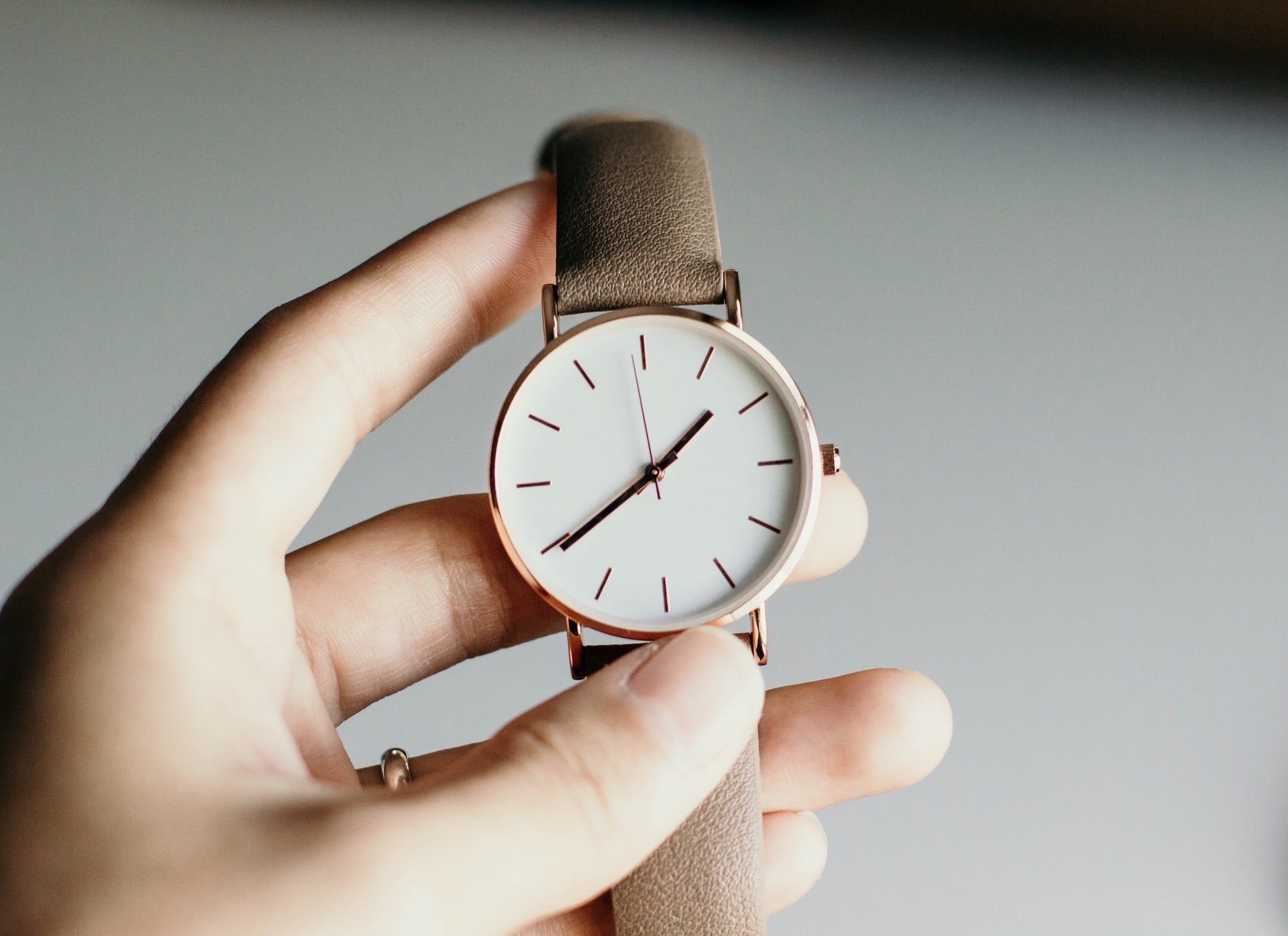
For decades, the definition of a “woman’s watch” was confined to the parameters of traditional horology: smaller case diameters, delicate aesthetics, and often, a reduction in mechanical complexity compared to men’s counterparts. However, as the digital revolution has matured, the concept has undergone a radical transformation. In the contemporary landscape, a woman’s watch is no longer defined merely by its physical dimensions or jewelry-like qualities, but by its technological sophistication, sensor integration, and software capabilities.
Today, the “woman’s watch” exists at the intersection of high-end hardware engineering and advanced data science. It is a powerful piece of wearable technology designed to serve as a health diagnostic tool, a productivity hub, and a personal safety device. This article explores the technological evolution of female-focused wearables, examining how hardware and software have pivoted to meet the specific physiological and lifestyle needs of modern women.

Beyond Aesthetics: Redefining the “Woman’s Watch” in the Digital Age
The historical “shrink and pink” approach—where manufacturers simply reduced the size of a male-oriented device and changed its color—has become obsolete. In the tech sector, engineering for a female demographic requires a ground-up approach to both hardware architecture and ergonomic design.
The Shift from Jewelry to Utility
The modern woman’s watch is characterized by its transition from a passive time-telling accessory to an active data-gathering instrument. While aesthetics remain important, the primary value proposition now lies in the internal circuitry. High-resolution AMOLED displays, multi-core processors, and comprehensive sensor arrays are now standard. The challenge for tech companies has been to maintain this high level of utility without the bulk that characterized early-generation smartwatches.
Miniaturization and Ergonomics in Tech Design
Technological advancement is often measured by miniaturization. For a watch to be wearable on smaller wrist profiles without sacrificing battery life or processing power, significant innovations in SiP (System in Package) technology were required. Engineers must optimize the internal layout to include high-capacity lithium-ion batteries and GPS antennas while maintaining a slim profile. This ergonomic focus ensures that the watch remains comfortable during 24/7 wear, which is essential for the continuous data collection required for health monitoring.
Smart Health Tracking: The Core of Modern Female Wearables
Perhaps the most significant differentiator in modern tech-driven watches for women is the focus on specialized health metrics. Technology has moved beyond basic step counting to provide deep insights into biological processes that were previously difficult to monitor outside of a clinical setting.
Advanced Menstrual and Reproductive Health Monitoring
In the realm of software and sensors, the integration of high-precision skin temperature sensors has revolutionized cycle tracking. By monitoring basal body temperature changes during sleep, advanced algorithms can predict ovulation windows and menstrual cycles with a high degree of accuracy. This isn’t just about calendar logging; it involves complex data processing where AI models analyze temperature fluctuations, heart rate variability (HRV), and respiratory rates to provide a holistic view of reproductive health.
Stress Management and Bio-Feedback Sensors
Women often experience different physiological stressors, and tech companies have responded by incorporating Electrodermal Activity (EDA) sensors and sophisticated heart rate monitoring. These sensors detect small changes in the skin’s sweat levels and heart rhythm to gauge stress. The software then provides real-time interventions, such as guided breathing exercises or reminders to take a “mindfulness break.” This proactive approach to mental health is a cornerstone of modern wearable tech.
Holistic Wellness: Sleep, Recovery, and AI-Driven Insights
The “woman’s watch” serves as a 24-hour health consultant. Using photoplethysmography (PPG) sensors, these devices track sleep stages—REM, Light, and Deep—while also monitoring blood oxygen saturation (SpO2). The real technological feat, however, is the AI-driven interpretation of this data. The software correlates sleep quality with daily activity and physiological strain, offering “readiness scores” that inform the user whether her body is recovered enough for high-intensity exercise or requires rest.
Software Ecosystems and App Integration

A watch is only as smart as the software it runs. For the modern woman, the watch functions as a secondary interface for her smartphone, requiring seamless integration across various apps and services.
Customizing the UI/UX for the Modern Woman
User Experience (UX) design for women’s watches focuses on clarity and accessibility. Dashboards are often customizable to prioritize the data most relevant to the user, whether that is professional notifications, fitness goals, or health metrics. The interface must be intuitive, allowing for quick interactions during a commute, a workout, or a business meeting.
Safety Features: SOS Alerts and Real-Time Location Sharing
Technology has enabled the “watch” to become a critical safety tool. Many devices now feature built-in incident detection. If the accelerometer and gyroscope detect a hard fall, or if the user manually triggers an SOS, the watch can automatically contact emergency services and share the user’s real-time GPS coordinates with designated emergency contacts. This integration of LTE connectivity and satellite positioning provides a layer of security that traditional watches could never offer.
Seamless Connectivity with Smart Home and Work Tools
The modern woman’s watch is a node in the Internet of Things (IoT). Through voice assistants and dedicated apps, users can control smart home devices, manage calendars, and respond to professional communications via voice-to-text. The ability to filter notifications—allowing only high-priority work emails or family calls to vibrate on the wrist—helps in managing “digital noise” and improving focus.
The Intersection of Fashion and Function: Materials and Personalization
While the internal tech is the priority, the external hardware must be durable and adaptable. The materials science behind a woman’s watch is as advanced as the software inside it.
Sustainable Materials and Hypoallergenic Finishes
As consumers become more tech-savvy, they also become more conscious of the materials used in their gadgets. Leading tech brands are now using recycled aluminum, aerospace-grade titanium, and vegan leather alternatives. Furthermore, the use of hypoallergenic materials for the casing and sensors is crucial for devices intended for long-term skin contact, preventing irritation during workouts or sleep.
Modular Hardware: Adapting to Occasion and Lifestyle
The tech industry has embraced modularity. Quick-release band mechanisms allow a woman’s watch to transition from a silicone sports band for high-intensity interval training (HIIT) to a sophisticated stainless steel or leather strap for a corporate environment. This versatility ensures that the technology remains on the wrist at all times, preventing gaps in data collection that occur when a user switches between different timepieces for different occasions.
The Future of Women’s Tech: AI and Predictive Diagnostics
As we look toward the future, the definition of a woman’s watch will continue to expand alongside advancements in Artificial Intelligence and sensor technology.
AI-Powered Personal Coaches
We are moving toward a phase where the watch doesn’t just report data but provides predictive coaching. Future software will likely use machine learning to predict when a user might be getting sick based on subtle changes in HRV and skin temperature before symptoms even appear. For women, this could mean AI-driven nutritional advice or workout adjustments tailored to different phases of the hormonal cycle, maximizing efficiency and well-being.
The Next Frontier in Non-Invasive Medical Tech
The holy grail of wearable tech is non-invasive monitoring of metrics like blood glucose or blood pressure. Engineers are currently working on optical sensors that can measure these biomarkers without the need for needles. When this technology is perfected and miniaturized for the female wrist, the “woman’s watch” will transition from a wellness accessory to an indispensable medical-grade diagnostic tool.
In conclusion, the question “what is a woman’s watch?” finds its answer in the rapid advancement of technology. It is no longer a decorative item meant to be worn on special occasions. Instead, it is a sophisticated, highly engineered gadget that empowers the user through data, safety, and connectivity. As software becomes more intelligent and hardware more discreet, the woman’s watch will remain at the forefront of the wearable tech revolution, proving that the best technology is that which understands and adapts to the unique needs of its user.
aViewFromTheCave is a participant in the Amazon Services LLC Associates Program, an affiliate advertising program designed to provide a means for sites to earn advertising fees by advertising and linking to Amazon.com. Amazon, the Amazon logo, AmazonSupply, and the AmazonSupply logo are trademarks of Amazon.com, Inc. or its affiliates. As an Amazon Associate we earn affiliate commissions from qualifying purchases.